
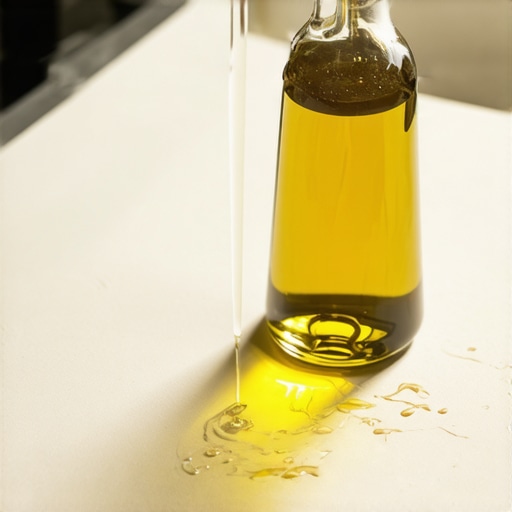
It started with a simple kitchen wipe, a quick swipe to clean off yesterday’s mess. But as I looked closer, I noticed something unsettling— patches on my countertops that seemed duller, almost stripped of their natural shine. It was a lightbulb moment: my favorite homemade cleaning hack might be doing more harm than good.
Why Your Efforts to Clean Could Be Backfiring
Many of us rely on vinegar because we hear it’s natural, affordable, and effective. I was convinced that using vinegar was a safe choice, until I noticed the sheen disappearing from my granite surfaces. Turns out, that pungent kitchen staple can actually break down the sealant meant to protect your countertops, leaving them vulnerable and dull. I learned this the hard way early on, mistaking a quick, vinegar-based wipe for a thorough clean. That mistake, as I discovered, can lead to costly repairs down the line.
Is DIY Cleaning Really Worth the Hype?
Honestly, I initially thought that my homemade vinegar mix was a miracle worker. But research and experience showed me that not all natural cleaners are safe for every surface, especially delicate sealants. A study published in the Journal of Surface Chemistry states that acids like vinegar can erode mineral-based surfaces if used excessively. That was a wake-up call, prompting me to rethink my cleaning routine and seek safer alternatives. Have you ever faced similar doubts or spotted signs of damage after cleaning?
If so, you’re not alone. Many homeowners unknowingly compromise their surfaces by sticking to DIY solutions without understanding the potential consequences. But worry not—we’re about to explore effective, safe cleaning strategies that maintain your countertops’ beauty and durability without the risk of stripping their sealant.
Ready to protect your investment and restore your countertops’ shine? Let’s dive into proven techniques that keep your surfaces flawless and damage-free. For more tips on house cleaning strategies or to consult personalized advice, feel free to contact us.
Start with a Clear Plan
Before diving into cleaning, jot down the areas that need urgent attention, especially if preparing for move-out or deep sanitation. I once overwhelmed myself by jumping straight into cleaning without a plan, which resulted in missing stubborn spots and wasting time. A structured approach saves effort and ensures no corner is overlooked.
Gather the Right Tools and Supplies
Equip yourself with microfiber cloths, scrub brushes, natural cleaners like baking soda and vinegar, and a spray bottle. For delicate surfaces like granite, use pH-neutral cleaners instead of harsh acids that can damage the sealant. I learned this when attempting to clean my kitchen counters hastily and ended up with streaks and dull spots. Proper tools and supplies are essential for effective, damage-free cleaning.
Deep Clean Surfaces Methodically
Scrub Kitchen and Bathroom Surfaces
Use a mixture of warm water and mild detergent or baking soda paste to scrub countertops and sinks. Focus on stubborn grime around taps and corners, applying gentle pressure to avoid scratching. I once spent hours trying to remove soap scum from my bathroom tiles with just water, but adding a baking soda paste made it effortless—and the grout looked brand new.
Focus on Upholstery and Soft Furnishings
Vacuum upholstery thoroughly to remove dust and pet hair. For fabric stains, a mixture of white vinegar and water can act as a natural deodorizer. When I cleaned my sofa, I used this method and instantly freshened up the fabric without harsh chemicals. Regular upholstery cleaning prolongs its lifespan and keeps your home smelling fresh.
Sanitize High-Touch Areas
High-touch points like doorknobs, light switches, and remote controls carry germs. Use a disinfectant spray with at least 70% alcohol or an effective natural sanitizer. I apply a quick spritz and wipe these spots daily to prevent the spread of germs, especially during flu season. Remember, superficial cleaning isn’t enough; sanitizing kills unseen bacteria and viruses.
Pay Close Attention to Hidden Spots
Areas behind appliances, inside vents, and under furniture often trap dust and grime. Use a vacuum with attachments or a damp cloth to reach these spots. I once overlooked the dust behind my refrigerator, but after cleaning, my kitchen looked more polished, and I noticed improved air quality.
Dry Everything Properly
After cleaning, ensure all surfaces are thoroughly dried to prevent mold growth. Use a clean microfiber cloth to wipe down damp areas. In my experience, rushing through drying led to water spots and mold in some corners, which delayed the overall freshness of the space.
Implement Maintenance Habits
Adopt daily routines like wiping down counters after use and vacuuming upholstery weekly. This prevents dirt buildup and keeps your home consistently clean. For housekeeping tips tailored to maintain a spotless environment, check out our house cleaning strategies.
Many homeowners believe they know the basics of effective cleaning, but in reality, misconceptions and overlooked nuances can undermine their efforts. One widespread myth is that scrubbing harder always results in a cleaner surface. In truth, vigorous scrubbing can damage delicate finishes and sealants, especially on natural stone or soft furnishings, leading to costly repairs over time. Instead, using gentle, targeted movements with the right cleaning solutions is more effective and safer, as emphasized in expert guides like our house cleaning secrets.
Another common error is mistaking cleanliness for sanitization. Many assume that visible dirt and dust are the main concerns, but germs and bacteria can persist unseen, especially on high-touch surfaces. Relying solely on surface cleaning without proper disinfection creates a false sense of security, which can be dangerous during flu seasons or viral outbreaks. Proper sanitization involves using EPA-approved disinfectants and understanding contact times. For insights into safe and effective sanitizing practices, check out effective sanitizing methods.
Why Do Many Miss Hidden Spots During Cleaning?
Cleaning deeply requires awareness of overlooked areas like behind appliances, inside vents, or under furniture. These spots often trap dust and grime, contributing to poor air quality and harboring germs. Skipping them is a silent mistake that diminishes overall cleanliness. Incorporating tools like crevice brushes or flexible duster extensions is essential, as detailed in our upholstery and hidden area tips. Neglecting these zones can lead to mold growth, allergen buildup, or stubborn stains that resurface later.
Speaking of stubborn stains, many overlook the impact of improper cleaning products. For instance, using all-purpose cleaners on delicate upholstery can weaken fibers or cause discoloration. Recognizing fabric-specific cleaning codes and testing solutions on small inconspicuous areas mitigates this risk. Advanced practitioners know that, for textiles, enzyme-based or pH-balanced cleaners often deliver better results without damage, a point stressed in industry research and our upholstery cleaning tips.
When it comes to move-out cleaning, a prevalent trap is assuming that a quick, surface-level wipe will suffice for deposit recovery. Landlords often inspect hidden spots like grout lines, vents, or inside cabinets, which can harbor dirt and grime. Investing time in detailed cleaning, including deep scrubbing and high-quality disinfectants, ensures the return of your full deposit. For targeted strategies, our move-out cleaning guide provides valuable steps.
Mastering these nuances isn’t just about superficial cleanliness—it’s about creating a healthier, more resilient home environment. Understanding the science behind effective cleaning and disinfecting, and avoiding common pitfalls, protects your investments and the health of everyone in your household. Have you ever fallen into this trap? Let me know in the comments, or reach out through our contact page for personalized advice. Remember, the devil is in the details, and a little expert knowledge goes a long way in maintaining a spotless home.
Invest in Reliable Equipment for Persistent Results
Maintaining a spotless home over time hinges on using the right tools that are both durable and effective. For instance, I personally swear by the Bosch Cordless Vacuum Cleaner because its lightweight design and powerful suction make daily upholstery and hard-to-reach corners easier to manage without fatigue. Its HEPA filter also captures fine dust and allergens, improving indoor air quality—a crucial factor for health-conscious homeowners.
Similarly, when it comes to deep cleaning floors and tiles, I rely on the Kärcher High-Pressure Washer. Its adjustable pressure settings ensure surfaces are sanitized thoroughly without damage, saving me time and effort. Investing in high-quality tools like these reduces the need for frequent replacements, ensuring your cleaning routine remains seamless in the long run.
Harness Technology for Better Sanitation
Advances in cleaning technology continue to evolve, and incorporating smart devices can elevate your routine. UV-C sanitizing wands, for example, use ultraviolet light to kill bacteria and viruses on soft and hard surfaces; I use one periodically to disinfect high-touch areas like doorknobs and light switches more safely and efficiently. These tools complement traditional cleaning methods and help maintain high hygiene standards without harsh chemicals.
Additionally, there’s a growing trend toward app-controlled robotic vacuums and mops, which maintain daily cleanliness with minimal effort. Over time, integrating these smart tools minimizes surface contamination and keeps upholstery and floors looking pristine. For detailed insights on effective sanitizing technologies, check out expert tips on cleaning secrets.
How do I maintain my cleaning setup to ensure lasting performance?
Regular maintenance of your equipment is vital. This includes cleaning filters, replacing brushes, and storing devices in dry, protected areas to prevent damage. For example, I clean my vacuum filters every month to sustain suction power and prevent breakdowns. Following manufacturer guidelines and scheduling routine checkups extends the lifespan of your tools, saving money and time in the long term. Think about creating a cleaning tools maintenance calendar to stay organized and proactive.
Plan for Long-Term Results with Consistent Practices
Beyond tools, the key to lasting cleanliness lies in consistent habits. Daily quick wipes of high-touch surfaces, weekly upholstery vacuuming, and monthly deep cleans prevent grime buildup and preserve the integrity of delicate finishes. Incorporating these steps into your routine ensures your investment in quality equipment pays off over years, not just months.
If you’re ready to refine your approach, start by trying out an advanced technique like using a microfiber mop for hardwood floors, which traps dust and debris more effectively than traditional string mops. This simple upgrade can significantly improve your results and extend the life of your flooring. For more expert advice, visit our upholstery care tips.
How I Realized the Power of Gentle Techniques Over Harsh Scrubbing
One of the most impactful lessons I learned was that sometimes, less is more. Vigorously scrubbing surfaces with abrasive tools seemed effective initially, but I soon damaged delicate finishes and lost their natural luster. Switching to gentle, targeted cleaning methods not only preserved surfaces but also made my routine more efficient and less stressful.
Why Rushing Through Deep Cleanings Can Cost You in the Long Run
I used to think that deep cleaning was a one-time effort, but I discovered that inconsistency leads to grime buildup and potential damage. Regular, mindful maintenance is key. Incorporating small, consistent habits helped me maintain cleanliness and longevity of surfaces without resorting to harsh chemicals or exhaustive scrubbing.
The Value of Investing in Quality Equipment for Peace of Mind
Quality tools like HEPA-filtered vacuums and versatile steam cleaners made a noticeable difference. They improved my cleaning results and reduced the need for frequent replacements. I now recommend investing in reliable equipment that complements your routine, saving time and ensuring thorough sanitation every time.
The Hidden Benefits of Technology in Home Cleaning
Using modern devices such as UV-C sanitizers and app-controlled robotic vacuums transformed my approach. These tools enhanced hygiene, especially in high-touch areas, and made upkeep effortless. Embracing technology isn’t just a trend—it’s a smart way to elevate home health standards.
Curated Resources for Elevating Your Cleaning Game
My go-to tools include the Bosch Cordless Vacuum for its portability and powerful suction, which simplifies daily upkeep. The Kärcher High-Pressure Washer has revolutionized my outdoor cleaning, making deep cleaning quick and effective. For expert insights, I turn to industry blogs and guides like our house cleaning secrets—they’ve been my trusted companions in cleaning smarter, not harder. Additionally, I appreciate the comprehensive upholstery care guide for maintaining soft furnishings without damage.
Taking Action: Your Clean Home Awaits
Remember, achieving a spotless home isn’t about perfection—it’s about consistency, care, and smart choices. Embrace the lessons learned, trust in quality tools and technology, and enjoy the transformed space you’ve created for your loved ones. Your home’s health depends on your commitment today.
What surprising cleaning tip transformed your routine? Share your experiences below—I’d love to hear your stories!
,