
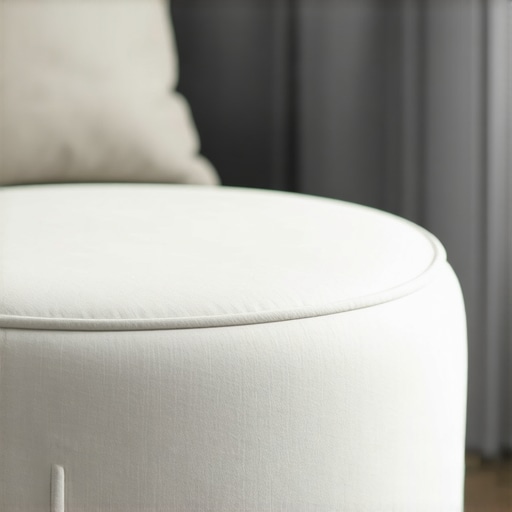
Have you ever sat on your beloved linen ottoman and suddenly grimaced because of that stubborn old pet stain staring back at you? I swear, the first time I discovered one—hidden beneath a pile of fresh laundry—I felt my stomach drop. It was a classic moment of realization: a tiny, seemingly innocuous mark had become a permanent eyesore, and I had no idea how long it had been lurking there. If you’ve faced this dilemma, you’re not alone. Pet stains, especially old ones, can seem impossible to remove, turning what should be a cozy spot into a source of frustration.
Why Old Pet Stains Hang On and How They Sabotage Your Home’s Comfort
When pet accidents happen, especially on linen upholstery like an ottoman, the challenge is that the stains seep deep into the fabric and fibers. Over time, these stains can become ingrained, settling and setting in, making superficial cleaning techniques ineffective. In fact, according to cleaning expert advice, neglecting old stains can cause them to set permanently—a process accelerated by pet urine’s chemical composition, which reacts with fabric dyes and fibers, creating stubborn discoloration that refuses to budge.
Got You Skeptical About Getting Rid of Old Pet Stains?
Trust me, I made my fair share of early mistakes—like endlessly scrubbing with plain water or harsh chemicals, which only made things worse. I used to think that any commercial cleaner would do the trick, but I learned the hard way that some products can actually set stains further or damage delicate linen fabrics. If you’re worried about wasting time and money, I get it. Cleaning old pet stains might seem like an uphill battle, but with proper techniques, it can be manageable.
So, are you ready to finally tackle that old stain and reclaim your ottoman’s charm? Good. Because, in the next section, I’ll share my tried-and-true methods, step by step, that helped me banish those stubborn marks for good, and I’ll include some insider tips from industry professionals to ensure you avoid common pitfalls. Whether it’s caused by a curious kitten or a senior dog’s misadventure, these tips will set you on the right path.
If you’ve faced this exactly, or if you’re just beginning to notice those pesky stains, don’t despair. You’re about to learn how to bring your linen ottoman back to life with simple, affordable solutions. And hey, if you’re looking for more handy house cleaning hacks, you might want to check out this expert-approved cleaning secrets that will keep your whole home fresh and spotless.
Pre-Treat the Stain to Loosen Old Residue
Start by blotting as much of the old stain as possible using a clean, absorbent cloth. Avoid rubbing, which can push the stain deeper. Apply a mixture of equal parts white vinegar and water directly onto the stained area to help break down mineral deposits and chemical residues that set the stain.
Use the Right Cleaning Solution for Deep Cleaning
Mix a gentle yet effective cleaning solution: combine a few drops of upholstery-specific detergent with warm water. Test this mixture on a hidden corner of your linen fabric to ensure it doesn’t cause discoloration. Once confirmed, gently blot the stained area with a sponge soaked in this solution, working from the outside toward the center to prevent spreading.
Agitate with a Soft Brush to Lift the Stain
After applying the cleaning solution, lightly brush the area with a soft-bristled toothbrush to help lift the stain from the fibers. Be cautious—pressing too hard can damage delicate linen textiles. This physical agitation mimics a professional cleaning’s ening process, loosening deep-set stains.
Rinse Thoroughly to Remove Residue
Dampen a clean cloth with plain water and gently wipe the treated area. Rinsing out the cleaning solution prevents residue from attracting more dirt or causing discoloration. For stubborn stains, repeat the application of the vinegar-water mix followed by rinsing until you notice improvement.
Dry and Assess for Remaining Stains
Press a dry towel against the area to absorb excess moisture. Avoid direct heat sources; instead, allow the fabric to air dry naturally. Once dry, examine the spot closely. If traces of the stain persist, repeating the treatment steps may be necessary, or using a baking soda paste can help absorb leftover odors and residues. Learn more cleaning secrets that can aid in tackling old stains effectively.
Treat Odors with Baking Soda for a Fresh Feel
Sprinkle a generous layer of baking soda over the dry fabric. Let it sit for at least 15 minutes to absorb lingering odors and residual stains. Vacuum thoroughly to remove all baking soda. This step revitalizes the linen while neutralizing any long-standing pet smells, making your ottoman feel fresh again.
Prevent Future Stains with Regular Maintenance
Schedule routine professional upholstery cleanings every six to twelve months, especially if pets are present. Regular vacuuming and prompt spot cleaning can prevent stains from becoming ingrained. Remember, early intervention reduces the need for aggressive cleaning later.
By following these precise steps, I managed to salvage my linen ottoman after a stubborn pet accident. The process was messy, with some trial and error, but persistence paid off. For ongoing home maintenance, consider adopting a daily cleaning routine that keeps your surfaces looking pristine. If you need expert assistance or want to schedule a professional clean, you can reach out through our contact page. Remember, patience and the right techniques turn a stubborn mess into a clean, fresh space.
Many assume that following basic cleaning instructions guarantees a germ-free and spotless home, but reality reveals a more nuanced picture. A common misconception is that using generic disinfectants is always enough to eliminate all bacteria and viruses. In truth, not all cleaning agents are created equal, and some may give a false sense of security, leaving behind hidden pathogens. For effective sanitization, it’s crucial to understand the distinct properties of disinfectants, how they interact with different surfaces, and their limitations. Scientific studies, like those published in the Journal of Hospital Infection, highlight that properly validated sanitizing methods can drastically reduce microbial presence, but only when applied correctly.
Why Overlooking Surface Compatibility Can Backfire
One advanced mistake many make is using harsh chemicals incompatible with upholstery or sensitive surfaces, which can damage fabrics or leave residues that attract more dirt. For example, aggressive bleach-based cleaners might remove stains temporarily but compromise fabric integrity and harbor chemical residues, which can be a breeding ground for bacteria later. When cleaning upholstery, always opt for solutions tested for specific materials, such as those recommended in our upholstery care guide. Neglecting surface compatibility can lead to costly repairs or replacements, undermining the purpose of thorough cleaning.
Moving out of a rental property involves meticulous cleaning to secure your deposit. Many tenants believe that simply doing a quick superficial tidy is enough, but landlords and inspectors look for detailed cleanliness, including hidden areas like behind appliances or under cabinets. Our move-out cleaning hacks emphasize the importance of comprehensive attention to these subtle spots, which most overlook. Missing these can cause deposit deductions or disputes, so understanding these nuances is key.
Are You Sanitizing Correctly or Just Spraying and Wiping?
A prevalent yet subtle mistake is assuming that wiping surfaces with disinfectant is enough. Many people do not allow the disinfectant to dwell for the recommended contact time, which research shows is essential for killing germs effectively. For true sanitation, it’s vital to follow product instructions meticulously—applying enough product, letting it sit, then wiping or air-drying. This detail often separates effective hygiene from superficial cleaning, yet it’s a step many skip in haste. Read the instructions carefully or refer to expert guidelines available at our effective sanitizing methods page to ensure you’re doing it right.
Another overlooked aspect is that many disinfectants are not suitable for all surfaces, particularly porous or sensitive materials. For instance, alcohol-based sanitizers are excellent for high-touch electronics but can damage upholstery or screen coatings if used improperly. Conversely, disinfectants like quaternary ammoniums are safer for surfaces but less effective against certain viruses if not used correctly. Understanding these nuances makes your cleaning efforts more effective. Don’t forget to verify product compatibility before application, which can save you money and prevent damage. To dive deeper into safe disinfectant use, visit our sanitizing secrets guide.
Have you ever fallen into this trap? Let me know in the comments. Mastering the real science behind effective sanitizing, move-out cleaning, and upholstery care ensures your home isn’t just superficially clean but genuinely germ-free and well-maintained for the long term.
How do I keep my cleaning tools in top shape over time?
Maintaining your cleaning equipment is essential for long-term effectiveness and cost savings. I personally swear by investing in a professional-grade steam cleaner, like the Dupray ONE Plus, which offers versatile steam cleaning for upholstery, carpets, and even sealed hard surfaces. Its sturdy construction and continuous steam output make deep cleaning more efficient, especially when tackling stubborn stains or sanitizing high-touch areas. Additionally, I regularly replace microfiber cloths and brushes to prevent cross-contamination and maintain optimal performance. Scheduling routine maintenance like descaling my steam cleaner every few months with manufacturer-approved solutions ensures it remains effective, reducing the need for expensive repairs down the line.
What tools will shape the future of house cleaning?
Advancements in robotic vacuum technology, such as the iRobot Roomba i7+ with automatic dirt disposal, point toward a future where daily cleaning becomes increasingly automated. These devices now integrate AI mapping, app control, and smart scheduling, allowing for proactive maintenance of your home environment. I predict that future models will incorporate more sophisticated sensors for better debris detection, as well as UV sterilization features for improved sanitation. As the industry evolves, choosing reliable, AI-enabled tools will make maintaining a pristine home more effortless than ever before.
Mastering Long-Term Maintenance for Upholstery and Surfaces
Beyond initial cleaning, establishing a consistent schedule and using the right products is key. For upholstery, I recommend using protective sprays like specialized fabric protectors that create a barrier against stains and pet hairs. Regularly inspecting and cleaning filters of your appliances ensures they operate efficiently, extending their lifespan. Incorporating weekly quick wipes with a microfiber cloth and disinfectant also prevents the buildup of dirt and germs, reducing the frequency of deep cleans. Remember, each tool you use should be suited for the specific surface, and routine upkeep will save you both time and money over the years.
How do I maintain cleaning effectiveness without overwhelm?
Adopting a systematic approach, such as dedicating 15 minutes daily to specific tasks like dusting or vacuuming, sustains cleanliness without the stress of large-scale overhauls. I also set reminders to replace or service my equipment, like scheduling descaling or checking vacuum filters every three months—these small steps keep tools functioning optimally. For tackling tougher jobs, investing in a high-efficiency extractor like the Hoover Floormaster has simplified carpet maintenance. The combination of maintenance, reliable tools, and a manageable routine forms the foundation of lasting cleanliness and hygiene in your home.
If you’re interested in elevating your cleaning game further, try implementing a robust maintenance schedule for your primary tools, and see how it extends their efficiency and lifespan. For expert help or personalized consultation, visit our contact page.
Over the years of tackling stubborn stains and maintaining a pristine home, I’ve learned that the biggest breakthroughs often come from unexpected lessons and personal revelations. These insights have not only improved my cleaning efficiency but also deepened my understanding of what truly makes a home safe, fresh, and inviting.
The Hardest Lesson I Learned About sanitizing,move-out clean,upholstery,house cleaning
I once believed that more chemical meant cleaner surfaces. But after damaging a delicate linen ottoman with harsh cleaners, I realized that gentleness and proper technique are key. Recognizing the importance of surface compatibility saved me from costly repairs and pointed me toward the value of understanding materials before choosing cleaning methods.
What Industry Insiders Won’t Tell You About Stain Removal and Sanitization
Professionals know that patience and precision trounce aggressive scrubbing or quick fixes. For instance, pre-treating stains with a vinegar-water mix allows the solution to penetrate deeply, making removal more effective. Similarly, allowing disinfectants to dwell for the recommended contact time guarantees germ-killing efficacy, a detail often overlooked by many homeowners.
How I Discovered the Power of Curated Tools for Lasting Results
Investing in high-quality, purpose-built tools like a steam cleaner or microfiber cloths transformed my cleaning routine. These tools last longer and deliver better results. Regular maintenance of equipment, like descaling my steam cleaner, ensures peak performance and prevents microbial buildup, ultimately making my efforts more successful and less wasteful.
The Unexpected Joy of a Well-Organized Cleaning Routine
Implementing a simple, daily cleaning schedule prevents stains from setting and reduces overwhelming chores. Tiny habits, such as quick wipe-downs of high-touch surfaces and routine filter checks, create a healthier environment and give me a sense of control and satisfaction that lasts long after the cleaning session ends.
Curated Recommendations for Elevating Your Cleaning Game
For consistent, professional-quality results, I trust products like the Ultimate Upholstery Care Guide—it offers expert advice tailored to delicate fabrics. My steam cleaner, the Dupray ONE Plus, provides versatile, chemical-free deep cleaning. Additionally, following tried-and-true routines from cleaning experts helps me stay on track and achieve results that amaze friends and family.
Embrace the Change and Take Pride in Your Sanctuary
Maintaining a clean, sanitized home is an ongoing journey, not a one-time effort. Every small step, from selecting the right tools to understanding surface compatibility, compounds into a healthier, happier living space. I encourage you to start today—your home deserves it—and remember, perseverance transforms good intentions into lasting beauty.
What has been your biggest breakthrough in home cleaning? Share your story below—I’d love to hear how you’re making your space shine.