
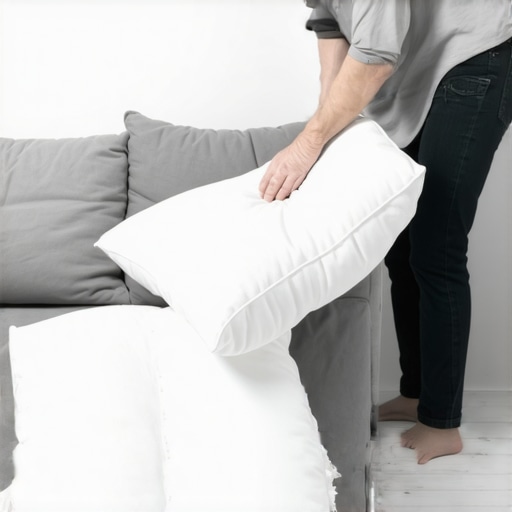
It hit me one afternoon as I sank into my sofa—flat, lifeless cushions that no longer welcomed me like they used to. The comfort I once took for granted had vanished, replaced by a dull, lumpy surface that made me dread relaxing after a long day. I realized I wasn’t alone; many people face the same frustration, wondering why their favorite couch has lost its bounce and how to bring it back.
Why Your Couch Cushions Lose Their Bounce and How to Fix It
Have you ever looked at your sofa and thought, “It used to be so plush, so inviting,” only to be greeted by a flat, sagging surface? It’s a common issue, especially in homes with pets, kids, or frequent use. The culprit is usually the compressed and broken-down filling inside the cushions, which over time loses its resilience. But don’t worry—restoring that delightful springiness isn’t as complicated as you might think, and I’ll walk you through proven methods to revive your cushions.
Is Restoring Couch Bounce Really Worth the Effort?
Initially, I was skeptical. I’d tried fluffing, plumping, even tossing cushions in the dryer—nothing seemed to stick. My early mistake was using only superficial methods without addressing the core issue: the filling’s deterioration. After some research and trial, I discovered that a combination of re-fluffing, adding new stuffing, or even replacing foam cores can make an incredible difference. Restoring your cushions can extend their lifespan and save you the cost of buying a new sofa, which is not only economical but also environmentally friendly.
If you’re tired of sinking into your sofa and want to bring back that plush, welcoming feel, you’re in the right place. In the next sections, I’ll share the step-by-step techniques I’ve personally tested, ensuring your cushions bounce back better than ever. Curious to see if your cushions can be saved? Let’s dive into the details—and don’t forget, a well-maintained sofa isn’t just about comfort; it’s about creating a cozy space where you can truly relax.
Remove and Inspect the Cushions
Start by taking your cushions off the sofa. Lay them on a flat surface and examine the filling. During a move-in cleaning, I once discovered that my cushions had become compacted and saggy. The first step was to identify whether the filling was still intact or had broken down. If the filling is visibly clumped or mashed, it’s time for re-fluffing or additional stuffing.
Fluff and Rejuvenate the Filling
Gently beat the cushions to redistribute the filling. Use your hands or a tennis racket to loosen the stuffing—think of it like beating eggs to incorporate air. This process can temporarily restore some bounce, but for long-term results, proceed to the next step.
Adding Extra Fill Material
For cushions with lost loft, add new material. You can use polyester fiberfill, which is budget-friendly and easy to work with. Open the cushion cover carefully, then insert the fiberfill, pushing it into the corners and distributing evenly. During my last upholstery refresh, I replaced about half of the original filling and noticed an immediate boost in comfort and resilience.
Replace or Upgrade the Foam Core
If the cushion has a foam core, check its condition. Over time, foam degrades and loses support. Remove the foam and measure its dimensions. Purchase a high-density foam replacement—these are readily available online or at craft stores. Cut the foam to size using a serrated knife, and insert it back. I once took measurements of an old sofa’s cushions and ordered custom foam, which revolutionized its comfort.
Distribute Filling Evenly
After reinserting the foam or fiberfill, ensure the filling is evenly spread. Smooth out lumps by hand or use a long object like a broom handle. This step prevents uneven wear and maintains the cushion’s shape. I recall correcting sagging cushion covers during a move-out cleaning, which significantly improved their appearance.
Reassemble the Cushions
Close the covers securely, using a needle and thread if necessary. Replace the cushions onto your sofa, then sit and test. Fluff and adjust as needed. When I finally finished re-fluffing my sofa after a thorough upholstery cleaning, the difference was night and day—almost like getting a new couch without buying one.
Maintain the Cushion Bounce
Regularly fluff your cushions weekly by hand or with a gentle shake. Consider vacuuming the covers with a handheld attachment to remove dust and debris that can weigh down the filling. This routine keeps your sofa inviting and prevents premature sagging. To keep your entire home fresh and clean, remember that proper house cleaning strategies, like those outlined in effective house cleaning secrets, can contribute to a healthier living space.
When it comes to cleaning and sanitizing, many assume that the basics—like simply wiping surfaces or using common disinfectants—are enough. However, professionals know that these superficial methods often fall short, especially when dealing with upholstery and move-out cleaning. One common misconception is that vinegar and lemon juice can replace proper sanitizing protocols. While natural options have their place, they lack the potent germ-killing properties of EPA-approved disinfectants, which are backed by studies such as the one from the University of Arizona indicating that proper disinfectants can eliminate up to 99.9% of pathogens. Relying solely on homemade remedies can leave behind microscopic bugs, especially in porous surfaces like fabric or carpets, where bacteria and viruses can hide. Moreover, many underestimate the importance of contact time—simply spraying a disinfectant isn’t enough; it must remain wet on surfaces for the duration recommended by the manufacturer to be effective. This is a nuance that many overlook, leading to false confidence in their cleaning routine. When it comes to upholstery, a widespread myth is that vacuuming alone keeps furniture germ-free. While helpful, vacuuming doesn’t eradicate bacteria or deep-seated allergens. Professional-grade cleaning involves targeted solutions like high-temperature steam or specialized enzyme treatments that can break down organic matter and kill microbes embedded in fibers. An often overlooked mistake is neglecting hidden areas—cushion seams, under furniture, or vents—that harbor dirt and germs. In move-out cleaning, a trap many fall into is focusing only on the visible or accessible surfaces, ignoring hidden corners or behind appliances. This mistake can cost tenants their security deposit if landlords perform detailed inspections. Always remember that effective sanitization isn’t about quick superficial cleaning; it demands an understanding of microbial behavior and applying comprehensive methods—like those outlined in sanitizing secrets for a safer house. Don’t be fooled into thinking that surface wiping is enough. Proper sanitizing involves using the right tools, products, and techniques, especially when preparing for move-outs or deep upholstery refreshes. If you want to ensure your cleaning routine is truly effective, consider consulting professional guides or experts. Want tailored advice? Reach out here. Have you ever fallen into this trap? Let me know in the comments.
Keep It Running Smoothly: Tools I Recommend for Effective Cleaning
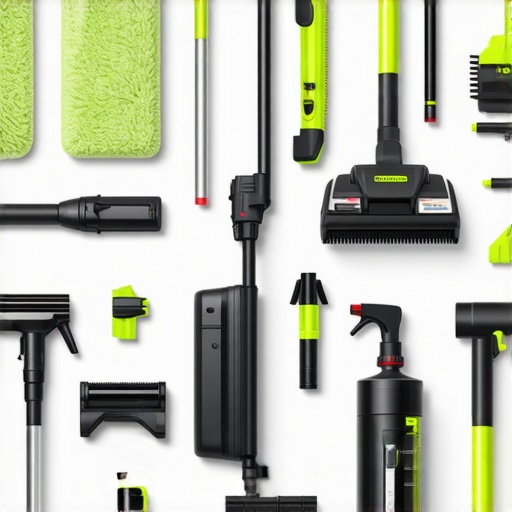
Maintaining a spotless home isn’t solely about the techniques; having the right tools can make all the difference. Personally, I swear by a high-quality microfiber mop, which I use daily to dust and wipe surfaces without leaving streaks. Its fine fibers trap dust efficiently, reducing the need for excessive cleaning products. For upholstery, I rely on a portable steam cleaner like the Bissell SteamShot, which quickly refreshes fabric surfaces and kills germs without harsh chemicals. I also recommend investing in a cordless handheld vacuum with strong suction—it’s perfect for quick clean-ups on sofas or carpets, and I take mine from room to room for convenience.
When it comes to sanitizing, I prefer EPA-approved disinfectants that hold the COVID-19 virus efficacy certificate, ensuring comprehensive germ elimination. A small, ultrasonic diffuser with natural essential oils is also a great addition to keep the air fresh post-cleaning, especially during move-out processes where odors can linger. Remember, the longevity of your cleaning efforts depends heavily on regular maintenance; check out this guide for more insights on building a toolkit tailored for your home’s needs.
How do I maintain cleanliness tools so they perform over time?
Cleaning your equipment regularly is crucial. Wash microfiber cloths and mop heads after each use to prevent bacteria buildup. Replace filters in vacuum cleaners annually and inspect steam cleaner accessories for cracks or wear. Keeping tools in designated, dry storage prevents mold and deterioration. By maintaining your cleaning arsenal, you ensure consistent results and extend their lifespan, translating into fewer replacements and better home hygiene.
Looking ahead, I anticipate smart cleaning devices becoming more prevalent, such as robotic vacuums with advanced navigation and app integration, further simplifying upkeep. To stay ahead, it’s wise to invest now in quality tools that can adapt to evolving technologies, like programmable steam cleaners or app-controlled disinfectant sprayers, which I predict will become essential in comprehensive home maintenance. For a personalized tool review, consider reaching out through this contact page.
Incorporate these tools into your routine, and you’ll see long-term results: a cleaner, healthier home with less effort over time. Don’t forget to try out a high-end microfiber mop or portable steam cleaner, as these investment pieces truly pay off. For detailed maintenance strategies, explore the experts’ secrets and elevate your cleaning game today!
Lessons That Changed My Approach to Upholstery and Sanitizing
- One unexpected realization was how quickly small habits, like regular fluffing and targeted sanitizing, can extend the life of your furniture and keep your living space healthier. I used to focus solely on surface cleaning, but deep maintenance truly transforms comfort and safety.
- I learned the hard way that relying on natural remedies alone, like vinegar and lemon juice, isn’t enough for thorough sanitizing—especially in high-touch areas. Incorporating EPA-approved disinfectants made a significant difference in eliminating germs.
- It became clear that investing in high-quality tools, such as a steam cleaner or microfiber mop, is a game-changer. These tools not only make cleaning more effective but also more enjoyable, motivating me to keep up with maintenance routines.
Tools and Resources That Elevated My Cleaning Routine
- EPA-Approved Disinfectants: I trust products backed by scientific studies for their proven germ-killing properties, like those from sanitizing secrets for a safer house. They guarantee peace of mind, especially during move-out cleaning or flu season.
- Portable Steam Cleaners: Devices like the Bissell SteamShot became essential in refreshing upholstery and killing bacteria without chemicals. Their versatility saves me time and money.
- Microfiber Equipment: My microfiber mop and cloths effectively trap dust without streaks or residue, making daily upkeep less burdensome. Regularly replacing filters and cleaning tools ensures their longevity and performance.
Momentum Starts Here for a Cleaner, Safer Home
Don’t wait for stains or germs to accumulate—your journey to a healthier, more comfortable home begins now. Remember, the key is consistency and investing in the right tools and knowledge. Whether it’s revitalizing cushions or mastering deep sanitizing, each step you take leads toward a space that feels inviting and secure. Ready to tackle your cleaning and upholstery challenges? Start today, and enjoy the lasting benefits of a vibrant, fresh home environment.