
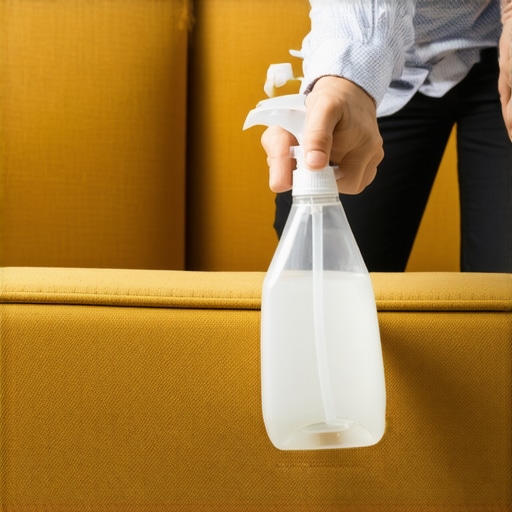
I vividly remember the last stain on my sofa—hot sauce, of course, the kind that stubbornly refuses to come out. Frustration bubbling up, I grabbed my trusty spray bottle of rubbing alcohol, thinking I was about to banish that red nightmare forever. But as I spritzed, I saw my beautiful fabric start to discolor, shrink, and look worse than before. That moment was my lightbulb—this magic bullet I believed in was actually causing more harm than good.
Why Rubbing Alcohol Can Be a Sofa’s Worst Enemy
If you’ve ever tried to tackle a stain on your upholstery with rubbing alcohol, you know the desperation that leads us to such quick fixes. It’s tempting to grab whatever is nearby when stains appear—after all, we want fast results. But the reality is, many household remedies, despite sounding effective, can damage delicate fabrics, cause discoloration, or set stains permanently. I learned this the hard way early on, making a critical mistake: assuming that alcohol-based cleaners are safe for all fabrics without testing a small hidden area first. Trust me, it’s a mistake you don’t want to repeat—visit this guide for comprehensive upholstery care tips that can save your furniture.
Is Spraying Alcohol Really Worth the Hype?
It’s tempting to believe that a quick spray of rubbing alcohol will disinfect and remove stains instantly, especially given its strong antiseptic reputation. However, a study published by the CDC highlights that alcohol-based cleaners might not penetrate deep enough to eliminate all germs, and in some cases, they can damage upholstery fibers, leading to more stains or fabric deterioration over time.
Start With a Fabric Inspection and Patch Test
Before diving into cleaning, examine your sofa for fabric type and stain stubbornness. For instance, when I tackled a wine spill on my microfiber loveseat, I first tested a hidden corner with a mild cleaning solution. This prevents discoloration or fabric damage that can occur with aggressive chemicals. Use an inconspicuous area to apply a small amount of your cleaning mixture, and wait 10 minutes to observe any adverse reaction. This step is critical and can be the difference between a fresh-looking sofa and a costly replacement.
Remove Loose Debris and Dust
Use a vacuum cleaner equipped with a soft brush attachment to loosen and extract dirt and dust. Think of your fabric as a sponge that soaks up debris; vacuuming is like squeezing it dry. I did this on my fabric chair, running the vacuum along all the seams and surface areas. If your upholstery has crevices, use a handheld vac or a soft brush to reach into tight spots. This preps the fabric for a deeper clean and prevents dirt from turning into stains during the process.
Prepare the Right Cleaning Solution
Opt for eco-friendly, fabric-safe cleaners. An effective DIY solution involves mixing warm water with a few drops of mild detergent and a splash of white vinegar for disinfecting. Remember, vinegar can be a sanitizer and stain remover. If you’re unsure about the fabric’s reaction, consult this guide. Never use harsh chemicals like bleach or alcohol directly, as they risk damaging delicate fibers. Instead, focus on gentle, effective ingredients that won’t compromise fabric integrity.
Apply Cleaning and Focus on Problem Areas
Using a soft cloth or sponge, dampen it with your prepared solution, then gently scrub the upholstery in small sections. When I cleaned my sofa, I worked from top to bottom, ensuring no area got overly soaked. For stubborn stains, apply a slightly more concentrated solution and let it sit for 5-10 minutes. Always avoid oversaturating the fabric to prevent mold or water rings. Remember, success lies in gentle, consistent strokes rather than brute force.
Rinse and Remove Residue Properly
After cleaning, use another soft cloth dampened with plain water to wipe away soap residues. Think of rinsing as giving your fabric a gentle shower, removing suds that could attract more dirt if left behind. Frequent rinsing prevents soap build-up, which can cause stiffness or discoloration. When I did this on my recliner, I ended by blotting moisture with a dry towel, then letting it air dry completely. This step ensures no residues attract dust or form sticky patches.
Ensure Thorough Drying for Fabric and Frame
Air circulation is key—open windows, turn on fans, or use a hairdryer on low heat to speed up drying. For upholstery, avoid direct sunlight which can bleach fabrics. In my experience, standing the sofa by a fan for several hours prevents mold growth and maintains fabric softness. Proper drying not only prevents new stains but also preserves the fabric’s texture and appearance over time.
Sanitize the Surrounding Environment
Once your upholstery is clean and dry, sanitize the nearby surfaces—think about light switches, armrests, and the upholstery frame itself. Use a disinfectant that’s safe for surfaces and fabrics, applying with a microfiber cloth. For example, after refreshing my leather armchair, I sanitized the metal frame to eliminate bacteria. This holistic approach reduces cross-contamination and ensures your furniture is hygienic.
Regular Maintenance Keeps It Fresh
Incorporate routine dusting and vacuuming, aiming for at least once a week. For deep cleaning, repeat this process every 3-6 months depending on usage and exposure. An occasional professional deep clean can also extend your furniture’s life. Checking out expert tips can help you perfect your method.
Many believe that a quick spritz of popular cleaning products or following generic advice guarantees spotless results, but this mindset often blinds us to nuanced pitfalls. For example, the widespread myth that all household vinegar and baking soda are safe and effective for every fabric or surface remains false; in practice, some fabrics can react negatively, causing discoloration or fiber damage, especially if not properly tested beforehand. As highlighted in a recent study by the American Cleaning Institute, improper use of cleaning agents can lead to long-term material degradation, undermining your efforts to maintain a pristine home.
Beware the trap of over-sanitizing, which can inadvertently contribute to antimicrobial resistance or damage delicate surfaces. For instance, using excessive disinfectants on upholstery may seem thorough but can weaken fabric fibers over time, reducing the furniture’s lifespan. Instead, focus on targeted, balanced cleaning strategies aligned with your furniture’s specific materials, consulting detailed guides such as this upholstery care guide.
Another often-overlooked aspect is the importance of respecting the material’s natural properties during move-out cleaning. Many tenants or property managers focus solely on surface dirt and stains, neglecting underlying grime that can cause stubborn odors or accelerated deterioration. For example, integrating deeper cleaning methods like steam or enzyme-based cleaners—applied appropriately—can extend the longevity of fabrics and preserve their appearance.
Advanced cleaning isn’t just about products; it requires an understanding of how different fibers respond to various treatments. Polyester, silk, and wool each demand tailored approaches to avoid damage. This level of nuance is vital for those seeking a truly hygienic, long-lasting clean rather than superficial freshness.
In my experience, the biggest mistake many make is trusting generic solutions without considering these subtle details, leading to wasted effort or costly damage. To truly master upholstery and move-out cleaning, invest time in learning about your specific fabrics and employ targeted strategies accordingly. For more insights on effective cleaning techniques and how to avoid common mistakes, visit this resource.
Have you ever fallen into this trap? Let me know in the comments. Being aware of these nuances elevates your cleaning game from amateur to expert, ensuring your home stays beautiful and durable over years of use.
Maintaining your upholstery over time demands precision, the right equipment, and a strategic approach. In my experience, investing in high-quality tools not only streamlines the cleaning process but also extends the life of your furniture. For instance, I rely heavily on a professional-grade upholstery vacuum with adjustable airflow and specialized nozzles. These allow me to extract embedded dust and allergens effectively without damaging delicate fabrics. I personally use the Dirt Devil Endura Reach, which offers versatile attachments for crevices and smooth surfaces alike.
Why a Steamer Is a Must-Have
While traditional vacuuming is essential, I’ve found that a garment steamer with a fabric-specific attachment truly revolutionizes upholstery care. It helps loosen grime and kill bacteria without the need for harsh chemicals. I opt for a handheld model like the McCulloch MC1385, which heats quickly and provides steady steam, making deep cleaning easier and more effective. As a bonus, steaming fabrics also revitalizes their appearance and texture, giving them a fresh, new look with minimal effort.
Embracing Advanced Sanitization Tools
Sanitizing has become more important than ever, and I recommend using UV-C light sterilizers designed for furniture. These devices can eliminate germs and viruses in hard-to-reach spots and are safe when used correctly. I personally use the UV-C sanitizing wand, which I run over upholstery after cleaning to ensure a germ-free environment. Integrating such tools into your routine can dramatically improve the hygiene and freshness of your furniture, especially in high-traffic areas.
Future Trends in Upholstery Maintenance
Looking ahead, I foresee smart cleaning devices with embedded sensors that monitor fabric health and automatically adjust cleaning intensity. AI-powered vacuums will target stubborn stains more precisely, reducing wear and tear. Already, some companies are experimenting with robotic cleaners tailored for upholstery, and I believe this trend will only grow, making maintenance more effortless and effective for homeowners.
How do I maintain upholstery health over time?
The key lies in consistency and using the right tools. Regularly vacuuming with a high-quality machine like the Ultimate Upholstery Care Guide, followed by occasional steaming and sanitizing, keeps fabrics in pristine condition. Don’t forget to inspect and test any new tools on hidden areas first—this simple step prevents accidental damage and prolongs your furniture’s lifespan. I highly recommend trying the steaming technique with your preferred handheld model; it’s a game-changer in maintaining a fresh, healthy home. For more detailed strategies, visit this resource.
Why I Stopped Trusting One-Size-Fits-All Solutions
One of the most eye-opening lessons I learned was realizing that not all fabrics respond equally to cleaning methods. What works on microfiber may damage silk, and assuming otherwise can lead to costly mistakes. Testing a small hidden area first is something I now swear by—it’s a simple step that saved my furniture from irreversible harm. This insight transformed my approach from guessing to informed action, emphasizing the importance of understanding material-specific needs.
How Personal Experience Sharpened My Cleaning Intuition
After experimenting with various tools and techniques, I discovered that tailored methods yield lasting results. For instance, steaming upholstery revitalized tired fabrics without chemicals, and using UV-C sterilizers kept my furniture hygienic. These personal trial-and-error moments culminated in a deeper understanding: patience and customization trump rushed, generic cleaning hacks every time. My journey underscores the value of learning from direct experience rather than relying solely on advice that may not fit your unique situation.
Why Over-Sanitizing Might Be Doing More Harm Than Good
In my pursuit of pristine furniture, I once overused disinfectants, thinking more was better. What I didn’t realize then was excessive sanitizing can weaken fabric fibers and reduce furniture lifespan. It was a critical lesson that moderation, combined with targeted cleaning, delivers long-term benefits. This revelation prompted me to seek balanced strategies, incorporating regular vacuuming and occasional steaming, aligned with my specific upholstery types, ensuring both cleanliness and longevity.
Where I Turned for Reliable Guidance
Over time, I found that trusted resources made a real difference. The upholstery care guide became my go-to for fabric-specific tips, saving me from countless missteps. I also value advice from industry experts and tried-and-true tools like high-quality vacuum attachments and handheld steamers. These resources helped me craft a routine that’s both effective and gentle, turning cleaning from a chore into a craft I continually improve upon.
Embracing the Joy of a Clean, Hygienic Home
Ultimately, mastering upholstery cleaning and move-out disinfecting is about more than appearances—it’s about fostering a healthier, happier environment. Every stain removed, every fabric revitalized, reinforces my confidence and comfort at home. If you approach it with patience, curiosity, and respect for your material, you’ll find that the process becomes rewarding rather than daunting. Remember, your effort today creates the fresh, inviting space you and your loved ones deserve.
What’s the biggest lesson you’ve learned from cleaning or maintaining your home furniture? Share your story below—I’d love to hear how your experiences have shaped your approach to keeping a beautiful, healthy space!