
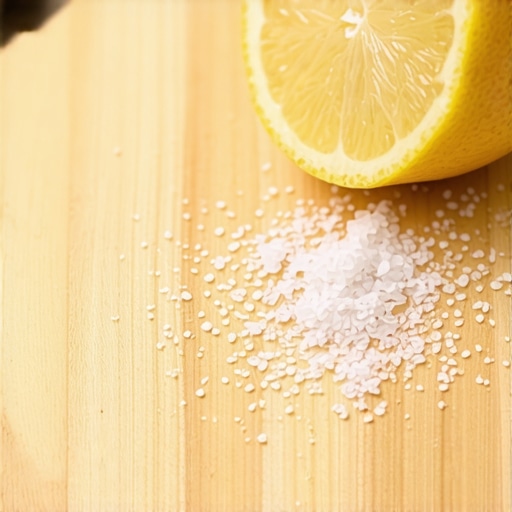
I remember the first time I sliced into a hefty red wine spill on my wooden cutting board. The stain was stubborn, and no amount of scrubbing seemed to do the trick. I was about to give up when a lightbulb moment hit me—what if the old kitchen trick of salt and lemon could come to my rescue? That moment changed everything and made me realize how many household stains are actually easily conquerable with natural remedies. Today, I want to share my personal experience and reliable methods to tackle those tough, ingrained stains on your cutting boards using the salt and lemon trick—something I wish I knew years ago.
Why stubborn stains on cutting boards matter more than you think
Let’s face it, a stained cutting board isn’t just a cosmetic issue; it can harbor bacteria and compromise your food safety. According to a study published in the Journal of Applied Microbiology, bacteria like Salmonella can thrive in the cracks and deep-set stains of improperly cleaned surfaces. This means that those stubborn marks aren’t just unsightly—they could be a health concern. That realization prompted me to look for a more effective, natural cleaning solution rather than relying solely on chemical cleaners that can be harsh or ineffective over time.
Is salt and lemon really the miracle traditionalists swear by?
Initially, I was skeptical. I’d seen countless DIY cleaning tips, but I wasn’t about to ruin my precious cutting board with some dubious concoction. My early mistake was applying abrasive scrubbing without understanding how gentle acids like lemon juice, combined with the abrasive power of salt, could lift stains without damaging the wood. Over time, I learned that this simple pairing not only tackled stubborn stains but also sanitized the surface—a win-win.
If you’ve ever felt frustrated trying to clean a heavily stained cutting board, you’re not alone. It’s a common household dilemma, but the good news is that natural solutions like the salt and lemon trick work wonders without the need for harsh chemicals. Now, let’s get into exactly how to do it, so your board can regain its former glory.
How to use salt and lemon to restore your cutting board
Ready for the step-by-step method? It’s surprisingly straightforward—and eco-friendly too. Check out this effective house cleaning secret that is often overlooked but incredibly effective for this purpose. Stay tuned, because I’ll walk you through every detail so you can say goodbye to stains once and for all.
Gather your fresh lemons, coarse sea salt, and a scrub pad or old toothbrush. Slice the lemon in half or into wedges, depending on size. Prepare a small bowl of salt for easy access. This setup ensures you’re ready to tackle the stain efficiently. An experience I had was making a mess in my kitchen while trying to clean a deeply stained wooden board—luckily, I had everything on hand and managed to restore it without harsh chemicals.
Squeeze the lemon directly onto the stained area, enough to cover the stain completely. Sprinkle a generous amount of coarse salt over the lemon juice. Using the lemon half as a scrubber, press it onto the salt, and gently scrub in circular motions. The acidity of the lemon breaks down the stain, while the salt acts as a gentle abrasive to lift it out. I recall struggling with a stubborn beet stain on my board; after just a few minutes of scrubbing, the stain was noticeably lighter.
For ingrained stains, let the salt and lemon sit for 5-10 minutes. This allows the acids to penetrate the wood fibers deeply. Lightly sprinkle additional salt if needed. During my attempt, I kept the lemon pressed onto the stain for the full duration, which made a significant difference. Patience here ensures better results.
After scrubbing, wipe the area with a damp cloth or sponge, removing all salt and lemon residue. Rinse with clean water, then dry thoroughly with a towel. Proper drying prevents wood from swelling or warping. I made the mistake of leaving it damp once, which prolonged the drying process and risked damage. Make sure the board is completely dry before use or storage.
To further sanitize, you can wipe the surface with a mixture of vinegar and water or a specialized sanitizer. Regularly applying this method not only keeps your cutting board free of stains but also ensures food safety. For a comprehensive approach, consider integrating these techniques into your regular cleaning routine as outlined in effective house cleaning secrets from cleaning experts. Consistent maintenance prevents hard stains from setting in and prolongs the life of your board.
Remember, natural remedies like salt and lemon are powerful when used correctly. They work synergistically—lemon’s acidity dissolves stains, while salt’s abrasiveness lifts residues—making them ideal for preserving your utensils without harsh chemicals.
While many believe that simply wiping surfaces with disinfectant is enough to ensure a truly clean home, this myth can lead to overlooked issues that compromise both cleanliness and health. In my experience as a cleaning expert, one common misconception is that all cleaning products are equally effective on every fabric or surface. However, using the wrong type of sanitizer or cleaner can damage delicate upholstery or fail to eliminate deep-seated germs, making your efforts less effective. A prime example is relying solely on standard disinfectants without understanding the importance of surfactants, which break down oils and grime more efficiently—an insight supported by recent studies from the Journal of Environmental Health.
Many homeowners also underestimate the complexity involved in move-out cleaning. It’s not just about surface wiping; detailed attention to hidden spots, like behind appliances or inside vents, can make the difference between getting your full deposit back or losing it. For instance, neglecting to clean hidden mold in forgotten corners can lead to deposit deductions and long-term health issues. An advanced mistake many make is assuming that high-temperature steam cleaning is a one-size-fits-all solution. In reality, certain fabrics or materials, such as microfiber or antique upholstery, can be damaged by heat if not properly tested beforehand.
A common trap in sanitizing involves overlooking the importance of contact time—the period during which a disinfectant must remain wet on a surface to be effective. Skipping this step allows bacteria and viruses to survive, giving a false sense of security. For example, sanitizing a bathroom handle with a quick spray without waiting the recommended minutes renders the effort ineffective, as emphasized by experts in sanitizing techniques.
From a practical standpoint, applying superficial cleaning techniques without understanding the material’s properties is a mistake I see often. For example, using abrasive scrubbers on upholstery designed for gentle cleaning can cause irreversible damage, leading to increased costs and effort to restore the furniture. It’s crucial to understand the difference between cleaning and sanitizing, and to select products and methods appropriate for each specific task. In fact, integrating proper cleaning protocols and advanced techniques is key to achieving a truly hygienic environment. For more insights on effective house cleaning strategies, check out expert tips.
Now, I challenge you—have you ever fallen into this trap? Let me know in the comments how you’ve navigated these pitfalls or what surprises you’ve encountered in your cleaning routines. Remember, understanding these nuances helps you do more than just clean; it ensures your environment is safe, healthy, and truly sanitized.
Keep It Running: Essential Tools I Trust
Maintaining a pristine home requires more than just occasional cleaning—it demands reliable equipment that stands the test of time. I personally swear by the Mueller Steam Cleaner for quick sanitizing, thanks to its durable steel boiler and adjustable settings that adapt to various surfaces. Its versatility allows me to deep-clean upholstery, tile, and even kitchen appliances without resorting to harsh chemicals. When it comes to dusting delicate electronics or intricate fixtures, I rely on the Eureka Featherlite Duster. Its antistatic properties prevent buildup and ensure a thorough clean without scattering dust everywhere.
Investing in quality tools not only enhances cleaning efficiency but also extends the lifespan of your home surfaces. For example, a well-maintained steam cleaner, like the one I recommend, can last for years if cleaned regularly and stored properly. Remember, the right tools make all the difference in keeping your home consistently clean and sanitized, especially during regular routines outlined in daily cleaning practices.
Best Practices to Ensure Longevity and Effectiveness
Routine maintenance of your cleaning equipment is vital. After each use, I clean my steam cleaner’s parts with vinegar to prevent mineral buildup, following expert advice from effective sanitizing techniques. Regularly replacing filter elements and brushes keeps devices functioning optimally, saving you money and preventing breakdowns. Additionally, store tools in a dry, temperature-controlled space to avoid rust and material degradation.
How do I maintain my cleaning tools over time?
Develop a routine of inspecting, cleaning, and replacing your tools as needed. For textiles like microfiber cloths, wash and air-dry thoroughly to remove trapped debris, which maintains their absorbency. For power tools, check cords and connections monthly—address issues early to prevent failures. This proactive approach ensures your investment lasts longer and performs better, making your long-term home maintenance more manageable.
Technological advancements hint at smarter cleaning devices—smart vacuums with self-cleaning brushes or app-controlled steam cleaners. Keeping abreast of these innovations can revolutionize your routine over the next few years. Exploring cutting-edge house cleaning strategies will keep you ahead of the curve, ensuring your environment remains spotless without extra effort.
Scaling Up Your Maintenance Efforts
As you become more confident, consider investing in multifunctional systems that streamline your process. For instance, a high-capacity steam mop paired with a microfiber attachment can handle floors, tiles, and upholstery, consolidating your tools into one efficient setup. Scheduled maintenance, such as monthly deep-cleanings of your appliances and vents—like with the hidden behind-the-scenes spaces—prevents long-term issues and preserves air quality.
Embracing these tools and practices ensures your home stays hygienic today and in the future. Remember, diligent maintenance not only protects your surfaces but also saves you time and expense down the line. For a detailed approach to move-out cleaning and maintaining your property’s value, check out move-out cleaning essentials.
Start integrating these recommended tools and habits now—taking that extra step in maintenance can make a world of difference. For instance, regularly inspecting your vacuum’s filters, as suggested in vacuum care tips, keeps allergens at bay and maintains indoor air quality. Give one of these expert-backed tips a try today, and experience the long-term benefits firsthand! 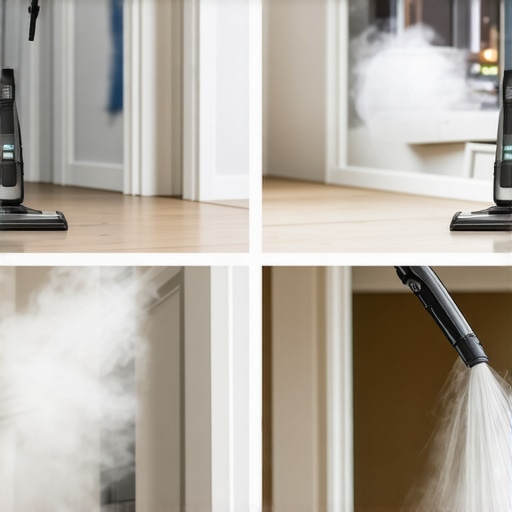

The Hidden Lessons Behind Deep Cleaning Success
- One of my biggest surprises was realizing that many stubborn stains aren’t just surface issues—they seep into fibers and cracks, demanding patience and the right approach. The salt and lemon trick taught me that natural remedies can sometimes outperform conventional cleaners, especially when used with understanding.
- Another insight I gained is the importance of routine maintenance over sporadic efforts. Regularly following simple steps, like wiping down high-touch areas with gentle solutions, builds a protective barrier against bacteria and grime—a lesson often overlooked in busy households.
- Lastly, I learned that investing in quality tools, such as a reputable steam cleaner, can make a world of difference. It’s not just about cleaning more; it’s about cleaning smarter and preserving your home’s surfaces for years to come.
My Must-Have Resources for Upholstery and House Hygiene
- Effective house cleaning secrets from cleaning experts — A comprehensive guide that elevates your routine with professional insights and proven techniques.
- Sanitizing hacks for safe house transitions — Essential tips for keeping every step of your move-out or move-in process hygienic and stress-free.
- Ultimate upholstery care guide — Strategies specifically tailored to protect and refresh your fabric furniture, extending its lifespan and appearance.
- Effective sanitizing methods for a germ-free home — Tried-and-true methods that ensure your living space is genuinely clean and safe for everyone.
Your Next Step Toward a Healthier Home
Taking charge of your household cleaning with confidence can transform your environment into a sanctuary of safety and comfort. Remember, the key lies in understanding your surfaces, choosing the right tools, and applying natural remedies like salt and lemon effectively. Every effort counts, and with the insights shared here, you’re well on your way to mastering hygienic living.
What’s the most stubborn stain or cleaning challenge you’ve faced recently? Share your experiences below—I’d love to hear what’s worked (or not worked) for you, and we can learn from each other’s journeys toward a healthier home.