
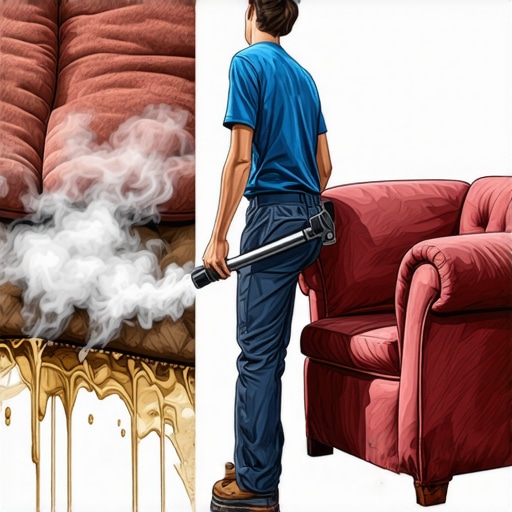
I remember the moment vividly—my nephew was over, bouncing on the living room couch, and I watched as a dark, stubborn stain suddenly appeared. Thinking I was about to impress everyone with my quick fix, I grabbed the steam cleaner and went to town. But instead of banishing the stain, I only made it worse. The fabric seemed slightly worse off, and I felt that sinking disappointment—I’ve been in your shoes. If you’ve ever relied solely on steam cleaning for your upholstery and ended up perplexed or frustrated, you’re not alone. Today, I want to share the real story behind steam cleaning and why it might not be the magic fix everyone claims.
Unveiling the Myth: Is Steam Cleaning Actually the Best for All Fabrics?
Many people, including myself early on, assume that steam cleaning is the ultimate solution for every fabric type—easy, fast, and supposedly effective at sanitizing. But the truth is, not all upholstery fabrics respond well to this method. In fact, some materials can suffer from damage or prolonged staining after steam application. It took me quite a few mishaps to realize that what works wonders on hard surfaces or carpets might be a disaster on delicate fabrics. The key is understanding your upholstery and choosing the right cleaning approach. According to professional cleaners, improper use of steam cleaners can lead to mold formation if fabrics aren’t dried properly, as highlighted in recent industry insights. That realization was a lightbulb moment for me, prompting a shift towards more tailored cleaning strategies.
Do you find yourself questioning whether steam cleaning is the right move for your fabric? Or maybe you’ve had a similar experience where your upholstery didn’t turn out as expected? If so, keep reading—I’m about to guide you through safer, more effective methods that will leave your furniture fresh and undamaged, without the guesswork.
Choose the Right Cleaning Tools and Techniques
Start by selecting appropriate cleaning equipment; for upholstery, a handheld upholstery cleaner or a steam cleaner with adjustable settings is better suited than generic steam mops. I recall a time when I used my old steam mop on a delicate fabric sofa, resulting in water rings and fabric stiffness. To avoid this, always check the fabric type and test a small hidden area with minimal moisture first. When using steam, set the temperature to low to prevent damage, and keep the nozzle at a safe distance—about 6 inches from the fabric—to avoid over-saturating the fibers. For extra safety, consider using a fabric-safe cleaning solution recommended by the manufacturer. This way, you minimize the risk of over-wetting or harming delicate fibers.
Identify and Pre-treat Stains Effectively
Before cleaning, examine your upholstery for stains or spots. For example, I once pre-treated a wine stain on my velvet armchair by blotting with a mixture of cold water and a few drops of mild detergent—a simple step that prevented the stain from setting. Use a gentle blotting technique, working from the outside of the stain inward to contain it. If dealing with stubborn stains, apply a fabric-appropriate stain remover, following the product’s instructions carefully. Remember, aggressive scrubbing or excessive chemical use can damage fabrics and reduce longevity. When in doubt, consult professional guidelines or the manufacturer’s care tags to choose the safest approach.
Sanitize with Proper Techniques
Sanitizing upholstery is crucial for eliminating germs, allergens, and pet dander. Avoid relying solely on spray disinfectants that may not reach deep into fibers or may leave residues. Instead, use a steam cleaner at a safe distance to kill bacteria and dust mites—think of steam as an invisible force reaching into every fiber, much like deep breathing helps clear your lungs. For a natural alternative, you can mix distilled water with a few drops of tea tree oil, which has antimicrobial properties, and lightly mist the fabric—just ensure the fabric type can handle it. Remember, thorough drying afterward is essential; otherwise, moisture can lead to mold growth, especially in humid environments. For comprehensive sanitizing strategies, check out [effective sanitizing methods for a germ-free home](https://spotlesscarpetz.com/effective-sanitizing-methods-for-a-germ-free-home).
Dry and Maintain Your Upholstery Carefully
Post-cleaning, proper drying prevents mold and lingering odors. Use fans or open windows to facilitate airflow, or utilize a dehumidifier if available. I once cleaned my sofa in the evening, left the windows open overnight, and woke up to a fresh, dry surface—no musty smell. Avoid sitting or placing objects on the upholstery until fully dry. Regular maintenance, like vacuuming weekly with a HEPA filter attachment, extends the cleanliness and freshness of your furniture. Establishing a routine for quick spot cleans and scheduled deep cleans can significantly improve lifespan and hygiene. For detailed move-out and deep cleaning checklists, visit [move-out clean checklist](https://spotlesscarpetz.com/move-out-clean-checklist-to-simplify-your-transition).
Many people assume that following basic cleaning steps guarantees a spotless home or perfect move-out result, but the truth is more nuanced. For instance, a prevalent misconception is that using harsh chemical disinfectants on upholstery is always necessary for effective sanitization. However, expert studies show that natural methods, like steam with proper technique, can achieve similar or better results without damaging fabrics or leaving harmful residues. A key mistake I see often is over-saturating furniture with cleaning solutions, which can lead to mold growth—something I personally experienced and learned the hard way.
What advanced steps can ensure thorough sanitization without risking damage or ineffectiveness?
Implementing deep cleaning protocols that recognize fabric types and considering environmental factors, such as humidity, is crucial. According to industry experts, combining proper pre-treatment with targeted sanitization methods—like using a steam cleaner at controlled temperatures—enhances safety and effectiveness. For detailed strategies, check out [effective sanitizing methods for a germ-free home](https://spotlesscarpetz.com/effective-sanitizing-methods-for-a-germ-free-home). Remember, rushing through your move-out cleaning or upholstery refresh can leave hidden residues or bacteria behind, potentially costing you your security deposit or health. Always consider professional advice and make tailored choices; for personalized guidance, [contact us](https://spotlesscarpetz.com/contact-us). Embrace these advanced nuances to elevate your cleaning game and truly understand the complexities involved—your home deserves the best, not just the easiest.Maintaining your cleaning tools and routines is crucial for achieving ongoing hygiene and preserving your investment in equipment. Personally, I rely on high-quality tools that deliver consistent results, such as the **Mytee 8070 Super Max Commercial Porter** for upholstery and deep cleaning. Its powerful suction and adjustable heat settings allow me to customize the cleaning process, preventing fabric damage while effectively sanitizing. I also recommend the **Bissell SpotClean Pro** for quick spot treatments—compact yet potent, making it perfect for both routine and emergency cleaning. Regular maintenance of these devices, like descaling the water boiler and cleaning filters, ensures optimal performance and longevity. A simple trick is adding white vinegar to your descaling routine, which helps remove mineral buildup without harming the machine, as detailed in industry expert guidelines. Prediction-wise, I believe automation will play a larger role—think smart vacuum systems that alert you when maintenance is needed between scheduled cleanings.
How Do I Maintain My Cleaning Equipment Over Time?
Regularly inspecting and servicing your tools is key. For handheld units, check for wear on brushes and seals, and replace parts as necessary. Always clean attachments thoroughly after each use to prevent mold or bacterial growth, especially in humid environments. Keep your vacuum filters clean; replacing HEPA filters every six months keeps suction strong and air quality high. For upholstery-specific tools, occasional re-calibration ensures even pressure distribution and prevents fiber damage. Incorporating routine maintenance into your schedule not only prolongs equipment life but also guarantees consistent cleaning quality, aligning with expert advice found in detailed cleaning strategies. For comprehensive guidelines on optimal upkeep, visit [effective house cleaning secrets from cleaning experts](https://spotlesscarpetz.com/effective-house-cleaning-secrets-from-cleaning-experts). Remember, a well-maintained tool performs better, saves you money, and results in cleaner, healthier spaces. To start, try scheduling a bi-weekly check-up of your equipment and see the difference it makes in your long-term cleaning results. Proper care is the foundation of effective sanitization and efficient moving out — don’t overlook it!
Lessons Hidden in My Cleaning Journey
One of the most profound lessons I learned was that not all fabrics thrive under the same cleaning methods. Trying to steam clean a delicate velvet sofa, for instance, taught me that patience and fabric awareness are crucial. I realized that rushing to sanitize or remove stains without proper pre-treatment can sometimes set problems rather than solve them, leading to worse stains or damaged fibers. Additionally, understanding the importance of thorough drying post-cleaning became a game-changer, helping me prevent mold and lingering odors. These experiences emphasized that effective upholstery care requires a tailored approach, not a one-size-fits-all mindset. Lastly, the art of pre-treating stains gently but effectively revealed how simple steps can significantly extend the life of your furniture, saving you money and stress over time.
Tools and Resources That Transformed My Approach
Over the years, I discovered that investing in quality tools like the ultimate upholstery cleaner made a noticeable difference. Its adjustable settings and gentle yet powerful extraction allowed me to customize each clean, ensuring fabrics weren’t over-wet or damaged. I also rely heavily on professional cleaning tips from industry experts that emphasize fabric-specific techniques and safe cleaning solutions. For quick reference, guides like the move-out cleaning strategies help me stay on track during big cleaning efforts. Lastly, online tutorials and community forums have provided invaluable real-world advice, making me more confident in tackling challenging upholstery issues.
Your Next Step Toward Freshness and Confidence
Remember, mastering upholstery care is an ongoing journey that combines knowledge, the right tools, and patience. Embrace the learning process and start applying these insights—your furniture and your peace of mind are worth it. Whether you’re preparing for a move, deep cleaning after a party, or just maintaining your home’s freshness, taking intentional steps can make a visible difference. Don’t hesitate to seek professional guidance or explore new techniques; every effort you make brings you closer to a healthier, more inviting home. Want to share your own upholstery challenges or successes? Drop a comment below and let’s learn together!