
There was a moment once when I stood in my bathroom, staring at the grimy, greenish mold creeping into the grout lines. I’d tried scrubbing with every cleaner I could find—vinegar, baking soda, even those fancy commercial products. Still, that stubborn mold refused to go away. It was disappointing, and frankly, a little embarrassing, especially since I pride myself on maintaining a fresh, clean home. That lightbulb moment hit me hard: I didn’t need to rely on harsh bleach or toxic chemicals to tackle grout mold effectively.
Why I Switched to gentler solutions for grout mold
Understanding that my cleaning routine could be both effective and eco-friendly changed everything. I realized that many commercial cleaners contain aggressive chemicals that can irritate your skin, harm your pets, and damage the environment. Plus, there’s a growing body of evidence suggesting that exposure to bleach and other strong disinfectants isn’t as safe as we’ve been led to believe. In fact, the CDC warns about the hazards of inhaling fumes from harsh cleansers. So, I set out to find alternatives that were safer but still powerful enough to keep my grout mold at bay.
Is natural cleaning enough to eliminate mold? My biggest fear
Early on, I made the mistake of thinking natural equals weaker. I feared that tried-and-true store-bought bleach would be my only shot at truly eliminating mold. But I learned that rushing into harsh scrubbing without understanding the right approach could backfire, making the problem worse or damaging the grout over time. My advice? Don’t get distracted by the myth that only chemical-based cleaners work—there are gentle yet effective options that can do the job without risking your health or the integrity of your tiles. Curious how I did it? Keep reading, and I’ll walk you through my personal routine that’s safe, simple, and surprisingly effective for removing grout mold without resorting to harsh chemicals.
Prepping Your Space for a Thorough Clean
Start by removing clutter from surfaces and floors to give yourself clear access. For move-out cleaning, check the move-out cleaning checklist to ensure no spot is overlooked. Wear gloves and ventilation masks if you’re sensitive to dust or cleaning scents. Remember, a tidy space leads to more effective cleaning.
Deep Cleaning Surfaces with Natural Agents
White Vinegar and Baking Soda Combo
Mix equal parts white vinegar and water in a spray bottle for disinfecting multiple surfaces. Apply directly and scrub with a microfiber cloth, which is better at trapping dirt than cotton. For stubborn stains on countertops or tiles, sprinkle baking soda and spray vinegar over the area, letting it fizz for a few minutes. Use a brush to agitate the grime, then wipe clean. This method is perfect for kitchen counters and bathroom tiles, especially to combat mold or soap scum.
Essential Oils for Natural Disinfecting
Add a few drops of tea tree or eucalyptus oil—known for their antimicrobial properties—into your vinegar solution. This not only enhances cleaning power but also leaves a fresh scent. Be cautious with quantity to avoid overpowering smells or irritating sensitive noses.
Sanitizing Upholstery Without Damage
Vacuum your sofa thoroughly to remove dust and pet hair. For fabric upholstery, create a mixture of mild dish soap and warm water, and test on a hidden corner for colorfastness. Use a soft sponge or microfiber cloth—these are less abrasive—to gently clean the fabric. For stubborn stains, consult the upholstery cleaning tips. Once cleaned, spray with a natural fabric sanitizer that contains tea tree oil or other safe antimicrobials, and let it air dry.
Handling Grout Mold Effectively
Apply a paste made from baking soda and water directly onto moldy grout lines. Let it sit for 10 minutes to lift out the spores. Scrub with a grout brush or an old toothbrush—you don’t need to press hard, just enough to dislodge the mold. Rinse with warm water. For persistent mold, repeat the process or combine it with a homemade hydrogen peroxide spray. Avoid bleach; it may worsen the problem over time, especially in porous grout. Using natural solutions ensures your tiles stay intact and free of chemical residues.
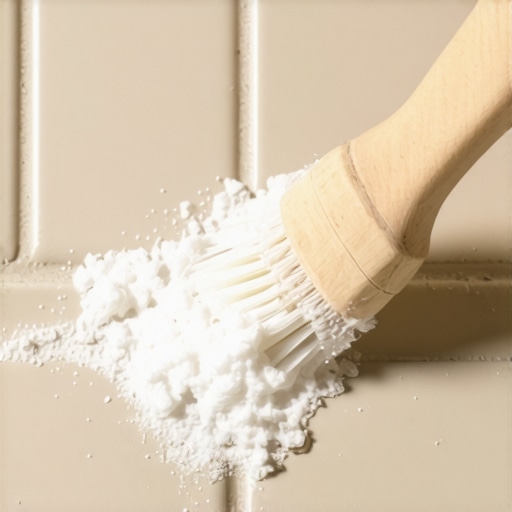
Imagine a close-up of a grout line being scrubbed with a small brush, foam of baking soda paste visible, capturing the essence of mold removal techniques.
Many people believe that a quick sweep and wipe will suffice for comprehensive move-out cleaning, but seasoned professionals understand there are subtle intricacies that can make or break your deposit. For instance, the misconception that using only eco-friendly products guarantees a spotless result is misleading—certain tough stains or deep grime may require specialized approaches, as detailed in our guide on effective house cleaning secrets from experts. Moreover, many overlook the importance of sanitizing high-touch areas like doorknobs and light switches with proper techniques, which, if neglected, can lead to bacterial transfer even after visible cleaning. A common trap is relying solely on surface cleaning without considering porous materials; for example, grout and carpets often harbor hidden mold or allergens that require targeted treatments, emphasizing the value of thorough sanitizing methods discussed in our sanitizing hacks for safe house transitions.
A question I often get from advanced readers is: “How can I ensure I’m truly disinfecting porous surfaces without using bleach or harsh chemicals?” The answer lies in understanding the power of natural disinfectants like tea tree oil combined with effective application techniques. A recent study in the Journal of Environmental Health highlights that properly diluted essential oils can significantly reduce microbial presence on various surfaces when used correctly—it’s all about understanding the correct concentration and contact time.
As you venture into your next move-out clean, remember: skipping steps or underestimating the importance of detailed sanitization can jeopardize your security deposit. Visit our comprehensive house cleaning strategies page for expert tips, and don’t forget to check out effective sanitizing methods for a germ-free home to elevate your routine. Have you ever fallen into this trap? Let me know in the comments.
Staying on top of household cleanliness, especially after a move-out cleaning or deep sanitation, requires the right tools and a disciplined routine. I recommend investing in a high-quality microfiber mop, which I personally use because it traps dust and minimizes streaks, making regular cleaning faster and more effective. Pair this with a steam cleaner like the Bissell PowerFresh, which effectively sanitizes surfaces without chemicals, aligning with the eco-friendly approach I advocate. Using a cordless, handheld vacuum such as the Dyson V7 Trigger allows quick clean-ups of upholstery or tight spaces, ensuring your furniture remains fresh and allergen-free over time.
Keep It Working: The Long Game
Maintenance isn’t a one-time effort; it’s about creating a sustainable routine. For weekly tasks, I rely on a combination of natural disinfecting solutions—like my signature tea tree oil spray—and the right equipment to tackle high-touch areas. Every few months, I conduct a more thorough deep clean, including using a grout brush for tiles or upholstery-specific treatments from our upholstery care guide. Staying consistent with these methods prevents the buildup of grime and mold, which can compromise the environment and health of your home.
How do I maintain cleanliness over time?
Monitoring your tools and refining your routine ensures long-term success. Replace microfiber cloths regularly to avoid cross-contamination, and schedule quarterly deep cleans for carpets and upholstery using specialized equipment or professional services. Keeping a supply of natural cleaning agents on hand means you can quickly respond to spills or dust without delays. As trends evolve, I believe that automation and smart home devices—like robotic vacuums integrated with schedules—will become essential for maintaining a pristine environment with minimal effort. To get started on improved maintenance, try incorporating a weekly upholstery refresher with safe, natural fabric sanitizers. Regular upkeep not only preserves your home’s freshness but also extends the lifespan of your furnishings and surfaces, ultimately saving you time and money.
What My Deepest Cleaning Triumph Taught Me About Trusting Natural Methods
One of the most profound lessons I learned was that patience and persistence with natural cleaning solutions outperform hurried, chemical-heavy approaches. Waiting a little longer with baking soda and vinegar, for instance, often yields better results than aggressive scrubbing with harsh chemicals. This taught me to trust the process and my intuition, recognizing that natural remedies unlock their full power over time instead of rushing in with dubious shortcuts.
Why My Favorite Tools Made All the Difference in Maintaining Cleanliness
Investing in quality equipment like a microfiber mop or a steam cleaner transformed my routine from a chore to a source of pride. These tools not only enhance effectiveness but also make the work faster and more satisfying. They remind me that proper tools are an extension of care—simplifying tasks and yielding better, long-lasting results in house cleanliness.
The Power of Consistency Over Gritting My Teeth
Adopting a regular routine, instead of sporadic deep cleans, prevents grime and mold from taking hold. It’s like exercising regularly—small daily efforts accumulate into a healthier, more vibrant home. This approach has been instrumental in reducing stress, avoiding overwhelming cleaning marathons, and guaranteeing that my environment remains welcoming and safe.
Acts of Care That Protect My Home Well Into the Future
Simple habits like wiping high-touch surfaces with natural disinfectants, ventilating spaces, and replacing cleaning cloths often have compound effects. They act as shields against bacteria and mold buildup. These acts of care are investments—each small step adds to a resilient, hygienic sanctuary that I’m proud to call home.