
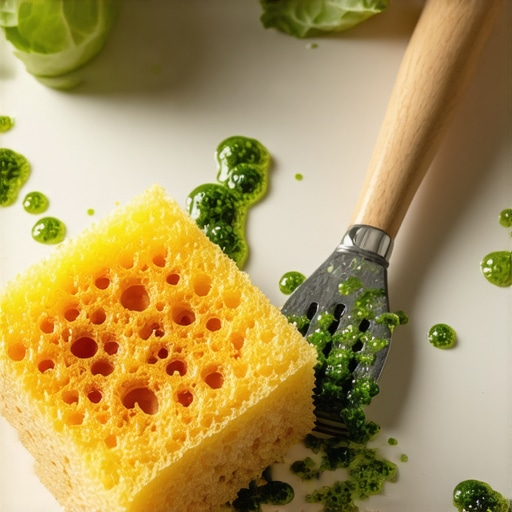
Let me start with a quick, personal story. A few months ago, I was cleaning out my kitchen after a busy week, reaching for my trusty sponge, only to realize it was housing more bacteria than I was comfortable with. The slimy, smell-inducing layer had become a breeding ground, and I wondered—how many times had I unknowingly spread germs just by scrubbing my dishes? That lightbulb moment made me question everything about my cleaning habits, especially the use of traditional sponges.
The Hidden Dangers of Kitchen Sponges
Sponges are a staple in most kitchens. They’re cheap, convenient, and seem harmless. But here’s the truth: they are notorious for harboring bacteria and mold, which can actually make your kitchen less hygienic. Studies show that sponges can contain over 10 million bacteria per square inch—more than your toilet seat, and we all clean that! Think about the last time you properly disinfected your sponge; chances are, it’s been a while. When I made that mistake early on—forgetting to sanitize my sponge regularly—I ended up spreading germs instead of eliminating them. This mistake is common, but it’s an easy fix once you’re aware.
Has the Hype About Microfiber Cloths Gone Too Far?
Part of my journey to better cleaning involved switching to microfiber cloths, but I admit, I was skeptical at first. Would they really be effective? Would I end up replacing them more often than sponges? Well, after trying different methods—like dampening and washing them regularly—I realized they outperform sponges by a mile. They trap dirt and bacteria without giving them a cozy spot to thrive, unlike those grimy sponges. Want to learn more about effective, safe cleaning tools? Check out our professional cleaning secrets.
So, what’s next? Today, I’m sharing practical, proven strategies to ditch the sponge and elevate your kitchen hygiene. Let’s uncover the best ways to clean smarter, not harder, and keep that bacteria at bay. Ready to make the change? Keep reading—the solutions are simpler than you think.
Start with a Clear Plan for Deep Cleaning
Before diving into cleaning, set a detailed plan outlining which areas need the most attention. I once tackled a messy bathroom after a DIY renovation, laying out a step-by-step approach that prioritized disinfecting high-touch surfaces. This strategy kept me focused and efficient. Make sure to gather all necessary supplies: disinfectants, microfiber cloths, scrub brushes, and gloves. For a thorough approach, refer to our ultimate upholstery care guide.
Target High-Touch Surfaces
Identify and Focus on Critical Areas
Think of your home as a fortress—certain spots act as gates for germs. Door handles, light switches, remote controls, and sink faucets must be disinfected frequently. I remember wiping down all these during a move-in cleaning, which eliminated lingering germs from previous tenants. Use an effective sanitizer, like a 70% alcohol-based spray, and let it sit for a few moments to ensure efficacy. Avoid just wiping surfaces passively; give the sanitizer time to work. Want tips on choosing the right products? Visit our professional cleaning secrets.
Sanitize Soft and Upholstered Items
Upholstered furniture can be a hidden harbor for bacteria. I once cleaned a client’s sofa that smelled sour—I applied a mixture of mild soap and sanitizer, following the method in our upholstery cleaning tips. Lightly dampen a microfiber cloth with this solution and gently wipe fabric surfaces. For stubborn stains or odors, consider a specialized fabric sanitizer. Using the right approach guarantees your sofa becomes both fresh and germ-free.
#IMAGE_PLACEHOLDER_B#
Deep Clean Floors and Hidden Spots
Floors are often overlooked in sanitation routines, yet they accumulate germs and dirt. I recall mopping my kitchen floor after a family dinner—using a disinfectant mop solution and paying special attention to corners and under appliances. Don’t forget the less visible areas like under the fridge or behind the toilet. Use a vacuum with a HEPA filter before mopping to remove dust and debris, then follow with a disinfectant floor wash. For best results, check out our house cleaning strategies for a sparkling home.”}]}#}#}#}#}#}#}#}#}#}#}#}#}#}#}#}#}#}#}#}#}#}#}#}#}#}#}#}#}#}#}#}#}#}#}#}#}#}#}#}#}#}#}#}#}#}#}#}#}#}#}#}#}#}#}#}#}#}#}#}#}#}#}#}#}#}#}#}#}#}#}#}#}#}#}#}#}#}#}#}#}#}#}#}#}#}#}#}#}#}#}#}#}#}#}#}#}#}#}#}#}#}#}#}#}#}#}#}#}#}#}#}#}#}#}#}#}#}#}#}#}#}#}#}#}#}#}#}#}#}#}#}#}#}#}#}#}#}#}#}#}#}#}#}#}#}#}#}#}#}#}#}#}#}#}#}#}#}#}#}#}#}#}#}#}#}#}#}#}#}#}#}#}#}#}#}#}#}#}#}#}#}#}#}#}#}#}#}#}#}#}#}#}#}#}#}#}#}#}#}#}#}#}#}#}#}#}#}#}#}#}#}#}#}#}#}#}#}#}#}#}#}#}#}#}#}#}#}#}#}#}#}#}#}#}#}#}#}#}#}#}#}#}#}#}#}#}#}#}#}#}#}#}#}#}#}#}#}#}#}#}#}#}#}#}#}#}#}#}#}#}#}#}#}#}#}#}#}#}#}#}#}#}#}#}#}#}#}#}#}#}#}#}#}#}#}#}#}#}#}#}#}#}#}#}#}#}#}#}#}#}#}#}#}#}#}#}#}#}#}#}#}#}#}#}#}#}#}#}#}#}#}#}#}#}#}#}#}#}#}#}#}#}#}#}#}#}#}#}#}#}#}#}#}#}#}#}#}#}#}#}#}#}#}#}#}#}#}#}#}#}#}#}#}#}#}#}#}#}#}#}#}#}#}#}#}#}#}#}#}#}#}#}#}#}#}#}#}#}#}#}#}#}#}#}#}#}#}#}#}#}#}#}#}#}#}#}#}#}#}#}#}#}#}#}#}#}#}#}#}#}#}#}#}#}#}#}#}#}#}#}#}#}#}#}#}#}#}#}#}#}#}#}#}#}#}#}#}#}#}#}#}#}#}#}#}#}#}#}#}#}#}#}#}#}#}#}#}#}#}#}#}#}#}#}#}#}#}#}#}#}#}#}#}#}#}#}#}#}#}#}#}#}#}#}#}#}#}#}#}#}#}#}#}#}#}#}#}#}#}#}#}#}#}#}#}#}#}#}#}#}#}#}#}#}#}#}#}#}#}#}#}#}#}#}#}#}#}#}#}#}#}#}#}#}#}#}#}#}#}#}#}#}#}#}#}#}#}#}#}#}#}#}#}#}#}#}#}#}#}#}#}#}#}#}#}#}#}#}#}#}#}#}#}#}#}#}#}#}#}#}#}#}#}#}#}#}#}#}#}#}#}#}#}#}#}#}#}#}#}#}#}#}#}#}#}#}#}#}#}#}#}#}#}#}#}#}#}#}#}#}#}#}#}#}#}#}#}#}#}#}#}#}#}#}#}#}#}#}#}#}#}#}#}#}#}#}#}#}#}#}#}#}#}#}#}#}#}#}#}#}#}#}#}#}#}#}#}#}#}#}#}#}#}#}#}#}#}#}#}#}#}#}#}#}#}#}#}#}#}#}#}#}#}#}#}#}#}#}#}#}#}#}#}#}#}#}#}#}#}#}#}#}#}#}#}#}#}#}#}#}#}#}#}#}#}#}#}#}#}#}#}#}#}#}#}#}#}#}#}#}#}#}#}#}#}#}#}#}#}#}#}#}#}#}#}#}#}#}#}#}#}#}#}#}#}#}#}#}#}#}#}#}#}#}#}#}#}#}#}#}#}#}#}#}#}#}#}#}#}#}#}#}#}#}#}#}#}#}#}#}#}#}#}#}#}#}#}#}#}#}#}#}#}#}#}#}#}#}#}#}#}#}#}#}#}#}#}#}#}#}#}#}#}#}#}#}#}#}#}#}#}#}#}#}#}#}#}#}#}#}#}#}#}#}#}#}#}#}#}#}#}#}#}#}#}#}#}#}#}#}#}#}#}#}#}#}#}#}#}#}#}#}#}#}#}#}#}#}#}#}#}#}#}#}#}#}#}#}#}#}#}#}#}#}#}#}#}#}#}#}#}#}#}#}#}#}#}#}#}#}#}#}#}#}#}#}#}#}#}#}#}#}#}#}#}#}#}#}#}#}#}#}#}#}#}#}#}#}#}#}#}#}#}#}#}#}#}#}#}#}#}#}#}#}#}#}#}#}#}#}#}#}#}#}#}#}#}#}#}#}#}#}#}#}#}#}#}#}#}#}#}#}#}#}#}#}#}#}#}#}#}#}#}#}#}#}#}#}#}#}#}#}#}#}#}#}#}#}#}#}#}#}#}#}#}#}#}#}#}#}#}#}#}#}#}#}#}#}#}#}#}#}#}#}#}#}#}#}#}#}#}#}#}#}#}#}#}#}#}#}#}#}#}#}#}#}#}#}#}#}#}#}#}#}#}#}#}#}#}#}#}#}#}#}#}#}#}#}#}#}#}#}#}#}#}#}#}#}#}#}#}#}#}#}#}#}#}#}#}#}#}#}#}#}#}#}#}#}#}#}#}#}#}#}#}#}#}#}#}#}#}#}#}#}#}#}#}#}#}#}#}#}#}#}#}#}#}#}#}#}#}#}#}#}#}#}#}#}#}#}#}#}#}#}#}#}#}#}#}#}#}#}#}#}#}#}#}#}#}#}#}#}#}#}#}#}#}#}#}#}#}#}#}#}#}#}#}#}#}#}#}#}#}#}#}#}#}#}#}#}#}#}#}#}#}#}#}#}#}#}#}#}#}#}#}#}#}#}#}#}#}#}#}#}#}#}#}#}#}#}#}#}#}#}#}#}#}#}#}#}#}#}#}#}#}#}#}#}#}#}#}#}#}#}#}#}#}#}#}#}#}#}#}#}#}#}#}#}#}#}#}#}#}#}#}#}#}#}#}#}#}#}#}#}#}#}#}#}#}#}#}#}#}#}#}#}#}#}#}#}#}#}#}#}#}#}#}#}#}#}#}#}#}#}#}#}#}#}#}#}#}#}#}#}#}#}#}#}#}#}#}#}#}#}#}#}#}#}#}#}#}#}#}#}#}#}#}#}#}#}#}#}#}#}#}#}#}#}#}#}#}#}#}#}#}#}#}#}#}#}#}#}#}#}#}#}#}#}#}#}#}#}#}#}#}#}#}#}#}#}#}#}#}#}#}#}#}#}#}#}#}#}#}#}#}#}#}#}#}#}#}#}#}#}#}#}#}#}#}#}#}#}#}#}#}#}#}#}#}#}#}#}#}#}#}#}#}#}#}#}#}#}#}#}#}#}#}#}#}#}#}#}#}#}#}#}#}#}#}#}#}#}#}#}#}#}#}#}#}#}#}#}#}#}#}#}#}#}#}#}#}#}#}#}#}#}#}#}#}#}#}#}#}#}#}#}#}#}#}#}#}#}#}#}#}#}#}#}#}#}#}#}#}#}#}#}#}#}#}#}#}#}#}#}#}#}#}#}#}#}#}#}#}#}#}#}#}#}#}#}#}#}#}#}#}#}#}#}#}#}#}#}#}#}#}#}#}#}#}#}#}#}#}#}#}#}#}#}#}#}#}#}#}
Many homeowners have misconceptions about upholstery care, house cleaning routines, and sanitizing practices that can undermine their efforts to achieve a truly spotless and healthy home. Let’s dig deeper into these nuances that often go unnoticed, and clarify some of the most common myths and pitfalls.
Myth: More Frequent Cleaning Always Means Better Hygiene
It’s a widespread belief that cleaning every surface daily guarantees a germ-free environment. However, over-cleaning can lead to surface wear and even reduce the effectiveness of natural antimicrobial properties of certain materials. For instance, harsh chemical overuse on upholstery can damage fibers, making stains and bacteria more difficult to remove long-term. A better approach is targeted, strategic cleaning—focusing on high-touch areas and using appropriate products. For detailed guidance, check out our ultimate upholstery care guide.
The Oops Factor: Ignoring Porous Surfaces
Here’s a common trap: neglecting porous materials like fabric, upholstery, or untreated wood surfaces during sanitizing routines. Many assume disinfectants are effective on all surfaces, but porous materials can harbor bacteria deep within fibers. Applying surface disinfectants without considering porosity risks incomplete sanitation. For example, as noted by cleaning experts, porous surfaces often need specialized cleaning methods, such as steam cleaning or thorough washing, to truly kill hidden bacteria. Remember, porous materials are a microbial haven if not properly treated—see our effective sanitizing methods for more info.
What Advanced Cleaning Professionals Know About Move-Out and Deep Cleaning
In my experience, a common mistake people make during move-out cleaning is focusing solely on visible grime and neglecting less obvious yet critical areas like behind appliances, inside air vents, or under cabinetry. These spots often accumulate dust and bacteria that can lead to deposit disputes or even health issues. Professional move-out strategies emphasize detailed inspection and comprehensive cleaning, ensuring every nook is addressed. If you’re aiming to maximize your deposit refund, consider comprehensive checklists such as these move-out cleaning hacks.
The Power of Correct Sanitization: Beyond Surface Cleaning
Sanitizing isn’t just wiping surfaces with disinfectant; it’s about understanding contamination at microscopic levels. Many believe that disinfectants instantly eliminate all bacteria, but their effectiveness depends on contact time, surface type, and application method. For instance, some disinfectants are less effective on textured or porous surfaces. Using EPA-registered sanitizers with appropriate dwell times and applying them with clean microfiber cloths can significantly improve results. For advanced techniques, explore our house cleaning strategies.
Remember, the devil is in the details. Rushing through cleaning or relying solely on generic advice can leave you with a false sense of cleanliness, and even worse, leftover germs. Take the time to understand material-specific cleaning, avoid common traps like overusing chemicals, and implement targeted sanitation routines. Curious how professional cleaners approach these subtleties? Reach out via our contact page.
Have you ever fallen into this trap? Let me know in the comments.
Maintaining a spotless home requires more than just knowing the right cleaning techniques—it hinges on using the right tools and implementing consistent maintenance routines. Over the years, I’ve honed a set of reliable equipment and methods that ensure my cleaning efforts stand the test of time. Here’s a deep dive into what I recommend for long-term results and how to scale your cleaning system effectively.
Invest in Quality Equipment for the Long Run
My go-to tool is a high-quality steam cleaner. Unlike standard vacuums, steam cleaners like the professional-grade steam units provide deep sanitation without chemicals. I personally rely on models that offer adjustable steam pressure and large water tanks, allowing me to tackle everything from upholstery to tiles without constant refilling. Regular maintenance, such as descaling and replacing filters, keeps these devices functioning optimally, extending their lifespan and ensuring consistent performance.
For surface cleaning, microfiber cloths and mops are non-negotiable. I prefer those with split fibers, which trap dirt more effectively. Remember, cheap microfiber often loses its electrostatic charge quickly, reducing its cleaning power—quality is worth the investment. Wash these cloths separately and avoid fabric softeners, which can diminish their static properties and cleaning efficiency.
Leverage Software for Scheduling and Tracking
Staying consistent is crucial, and a digital calendar or specialized cleaning app can make a significant difference. I use a simple task manager to schedule weekly high-touch surface disinfection, monthly deep cleans, and seasonal upholstery treatments. This not only keeps chores organized but also helps me identify when tools are due for maintenance or replacement, preventing breakdowns before they happen.
Thinking ahead about scaling your home hygiene system? Automation tools, like robotic vacuum cleaners, are becoming increasingly sophisticated. I’ve adopted a robotic vacuum with mapping capabilities, which I set to run when I’m out. This maintains consistent floor cleanliness with minimal effort and helps reduce allergen buildup over time.
How Do I Maintain These Tools Over Time?
Routine maintenance is the backbone of sustained effectiveness. For steam cleaners, descaling solutions—like those recommended by cleaning experts—should be used monthly to prevent mineral buildup. Microfiber cloths should be washed in hot water, avoiding softeners, and dried thoroughly to keep their electrostatic properties. Regularly inspecting and replacing worn-out parts, such as brushes or filters, ensures your equipment remains efficient for years to come.
Looking ahead, I predict that advances in smart cleaning technology, like AI-powered scrubbing robots with self-maintenance features, will revolutionize home sanitation. As these tools evolve, so will our ability to maintain pristine homes with less manual effort and greater reliability.
Start Small: Test a Deep Cleaning Tip Today
One actionable tip I recommend is investing in a descaling solution for your steam cleaner, which is vital for maintaining optimal pressure and hygiene performance. Try doing this after a few uses, especially if you live in areas with hard water. Not only will it prolong your equipment’s life, but it will also keep your cleaning results consistently effective. Want to discover more expert tips? Check out our upholstery cleaning tips to keep your fabrics looking and smelling fresh over time.
What I Wish I Knew Before Starting My Cleaning Journey
- Realizing that not all cleaning tools are created equal was my game-changer; investing in quality microfiber cloths and a steam cleaner made my routines more effective and eco-friendly.
- Understanding the importance of targeted cleaning—focusing on high-touch and hidden areas—prevents the common pitfall of missing germs lurking where you least expect them.
- My most valuable lesson was discovering how porous surfaces require special care; a simple disinfectant spray isn’t enough to eliminate bacteria embedded in fabrics or wood.
- Watching professionals deep clean during move-outs revealed the significance of detailed inspection and proactive cleaning strategies to protect your deposit and health.
- Mastering proper sanitization techniques, including dwell times and surface preparation, dramatically improved my home’s hygiene—proof that technique truly matters over mere effort.
Tools and Resources That Transformed My Approach
- Professional-grade steam cleaners: I’ve trusted models with adjustable pressure for over a year, thanks to their commitment to chemical-free sanitation and versatility across surfaces.
- The upholstery care guide: This resource demystified fabric cleaning, helping me extend the life of my furniture while maintaining cleanliness.
- Expert cleaning secrets: Gave me insights into efficient routines, saving time and ensuring no spot was overlooked.
- Scheduling apps and robotic vacuums: These digital tools have made consistent cleaning effortless, even during busy weeks, by automating routine tasks.
Step Into a Cleaner Tomorrow with Confidence
Embarking on better cleaning habits might seem daunting at first, but remember—every small step toward understanding your space’s needs and equipping yourself with the right tools pays dividends. A spotless, healthy home is within reach; it just takes a bit of expert insight and consistent effort. Ready to elevate your cleaning game? Explore our contact page for personalized tips and professional support. Your healthier home is waiting—take the first step today.