
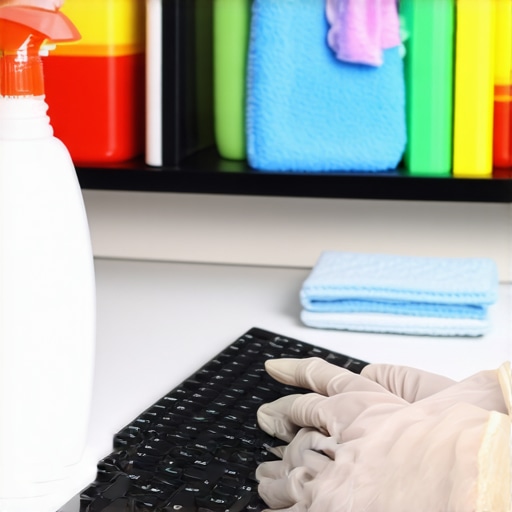
I remember the day I finally decided to clean my home office thoroughly. It was after noticing a persistent musty smell and realizing I had been neglecting the hidden grime lurking behind my desk and under my keyboard. That moment was a lightbulb for me—cleaning isn’t just about appearances; it’s about health and productivity. If you’ve ever felt overwhelmed by the sheer amount of surfaces to sanitize or wondered if you’re doing enough, you’re not alone. In fact, many people underestimate how much bacteria and allergens accumulate in their workspace, especially in places where we spend hours every day.
Why Home Office Sanitizing Can’t Wait
With the rise of remote work, our home offices have become almost sacred spaces. Yet, they often become overlooked in our cleaning routines. Dust on the monitors, germs on keyboard keys, and bacteria lurking in the air vents can all contribute to poor indoor air quality and even illness. I used to think quick surface wipes were enough—until I learned that these methods often miss the germs hiding in unseen spots. According to a study published by the National Institutes of Health, indoor surfaces can harbor thousands of bacteria, some of which are resistant to common disinfectants.
But here’s the good news: a proper sanitizing routine is not as daunting as it sounds. Once I adopted a tailored checklist, I started noticing improvements—not only in the cleanliness of my space but also in my overall well-being and focus. Today, I promise to guide you through creating your own effective cleaning and sanitizing checklist tailored specifically for your home office, helping you breathe easier, work better, and keep illness at bay.
Does Scrubbing Every Surface Really Make a Difference?
Early on, I made the mistake of thinking I needed to clean every surface down to the last speck to truly sanitize. It was exhausting and frankly, unnecessary. I learned that targeted cleaning, focusing on the most-used and germ-prone areas, yields better results without wasting time. Curious about the best strategies? Check out effective sanitizing methods that experts recommend to simplify your routine. Today, I’ll show you how to focus your efforts efficiently, without feeling overwhelmed, so your workspace becomes a sanctuary of cleanliness and health.
Start with a Focused Decluttering Session
Remember the time I dumped all my papers and tech gadgets onto the floor before cleaning? That messy chaos allowed dust and dirt to settle into nooks and crannies. To prevent this, clear your workspace first, removing unnecessary clutter and organizing cables and supplies. This simplifies your cleaning process and ensures no hidden spots are missed.
Choose the Right Cleaning Tools and Products
Use microfiber cloths, which trap dirt effectively without spreading it around. For disinfecting, opt for EPA-approved cleaners that target bacteria and viruses. Avoid abrasive sponges that may damage surfaces or spread grime. Revisit effective sanitizing methods to select products tailored for electronics and smooth surfaces in your office.
Deep Clean Electronics and Surfaces Carefully
Think of your keyboard or mouse as a bacterial magnet; regular wipes aren’t enough. I once took apart my keyboard to scrub each key with a cotton swab dipped in a mixture of isopropyl alcohol and water, resulting in a visibly cleaner device and healthier workspace. Use a soft cloth dampened with a cleaning solution to wipe monitors, desks, and shelves. Remember to power off devices before cleaning to avoid damage.
Sanitize Remote Controls and Frequently Touched Items
Remote controls, light switches, and door handles are hotspots. Apply a proper disinfectant and let it sit for the recommended contact time. Use a microfiber cloth to wipe away excess. These quick, targeted steps prevent the transfer of germs, especially during flu season.
Address Hidden and Hard-to-Reach Areas
Like the hidden grime behind the fridge, unseen spots in your office need attention. Use a duster with an extendable handle or vacuum crevice tool to reach air vents, under desks, and between cables. I once discovered a thick layer of dust accumulated behind my computer tower, which, once cleaned, improved airflow and reduced overheating issues.
Refresh Upholstery and Soft Items
Upholstery can harbor dust mites and allergens. Regularly vacuum your chair with a brush attachment—consider using a specialist upholstery cleaner for a deep refresh. This prevents buildup of grime and maintains a healthier environment.
Maintain a Regular Cleaning Schedule
Implement daily and weekly routines to prevent dirt from accumulating. For instance, wipe down your desk daily with a disinfectant cloth, and do a thorough cleaning every week. Consistency keeps your workspace hygienic and productivity high, avoiding the backlog of grime that can be costly to remediate later.
Many assume that brushing off surface stains suffices for long-lasting freshness, but advanced research shows deeper issues often lie beneath the surface. A common myth is that using commercial disinfectants is enough to sanitize soft furnishings; however, professional upholstery expertise reveals that microbial spores can embed deep within fibers, making superficial cleaning ineffective without proper deep-cleaning methods. Additionally, many people overlook the importance of maintaining the integrity of delicate fabrics, risking damage by aggressive scrubbing or using unsuitable chemicals. For instance, harsh chemicals can weaken fibers over time, accelerating wear and tear. Therefore, understanding the fabric type and employing gentle yet effective cleaning techniques secure both cleanliness and longevity.
A frequent mistake during house cleaning is ignoring hidden areas, such as behind appliances or beneath furniture, which harbor dust and allergens. This oversight can lead to health issues and reduce indoor air quality. Deepening this mistake, some assume that constant cleaning is necessary, but over-cleaning—particularly with abrasive tools—can damage surfaces and reduce the lifespan of your furnishings. Instead, strategic cleaning with the right tools, like microfiber cloths optimized for specific surfaces, enhances efficiency and safety.
When it comes to move-out cleaning, a prevalent misconception is that a quick wipe-down will guarantee a full deposit return. In reality, landlords often inspect hidden spots like vent openings, under sinks, or behind appliances—areas many overlook—resulting in deductions or loss of deposit. To avoid this, comprehensive checklists focusing on these overlooked spots are essential. Utilizing move-out cleaning strategies can help ensure nothing is missed.
Sanitizing, especially in high-touch areas, is often misunderstood as merely disinfecting visible surfaces. However, the nuance lies in contact time and surface porosity. Porous surfaces like upholstery or wood can harbor bacteria resistant to standard disinfectants, leading to a false sense of security. Advanced cleaning protocols emphasize using appropriate disinfectants with sufficient contact time and considering surface porosity to effectively eliminate pathogens.
Finally, the misconception that cleaning products are universally interchangeable can cause long-term damage or health issues. For example, using bleach on colored fabrics can cause discoloration, while some natural oils may leave residues that attract dirt. Recognizing this, selecting products aligned with the specific cleaning task and fabric type is crucial. Our ultimate upholstery care guide offers detailed advice on choosing suitable products, ensuring your cleaning routine is both safe and effective.
Are you falling into any of these common traps? Share your experiences below! Remember, effective cleaning combines knowledge, strategy, and patience—don’t let misconceptions hold you back from a truly spotless and healthy home.
Keep Your Tools Sharp and Up-to-Date
Investing in high-quality cleaning tools is crucial for maintaining your home’s hygiene over time. I personally swear by a microfiber cleaning cloth because it traps dirt and bacteria effectively without spreading grime. Unlike generic cloths, my microfiber options are designed to withstand hundreds of washes, maintaining their effectiveness. Regularly replacing worn-out brushes and microfiber pads prevents bacteria buildup and ensures your cleaning routines remain effective. A good vacuum with HEPA filtration is also indispensable; it captures fine dust and allergens, improving indoor air quality significantly.
Schedule Regular Maintenance for Your Equipment
Just like your car needs routine oil changes, your cleaning equipment requires scheduled maintenance. For example, cleaning your vacuum filters every few months keeps suction power optimal and prevents microbial growth inside the device. Steam mops should also be descale periodically using commercial descaling solutions or vinegar to prevent mineral buildup that reduces efficiency. This proactive approach prolongs your tools’ lifespan, saving money in the long run and ensuring consistent cleaning results.
Adopt Advanced Cleaning Techniques
Integrating steam cleaning for upholstery and soft furnishings is a game-changer, especially for deep sanitization. I use a commercial-grade steam cleaner with adjustable pressure settings; this not only refreshes fabrics but also kills microbes without chemicals—an eco-friendly and health-conscious tactic. For high-traffic areas, applying a fabric sanitizer with a light mist after steam cleaning enhances long-term freshness. This method aligns with the future trend of sustainable cleaning, reducing reliance on chemical disinfectants.
How do I maintain my cleaning arsenal over time?
The key is systematic upkeep—regularly inspecting your tools for signs of wear, cleaning them thoroughly after each use, and updating supplies as needed. For example, replacing microfiber cloths every 50 washes prevents bacteria transfer and keeps your surfaces spotless. Documenting a cleaning schedule helps you stay disciplined about maintenance routines, ensuring your equipment performs at peak efficiency. Remember, a well-maintained toolkit not only boosts cleaning efficacy but also extends the lifespan of your devices and consumables.
Another tip worth trying: properly caring for microfiber cloths can make a significant difference in their lifespan and effectiveness. In the coming years, I predict a shift toward smart cleaning devices that monitor wear and automatically suggest replacements or maintenance schedules, making professional-level cleanliness more accessible at home. Embrace these advanced techniques now, and your home will benefit from consistently pristine surfaces without the hassle or expense of frequent replacements.The Hidden Lessons That Changed My Cleaning Approach
One surprising insight I uncovered was that the most overlooked areas—like behind monitors and under desks—harbored the highest concentration of bacteria. This taught me to prioritize deep cleaning in these spots rather than wasting time on visibly dirty surfaces. Another epiphany was realizing that using the right tools, such as microfiber cloths and EPA-approved disinfectants, drastically improved the effectiveness of my routine, saving both time and effort. Lastly, I discovered that consistency is key; a quick daily wipe prevents grime buildup far better than sporadic deep cleans. Embracing these lessons made my home office not only cleaner but also healthier and more inspiring to work in.
My Go-To Resources for a Cleaner, Safer Space
For professional guidance, I highly recommend the Effective Sanitizing Methods article, which offers science-backed strategies tailored for home environments. The Ultimate Upholstery Care Guide has transformed how I treat fabric furnishings, helping me maintain their softness and cleanliness over years. When shopping for supplies, I trust brands listed in the recommended cleaning tools page; they consistently deliver quality that withstands regular use. These resources empower me to stay proactive about my cleaning routine and adapt to new challenges.
Your Next Step Toward a Healthier Home Office
Remember, an effectively sanitized workspace isn’t just about appearance—it’s about your health, focus, and peace of mind. Embrace the strategies shared here, and don’t be discouraged by initial efforts—it’s a journey worth taking. By consistently applying expert insights, you’ll enjoy a workspace that supports your well-being and productivity. So, why wait? Start today, and take pride in transforming your home office into a true haven of cleanliness and calm.