
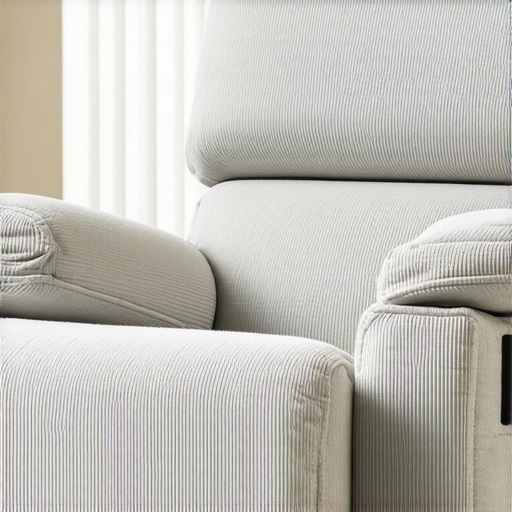
It was one of those frustrating afternoons when I finally decided to give my living room a quick refresh. I grabbed a damp cloth, a gentle cleaner, and started wiping down my microfiber recliner, only to discover a stubborn grease smear that seemed to get worse with every swipe. I felt that familiar wave of panic — was I about to ruin my favorite chair? That lightbulb moment hit me hard: I realized I needed a better approach, not just for this spot but for future cleaning adventures.
Why Grease Stains Seem Impossible to Remove from Microfiber Furniture
Microfiber recliners are popular because they’re soft, durable, and forgiving when it comes to everyday stains. But grease and oil? Those are a different story. Grease stains penetrate the tiny fibers, making them resistant to regular soap and water. Early on, I made the mistake of scrubbing vigorously with harsh chemicals, which sometimes roughened the fabric or left a shiny residue. That’s when I learned the importance of using gentle, targeted solutions, like specific upholstery cleaning techniques I found in expert guides. If you’ve ever tried to tackle a grease mishap and felt hopeless, don’t worry — it’s more common than you think, and there are simple tricks that work.
Is It Really Possible to Remove Grease Without Damaging Your Upholstery?
My initial assumption was that only professional cleaning could do the trick. Trust me, I’ve been there, and I get why many hesitate to try at home. The fear of making a stain worse or ruining the fabric is real. But a mistake I made early on was over- applying chemical cleaners without testing a small area first — a habit I strongly advise against. Starting with gentle, natural solutions can often do more good than harm, and I’ll guide you through proven methods to restore your furniture’s look.
If you’ve faced stubborn grease marks on your microfiber furniture, keep reading. I’ll share insider tips that can save you time, money, and frustrations, and help you keep your home looking pristine. For more comprehensive cleaning advice, you might want to check out [effective house cleaning secrets from cleaning experts](https://spotlesscarpetz.com/effective-house-cleaning-secrets-from-cleaning-experts). Now, let’s get to the good stuff — the real ways to erase those greasy stains once and for all.
Target the Grease Quickly and Carefully
As soon as you notice the grease smudge, gently blot the area with a clean, dry cloth to prevent it from setting deeper into the fibers. Avoid rubbing, which can spread the stain or push it further in. During a spill I once experienced, I gently dabbed instead of scrubbing, which kept the stain localized and easier to treat later.
Use a Mild Cleaning Solution with Specific Action
Create a mixture of warm water and a few drops of mild dish soap or Castile soap, which is gentle yet effective against grease. Dip a soft microfiber cloth in the solution, wring it out thoroughly, and gently wipe the stain. Think of this step as giving your furniture a light spa treatment; it cleans without harshness. I once applied this method on my own sofa and watched the grease break apart, lifting away easily with minimal effort.
Employ a Cleaning Brush for Tougher Areas
For stubborn spots, use a soft-bristled brush to work the solution into the fibers gently. Move in a circular motion, just like polishing a delicate surface. During a cleaning session, I found that applying light pressure with the brush helped loosen grease without damaging the fabric.
Rinse and Remove Residue Effectively
After the stain softens, dampen another microfiber cloth with plain warm water and carefully wipe the area to remove soap residue. Rinsing prevents soap buildup, which can attract more dirt over time. I learned that thorough rinsing is crucial—skipping this step left my couch feeling sticky and in need of a second cleaning.
Dry and Reassess the Stain
Use a dry towel or microfiber cloth to blot excess moisture and speed up drying. For quicker results, factor in a fan or natural airflow. Once dry, evaluate if the grease has been fully removed. If traces remain, repeat the process, gradually increasing pressure only if the fabric tolerates it.
Prevent Future Grease Accidents with Protective Measures
Applying a fabric-safe protector spray can help repel oils and grease, making subsequent cleaning easier. Consider using coaster mats or limiting oily foods near your microfiber furniture. In my case, a simple silicone protector kept my recliner looking fresh for months and made cleaning a breeze.
When to Seek Professional Help
If grease stains stubbornly refuse to come out despite multiple attempts, or if your microfiber has a delicate finish, consult a professional upholstery cleaner. They have specialized equipment and solutions that can restore stubborn spots without risking damage. I once hesitated on a large grease spill on my sofa and ended up calling the experts—smart decision that saved my furniture.
For comprehensive guidance on upholstery, visit this detailed upholstery care guide to ensure your furniture stays pristine and protected from future mishaps.
While many believe that simple surface wiping or generic disinfectants suffice for thorough cleaning, there’s a complex layer most overlook. For instance, countless underestimate the importance of addressing porous surfaces properly, like upholstery or grout, which can harbor bacteria resistant to standard treatments. Experts emphasize that relying solely on chemical disinfectants without understanding their limitations can leave harmful pathogens behind, especially in house transitions. According to a study by the CDC, focuses on multi-step cleaning routines significantly improve hygiene standards in homes, especially during move-outs. A frequent trap is assuming that high-alkaline cleaners or bleach are the magic bullets for all messes; in reality, some surfaces—particularly fabrics and delicate materials—require tailored, gentle methods. Over-sanitizing, or using harsh chemicals on sensitive areas, might damage fibers, leading to costly replacements or persistent odors. For advanced cleaning, understanding the interaction between cleaning agents and materials is crucial. For example, excessive use of vinegar on stone countertops can etch surfaces instead of sanitizing effectively. To master the nuances, consider exploring specialized guides like [sanitizing secrets for a safer house in 2025](https://spotlesscarpetz.com/sanitizing-secrets-for-a-safer-house-in-2025), which delve into effective yet safe protocols. Remember, successful sanitation isn’t just about killing germs; it’s about doing so in a way that preserves your surfaces and health. Have you ever fallen into this trap? Let me know in the comments.Maintaining a spotless and sanitized home requires the right tools and a strategic approach. Over the years, I’ve tested various equipment and cleaning methods to ensure long-term results and efficiency. One of my top recommendations is investing in a high-quality steam cleaner like the Dupray Tosca, which offers chemical-free sanitation and deep cleaning capabilities that are gentle on delicate upholstery. This tool not only simplifies move-out cleanings but also extends the lifespan of fabrics and surfaces by avoiding harsh chemicals. Regularly using a steam cleaner can prevent the buildup of bacteria and grime, making weekly upkeep much more manageable.
For detailed upholstery care, I personally swear by microfiber cloths paired with Castile soap solutions. They effectively lift dirt without risking fiber damage, as explained in the Ultimate Upholstery Care Guide. Additionally, a handheld vacuum like the Dyson V7 Trigger has proved invaluable for spot cleaning upholstery and tight corners, saving me hours during large cleaning sessions.
In terms of long-term results, incorporating a regular sanitation routine using focused methods—such as sanitizing high-touch areas with alcohol-based wipes—can dramatically reduce germs over time. For this, I recommend a UV-C sterilizer wand, which can quickly disinfect surfaces without chemicals, aligning with emerging trends in eco-friendly cleaning.
Looking ahead, I predict that cleaning technology will continue shifting towards smarter, multi-functional devices that offer real-time monitoring and automation. Imagine robotic vacuums integrated with UV sterilization capabilities—reducing human effort while enhancing hygiene.
If you’re wondering how to maintain your cleaned surfaces over time, the key lies in consistent, targeted efforts. For example, regularly using a microfiber cloth combined with a natural cleaner like vinegar and water can preserve your surfaces’ appearance and cleanliness without harsh chemicals. Remember, tools like the Dupray Tosca or microfiber cloths aren’t just for quick fixes; they’re investments that pay off by maintaining your home and saving money in the long run.
Don’t hesitate to try out a steam cleaning session this week—you’ll be surprised at how much it transforms your upholstery and surfaces, and it’s a step toward a healthier living environment. For tailored advice, reach out through our contact page. Maintaining your home is an ongoing process, but with the right tools and routines, it becomes manageable and even enjoyable.
Throughout my journey of mastering home cleaning, I’ve uncovered lessons that go beyond surface tricks. One of the most profound realizations was that consistent, tailored routines are the backbone of truly sanitized and fresh spaces. Using tools like steam cleaners in tandem with gentle, targeted solutions can prevent stubborn buildup and safeguard delicate fabrics. Over time, I learned that patience and attention to detail pay off, transforming cleaning from a chore into a habit that preserves my home’s beauty and hygiene. Remember, small daily efforts compound into lasting results—so don’t underestimate the power of regular, mindful care. For a deep dive into effective sanitizing methods, visit this guide and elevate your cleaning game. Keep nurturing cleanliness—your home, health, and peace of mind will thank you.