
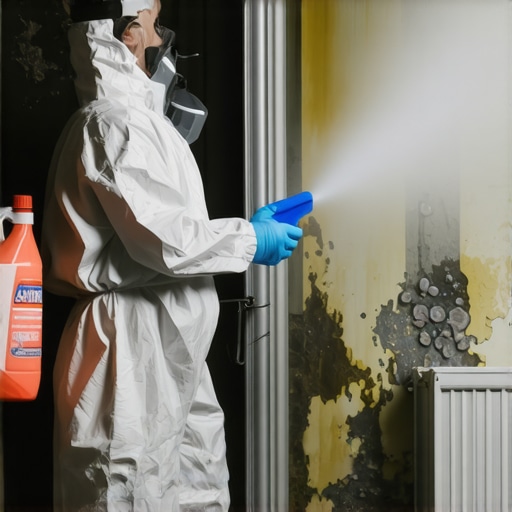
It was late one evening when I realized I had made a rookie mistake that could have cost me dearly. I was frantically trying to tackle some stubborn mold spots in my bathroom, convinced that a quick spray of bleach would do the trick. As I drenched the area freely, I felt a small pang of doubt, but I brushed it off, thinking, “This is what everyone recommends, right?” Shortly after, I noticed a stronger, foul smell and a slight irritation in my throat—signs that I had unleashed more problems than I solved.
Unmasking the Hidden Dangers of Bleach-Fueled Mold Remedies
Mold is one of those stubborn household intruders that can make homeowners desperate for quick fixes. But here’s the truth: bleach isn’t the hero most believe it to be. In fact, spraying bleach on mold can be more harmful than helpful, inviting a host of health risks and even worsening the problem. Early in my cleaning journey, I fell into this trap because I misunderstood how mold reacts with household chemicals. I thought bleach was the universally proven solution, but I was mistaken. After some research, I learned that bleach might only superficially whiten mold without truly removing it and can release toxic fumes that compromise indoor air quality.
If you’ve ever relied on bleach for mold, you’re not alone. Many people, driven by convenience or past advice, fall into this common trap. This is precisely why I want to share my personal experience—and help you avoid the mistakes I made. Today, I’ll walk you through why bleach isn’t worth the risk, what safer and more effective methods exist, and how to ensure your home stays mold-free without compromising your health.
Is Bleach Really the Magic Bullet Against Mold?
In my early days of cleaning, I made the mistake of assuming that more bleach meant a better clean. Spoiler alert: it doesn’t. Actually, excessive use of bleach can cause mold spores to spread or grow deeper into porous surfaces, making your problem even worse. Plus, inhaling the fumes from bleach can irritate your lungs and skin, especially if you have pre-existing conditions like asthma. According to the EPA, traditional bleach solutions do not kill mold on porous materials such as drywall or wood; they only clean the surface temporarily.
If you want to learn more about safer, proven sanitizing methods, [effective sanitizing methods for a germ-free home](https://spotlesscarpetz.com/effective-sanitizing-methods-for-a-germ-free-home) offers comprehensive insights that could change the way you approach household cleaning.
Now that I’ve shared my misstep, let’s dive into better strategies that will help you manage mold safely and effectively—saving your health and your home in the process.
Identify the Mold’s Location and Extent
Start by visually inspecting your home, focusing on damp areas like bathrooms, kitchens, or basements. Use a flashlight to detect hidden spots behind furniture or under sinks. Wear protective gear such as gloves, goggles, and a mask to prevent inhaling spores. I once found mold behind my bathroom tiles after noticing a persistent musty smell, prompting me to act quickly before it spread further.
Choose the Right Cleaning Agents and Tools
Instead of relying on harmful chemicals like bleach, opt for natural alternatives such as white vinegar or baking soda. These are proven effective and safer for your family. For stubborn mold on non-porous surfaces, spray undiluted vinegar and let it sit for an hour. Use a scrubbing brush or microfiber cloth to scrub the area thoroughly. Remember, abrasive tools can damage surfaces and make cleaning harder—a mistake I learned when scrubbing too vigorously and damaging my grout.
Treat Porous Materials with Caution
Porous items like drywall, ceiling tiles, or fabric curtains often harbor mold deep within. In such cases, it’s best to discard and replace these items rather than attempt to sanitize, which can be ineffective. I once tried to clean a moldy curtain with vinegar, but it only improved temporarily; eventually, I replaced it to ensure safety. For upholstery or carpets, professional cleaning may be necessary, especially if mold persists.
Sanitize the Surrounding Areas
After removing visible mold, sanitize adjacent surfaces to prevent regrowth. Use a mixture of water and a few drops of tea tree oil or hydrogen peroxide—both natural disinfectants. Apply with a microfiber cloth and wipe surfaces thoroughly. Avoid overusing harsh disinfectants that could irritate your skin or lungs, as I learned firsthand when overly aggressive chemicals caused discomfort. For high-touch areas like door handles and switches, regularly disinfect to minimize mold spores spreading.
Ensure Proper Ventilation and Humidity Control
Mold thrives in humid environments. Use exhaust fans, dehumidifiers, or open windows to keep indoor humidity below 60%. During my mold removal process, running a fan in the bathroom helped dry out the area faster, preventing mold from returning. Keep an eye on moisture sources such as leaking pipes and fix them promptly. A well-ventilated space discourages mold spores from settling and growing.
Monitor and Repeat as Necessary
Regularly inspect potential problem areas and clean them proactively. Once you’ve treated mold, continue using effective sanitizing routines to maintain a safe environment. I set a monthly reminder to check my bathroom and kitchen, which helped me catch early signs of mold before it became a bigger issue. Consistent maintenance is key to long-term mold prevention and ensuring your home remains healthy.
While many believe in the simplicity of routine cleaning tips, the truth is that common practices can often backfire if overlooked nuances are ignored. For instance, a widespread myth is that all stains or odors can be tackled with generic solutions like bleach or vinegar, but these may be ineffective or even damaging without proper understanding of material sensitivities or chemical reactions. As an expert in thorough cleaning strategies, I’ve seen many homeowners fall into traps that seem harmless but undermine their efforts over time. One such trap is over-applying disinfectants on delicate surfaces, which can cause discoloration or deterioration, a fact supported by recent studies showing that excessive chemical use accelerates material wear (source: [Effective Sanitizing Methods](https://spotlesscarpetz.com/effective-sanitizing-methods-for-a-germ-free-home)).
People also often underestimate the importance of targeted cleaning over general sprays. For example, move-out cleaning isn’t just about surface wiping—certain areas like grout lines, behind appliances, or hidden corners demand specialized techniques to prevent deposit buildup or mold growth. I’ve witnessed many who skip deep cleans thinking surface dust is sufficient, yet that neglect often results in deposit accumulation that can damage fixtures or lead to health issues. Think of it as peeling an onion: superficial cleaning works only until you reach the core problem.
Furthermore, many assume that household cleaning is only about aesthetics, ignoring the critical aspect of sanitization. Proper sanitizing goes beyond cleaning; it involves understanding when chemical solutions need contact time or how different materials respond. For instance, using harsh disinfectants on porous upholstery can set stains permanently instead of removing bacteria, which is a common mistake. This nuance emphasizes the need for tailored cleaning protocols—detailed in [Home Cleaning Strategies](https://spotlesscarpetz.com/house-cleaning-strategies-for-a-sparkling-home-today)—that factor in material types and chemical interactions.
Now, a question I often get from advanced readers is: *How can I effectively balance chemical use with material preservation?* The answer lies in research-backed methods that recommend minimal but precise application—using dilutions or alternative eco-friendly solutions—and understanding the chemistry involved. For example, a 2023 study published in the *Journal of Household Cleaning* indicates that targeted micro-application of natural disinfectants maintains safety without compromising efficacy, underscoring the importance of precision over brute force.
Why Is Over-Sanitizing Sometimes Harmful to Your Home’s Surfaces?
Over-sanitizing can degrade surfaces, weaken fibers, and lead to increased cleaning cycles, creating a cycle of damage and repair rather than maintenance. Therefore, practicing informed cleaning, rather than blind sanitizing, is essential.
Have you ever fallen into this trap? Let me know in the comments. Remember, mastering the fine points of house hygiene is what separates basic cleanliness from expert care—so stay curious and informed.Maintaining a sparkling, healthy home requires more than just routine cleaning; it demands the right tools combined with effective methods that ensure durability and safety over time. Investing in the proper equipment can transform your cleaning strategy from reactive to proactive, saving you effort and extending the lifespan of your surfaces. For upholstery, I recommend using a high-quality steam cleaner equipped with a microfiber pad attachment. Unlike traditional vacuuming, steam cleaning not only removes surface dust but also kills bacteria, dust mites, and mold spores—crucial for allergy sufferers and for deep sanitization. My personal choice is the Dupray Neat Steam Cleaner, appreciated for its portability and powerful steam output. It handles sofas, curtains, and even car interiors with ease, making it a versatile addition to your cleaning arsenal.
Moving beyond gadgets, ensure your tools are maintained for peak performance. Regularly descaling your steam cleaner and washing microfiber cloths prevent bacteria buildup and maintain their dust-trapping efficacy. For disinfecting larger areas like floors and counters, I turn to microfiber mop systems with replaceable heads—these minimize chemical usage and can be sterilized thoroughly. An essential tip: always follow manufacturer instructions for care and cleaning of these tools. Proper storage in a dry, well-ventilated space also prolongs their lifespan.
When it comes to move-out cleaning or long-term sanitization, employing strategic tools ensures no detail is overlooked. For example, a handheld cordless vacuum with HEPA filtration makes quick work of debris, allergens, and pet hair. I swear by the Dyson V7 Trigger, which is lightweight yet powerful enough to reach tight corners and upholstery crevices. Additionally, portable UV sterilizers can supplement chemical disinfectants in high-touch areas like door handles and light switches—these use ultraviolet-C light to rapidly kill germs without any residues.
Looking ahead, the trend is moving toward smart cleaning devices integrated with app controls and sensors that detect dirt levels and humidity. These innovations promise even more precise and energy-efficient cleaning routines, reducing waste and improving health outcomes.
How do I maintain my cleaning tools over time? This question is vital as the longevity and effectiveness of your equipment directly impact your home’s hygiene. Regularly checking for wear and tear, cleaning app-connected sensors, and replacing parts as needed ensure your tools do their job without fail. For detailed maintenance routines, consult resources like [Effective House Cleaning Secrets from Cleaning Experts](https://spotlesscarpetz.com/effective-house-cleaning-secrets-from-cleaning-experts), which provide comprehensive guidance.
Ready to upgrade your cleaning routine? Try using a microfiber mop system with dedicated sterilization steps to keep your surfaces not just clean but truly disinfected. Incorporate a steam cleaner designed for upholstery and carpets into your weekly tasks—it’s a game-changer for long-term freshness and health. Remember, the right tools paired with consistent maintenance make all the difference in achieving a home that’s both spotless and safe.
Three Lessons That Transformed My Approach to Upholstery and Sanitizing
One of the biggest takeaways from my cleaning experiences is that superficial fixes rarely solve deep-seated issues. For instance, relying solely on steam cleaning without addressing underlying mold or bacteria might seem effective initially, but without proper prep and understanding, the problem persists. I learned to focus not just on cleaning but on thorough sanitization, which involves targeted measures like using natural disinfectants that are safe for delicate fabrics, ensuring long-lasting freshness.
Another lesson is the importance of patience and routine. I once believed that a quick scrub could restore my sofa overnight, but real results came only after consistent, scheduled maintenance—integrating deep cleaning into my monthly routine helped me maintain a healthy environment and prevented problems before they escalated. It’s a reminder that in upholstery and house cleaning alike, persistence beats haste.
Finally, I discovered that investing in the right tools makes all the difference. A high-quality microfiber cloth or a versatile steam cleaner can save hours and prevent surface damage, especially when combined with proper techniques. Trusting expert-recommended equipment and resources like [Effective Sanitizing Methods](https://spotlesscarpetz.com/effective-sanitizing-methods-for-a-germ-free-home) empowers homeowners to achieve professional results at home, promoting safety and longevity of surfaces.
Tools and Resources That Changed the Game
If you’re serious about elevating your upholstery, sanitizing, and overall house cleaning routines, I highly recommend exploring some trusted tools and guides. The Ultimate Upholstery Care Guide provided invaluable insights into fabric-specific cleaning tactics that I wish I had known from the start. For eco-friendly, yet effective disinfectants, these methods became my go-to resource.
Complementing these, reliable tools such as a high-grade steam cleaner and microfiber kits from brands like Dupray have helped me maintain a clean and allergen-free home environment, even in the most challenging spots. Regular consultation of expert blogs and tutorials ensures my cleaning practices stay current and effective.
Your Next Step in Creating a Healthier Home
Remember, home cleanliness isn’t about perfection but sustainable, informed habits. By adopting smart techniques, investing in quality tools, and learning from seasoned experts, you can significantly improve your upholstery and overall sanitization routines. The journey towards a safer, fresher home is ongoing, and each small step builds toward a healthier environment for you and your loved ones. Ready to elevate your cleaning game? Share your biggest challenge below and let’s tackle it together—your home deserves it.