
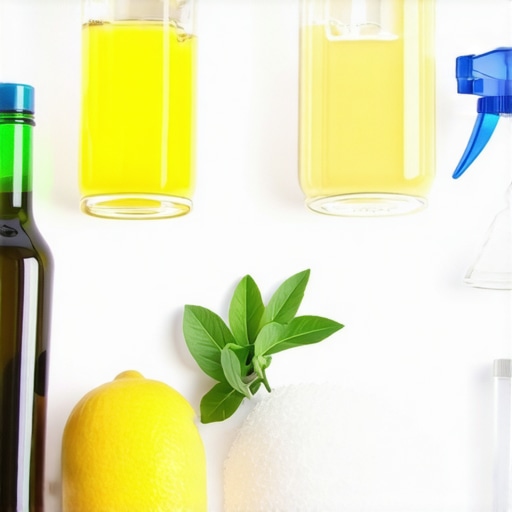
I vividly remember the moment I opened my oven door after a failed cleaning attempt and was hit with a wave of fumes so strong I nearly sneezed my lungs out. Despite countless scrubbing sessions with harsh, caustic cleaners, the stubborn grease and burnt-on residue just wouldn’t budge, and the fumes left my kitchen smelling like a chemical factory. That lightbulb moment made me realize: there had to be a better way—something safer, gentler, and equally effective.
Why the Search for Eco-Friendly Oven Cleaners Matters More Than Ever
In today’s world, we’re more conscious than ever about the chemicals we bring into our homes. Traditional oven cleaners are often filled with toxic ingredients that can irritate our eyes, skin, and even contribute to long-term health issues. Plus, they pose a threat to our environment once they wash down the drain. Interestingly, a study published by the Environmental Protection Agency revealed that indoor air can be up to five times more polluted than outdoor air, largely due to household cleaning products. This startling fact underscores the importance of seeking safer, eco-friendly alternatives.
Many homeowners, just like me, want to ditch the chemicals but worry if natural options are truly effective. Early on, I made the mistake of relying solely on lemon juice or vinegar, thinking their natural acidity would suffice. While they helped in some cleaning tasks, they didn’t tackle the burnt-on grime as stubbornly as needed. It was only after experimenting with homemade baking soda paste and understanding the science behind it that I finally found a solution that worked.
Are you tired of fighting with aggressive, chemical-laden oven cleaners that leave you feeling overwhelmed and unsure about your health choices? Well, you’re not alone. Many of us want cleaner ovens without sacrificing our safety or the planet’s health. Luckily, there are proven methods and even commercial eco-friendly products that can make this job easier and safer—tools and tips I’ll be sharing in the upcoming sections. If you’ve faced this struggle, keep reading. Your new, safer cleaning routine is just a few steps away.
Is Eco-Friendly Oven Cleaning Actually Worth the Hype?
I admit, I was skeptical at first. Would natural ingredients really cut through all that baked-on grease? Also, I worried I’d end up wasting time or money on products that didn’t deliver. When I first tried a DIY baking soda and vinegar mix, I nearly gave up after a futile scrubbing effort. But then I learned a crucial trick: letting the paste sit and work its magic. That mistake—rushing in without preparation—was my early error.
Since then, I’ve discovered that eco-friendly cleaning isn’t just a fantasy. It’s backed by science and real-world results. Baking soda, in particular, is a superstar when it comes to breaking down grease and grime, all without harmful fumes. For more tips on effective eco-friendly cleaning, check out [effective house cleaning secrets from cleaning experts](https://spotlesscarpetz.com/effective-house-cleaning-secrets-from-cleaning-experts). Now, with the right approach and a few proven techniques, you can make your oven shine safely and sustainably.
Start with the Basic Baking Soda Paste
My first success came after I tried creating a simple paste by mixing baking soda with water until it formed a thick, spreadable consistency. I applied this generously over the burnt-on residues inside my oven, making sure to cover every stubborn spot. Letting it sit for at least 15 minutes allowed the baking soda to loosen the grime, much like a gentle scrub that peels away the stubborn layers of grease without harsh chemicals.
Apply the paste evenly and wait
I used an old spatula to spread the paste evenly, focusing on heavily soiled areas, then left it undisturbed for about 20 minutes. During this time, the baking soda reacted with the baked-on grease, neutralizing acids and breaking bonds—think of it as a chemical handshake that separates grime from the surface. When the waiting period was over, I grabbed a damp cloth and began wiping away, which came off effortlessly, revealing a much cleaner oven. This initial step is essential because giving the paste time to work is like letting a marinade do its magic before you cook.
Scrubbing with a Natural Bristle Brush
Next, I used a soft-bristled brush to scrub lightly over the surfaces, particularly those in crevices where grime gathers. Unlike abrasive pads that can scratch surfaces, a gentle brush dislodges loosened dirt without damaging the finish. Think of it as combing through tangled hair—gentle, yet effective. During my first try, I noticed that a little elbow grease combined with the baking soda paste made an incredible difference. The grime lifted with minimal effort, and I avoided the fumes and harsh odors of chemical cleaners.
Wipe away and rinse
After scrubbing, I used a damp microfiber cloth to wipe the residue away. Microfiber is perfect because it traps dirt without spreading it around—like a magnet for dust and grease. If needed, I rinsed the cloth frequently, ensuring that no greasy film remained. For a final shine, I used a clean, dry cloth to buff, making my oven look almost new. This step is comparable to polishing metal—achieving a streak-free, gleaming finish that not only looks great but also indicates a thorough clean.
The Power of Natural Vinegar Spray
Although my initial cleaning was successful, I found that a light spray of vinegar on the interior surfaces helped remove any lingering odors and residual streaks. Mix equal parts water and white vinegar in a spray bottle and lightly mist the area, then wipe with a microfiber cloth. The acetic acid in vinegar dissolves mineral deposits and evaporation residues, ensuring cleanliness without chemical fumes. During my previous attempt, I used vinegar as a final touch after cleaning, and it left my oven smelling fresh—a much better alternative to the synthetic scents of commercial deodorizers.
Final wipe and ventilation
Finally, I sprayed the vinegar solution, wiped the surfaces thoroughly, and opened windows to ventilate the space. Not only did this leave my oven pristine, but it also kept my indoor air quality safe—an important consideration from my earlier cautions about toxic fumes. This method is quick, environmentally friendly, and affordable, making it perfect for anyone eager to keep their appliances spotless without risking exposure to harmful chemicals.
Additional Tips for Sustainable Oven Care
Once your oven is sparkling, maintaining its cleanliness involves regular, non-toxic upkeep. I now do a quick clean every few weeks using baking soda and vinegar, which prevents heavy buildup. Think of it as nourishing the appliance regularly, much like a plant needs watering. Also, using mats or aluminum foil on the oven floor prevents direct contact with spilled food, reducing the frequency of deep cleans. For comprehensive strategies on maintaining a safe and sanitized home, visit this guide on sanitizing hacks because prevention is always better than cure.Even seasoned homeowners often fall for the myth that all cleaning techniques are created equal. The truth is, many people underestimate the importance of specific nuances that can make or break your cleaning results. For instance, a widespread misconception is that using aggressive scrubbing always yields a deeper clean. In reality, overzealous scrubbing can damage delicate fibers of upholstery or wear down surfaces prematurely. Experts like those at cleaning professionals warn that gentle, targeted approaches often produce better long-term results.
Another prevalent error involves sanitizing. Many think that high heat or chemical disinfectants are the only ways to eradicate bacteria effectively. However, recent studies show that proper cleaning combined with appropriate sanitizing methods—such as safe sanitizing hacks—can achieve comparable results without harmful residues. Overusing disinfectants on porous surfaces like upholstery can trap bacteria and even promote resistant strains over time.
*Beware the trap of believing that move-out cleaning is just about making things look tidy.* This misconception can lead to missing hidden grime and bacteria lurking in unseen spots. Detailed checklists, like those found at this comprehensive move-out cleaning guide, illustrate how thorough cleaning requires attention to areas homeowners often overlook.
Now, consider the complexity of sanitizing fabrics and soft furnishings. Many assume that using water alone is sufficient, but fabrics are porous and can harbor bacteria deep within their fibers. The secret is adopting advanced cleaning techniques that include proper dampness levels, appropriate cleaning solutions, and effective drying processes. Failing to do so may lead to persistent odors and unseen health hazards.
What most don’t realize is that some cleaning practices might unintentionally cause damage or spread bacteria further. For example, using abrasive pads on upholstery may seem effective but can result in fiber fraying and surface scratches—an issue highlighted in expert advice. It’s crucial to understand that gentle, methodical cleaning is often more effective and safer for your furnishings.
Many advanced cleaners advocate for a meticulous approach that combines chemistry, physics, and an understanding of material science. This is how you truly achieve a healthier, cleaner home without falling for quick fixes. For more insights into effective sanitizing methods, visit this resource.
Have you ever fallen into this trap? Let me know in the comments, and share your own experiences or questions about upholstery and cleaning myths! Your insights could help others avoid costly mistakes and achieve a cleaner, safer home.
Keeping It Working: Equipment and Methods That Last
Maintaining a pristine and sanitized home isn’t just about one-time efforts; it requires reliable tools and consistent techniques that stand the test of time. As someone deeply invested in eco-friendly and effective cleaning, I recommend investing in a high-quality microfiber mop and soft microfiber cloths. These tools are gentle on surfaces yet highly effective at trapping dust, bacteria, and pet dander without the need for harsh chemicals. Microfiber cloths, in particular, are my go-to for dusting blinds, baseboards, and even delicate upholstery, ensuring thorough cleaning while protecting materials.
When tackling upholstery, a powerful handheld steam cleaner with adjustable temperature settings is indispensable. I personally rely on models that offer variable steam control, allowing me to sanitize soft furnishings deeply without over-saturating fabric. It’s a game-changer, especially when removing pet odors or deep-seated dirt—see this upholstery care guide for more on selecting the right equipment.
For kitchen appliances, a dedicated drain brush and gentle descaling tablets help keep sinks and dishwasher components in top shape, preventing future buildup and odors. Regularly using these tools extends the lifespan of your appliances and reduces the need for extensive, chemical-heavy cleaning sessions.
How do I maintain my cleaning tools over time?
Cleaning tools are only as good as their upkeep. I recommend washing microfiber cloths after each use with hot water and a bit of eco-friendly detergent, then air-drying them to preserve their effectiveness. For microfibers used on upholstery, occasional deep cleaning with a mixture of water and a few drops of essential oil not only refreshes the fibers but also adds a natural antimicrobial boost. Additionally, replacing microfiber cloths every six months ensures optimal cleaning performance and avoids bacterial build-up—think of it as maintaining the sharpness of your tools to keep them effective.
Advancements in cleaning technology are constantly evolving. Trends now point toward smart, automated devices equipped with sensors that monitor dirt levels and adjust cleaning intensity accordingly. While these are still emerging, investing in reliable, quality manual tools gives you consistent results today, with a future looking towards integrated, AI-driven cleaning solutions.
Scaling Up for a Safer, Cleaner Home
As your cleaning routine becomes more efficient, consider integrating professional-grade equipment for larger tasks or more delicate surfaces. High-pressure steam cleaners or ultraviolet sanitization devices can be incorporated into your maintenance schedule, offering a deeper clean without chemicals. The key is developing a routine that prioritizes safety, sustainability, and effectiveness, which ultimately saves money and preserves your home’s surfaces over time. For comprehensive strategies on maintaining cleanliness, visit this resource and implement one advanced tip today—like regular microfiber maintenance—to see long-term benefits.
3 Surprising Lessons I Wish I Knew Sooner
One of my biggest lightbulb moments was realizing that sometimes, less is more—using harsh chemicals isn’t always the answer, especially when natural solutions can be just as effective with a little patience. I also learned that pre-treating stubborn grime with a simple baking soda paste and letting it sit significantly reduces scrubbing time and effort, transforming a daunting task into an achievable one. Lastly, I discovered that consistent, small maintenance routines prevent heavy buildup, making deep cleans easier and safer, ultimately saving money and protecting my family’s health.
My Go-To Resources for Upholstery and House Care
For anyone serious about eco-friendly cleaning, I highly recommend visiting this upholstery care guide. It’s helped me understand how to care for fabrics without damaging them or introducing harmful chemicals. The secrets from cleaning professionals have also revolutionized my routine, showing me that gentle, targeted efforts outperform aggressive scrubbing. For comprehensive move-out strategies, this checklist keeps me on track to leave my place spotless every time.
Believe in Your Power to Transform Your Home
Taking control of cleaning with eco-friendly strategies is empowering. Remember, each small step—like choosing natural cleaning solutions and maintaining your tools—adds up to a healthier, happier home. Trust in your ability to make safer choices today, and you’ll see the difference tomorrow. Your home deserves your best effort—and the rewards are truly worth it. So, what’s the first simple change you’re excited to try in your cleaning routine? Share your thoughts below and let’s grow together in this journey toward a greener, cleaner home.