
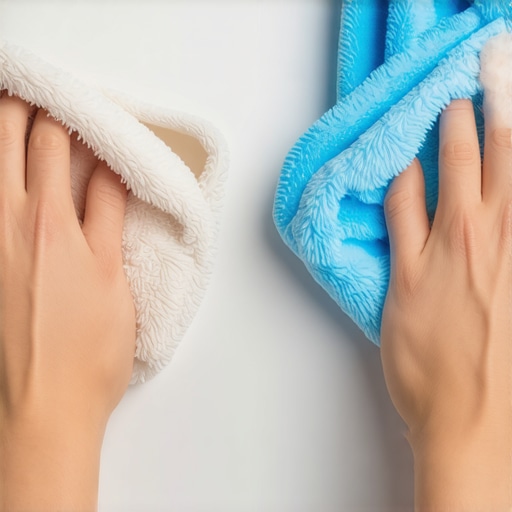
Picture this: I’m halfway through cleaning my living room, reaching for my trusty old cotton cloth, only to be greeted by more dust settling back onto the surfaces before I even finish. Frustration bubbles up. That moment of realization hit me hard—cotton just isn’t cutting it anymore. I kept wondering why my dusting wasn’t as effective as it could be, despite using what everyone told me was a natural, eco-friendly choice.
The Problem With Traditional Dusting Cloths
For years, I relied on cotton rags, believing they’d do the job well and be gentle on my furniture. But as I noticed dust reappearing shortly after cleaning, I started digging into what might be going wrong. It turns out, cotton fibers tend to push dust around rather than trap it, and they often release tiny particles back into the air, making my cleaning efforts pretty much futile. That’s when I discovered microfiber—a game changer I wish I had known about sooner.
Is Microfiber Actually Worth the Hype?
Initially, I was skeptical, like many. I wondered if all the fuss about microfiber’s dust-trapping power was just marketing hype. But the more I researched, the more I realized how microfibers are woven so tightly that they actually attract and hold dust, dirt, and even bacteria—far better than cotton. According to a study by the TUC (Trades Union Congress), microfiber cloths are proven to remove up to 99% of bacteria from surfaces, making them not only more effective at dusting but also safer for home sanitation.
My early mistake? Underestimating the importance of the material of my cleaning tools. I used to think that a soft, absorbent cloth was enough. Now, I know that the key lies in the tiny fibers, which act like tiny magnets for dust particles. If you’ve been facing similar struggles, keep reading—I’m here to share what I’ve learned so you don’t waste any more time or effort.
From choosing the right tools to mastering effective dusting techniques, I’ll walk you through proven strategies that really make a difference. Ready to transform your cleaning routine? Let’s dive into why microfibers are the secret weapon I wish I had discovered sooner and how they can help give your home that sparkling, dust-free look you crave.
Start with the Right Tools and Preparation
Gather high-quality microfiber cloths, preferably those with tightly woven fibers. Avoid using old, worn-out rags, as they lose effectiveness. Dampening the microfiber slightly enhances dust and dirt attraction. Before cleaning, remove any objects on surfaces to avoid accidental damage and ensure thorough cleaning. I vividly recall my first attempt—dragging a damp microfiber across a dusty bookshelf—that resulted in a surprisingly quick transformation of the space, making the task feel less daunting.
Implement Effective Dusting Strategies
Use Light, Circular Motions
Instead of brute scrubbing, employ gentle, circular motions that lift dust into the fibers. This technique is especially effective on delicate surfaces like glass and painted walls. I learned this firsthand when dusting my antique mirror; gentle circular motions prevented streaks and preserved the finish, leading to a much cleaner, clearer reflection.
Address Hidden Dust in Foliage and Crevices
Microfiber is excellent for capturing dust in tricky spots—like under oven vents or between blinds. Wrap a microfiber around a small brush handle for detailed work. During my move-out cleaning, I used this method to reach behind appliances, resulting in a noticeably deeper clean that impressed my landlord and expedited my deposit return.
Sanitize and Refresh Upholstery
Vacuum upholstered furniture thoroughly with a microfiber attachment first. For deeper sanitation, lightly dampen the microfiber with a mixture of water and natural disinfectants like vinegar or castile soap. Test on a small area to prevent damage. In one cleaning session, I applied this to my fabric sofa, removing pet dander and odors effectively, transforming the space into a fresh haven.
Deep-Clean Windows and Mirrors
Use a dry microfiber to remove initial dust buildup, then dampen slightly and wipe in horizontal or vertical strokes to avoid streaks. For streak-free glass, finish with a dry microfiber cloth. I remember the satisfaction of finally achieving streak-free clarity on my bathroom mirror, which had been a source of frustration until I adopted this technique.
Tackle Heavy-Duty Grime and Stains
For stubborn spots, apply a small amount of a mild cleaning solution to the microfiber and gently scrub. Microfiber’s fine fibers trap grease and grime without excessive abrasive action. During an oily stove cleanup, I used this method to lift old grease with minimal effort, saving time and harsh chemicals.
Maintain Your Microfiber Equipment
Wash microfiber cloths separately from lint-producing fabrics. Use warm water and gentle detergent, avoiding fabric softeners that clog fibers. Air-dry or tumble dry on low. Proper maintenance ensures longevity and consistent performance. I found that regular washing kept my microfiber fresh and effective, preventing the reintroduction of dust particles during future cleanings.
Integrate These Techniques into Your Routine
Apply these steps consistently for ongoing cleanliness. Replace worn cloths when fibers fray or pull. With practice, microfiber becomes an indispensable asset, turning mundane chores into high-impact cleaning sessions. My own experience highlights how adopting these methods reduced cleaning time and boosted results, giving me a home that truly feels fresh and inviting.
Many homeowners believe they fully understand the essentials of sanitizing, upholstery care, and move-out cleaning, but beneath the surface lies a maze of misconceptions and overlooked details. One common myth is that disinfectants alone guarantee a germ-free environment; however, research from [Sanitizing Secrets for a Safer House in 2025](https://spotlesscarpetz.com/sanitizing-secrets-for-a-safer-house-in-2025) indicates that physical removal of dirt and grime is often more effective than chemical sterilization, especially on porous surfaces. These surfaces can trap bacteria inside, making chemical disinfectants less impactful unless combined with proper cleaning techniques.
An advanced mistake many make revolves around upholstery maintenance. The prevailing advice emphasizes frequent vacuuming, but neglecting the importance of deep cleaning and fabric-specific treatments can lead to permanent deterioration. For instance, overusing harsh chemicals on delicate fabrics can weaken fibers over time, leading to discoloration or tears. The [Ultimate Upholstery Care Guide](https://spotlesscarpetz.com/ultimate-upholstery-care-guide-for-lasting-freshness) emphasizes tailored approaches, including understanding fiber content and using appropriate cleaning agents.
In the realm of move-out cleaning, a trap lies in focusing solely on visible areas. Many renters and landlords overlook concealed spots where grime and bacteria flourish, such as under appliances or inside air vents. These neglected zones can cause disputes and lost deposits. A comprehensive [Move-Out Checklist to Secure Your Deposit](https://spotlesscarpetz.com/move-out-cleaning-strategies-to-secure-your-deposit) highlights the importance of detailed cleaning, including hidden areas.
But what about the pitfalls related to chemical use? Many assume that stronger cleaners are always better, yet this can be counterproductive. Excessive use of bleach or abrasive agents may damage surfaces or pose health risks. According to experts, choosing mild, pH-balanced cleaners combined with effective tools like microfiber cloths significantly enhances cleaning outcomes without compromising safety.
One nuanced detail often missed in both cleaning and sanitizing is timing. Applying disinfectants on surfaces that aren’t properly prepared—like surfaces with residual dirt or moisture—reduces efficacy and can promote microbial resistance. Ensuring surfaces are dry and free of debris before disinfecting maximizes germ elimination.
In summary, mastering house cleaning involves more than routine chores. It requires understanding the material-specific nuances, avoiding common myths, and paying attention to often-overlooked areas and steps. Are you aware of the hidden mistakes that could be undermining your efforts? Share your experiences or questions below, and let’s uncover these cleaning secrets together! Have you ever fallen into this trap? Let me know in the comments.
Keeping Your Cleaning Tools in Top Shape
Investing in high-quality microfiber cloths is just the beginning. To ensure they perform optimally over time, wash them separately from lint-producing fabrics using warm water and a gentle detergent, avoiding fabric softeners that clog fibers. Regularly inspecting and replacing worn-out cloths prevents dirt from spreading and maintains cleaning efficiency. I personally keep a plastic bin dedicated solely to my microfiber cloths, washing them after every few uses, which keeps their electrostatic properties intact and ready for the next session.
Choosing Equipment That Saves Time and Effort
My go-to vacuum is a HEPA-filtered canister model with adjustable suction power—it’s perfect for upholstery, carpets, and hard-to-reach corners. The powerful suction removes embedded dust and pet hair, while the adjustable settings protect delicate fabrics. For deep cleaning, I rely on a handheld steam cleaner with multiple attachments, which disinfects surfaces without chemicals. This combination allows me to tackle various tasks more efficiently, ensuring long-term cleanliness and less wear on surfaces.
Automating and Scheduling Your Routine
Using smart timers for cleaning devices, like programmable vacuums or steam cleaners, adds consistency to your routine. I schedule weekly upholstery refreshes and monthly deep cleans, which helps preserve fabric integrity and prevents grime buildup. Apps that track cleaning cycles motivate me to stick to my plan. As technology advances, integrated systems that monitor air quality and surface cleanliness may become standard, prompting a shift towards smarter home hygiene management.
Essential Maintenance for Longevity
Replacing filters on your vacuum every 6-12 months, depending on usage, maintains suction power and air quality, reducing allergens in your home. Clearing out lint traps and cleaning nozzle filters prevent clogs. Periodic calibration of handheld steam cleaners ensures consistent heat and steam output, critical for effective sanitation. I find that establishing a maintenance checklist and dedicating time monthly saves money in repairs and prolongs equipment lifespan.
How do I maintain my cleaning tools over time?
Regularly cleaning, inspecting, and replacing worn parts is key. Following manufacturer guidelines—like those in the house cleaning strategies article—ensures your tools stay efficient. Keep tools dry and store them properly to prevent mold and damage. As a tip from cleaning experts, avoiding harsh chemicals on equipment preserves their materials and functionality longer. Make it a habit to check your gear once a month; this proactive approach keeps your cleaning arsenal ready for action whenever needed. Try scheduling a quarterly equipment check to stay ahead of potential issues and keep your home effortlessly spotless.
Lessons I Wish I Learned From My Cleaning Mistakes
- Microfiber changed my cleaning game once I realized how tightly woven fibers trap dust and bacteria, saving me time and effort. Discovering this was a game changer I didn’t anticipate.
- Using old or worn-out cloths actually spreads dirt and allergens, which taught me the importance of regularly replacing and maintaining my cleaning tools for consistent results.
- I underestimated the power of proper preparation—like removing objects beforehand—which profoundly improved my cleaning efficiency and surface safety.
- I’ve realized that overusing chemical disinfectants on porous surfaces can be counterproductive, emphasizing the value of physical removal and the right materials for sanitation.
- Timing matters; cleaning surfaces when they’re dry and free of debris drastically improves disinfectant effectiveness and overall hygiene.
Gear and Resources I Swear By for Cleaner Living
- Microfiber Cloths from The Ultimate Microfiber Set: I trust these for their durability and superior dust and bacteria trapping capabilities, proven to outperform traditional rags. More about my favorite cleaning supplies can be found in the effective house cleaning secrets from cleaning experts.
- Vacuum Cleaner with HEPA Filter: Its powerful filtration system captures allergens and keeps my home air cleaner, making a noticeable difference in allergy seasons.
- Natural Disinfectant Recipes: Vinegar and castile soap combo has replaced harsh chemicals in my routine, providing effective sanitation without the fumes.
- Cleaning Apps for Scheduling: Staying consistent with my cleaning schedule has been simplified by apps that remind me and track my chores, ensuring nothing gets overlooked.
Your Move to a Dust-Free, Fresher Home Can Start Today
Embracing these insights and tools helps me maintain a home that feels not just clean, but truly sanitized and inviting. Remember, every small change—like choosing microfibers over cotton or scheduling regular deep cleans—adds up to a healthier environment for you and your loved ones. Don’t be afraid to experiment with these strategies and tailor them to your space. You might be surprised how quickly cleaning becomes less of a chore and more of a satisfying routine. How about trying one of these tips today? Share your experience or ask your questions below, and let’s keep improving together!