
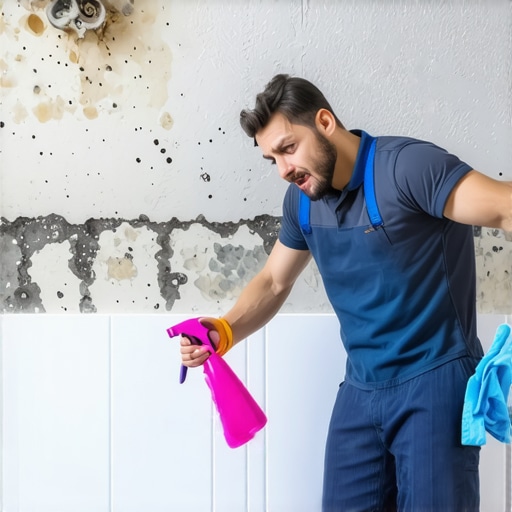
I remember the moment vividly—standing on my creaky step stool, gloved hands holding what I believed was a miracle cure for mold: a bright bottle of bleach. I had seen countless cleaning hacks touting bleach as the go-to solution, so I unscrewed the cap, sprayed generously, and hoped for quick results. But within hours, my bathroom ceiling looked worse. Streaks of mold spread, the paint bubbled, and I was left with a bigger mess—and a sinking feeling of regret. That lightbulb moment made me realize: bleach isn’t the hero it’s made out to be when tackling mold on delicate surfaces like your ceiling. Instead, it can often cause more harm than good.
Clearing Mold Isn’t Always as Simple as It Looks
Many homeowners, myself included, fall into the trap of thinking that aggressive chemical solutions like bleach will instantly rid us of mold. But the truth is, mold isn’t just a surface problem; it can embed deep into porous materials, making it resistant to superficial treatments. Plus, bleach isn’t effective at killing mold spores that have settled in places like ceilings, especially when combined with humidity and poor ventilation. A quick spray might seem effective initially, but it can leave behind stubborn residues, discoloration, and damage to your ceiling paint or drywall. The key is understanding that mold remediation requires a careful approach—one that prioritizes safety, prevents further spread, and preserves your home’s integrity.
If you’re tired of battling recurring mold or worried about using harsh chemicals around your family, keep reading. I’ll share proven methods that work better—and are safer—for your home environment. Trust me, making a few adjustments can save you time, money, and unnecessary headaches in the long run. Want to learn about effective strategies that actually work? Head over to these expert house cleaning secrets for more tips. For now, let’s debunk the myths about bleach and explore smarter ways to tackle that pesky mold without risking your health or damaging your ceilings.
Is Bleach Really Worth the Hype? I Made This Mistake Early On
When I first started cleaning, I thought more bleach meant cleaner mold. Turns out, that was a costly mistake. I overlooked the fact that bleach only temporarily masks mold stains and can actually weaken the surface over time. This mistake made me realize the importance of using proper cleaning agents that not only eliminate mold but also prevent it from returning. The good news? There are safe, effective alternatives that I wish I had known from the start. Want to avoid my pitfall? Let’s dive into what really works—no harsh chemicals required.
Start With Proper Preparation
Before diving into cleaning, clear the area of any unnecessary items and protect your belongings with plastic sheets or towels. Wear protective gear like gloves, goggles, and a mask to prevent inhaling mold spores. Turn off the HVAC system to prevent spreading spores through air vents. This preparation resembles anchoring your ship before stormy seas—it’s essential for a safe cleaning journey.
Choose the Right Cleaning Solution
Skip harsh chemicals like bleach, which can harm underlying paint or drywall. Instead, opt for natural, effective alternatives like a mixture of white vinegar and water or a commercial mold remover formulated for ceilings. These solutions penetrate and kill mold at its root. When I tried cleaning my basement ceiling, I found that vinegar not only won’t damage the paint but also keeps mold from returning, reducing future headaches. Remember, microbeads of vinegar evaporate quickly, so apply generously.
Apply and Let It Sit
Spray or sponge the solution onto the moldy areas thoroughly. For stubborn spots, let the solution sit for at least 15 minutes to penetrate deep into the mold colonies. Think of it like giving your house a Bed Bath & Beyond scrub that’s too stubborn for a quick wipe—patience pays off. Use a soft scrub brush if needed to lift off surface mold without damaging your ceiling.
Scrub Gently and Rinse
After allowing the solution to work, gently scrub the area with a soft brush or sponge to dislodge mold residues. Then, rinse with clean water to remove any remaining spores and cleaning solution. Avoid overly aggressive scrubbing that could damage ceiling paint or drywall—think of gently detangling a knot instead of pulling it apart.
Dry Completely and Improve Ventilation
Thoroughly dry the cleaned area with a fan or dehumidifier to prevent mold from regrowing. Mold thrives in moisture, so reducing humidity below 50% is crucial. Open windows if possible, or run a dehumidifier for 24-48 hours. During my last mold clean-up, running a portable fan for an hour kept the area dry and mold-resistant for weeks.
Prevent Future Mold Growth
Address underlying issues like leaks, humidity, or poor ventilation that contribute to mold growth. Install exhaust fans in bathrooms and kitchens, or use a dehumidifier in damp areas. Regularly inspect and clean ceilings to catch mold early. Visit these expert cleaning secrets for comprehensive tips on maintaining your home’s hygiene.
Many homeowners believe that more cleaning chemicals lead to a cleaner home, but that’s a misconception worth challenging. Overusing disinfectants can actually create resistant bacteria strains, as highlighted by a study in the Journal of Antimicrobial Chemotherapy, which warns that improper disinfectant use fosters microbial resistance. Furthermore, a common misunderstanding is that bleach-saturated cleaning guarantees sanitation; in reality, excessive use can damage surfaces and pose health risks, especially if misapplied. Instead, focusing on proper technique and effective alternatives—like natural solutions mentioned in expert cleaning tips—yields better, safer results.
Maintaining a sparkling home over the long term requires more than just the right techniques; it demands reliable, high-quality equipment and smart methods. From choosing the right vacuum to implementing automation tools, my goal is to share the systems I personally rely on to keep my house consistently clean and sanitized.
How do I keep my cleaning tools working like new?
One habit I swear by is regularly inspecting and maintaining my vacuum filters and brushes. For instance, I use the Dyson V11 Torque Drive because it offers powerful suction and is compatible with HEPA filters, which trap microscopic allergens. To ensure optimal performance, I clean the filters every three months with warm water and let them dry completely—this prevents loss of suction power and prolongs the life of the device. Additionally, the vacuum filter maintenance tips help me avoid common issues like musty odors and diminished performance.
For upholstery and move-out cleans, I swear by the Rubbermaid Reveal Cordless Grout and Tile Steam Cleaner. It uses steam—which is eco-friendly and effective at killing germs—without the fuss of chemical cleaners. Regular descale procedures, as recommended by the manufacturer, keep it working efficiently and prevent mineral buildup.
Tools I recommend for deep and ongoing sanitizing
My secret weapons include microfiber cloths, which once broken in, provide streak-free surfaces by trapping dust and microbes without leaving lint. I prefer the Norwex Microfiber Cloths, because their densely woven fibers are embedded with silver particles that inhibit bacterial growth, reducing the need for chemical disinfectants. Pair that with a high-quality, digital air purifier like the Blueair Classic 405, which continuously filters airborne allergens and microbes, defending my home on a daily basis.
In the future, I predict an increase in AI-integrated cleaning robots that not only vacuum but also monitor humidity and air quality, advising homeowners when to take action. This technology promises a new level of maintenance convenience—imagine your robot alerting you to mold dangers before you even notice them.
How do I maintain my tools over time?
Adopting a routine of periodic checks, cleaning, and replacing parts is key. For example, I replace vacuum bags and filters seasonally, and keep spare microfiber cloths on hand for quick swaps. Regularly descaling steam cleaners ensures no mineral deposits interfere with their germ-killing functions. Remember, even the best tools need some TLC to perform at their peak—neglecting maintenance can turn your trusted equipment into liabilities, resulting in extra expenses and compromised hygiene.
If you’re eager to step up your home sanitation game, I recommend trying the method of using a dedicated steam cleaner combined with microfiber cloths for surfaces. These tools complement each other perfectly and can significantly cut down your cleaning time while boosting effectiveness. Properly maintained tools are an investment that pays off by ensuring your home stays healthy and immaculate for years. Want personalized advice? Contact me today and let’s keep your cleaning routine running smoothly.
Lessons I Wish I Learned the Hard Way About Mold and Home Hygiene
One of my biggest mistakes was believing that quick fixes like dousing moldy ceilings with bleach would solve everything. The lightbulb moment came when I realized that such shortcuts only masked the problem temporarily and could cause surface damage. I learned that understanding the root causes, like humidity and poor ventilation, is essential to preventing future mold growth. Additionally, relying solely on chemical cleaners can backfire—natural alternatives like vinegar, when used correctly, not only kill mold but also preserve the integrity of your surfaces. This personal journey taught me that patience, proper prep, and targeting the source make all the difference in maintaining a healthy home environment.
My Go-To List for Smarter, Safer Cleaning
Over time, I’ve curated a set of tools and resources that genuinely improve my home sanitation routine. The expert house cleaning secrets have been game-changers, guiding me to choose eco-friendly products and techniques. I swear by microfiber cloths like Norwex, which trap microbes without chemicals, and the Blueair Classic 405 air purifier, which ensures my living space stays free of airborne allergens. For deep cleaning and move-out processes, the ultimate upholstery care guide provides step-by-step advice that’s both effective and gentle. These tools and sources have transformed my approach from reactive to proactive, saving me time and stress.
Your Fresh Start Begins Now—Embrace a Mold-Free Future
Keeping your home safe and healthy is an ongoing journey, but every step you take today adds up. With the right knowledge, tools, and mindset, you can prevent mold from becoming a recurring nightmare and enjoy a cleaner, brighter living space. Remember, small habits like improving ventilation, choosing natural cleaning agents, and regular inspections have a big impact. I encourage you to start implementing these proven strategies—your future self will thank you for making your home a sanctuary of cleanliness and health. Ready to take the next step? Share your experiences or ask questions below—let’s build a community committed to smarter cleaning and better living.