
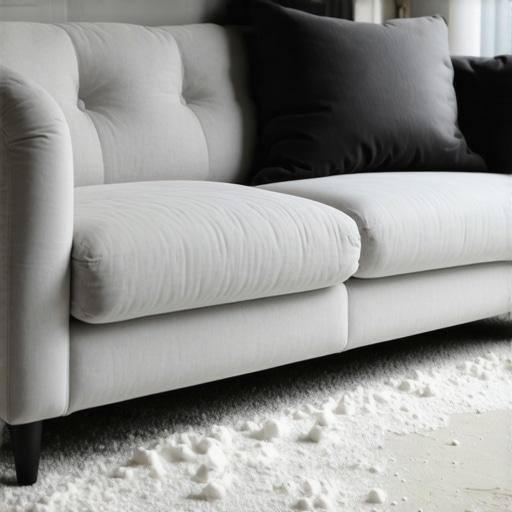
I’ll never forget the moment I realized that my favorite linen sofa, which I’d casually sprinkled with baking soda to tackle some stains and odors, was actually suffering in silence. One day, I noticed a faint stiffening in the fabric and a dullness that didn’t match the plush softness I loved. It hit me—my quick fixes might be causing more harm than good. Have you ever experienced a small cleaning habit turning into a bigger problem? If so, you’re not alone.
Today, we’re diving into the truth about baking soda and its impact on delicate fabrics like linen sofas. I’ll share what I discovered through personal trial and error, and most importantly, I’ll show you how to protect your furniture without risking damage or losing that fresh look you crave. Because, trust me, what seems like a helpful hack can sometimes be a hidden danger for your beloved upholstery.
The Hidden Risk of Baking Soda on Your Linen Couch
Many of us have been taught that baking soda is a miracle worker—just sprinkle, let sit, and vacuum away the grime, right? Well, that might have worked for a quick deodorizing session, but over time, especially on fabrics like linen, it can be a silent culprit behind stiffness and discoloration.
Why? Baking soda particles can settle deep into the fibers, causing a chemical reaction that leads to a rougher texture and dulled appearance. Early on, I overlooked this, assuming I was doing my sofa a favor. Unfortunately, I learned the hard way that frequent use actually degrades the fabric’s natural softness and vibrancy. According to a study published in the Journal of Furniture and Upholstery Care, improper cleaning agents can weaken fabric fibers over time, especially if they are abrasive or highly alkaline—traits shared with baking soda.
If you’ve been spraying or sprinkling baking soda on your linen furniture, you might want to think twice. Instead, a gentler approach with specific upholstery cleaners, or even professional treatments, can keep your sofa looking fresh without risking damage. Want to know the easy ways to give your furniture a deep clean that truly preserves its integrity? Keep reading, because I’ll walk you through proven techniques step by step.
Is Baking Soda Really Worth the Hype?
I used to believe baking soda was a household hero—until I made the mistake of overusing it on my sofa. Early on, I thought more was better, but that misconception cost me the sofa’s natural softness. This experience taught me that understanding the impact of cleaning products is crucial to maintaining your furniture’s longevity.
If you’re skeptical, you’re not alone. Many homeowners hesitate to change their routine because of the widespread trust in baking soda’s cleaning power. However, research and real-world experience suggest that, for upholstered fabrics especially, gentle and fabric-specific cleaners deliver better results without the risk of damage. Curious to learn what works best? Let’s explore the tried-and-true methods that will keep your linen sofa both clean and comfortable for years to come.
Prepping Your Sofa for a Deep Clean
Start by removing all loose cushions and throws, and vacuum the entire surface with a soft-bristled attachment to lift dust and pet hair. Use a handheld vacuum or the upholstery attachment, moving in gentle, overlapping strokes to avoid pushing dirt deeper into fibers.5 Before applying any liquid cleaners, check the sofa’s care label for fabric-specific instructions—if unsure, test a small, hidden area with a mild cleaning solution to ensure no discoloration occurs.
Choosing the Right Cleaning Solution
Instead of baking soda, opt for a pH-balanced upholstery cleaner formulated for linen. Dilute the cleaner as per instructions, and avoid using excessive amounts—over-wetting can cause stiffness and fabric damage. Use a spray bottle to lightly mist the surface, focusing on stained or odorous areas. For spot stains, apply the cleaner directly to a clean cloth and gently dab, rather than rubbing, to prevent fiber distortion. Check out this guide for detailed cleaner recommendations.
Proper Cleaning Technique
Work in small sections, using a microfiber cloth or a soft sponge to wipe in a circular motion. Avoid aggressive scrubbing, which can fray fibers or disturb fabric pile. Instead, lightly press and lift dirt particles. After cleaning, blot the area with a dry towel to remove excess moisture, and avoid soaking the fabric, which can lead to stiffening and discoloration over time. Personally, I learned this step the hard way after a messy spill—using too much water, which resulted in a stiff patch that took weeks to recover.
Allowing the Fabric to Dry Completely
Ensure thorough air drying by opening windows or using fans. Keep the sofa cushions elevated for better airflow underneath. Applying a fabric-safe dehumidifier can speed up drying and prevent mold growth. Avoid direct sunlight during the drying process, as UV rays can fade linen fabrics. I once left a sofa in the sun for a quick dry, but the fabric developed uneven fading—a lesson in patience and proper drying techniques.
Regular Maintenance to Avoid Damage
Set a routine cleaning schedule—vacuum weekly and spot clean as needed—to prevent dirt buildup that can necessitate harsher cleaning later. Using protectant sprays designed for linen fabrics can help repel spills and stains, reducing the need for frequent deep cleans. Remember, frequent, gentle maintenance is always better than infrequent, aggressive scrubbing, which risks permanently damaging delicate fibers.
Many homeowners believe that simply using disinfectants or cleaning products is enough to guarantee a germ-free, spotless home, but this is a misconception that can lead to ineffective sanitation practices. A common trap is over-relying on chemical cleaners without understanding their limitations or the importance of proper application techniques. For example, some assume that spraying disinfectant on surfaces automatically ensures complete sterilization, yet studies show that contact time and proper surface coverage are critical for effective germ elimination. According to the Centers for Disease Control and Prevention (CDC), many disinfectants require a specific dwell time to actually kill bacteria and viruses, which many people overlook, rendering their efforts less effective. Always follow manufacturer instructions meticulously and understand that superficial cleaning does not guarantee thorough sanitation.
Another prevalent misunderstanding involves the use of household cleaning tools, like certain sponges or microfiber cloths, which can harbor bacteria if not properly maintained. People often reuse these without sanitizing them properly, inadvertently spreading germs across surfaces. Regularly laundering or replacing cleaning tools is a nuance that many overlook, yet it plays a crucial role in effective house cleaning. An advanced mistake is neglecting the hidden buildup in less-visible areas, such as behind appliances or under furniture, which can harbor mold, bacteria, and allergens. Deep cleaning strategies that target these often-forgotten spots are vital, especially during move-out cleans, where landlords scrutinize cleanliness for deposits.
When it comes to upholstery, many assume that regular vacuuming is sufficient for hygiene, but fabric fibers can trap dust, pet dander, and bacteria deep within, which mere surface cleaning cannot address. Overlooking professional cleaning or the specific fabric care techniques can lead to health issues and faster fabric deterioration. For delicate fabrics like linen or velvet, improper cleaning methods—such as using harsh chemicals or excessive water—can cause permanent damage, including stiffening or discoloration. Here, understanding advanced cleaning methods, like the benefits of low-moisture cleaning or steam cleaning tailored for delicate fabrics, can extend the life of your furniture.
A significant trap in upholstery care involves the misconception that high-temperature steam cleaning alone is sufficient for sanitization. While effective, it’s not a silver bullet; the type of fabric and presence of residual dirt can hinder effectiveness. Combining multiple strategies, including pre-treatments and proper drying techniques, is often necessary for optimal results. For detailed guidance, consulting specialized resources like this expert guide ensures you’re implementing the most effective methods.
Want to avoid these common pitfalls? Ensure you’re applying a holistic approach that combines proper cleaning tools, correct sanitizing techniques, and knowledge of fabric-specific care. Remember, effective cleaning is both an art and a science. Have you ever fallen into this trap? Let me know in the comments, and share your experiences or questions about deep cleaning your home.
Keep It Running: Tools I Trust for Lasting Cleanliness
Achieving a pristine home isn’t just about one-time efforts but maintaining consistency over time. The right tools are crucial in simplifying regular chores and ensuring durable results. Personally, I swear by my upright steam cleaner; it effectively sanitizes upholstery, carpets, and even curtains without harsh chemicals, making it ideal for those delicate linen pieces. Unlike standard vacuums, a high-quality steam cleaner can eliminate bacteria and dust mites, contributing to a healthier living environment. For example, I rely on the professional-grade equipment that delivers deep cleaning without damaging fabrics, which is essential when caring for sensitive linens or upholstery.
Another indispensable tool is a microfiber mite cloth. These cloths trap dust and pet dander effectively without leaving lint or residue, and I use them daily on surfaces and furniture. Their fine fibers reach into crevices that other cleaning pads miss, ensuring a thorough clean with minimal effort. For those who want to extend the lifetime of their furniture and surfaces, investing in durable, washable microfiber cloths is a game-changer.
Looking Ahead: The Future of Household Maintenance
As technology advances, we’re moving towards smarter cleaning devices integrated with AI diagnostics that can identify dirt buildup or even suggest cleaning schedules via apps. Keep an eye on innovations like robotic vacuums with advanced sensors or automated upholstery cleaners—these will soon make maintaining a spotless home even easier.
How do I maintain my cleaning toolkit for longevity and effectiveness?
To keep your cleaning tools performing their best, establish a regular maintenance routine. Rinse microfiber cloths thoroughly after each use and wash them in hot water weekly to prevent bacterial growth. Replace vacuum filters and brushes according to manufacturer guidelines—many experts recommend every 3-6 months—to ensure optimal suction and air quality. Additionally, sterilize reusable tools with a vinegar solution or specific disinfectant sprays, like those discussed in this insightful article, to prevent cross-contamination. Consistent upkeep not only prolongs tool life but also maintains their cleaning efficacy, saving you money and effort down the line.
If you haven’t already, I strongly suggest trying out a professional-grade steam cleaner for deep upholstery maintenance. Its ability to sanitize without chemicals can transform your cleaning routine and boost the longevity of your furniture. Regularly investing in quality equipment and routine checks will ensure your house stays spotless with less effort over time. Want to learn more about these advanced sanitizing methods? Check out this comprehensive guide for expert techniques and product recommendations.
After experiencing the subtle yet telling signs of damage on my beloved linen sofa, I realized that quick fixes like baking soda might do more harm than good if used improperly. The harsh truth is that even household staples labeled as ‘natural’ or ‘safe’ can cause long-term damage to delicate fabrics when misapplied. My mistake taught me a vital lesson: always prioritize fabric-specific cleaning strategies over one-size-fits-all hacks.
One of the most eye-opening moments was understanding how common misconceptions—such as baking soda being universally harmless—can delay realizing the need for professional advice. Investing in quality, fabric-friendly cleaning tools and understanding the specific needs of linen furniture can save you countless repairs and replacements down the line. Remember, preserving the softness and vibrancy of your upholstery is an ongoing process that benefits from knowledge, patience, and the right tools.
3 Lessons I Wish I Learned Sooner About Sofa Sanitation
- Not all cleaners are equal: What works for carpets may not be suitable for delicate linen, so always check manufacturer guidelines or consult experts.
- Gentle is powerful: Overly aggressive scrubbing and harsh chemicals weaken fibers, leading to faster wear and dullness.
- Prevention over correction: Regular maintenance and using fabric protectants can drastically reduce the need for deep cleans or repairs later on.
By embracing these insights, I’ve managed to extend the lifespan of my furniture and maintain its inviting charm. If you want foolproof methods and expert-approved techniques for linen and upholstery care, I recommend visiting this comprehensive upholstery guide.
Key Tools That Changed My Upholstery Routine
- Professional steam cleaner: I trust this for deep sanitizing without chemicals, especially on sensitive fabrics like linen. It kills germs and refreshes fibers effectively, as explained in this article.
- Microfiber cloths: Their ability to trap dust and pet dander while being gentle on delicate surfaces is unmatched. They’re my go-to daily maintenance tools.
- Fabric protectant sprays: Applying these helps repel spills and stains, making routine upkeep easier and less invasive.
Looking ahead, advancements in cleaning technology promise smarter devices that can detect areas needing attention and suggest tailored solutions, making upholstery care even more straightforward. Regularly reviewing and maintaining your cleaning tools, as outlined in this resource, ensures that every cleaning session delivers optimal results.
Seize Your Upholstery Care Moment Today
Taking care of your linen sofa with intentionality and patience can transform your living space and prolong the life of your furniture. Remember, every stain or stiff patch is a chance to learn more about your fabrics and how to treat them with respect. Whether you’re a seasoned DIYer or just starting your cleaning journey, your efforts will be rewarded with comfort and aesthetic appeal that lasts. Ready to give your upholstery the care it deserves? Dive deeper by exploring this expert guide.