
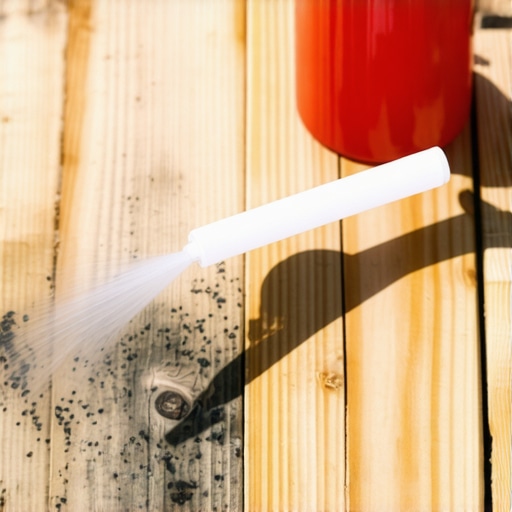
I remember the first time I blitzed my entire house with my favorite disinfectant spray, feeling proud of my thoroughness. Yet, days later, I noticed a persistent musty smell on my upholstery and a stubborn stain on my carpet corner. That moment was a lightbulb flickering—despite my efforts, some surfaces just wouldn’t get sanitized properly. Turns out, I was falling into a common trap that many homemakers and cleaners do: relying solely on disinfectant sprays designed for hard, non-porous surfaces. The disappointment hit hard when I realized my
Prepare Your Cleaning Arsenal
Before diving into the cleanup, gather essential supplies: microfiber cloths, scrub brushes, a vacuum cleaner with attachments, a steam cleaner if available, and eco-friendly cleaning solutions. Think of your cleaning tools as your team of specialists, each designed for specific tasks, much like a mechanic has different tools for different car repairs. In my recent move-out clean, I loaded my cart with all these items, ensuring I was ready to tackle every surface with precision.
Deep Clean Upholstery and Fabrics
Upholstery can trap dust, pet dander, and stains. Start by vacuuming surfaces thoroughly, using attachments to reach crevices. For fabric furniture, apply a gentle fabric-safe cleaner and use a soft-bristled brush to loosen grime. I vividly recall tackling a beige sofa stained from years of use; after a thorough vacuum and a light scrub with upholstery cleaner, it looked significantly brighter. For persistent odors, sprinkle baking soda, let it sit for 15 minutes, then vacuum—this simple step can make your furniture smell fresh again.” alt=”Upholstery cleaning process with spray and brush” title=”Upholstery Cleaning Tips”/> Be cautious not to saturate fabrics, as excess moisture can lead to mold or water stains. Remember, always test cleaning solutions on a hidden area first to prevent discoloration. You can explore more upholstery cleaning tips at Upholstery Cleaning Guide.
Sanitize Surfaces Properly
Disinfection isn’t just about spraying a product and hoping for the best. Focus on high-touch surfaces: door handles, light switches, countertops, and appliance handles. Use a microfiber cloth dampened with an effective sanitizer—preferably one proven to kill germs on porous surfaces, as some disinfectants don’t penetrate. Apply the sanitizer generously and let it sit for the contact time specified on the label. For an extra hygienic boost, consider a steam cleaner on hard surfaces to kill bacteria and dust mites simultaneously. I learned this lesson when my initial wipe didn’t eliminate some stubborn germs, but the steam cleaner did the trick, leaving surfaces visibly cleaner and safer. For detailed sanitizing techniques, visit Effective Sanitizing Methods.
Target Hidden Grime Areas
Difficult spots like behind appliances, under sinks, and inside cabinetry often get overlooked but harbor grime that can ruin move-out inspections. Use a flexible brush or an extending duster to reach these areas. My recent experience involved crawling under my kitchen sink, where I discovered a layer of soap scum and lint. With a mix of baking soda, vinegar, and a scrubbing brush, I managed to lift years of buildup—saving me from potential deductions. For these tricky spots, a combination of natural cleaners and a bit of elbow grease works wonders. Remember, grime can be a sign of neglected maintenance, so pay close attention to these areas.
Finish with Final Touches and Inspection
Once the heavy-duty cleaning is done, walk through your space systematically, checking for missed spots or streaks. Use a clean microfiber cloth to wipe down glass surfaces and mirrors; a common mistake is leaving water spots, which can be avoided with a streak-free vinegar solution. Prioritize replacing or cleaning air filters, light bulbs, and ensuring all trash is removed. This meticulous approach can prevent last-minute surprises during move-out inspections. By following these concrete steps, you not only spruce up your home but also increase your chances of securing your full deposit, as outlined in Move-Out Cleaning Hacks.
Many assume that standard cleaning routines suffice for move-out cleanliness, but the real world reveals nuanced challenges that often trip up even seasoned homemakers. One prevalent myth is that disinfectants alone guarantee thorough sanitation; however, studies indicate that disinfectants’ effectiveness heavily depends on contact time and surface porosity, especially on fabrics and porous surfaces. Relying solely on sprays without proper dwell time can give a false sense of security, leaving harmful microbes alive and compromising inspection outcomes. Moreover, a common mistake involves neglecting hidden grime in overlooked areas like behind appliances or inside cabinetry, which harbor stubborn residues and can lead to deductions. Advanced cleaning demands a strategic approach—targeting these tricky spots with tailored solutions ensures comprehensive hygiene.
Are Steam Cleaners Always Effective on Delicate Fabrics or Can They Cause Damage?
Contrary to popular belief, steam cleaning isn’t universally appropriate. While effective for hard surfaces and certain upholstery, improper use on synthetic fabrics can cause discoloration or deformation, especially if the fabric isn’t rated for high heat or moisture. Experts recommend testing on hidden areas before full application and adjusting steam pressure accordingly. According to a study from the Institute of Cleaning Science, overusing high-temperature steam on unsuitable materials increases the risk of damage, highlighting the importance of understanding material compatibility. To maximize safety, combine techniques—use chemical agents for fragile fabrics and reserve steam for durable surfaces. For more insights on optimizing your cleaning strategy, explore effective sanitizing methods. Remember, a one-size-fits-all mentality often backfires; educate yourself on material sensitivities to avoid costly repairs or replacements later. Have you ever fallen into this trap? Let me know in the comments.
Prioritize Quality Equipment for Consistent Results
Investing in the right tools is essential for maintaining a high standard of cleanliness. I personally swear by my commercial-grade steam cleaner, which has proven to be invaluable for sanitizing upholstery, tiles, and even delicate fabrics without the risk of water stains or damage. Unlike consumer models, my preferred equipment offers adjustable pressure and temperature controls, allowing me to tailor each cleaning session precisely to the surface and material. For instance, I use a Fel Pro SteamPro model that heats water to over 200°F, effectively killing germs and loosening grime simultaneously, as highlighted in this resource. Using professional-grade tools reduces the need for frequent replacements and ensures long-term durability, ultimately saving time and money.
Consistent Maintenance Extends Tool Lifespan
To keep your cleaning equipment performing optimally, regular maintenance is crucial. I recommend emptying water tanks after each use to prevent mineral buildup that can clog nozzles or valves. Additionally, inspecting and replacing worn brushes or filters every few months ensures maximum efficiency. For my vacuum cleaners, I use HEPA-certified filters, which trap allergens and improve air quality while maintaining suction power over years. Implementing a routine check-up, similar to what professional cleaning services do, helps prevent unexpected breakdowns and prolongs your investment. Check your manufacturer’s guidelines, as many recommend descaling steamers with vinegar solutions quarterly, which prevents corrosion and mineral deposits. If you want your tools to keep delivering excellent results, dedicate a few minutes after each session to these simple maintenance steps.
Tools That Scale Up Your Cleaning Capabilities
Looking ahead, I believe the industry will see more integration of smart technology and AI-powered devices. Imagine a robotic vacuum that not only cleans but also analyzes dirt accumulation levels and schedules maintenance accordingly. Already, some models incorporate app control, allowing remote operation and diagnostics, which helps manage large spaces with minimal effort. As these innovations become more affordable, homeowners can expect to streamline their routines further, ensuring ongoing cleanliness with reduced manual oversight. For now, I recommend pairing a high-quality microfiber mop with a steam cleaner—together, they cover most surfaces effectively and reduce chemical usage, aligning with eco-friendly trends. Upgrading your toolkit with these versatile devices can significantly cut down cleaning time and increase effectiveness.
How do I maintain my cleaning tools over time?
Maintaining your cleaning arsenal involves more than just basic upkeep. It’s about creating a routine to inspect, clean, and replace parts as needed. For example, regularly checking hoses for leaks in steam cleaners or cleaning lint filters in vacuums is vital. According to the expert insights, paying attention to these small details prevents equipment failure and ensures optimal performance. Additionally, storing tools properly—like hanging mops and keeping attachments dry—avoids mold and deterioration. Scheduling quarterly deep cleans of your equipment can uncover hidden issues before they cause breakdowns. By adopting a proactive maintenance approach, you’ll ensure your tools remain effective and extend their lifespan, making your cleaning routines more efficient and sustainable.
What I Wish I Knew When I Started Cleaning
One of the most profound lessons I learned is that surface cleaning doesn’t cut it—attention to hidden grime and porous surfaces makes all the difference. I once thought wiping counters was enough, only to discover buildup behind appliances and inside cabinets. This realization pushed me to develop a more strategic approach to move-out cleaning.
Another insight is the importance of knowing your materials. Not all upholstery responds well to steam cleaning, and using high heat on synthetic fabrics can cause damage. Testing in hidden areas has saved me from costly mistakes and preserved the integrity of delicate fabrics.
Lastly, investing in quality equipment—like a professional-grade steam cleaner and microfiber tools—transformed my cleaning routine. They might seem costly initially, but the durability and efficiency they offer are invaluable for long-term results.
Tools and Resources That Changed My Cleaning Game
- Fel Pro SteamPro Steam Cleaner: Its adjustable settings and robust build have made sanitizing upholstery and hard surfaces effortless. I trust it because it consistently delivers professional results at home.
- Microfiber Magic Cloths: These are my go-to for streak-free surfaces and capturing dust without chemicals. Their durability and effectiveness keep my cleaning routine eco-friendly and cost-effective.
- Upholstery Cleaning Tips from Spotless Carpetz: Their comprehensive guides help me tackle stubborn stains and odors safely. The practical advice is backed by expert insights, giving me confidence in my methods.
- Sanitizing Secrets for a Safer House: Learning how contact time and proper techniques influence germ elimination has revolutionized my approach to disinfection, making my home genuinely safer.
Seize the Power to Transform Your Space
Cleaning isn’t just about appearance—it’s about creating a safe, comfortable environment you love. Equip yourself with knowledge, the right tools, and a plan, and you’ll discover that move-out cleaning can become a rewarding process rather than a daunting chore. Remember, every thorough swipe, scrub, and polish brings you closer to a space that feels truly yours and ready for its next chapter. Don’t wait—start implementing these strategies today and see the difference it makes!
Have you ever struggled with tricky hidden spots or choosing the right equipment for upholstery? Share your experience below—I’d love to hear your insights and tips!