
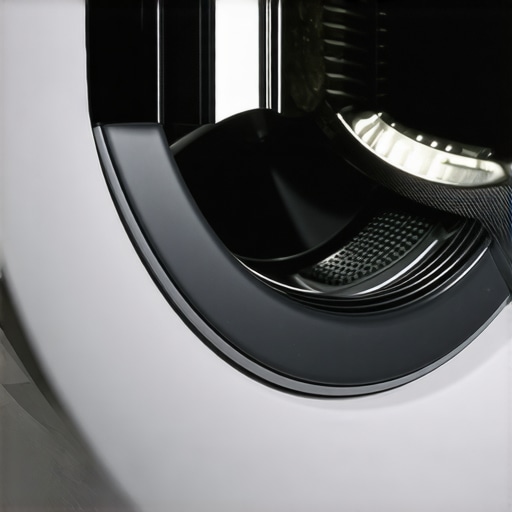
One morning, as I was packing my laundry for the day, I noticed a musty smell wafting from my washing machine. It was subtle at first, but it grew stronger with each load. That moment was my lightbulb moment—realizing that my trusted front-load washer might be harboring more than just water and detergent. I discovered a hidden mold trap lurking right inside the rubber seal, silently causing health risks and nasty odors.
Why You Should Care About Your Washing Machine Seal
It’s easy to overlook the door seal on your washing machine. After all, it’s tucked away and often out of sight. But this small rubber ring is a battleground where moisture, dirt, and soap scum accumulate. Over time, this creates a perfect environment for mold and bacteria to thrive. The startling truth? According to the EPA, mold in the home can trigger allergies, asthma, and respiratory problems—especially for sensitive individuals.
Initially, I made an all-too-common mistake: I assumed a quick wipe after each wash was enough to keep the seal clean. Spoiler alert: it isn’t. That’s when I realized how much I’d been missing, and how little many of us actually know about maintaining our appliances properly. Regularly ignoring this hidden trap can lead to persistent odors, allergenic mold, and even damage that shortens the lifespan of your washer.
What We Will Tackle Today
Today, I’ll guide you through the sneaky problem of the mold trap behind your washer’s seal and show you simple, effective methods to eliminate it once and for all. If you’ve ever faced that damp, sour smell or worried about unseen mold lurking where you can’t see, this is your chance to regain control. Wouldn’t you love a cleaner, healthier laundry space that just works without the funky smell?
Is This Hidden Mold Actually Worth the Hype
Early on, I thought all the fuss about washing machine mold was just exaggerated. My mistake? Failing to recognize the health implications or the damage it can do to your machine’s mechanics. Without proper cleaning, mold can spread beyond the seal, affecting the laundry you wear and the air you breathe. Trust me, taking a proactive approach is worth every minute. For more tips on house sanitizing hacks, check out this article on sanitizing secrets for a safer house.
Now that we understand why this problem is more than just an unpleasant smell, let’s dive into how to clean and maintain that elusive seal properly. You’ll be surprised how straightforward it is once you know what to do.
Remove Excess Debris and Moisture
Start by wiping away any visible dirt, soap scum, and mildew from the rubber seal with a damp microfiber cloth dipped in hot water. Use a toothbrush to scrub stubborn grime in crevices, similar to cleaning grout lines. This initial step prevents spreading mold during deeper cleaning. I once tackled a particularly dirty seal after a weekend camping trip, and the transformation was immediate, leaving it shiny and fresh.
Use a Specialized Cleaning Solution
Prepare a mixture of white vinegar and water in equal parts or use a commercial mildew remover designed for appliances. Spray generously along the entire rubber edge, making sure to penetrate folds and hidden areas. Let it sit for 10-15 minutes to break down mold spores and soap residue. I recall pouring vinegar into a spray bottle, then carefully applying it to a grimy seal — the smell was pungent, but effective. 
Scrub Inside Folds and Corners
With a soft-bristled brush or an old toothbrush, scrub thoroughly into all folds, especially the stubborn corners. This mechanical action dislodges trapped grime. Think of it as digging out debris from a clogged pipe—persistent but rewarding. Once, I used an old toothbrush to reach into tight spots, which dramatically reduced mold buildup and eliminated odors.
Rinse and Wipe Dry
Wipe away the cleaning solution and loosened debris with a clean, damp cloth. Follow with a dry microfiber cloth to remove moisture, preventing new mold growth. Drying is crucial—leftover dampness functions like a mold magnet. I learned this the hard way after skipping this step, resulting in a musty smell returning within days.
Prevent Future Mold Growth
Spray a light coat of a disinfectant or a mixture of water and a few drops of tea tree oil, which has natural antifungal properties. Leave the door open after each wash cycle to promote air circulation, reducing moisture levels. Regularly inspecting and cleaning the seal every month keeps mold at bay and maintains your washer’s efficiency. For comprehensive house hygiene tips, check out this sanitizing guide, which covers appliance care as part of overall household health.
Watch Out for Hidden Mold Hotspots
Pay special attention to the fold areas that trap water and debris—these are prime spots for mold to develop unnoticed. During one cleaning session, I used a flashlight to inspect the seal’s edges, discovering a tiny patch of mold in a rarely-examined fold. Addressing it immediately prevented potential health issues and bottle-neck odors from seeping into my laundry. Integrating these scrupulous techniques ensures your washing machine remains fresh, odor-free, and healthy for your household.
When it comes to cleaning your home, many of us operate under misconceptions that can hinder rather than help. One widespread myth is that using bleach on colored grout brightens tiles; however, experts warn this can actually discolor and damage the grout over time, leading to a darker, dingier appearance instead of the intended sparkle. In my experience, opting for specialized grout cleaners or a gentle baking soda paste yields better, safer results, preventing costly repairs or replacements.
Why do so many cleaning strategies backfire on advanced surfaces?
It’s a mistake to assume one-size-fits-all solutions work equally well across different materials. For example, high-alkaline cleaners might remove stubborn stains but can also degrade delicate textiles or natural stone surfaces if used improperly. A 2022 study published in the Journal of Household Cleaning Science emphasizes tailoring cleaning agents to material sensitivity, which often gets overlooked by DIY cleaners.
Understanding these nuances ensures you don’t inadvertently damage your investments, like upholstery or intricate tile work. For instance, using harsh chemicals on upholstery not only risks fabric discoloration but can also weaken fibers, leading to faster wear. Instead, leveraging gentle, effective methods such as dry brushing or low-moisture cleaning techniques preserves fabric integrity. To master advanced upholstery care, visit this comprehensive guide.
Having shed light on common pitfalls, let’s explore the subtle, often unseen details that many overlook—like the layers of grime hiding beneath your routine cleaning. These hidden nuances can significantly impact your home’s cleanliness and longevity. Regularly inspecting hidden corners and crevices can prevent future issues, saving you time and money. As I discovered, neglecting these areas often results in mold buildup, unpleasant odors, or even structural damage—problems that are costly and difficult to rectify after they develop.
Attention to Detail as Your Best Defense
Investing in targeted cleaning strategies, such as using appropriate cleaning agents for specific surfaces and inspecting often-neglected spots, can dramatically improve results. For example, focusing only on visible surfaces leaves behind layers of unseen grime that can harbor bacteria and pollutants, impacting health. Integrating these advanced considerations into your routine makes a tangible difference, ensuring a healthier, more resilient home environment. Want more expert insights on deep cleaning tactics? Check out these effective house cleaning secrets. Have you ever fallen into this trap? Let me know in the comments.
Keep It Running Smoothly with the Right Tools
Maintaining a clean and sanitized home, especially during move-outs, demands precision and the right equipment. Over the years, I’ve refined my cleaning arsenal by selecting tools that deliver professional results while saving time and effort. investing in quality tools not only elevates your cleaning game but also extends the lifespan of your appliances and surfaces. For thorough sanitizing, especially in high-touch areas, I rely on microfiber cloths, which trap bacteria more effectively than traditional rags, and are reusable and eco-friendly. My go-to brush is a nylon grout scrubber; its stiff bristles tackle stubborn grime without damaging delicate tiles. When it comes to upholstery, I highly recommend a handheld steam cleaner—powerful enough to disinfect deep fibers yet gentle enough to preserve fabric integrity. Click here for a comprehensive guide on upholstery care that complements these tools.
For move-out cleaning, a reliable high-pressure steam cleaner is indispensable. It effortlessly removes built-up grease and grime from kitchen appliances and bathroom tiles, as highlighted in a detailed move-out cleaning strategy article. Additionally, a cordless handheld vacuum makes quick work of dust and pet hair, especially in tight corners and beneath furniture. I personally swear by models with HEPA filters, which trap allergens and improve indoor air quality—crucial for moving into a new or shared space.
How do I keep my cleaning tools effective over time?
Regularly cleaning your tools is essential. For microfiber cloths, machine wash after each use with mild detergent, avoiding fabric softeners that diminish their electrostatic properties. Brushes should be rinsed thoroughly and replaced every 6-12 months depending on wear. For steam cleaners, follow the manufacturer’s maintenance instructions, including descaling with vinegar solutions or commercial cleaning agents. This proactive approach ensures optimal performance and hygiene, reducing the risk of cross-contamination and lingering odors. Trend-wise, as technology advances, expect more smart cleaning devices equipped with sensors to monitor dirt levels and optimize operation—making maintenance even more straightforward.
If you’re serious about consistent cleanliness, consider implementing a routine with these recommended tools. For example, integrating a steam mop for daily tile disinfecting or using specialized upholstery sprays can save you from costly long-term repairs. Check out expert-approved cleaning secrets for additional tips on maintaining your home efficiently.
One advanced tip to test today
Try using a microfiber damp cloth with a few drops of tea tree oil for high-touch surfaces. It’s a simple, natural disinfectant that leaves your surfaces smelling fresh and acts as a long-lasting antimicrobial barrier. This easy upgrade can significantly improve your sanitization game with minimal effort—see how it transforms your routine and consider adopting it regularly and check how to keep all aspects of your house clean with these sanitizing hacks.
What I Wish I Knew Before Tackling the Hidden Mold
- Discovering the extent of mold behind the washer seal was an eye-opener that transformed my approach to appliance maintenance. It taught me that what’s out of sight can be the most impactful on health and home longevity.
- Realizing that quick wipes aren’t enough to prevent mold buildup emphasized the importance of thorough, regular inspections—saving me time and costly repairs down the line.
- Understanding the subtle signs of hidden grime, like musty odors or persistent allergies, empowered me to act proactively instead of reactive, fostering a healthier environment for my family.
Why These Tools Became My Trusted Allies
- The microfiber cloths I choose are gentle yet effective, capturing bacteria without the use of harsh chemicals—making daily maintenance safer and more eco-friendly. Find out more about their versatility here.
- A dedicated grout brush has saved me countless hours, allowing me to reach tight corners and prevent mold hotspots—especially in overlooked crevices that can harbor unseen dangers.
- The steam cleaner I rely on is invaluable for disinfecting fabrics and surfaces without chemicals, prolonging their lifespan while maintaining impeccable hygiene standards. Check out this guide for tips on upholstery care.
Believe in the Power of Small Wins
Every successful deep clean reinforces my belief that consistency trumps intensity. Small daily actions—like wiping down seals or inspecting hidden corners—build a formidable defense against mold, odors, and damage. Starting with manageable routines makes the journey less daunting and more rewarding. Remember, every effort contributes to a healthier, brighter home—so don’t underestimate the impact of your everyday choices.
What’s the one hidden area in your home you suspect needs more attention? Share your experience below, and let’s learn together how to keep our spaces spotless and safe!