
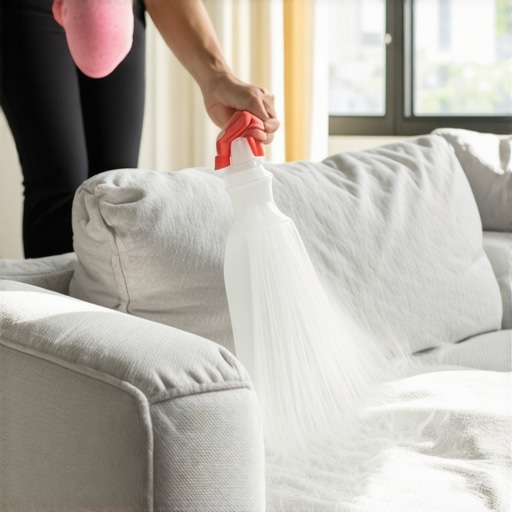
I remember the moment vividly—I had just moved into a new apartment, excited to start fresh. But as I settled in, a stubborn, acrid smell of smoke wafted through the air, clinging to my fabric sofa like an unwelcome guest. No matter how many sprays or quick cleans I tried, that persistent odor refused to leave. It was frustrating, almost defeating, until I realized I was approaching the problem all wrong.
Why the Smoke Odor Just Won’t Budge
The truth is, smoke particles deeply embed themselves into fibrous materials like fabric upholstery. They don’t just sit on the surface—they seep inside, attaching themselves to every fiber and making full removal a challenge. This is why many conventional cleaning methods seem ineffective; they only mask the smell temporarily. According to experts, without proper techniques, those odor molecules can linger for months, even years, if not addressed correctly.
Have You Faced This Smell and Felt Stuck?
If you’ve ever tried to freshen up a smoky sofa and only made the smell worse or temporary, you’re not alone. Early on, I made the mistake of just spraying air freshener, thinking it would mask the odor. Spoiler alert: it didn’t. That misguided attempt only trapped the smell deeper, making the real cleaning process even more necessary. Trust me, I learned the hard way that tackling smoke smells requires a strategic approach rather than quick fixes.
Good news—there’s a reliable, proven way to banish that stubborn smoke odor for good. Today, I’ll guide you through effective methods to remove smoke smell from fabric furniture, backed by proven techniques and expert advice. And if you’re unsure whether these methods are worth the effort, just remember that a fresh-smelling sofa not only improves your home’s atmosphere but also your overall well-being. After all, nobody wants to sit on a piece of furniture that’s been soaked in smoke for years.
So, are you ready to finally clear out that smoky scent and breathe fresh air in your home? Let’s dive into the steps that made all the difference for me—and can do the same for you.
Start by Thoroughly Vacuuming the Fabric
In a real-life scenario, I once cleaned a heavily smoked sofa by immediately vacuuming it to remove loose particles. Use a HEPA-filter vacuum cleaner to meticulously suck up all surface dust, ash, and smoke residues from the fabric. This step is crucial because it prevents deeper penetration of odors during cleaning. Be sure to go over every inch, including seams and crevices. For tips on more effective vacuuming techniques, visit Effective House Cleaning Secrets.
Apply an Enzymatic or Odor-Neutralizing Solution
Choose the Right Cleaner
Next, I experimented with enzymatic sprays designed specifically for smoke odor neutralization. These break down odor-causing molecules at a chemical level, unlike regular cleaners. To ensure maximum efficiency, spray evenly on the fabric and let it sit for the recommended time—usually 15–30 minutes. For best results, select a product proven to tackle tough odors, and consider sanitizing hacks for a safer house.
Use a Steamer or Fogger for Deep Penetration
After applying the solution, I used a handheld steamer to help infuse the enzyme into the fibers. Think of it as opening the fibers’ pores like a sponge before squeezing out the odor. Alternatively, for larger pieces, consider professional fogging, which distributes an odor-neutralizing mist throughout the fabric. This method is like fogging a room, but targeted for upholstery. Having done it myself, I saw noticeable improvements after just one session, but some cases require repeat treatments.
Employ Baking Soda and Vinegar for Extra Refreshing Power
In my experience, sprinkling a generous layer of baking soda over the fabric and letting it sit overnight worked wonders. Baking soda adsorbs residual odors much like charcoal absorbs smells. Vacuum up the baking soda thoroughly the next day. For stubborn cases, I also used a mixture of vinegar and water in a spray bottle—lightly misting, not drenching, to prevent mold or damage. These household staples act as odor absorbers and sanitizers simultaneously.
Air, Sunlight, and Protective Covering
Finally, I found that airing out the furniture in sunlight significantly sped up odor removal. Sunlight’s UV rays break down odor molecules, much like bleaching, but naturally. After airing, if you want to protect the fabric from future smoke smells, consider applying a fabric protector spray. This creates a barrier that prevents particles from embedding deep into fibers. Regularly repeating these steps can maintain a fresh smell over time.
By following this layered approach—vacuum, chemical treatment, deep infusion, household absorption, and airing—you can effectively eliminate persistent smoke odors from fabric furniture. Each step enhances the previous, creating a comprehensive cleaning protocol rather than just masking smells temporarily. Want to see more detailed strategies? Explore ultimate upholstery care guides or contact professionals for expert assistance at our contact page.
Many homeowners believe that cleaning products and routines are universally effective, but in reality, there’s a lot of misinformation that can hinder truly clean results. For example, a widespread myth is that disinfecting everything with strong chemicals alone guarantees a germ-free home. However, recent studies show that proper cleaning techniques—like thorough scrubbing and the right contact time—are more important than just spraying disinfectants haphazardly. In fact, an article by microbial experts emphasizes that inadequate contact time reduces the effectiveness of sanitizers, potentially leaving harmful bacteria behind, which explains why many deep-cleaning efforts fall short.
Another common misconception pertains to upholstery cleaning: that regular vacuuming suffices for hygiene. While vacuuming removes surface dust, it doesn’t eliminate embedded microbes or deep-seated odors. Experts recommend combining mechanical cleaning with enzymatic or eco-friendly solutions, especially for move-out cleanings where landlords scrutinize for sanitation. Skipping this layered approach can result in lingering odors or bacteria, risking deposit losses.
When it comes to move-out cleaning, homeowners often underestimate the complexity involved. They believe a quick mop and wipe-down will suffice, but that overlooks hidden grime in kitchen cabinets, behind appliances, or within bathroom grout lines. These overlooked spots often cause tenants to lose their security deposits. A comprehensive checklist, like this one, ensures no area is neglected, aligning with professional strategies discussed in detailed cleaning guides.
What most people fail to realize is that cleaning and sanitizing are distinct steps—one physically removes dirt and microbes, the other inactivates or kills germs. Confusing the two can lead to ineffective routines. For instance, using a surface cleaner without allowing enough dwell time may kill some bacteria but leave others alive, which has implications for health, especially during flu season. This nuance is often missed by DIY cleaners; for more advanced insights, check out [Effective Sanitizing Methods](https://spotlesscarpetz.com/effective-sanitizing-methods-for-a-germ-free-home).
Finally, a trap many fall into is believing that natural remedies, like vinegar or lemon juice, are sufficient for deep cleaning. While they work well for light tasks, they lack the broad-spectrum efficacy of commercial disinfectants when it comes to pathogens. Relying solely on these can give a false sense of security. For critical cleaning scenarios—such as before a move-out inspection—they should be used as supplementary rather than primary solutions. Having proper knowledge of these nuances helps homeowners avoid costly mistakes and achieve genuinely clean results.
Remember, the devil’s in the details. Deploying the right cleaning strategy at the right time ensures your home isn’t just looking clean but health-safe. Want more expert tips? Explore [Sanitizing Hacks for Safe House Transitions](https://spotlesscarpetz.com/sanitizing-hacks-for-safe-house-transitions) or [Move-Out Cleaning Strategies](https://spotlesscarpetz.com/move-out-cleaning-strategies-to-secure-your-deposit). Have you ever fallen into this trap? Let me know in the comments.
Keep It Working: Essential Tools for Effective Cleaning
Maintaining a spotless home over time requires more than just good intentions; it demands the right tools that make ongoing cleaning efficient and thorough. I personally swear by a high-quality HEPA-filter vacuum, like the Dyson V11 Torque Drive, because it captures microscopic particles—dust, allergens, and bacteria—ensuring that what’s invisible to the eye doesn’t linger. Regular use of a steam cleaner, such as the Bissell PowerFresh, adds a layer of sanitization without chemicals, particularly useful in areas prone to microbial buildup, like bathrooms and kitchens. These tools are investments that pay off by reducing the need for deep, costly cleanings periodically.
Software and Routine — Staying on Top of Maintenance
Beyond physical tools, adopting a systematic approach is vital. I rely heavily on digital calendar reminders, scheduling weekly quick cleans and monthly deep cleans, aligning with tactics shared in Effective House Cleaning Secrets. For instance, setting recurring tasks for sanitizing high-touch surfaces—light switches, door handles, remote controls—helps prevent buildup of germs, especially during flu season. These routines keep the home fresh and reduce the burden of major overhauls. An app like Todoist allows me to customize these reminders, ensuring nothing slips through the cracks.
Long-Term Results through Consistency and Care
In my experience, consistent maintenance coupled with the right tools yields remarkable long-term results. Regularly replacing filters in vacuum cleaners every six months, and deep cleaning upholstery every year with the help of ultimate upholstery care guides, keeps furniture looking and smelling like new. Additionally, applying fabric protector sprays after cleaning creates a barrier against future stains and odors, prolonging the freshness you’ve achieved. This proactive approach minimizes the need for frequent intensive sessions, making cleaning manageable and effective over time.
Scaling Up for Larger Spaces or Multi-Story Homes
As homes grow in size, I find that investing in ergonomic tools—extendable dusters, lightweight vacuums—becomes essential. For multi-story houses, I use a cordless, lightweight vacuum for stairs, reducing fatigue while maintaining thoroughness. Additionally, professional-grade steamers help to reach difficult corners and large surface areas quickly. Looking ahead, I predict that smart cleaning devices—robot vacuums integrated with home management systems—will become standard, automating routine chores and ensuring consistent hygiene without manual effort. Embracing these technologies early on can save substantial time and effort in the long run.
How do I maintain sanitizing routines over time?
Maintaining effective sanitation over time hinges on establishing and sticking to a regular schedule, utilizing reliable tools, and staying informed about the latest advancements. For example, frequently replacing filters and deep cleaning high-traffic areas ensures pathogens don’t accumulate unnoticed. Remember, combining physical tools with smart routines, like using effective sanitizing methods, makes all the difference. Try implementing timed reminders for routine upkeep—it’s a game-changer for lasting cleanliness and health. Want to see how expert strategies can revolutionize your cleaning? Check out move-out cleaning strategies for additional tips.
The Hidden Truths That Accelerated My Success in Eradicating Smoke Smells
One of the unexpected revelations I encountered was that patience often outperforms brute force when tackling stubborn smoke odors. Rushing through cleaning steps without allowing solutions like enzymatic sprays or baking soda to work their magic only prolongs the unpleasant smell. I learned to trust the process, giving each method adequate time to act, which significantly improved my results. Additionally, I discovered that layering techniques—vacuuming thoroughly, applying neutralizers, then airing out—creates a synergy that no single step can achieve alone.
Key Tools That Transformed My Approach to Upholstery Freshness
Over time, I realized that possessing the right equipment makes all the difference. High-quality HEPA vacuums, like the Dyson V11, helped remove embedded residues before cleaning. A handheld steamer allowed me to infuse enzymatic solutions into fibers deeply, ensuring thorough deodorization. Investing in an odor-neutralizing fogger proved invaluable for comprehensive treatment, especially for large or heavily affected furniture. Using these trusted tools consistently turned a tedious task into an efficient routine, saving me both time and money.
The Emotional Power of Cleanliness and Freshness
Beyond the physical benefits, I found that controlling smoke odors positively impacts my mental well-being. A home free from lingering smells creates a sense of peace and pride. It transforms my environment from one of frustration to comfort, reminding me that diligent effort pays off. Encouraging myself through small wins—like a noticeable decrease in odor after each session—kept me motivated. When I finally achieved a fresh-smelling sofa, the boost in confidence and happiness was well worth every meticulous step.
Takeaways That Will Change How You Handle Persistent Odors
From my journey, I’ve learned that effective odor removal isn’t about quick fixes but strategic layering and patience. Genuine results come from understanding the deeply embedded nature of smoke residues and respecting each cleaning phase. Remember, small consistent efforts—vacuuming to start, applying specialized solutions, deep infusion, airing—compound into a significant transformation. Embrace these lessons, and you’ll find yourself equipped to conquer even the most stubborn smoke smells, turning your home into a haven of freshness.
Ready to Make Your Home Smell Like New?
Implementing these personalized strategies can dramatically change your experience with household odors. Whether you’re preparing your space for move-out inspections or simply aiming for a healthier environment, the right approach makes all the difference. Take action today, and enjoy the satisfaction of a home that truly feels fresh and inviting. What’s your biggest challenge when dealing with persistent odors? Share your thoughts below—you might inspire someone else’s success story!
}#}#}#}#}#}#}#}#}#}#}#}#}#}#}#}#}#}#}#}#}#}#}#}#}#}#}#}#}#}#}#}#}#}#}#}#}#}#}#}#}#}#}#}#}#}#}#}#}#}#}#}#}#}#}#}#}#}#}#}#}#}#}#}#}#}#}#}#}#}#}#}#}#}#}#}#}#}#}#}#}#}#}#}#}#}#}#}#}#}#}#}#}#}#}#}#}#}#}#}#}#}#}#}#}#}#}#}#}#}#}#}#}#}#}#}#}#}#}#}#}#}#}#}#}#}#}#}#}#}#}#}#}#}#}#}#}#}#}#}#}#}#}#}#}#}#}#}#}#}#}#}#}#}#}#}#}#}#}#}#}#}#}#}#}#}#}#}#}#}#}#}#}#}#}#}#}#}#}#}#}#}#}#}#}#}#}#}#}#}#}#}#}#}#}#}#}#}#}#}#}#}#}#}#}#}#}#}#}#}#}#}#}#}#}#}#}#}#}#}#}#}#}#}#}#}#}#}#}#}#}#}#}#}#}#}#}#}#}#}#}#}#}#}#}#}#}#}#}#}#}#}#}#}#}#}#}#}#}#}#}#}#}#}#}#}#}#}#}#}#}#}#}#}#}#}#}#}#}#}#}#}#}#}#}#}#}#}#}#}#}#}#}#}#}#}#}#}#}#}#}#}#}#}#}#}#}#}#}#}#}#}#}#}#}#}#}#}#}#}#}#}#}#}#}#}#}#}#}#}#}#}#}#}#}#}#}#}#}#}#}#}#}#}#}#}#}#}#}#}#}#}#}#}#}#}#}#}#}#}#}#}#}#}#}#}#}#}#}#}#}#}#}#}#}#}#}#}#}#}#}#}#}#}#}#}#}#}#}#}#}#}#}#}#}#}#}#}#}#}#}#}#}#}#}#}#}#}#}#}#}#}#}#}#}#}#}#}#}#}#}#}#}#}#}#}#}#}#}#}#}#}#}#}#}#}#}#}#}#}#}#}#}#}#}#}#}#}#}#}#}#}#}#}#}#}#}#}#}#}#}#}#}#}#}#}#}#}#}#}#}#}#}#}#}#}#}#}#}#}#}#}#}#}#}#}#}#}#}#}#}#}#}#}#}#}#}#}#}#}#}#}#}#}#}#}#}#}#}#}#}#}#}#}#}#}#}#}#}#}#}#}#}#}#}#}#}#}#}#}#}#}#}#}#}#}#}#}#}#}#}#}#}#}#}#}#}#}#}#}#}#}#}#}#}#}#}#}#}#}#}#}#}#}#}#}#}#}#}#}#}#}#}#}#}#}#}#}#}#}#}#}#}#}#}#}#}#}#}#}#}#}#}#}#}#}#}#}#}#}#}#}#}#}#}#}#}#}#}#}#}#}#}#}#}#}#}#}#}#}#}#}#}#}#}#}#}#}#}#}#}#}#}#}#}#}#}#}#}#}#}#}#}#}#}#}#}#}#}#}#}#}#}#}#}#}#}#}#}#}#}#}#}#}#}#}#}#}#}#}#}#}#}#}#}#}#}#}#}#}#}#}#}#}#}#}#}#}#}#}#}#}#}#}#}#}#}#}#}#}#}#}#}#}#}#}#}#}#}#}#}#}#}#}#}#}#}#}#}#}#}#}#}#}#}#}#}#}#}#}#}#}#}#}#}#}#}#}#}#}#}#}#}#}#}#}#}#}#}#}#}#}#}#}#}#}#}#}#}#}#}#}#}#}#}#}#}#}#}#}#}#}#}#}#}#}#}#}#}#}#}#}#}#}#}#}#}#}#}#}#}#}#}#}#}#}#}#}#}#}#}#}#}#}#}#}#}#}#}#}#}#}#}#}#}#}#}#}#}#}#}#}#}#}#}#}#}#}#}#}#}#}#}#}#}#}#}#}#}#}#}#}#}#}#}#}#}#}#}#}#}#}#}#}#}#}#}#}#}#}#}#}#}#}#}#}#}#}#}#}#}#}#}#}#}#}#}#}#}#}#}#}#}#}#}#}#}#}#}#}#}#}#}#}#}#}#}#}#}#}#}#}#}#}#}#}#}#}#}#}#}#}#}#}#}#}#}#}#}#}#}#}#}#}#}#}#}#}#}#}#}#}#}#}#}#}#}#}#}#}#}#}#}#}#}#}#}#}#}#}#}#}#}#}#}#}#}#}#}#}#}#}#}#}#}#}#}#}#}#}#}#}#}#}#}#}#}#}#}#}#}#}#}#}#}#}#}#}#}#}#}#}#}#}#}#}#}#}#}#}#}#}#}#}#}#}#}#}#}#}#}#}#}#}#}#}#}#}#}#}#}#}#}#}#}#}#}#}#}#}#}#}#}#}#}#}#}#}#}#}#}#}#}#}#}#}#}#}#}#}#}#}#}#}#}#}#}#}#}#}#}#}#}#}#}#}#}#}#}#}#}#}#}#}#}#}#}#}#}#}#}#}#}#}#}#}#}#}#}#}#}#}#}#}#}#}#}#}#}#}#}#}#}#}#}#}#}#}#}#}#}#}#}#}#}#}#}#}#}#}#}#}#}#}#}#}#}#}#}#}#}#}#}#}#}#}#}#}#}#}#}#}#}#}#}#}#}#}#}#}#}#}#}#}#}#}#}#}#}#}#}#}#}#}#}#}#}#}#}#}#}#}#}#}#}#}#}#}#}#}#}#}#}#}#}#}#}#}#}#}#}#}#}#}#}#}#}#}#}#}#}#}#}#}#}#}#}#}#}#}#}#}#}#}#}#}#}#}#}#}#}#}#}#}#}#}#}#}#}#}#}#}#}#}#}#}#}#}#}#}#}#}#}#}#}#}#}#}#}#}#}#}#}#}#}#}#}#}#}#}#}#}#}#}#}#}#}#}#}#}#}#}#}#}#}#}#}#}#}#}#}#}#}#}#}#}#}#}#}#}#}#}#}#}#}#}#}#}#}#}#}#}#}#}#}#}#}#}#}#}#}#}#}#}#}#}#}#}#}#}#}#}#}#}#}#}#}#}#}#}#}#}#}#}#}#}#}#}#}#}#}#}#}#}#}#}#}#}#}#}#}#}#}#}#}#}#}#}#}#}#}#}#}#}#}#}#}#}#}#}#}#}#}#}#}#}#}#}#}#}#}#}#}#}#}#}#}#}#}#}#}#}#}#}#}#}#}#}#}#}#}#}#}#}#}#}#}#}#}#}#}#}#}#}#}#}#}#}#}#}#}#}#}#}#}#}#}#}#}#}#}#}#}#}#}#}#}#}#}#}#}#}#}#}#}#}#}#}#}#}#}#}#}#}#}#}#}#}#}#}#}#}#}#}#}#}#}#}#}#}#}#}#}#}#}#}#}#}#}#}#}#}#}#}#}#}#}#}#}#}#}#}#}#}#}#}#}#}#}#}#}#}#}#}#}#}#}#}#}#}#}#}#}#}#}#}#}#}#}#}#}#}#}#}#}#}#}#}#}#}#}#}#}#}#}#}#}#}#}#}#}#}#}#}#}#}#}#}#}#}#}#}#}#}#}#}#}#}#}#}#}#}#}#}#}#}#}#}#}#}#}#}#}#}#}#}#}#}#}#}#}#}#}#}#}#}#}#}#}#}#}#}#}#}#}#}#}#}#}#}#}#}#}#}#}#}#}#}#}#}#}#}#}#}#}#}#}#}#}#}#}#}#}#}#}#}#}#}#}#}#}#}#}#}#}#}#}#}#}#}#}#}#}#}#}#}#}#}#}#}#}#}#}#}#}#}#}#}#}#}#}#}#}#}#}#}#}#}#}#}#}#}#}#}#}#}#}#}#}#}#}#}#}#}#}#}#}#}#}#}#}#}#}#}#}#}#}#}#}#}#}#}#}#}#}#}#}#}#}#}#}#}#}#}#}#}#}#}#}#}#}#}#}#}#}#}#}#}#}#}#}#}#}#}#}#}#}#}#}#}#}#}#}#}#}#}#}#}#}#}#}#}#}#}#}#}#}#}#}#}#}#}#}#}#}#}#}#}#}#}#}#}#}#}#}#}#}#}#}#}#}#}#}#}#}#}#}#}#}#}#}#}#}#}#}#}#}#}#}#}#}#}#}#}#}#}#}#}#}#}#}#}#}#}#}#}#}#}#}#}#}#}#}#}#}#}#}#}#}#}#}#}#}#}#}#}#}#}#}#}#}#}#}#}#}#}#}#}#}#}#}#}#}#}#}#}#}#}#}#}#}#}#}#}#}#}#}#}#}#}#}#}#}#}#}#}#}#}#}#}#}#}#}#}#}#}#}#}#}#}#}#}#}#}#}#}#}#}#}#}#}#}#}#}#}#}#}#}#}#}#}#}#}#}#}#}#}#}#}#}#}#}#}#}#}#}#}#}#}#}#}#}#}#}#}#}#}#}#}#}#}#}#}#}#}#}#}#}#}#}#}#}#}#}#}#}#}#}#}#}#}#}#}#}#}#}#}#}#}#}#}#}#}#}#}#}#}#}#}#}#}#}#}#}#}#}#}#}#}#}#}#}#}#}#}#}#}#}#}#}#}#}#}#}#}#}#}#}#}#}#}#}#}#}#}#}#}#}#}#}#}#}#}#}#}#}#}#}#}#}#}#}#}#}#}#}#}#}#}#}#}#}#}#}#}#}#}#}#}#}#}#}#}#}#}#}#}#}#}#}#}#}#}#}#}#}#}#}#}#}#}#}#}#}#}#}#}#}#}#}#}#}#}#}#}#}#}#}#}#}#}#}#}#}#}#}#}#}#}#}#}#}#}#}#}#}#}#}#}#}#}#}#}#}#}#}#}#}#}#}#}#}#}#}#}#}#}#}#}#}#}#}#}#}#}#}#}#}#}#}#}#}#}#}#}#}#}#}#}#}#}#}#}#}#}#}#}#}#}#}#}#}#}#}#}#}#}#}#}#}#}#}#}#}#}#}#}#}#}#}#}#}#}#}#}#}#}#}#}#}#}#}#}#}#}#}#}#}#}#}#}#}#}#}#}#}#}#}#}#}#}#}#}#}#}#}#}#}#}#}#}#}#}#}#}#}#}#}#}#}#}#}#}#}#}#}#}#}#}#}#}#}#}#}#}#}#}#}#}#}#}#}#}#}#}#}#}#}#}#}#}#}#}#}#}#}#}#}#}#}#}#}#}#}#}#}#}#}#}#}#}#}#}#}#}#}#}#}#}#}#}#}#}#}#}#}#}#}#}#}#}#}#}#}#}#}#}#}#}#}#}#}#}#}#}#}#}#}#}#}#}#}#}#}#}#}#}#}#}#}#}#}#}#}#}#}#}#}#}#}#}#}#}#}#}#}#}#}#}#}#}#}#}#}#}#}#}#}#}#}#}#}#}#}#}#}#}#}#}#}#}#}#}#}#}#}#}#}#}#}#}#}#}#}#}#}#}#}#}#}#}#}#}#}#}#}#}#}#}#}#}#}#}#}#}#}#}#}#}#}#}#}#}#}#}#}#}#}#}#}#}#}#}#}#}#}#}#}#}#}#}#}#}#}#}#}#}#}#}#}#}#}#}#}#}#}#}#}#}#}#}#}#}#}#}#}#}#}#}#}#}#}#}#}#}#}#}#}#}#}#}#}#}#}#}#}#}#}#}#}#}#}#}#}#}#}#}#}#}#}#}#}#}#}#}#}#}#}#}#}#}#}#}#}#}#}#}#}#}#}#}#}#}#}#}#}#}#}#}#}#}#}#}#}#}#}#}#}#}#}#}#}#}#}#}#}#}#}#}#}#}#}#}#}#}#}#}#}#}#}#}#}#}#}#}#}#}#}#}#}#}#}#}#}#}#}#}#}#}#}#}#}#}#}#}#}#}#}#}#}#}#}#}#}#}#}#}#}#}#}#}#}#}#}#}#}#}#}#}#}#}#}#}#}#}#}#}#}#}#}#}#}#}#}#}#}#}#}#}#}#}#}#}#}#}#}#}#}#}#}#}#}#}#}#}#}#}#}#}#}#}#}#}#}#}#}#}#}#}#}#}#}#}#}#}#}#}#}#}#}#}#}#}#}#}#}#}#}#}#}#}#}#}#}#}#}#}#}#}#}#}#}#}#}#}#}#}#}#}#}#}#}#}#}#}#}#}#}#}#}#}#}#}#}#}#}#}#}#}#}#}#}#}#}#}#}#}#}#}#}#}#}#}#}#}#}#}#}#}#}#}#}#}#}#}#}#}#}#}#}#}#}#}#}#}#}#}#}#}#}#}#}#}#}#}#}#}#}#}#}#}#}#}#}#}#}#}#}#}#}#}#}#}#}#}#}#}#}#}#}#}#}#}#}#}#}#}#}#}#}#}#}#}#}#}#}#}#}#}#}#}#}#}#}#}#}#}#}#}#}#}#}#}#}#}#}#}#}#}#}#}#}#}#}#}#}#}#}#}#}#}#}#}#}#}#}#}#}#}#}#}#}#}#}#}#}#}#}#}#}#}#}#}#}#}#}#}#}#}#}#}#}#}#}#}#}#}#}#}#}#}#}#}#}#}#}#}#}#}#}#}#}#}#}#}#}#}#}#}#}#}#}#}#}#}#}#}#}#}#}#}#}#}#}#}#}#}#}#}#}#}#}#}#}#}#}#}#}#}#}#}#}#}#}#}#}#}#}#}#}#}#}#}#}#}#}#}#}#}#}#}#}#}#}#}#}#}#}#}#}#}#}#}#}#}#}#}#}#}#}#}#}#}#}#}#}#}#}#}#}#}#}#}#}#}#}#}#}#}#}#}#}#}#}#}#}#}#}#}#}#}#}#}#}#}#}#}#}#}#}#}#}#}#}#}#}#}#}#}#}#}#}#}#}#}#}#}#}#}#}#}#}#}#}#}#}#}#}#}#}#}#}#}#}#}#}#}#}#}#}#}#}#}#}#}#}#}#}#}#}#}#}#}#}#}#}#}#}#}#}#}#}#}#}#}#}#}#}#}#}#}#}#}#}#}#}#}#}#}#}#}#}#}#}#}#}#}#}#}#}#}#}#}#}#}#}#}#}#}#}#}#}#}#}#}#}#}#}#}#}#}#}#}#}#}#}#}#}#}#}#}#}#}#}#}#}#}#}#}#}#}#}#}#}#}#}#}#}#}#}#}#}#}#}#}#}#}#}#}#}#}#}#}#}#}#}#}#}#}#}#}#}#}#}#}#}#}#}#}#}#}#}#}#}#}#}#}#}#}#}#}#}#}#}#}#}#}#}#}#}#}#}#}#}#}#}#}#}#}#}#}#}#}#}#}#}#}#}#}#}#}#}#}#}#}#}#}#}#}#}#}#}#}#}#}#}#}#}#}#}#}#}#}#}#}#}#}#}#}#}#}#}#}#}#}#}#}#}#}#}#}#}#}#}#}#}#}#}#}#}#}#}#}#}#}#}#}#}#}#}#}#}#}#}#}#}#}#}#}#}#}#}#}#}#}#}#}#}#}#}#}#}#}#}#}#}#}#}#}#}#}#}#}#}#}#}#}#}#}#}#}#}#}#}#}#}#}#}#}#}#}#}#}#}#}#}#}#}#}#}#}#}#}#}#}#}#}#}#}#}#}#}#}#}#}#}#}#}#}#}#}#}#}#}#}#}#}#}#}#}#}#}#}#}#}#}#}#}#}#}#}#}#}#}#}#}#}#}#}#}#}#}#}#}#}#}#}#}#}#}#}#}#}#}#}#}#}#}#}#}#}#}#}#}#}#}#}#}#}#}#}#}#}#}#}#}#}#}#}#}#}#}#}#}#}#}#}#}#}#}#}#}#}#}#}#}#}#}#}#}#}#}#}#}#}#}#}#}#}#}#}#}#}#}#}#}#}#}#}#}#}#}#}#}#}#}#}#}#}#}#}#}#}#}#}#}#}#}#}#}#}#}#}#}#}#}#}#}#}#}#}#}#}#}#}#}#}#}#}#}#}#}#}#}#}#}#}#}#}#}#}#}#}#}#}#}#}#}#}#}#}#}#}#}#}#}#}#}#}#}#}#}#}#}#}#}#}#}#}#}#}#}#}#}#}#}#}#}#}#}#}#}#}#}#}#}#}#}#}#}#}#}#}#}#}#}#}#}#}#}#}#}#}#}#}#}#}#}#}#}#}#}#}#}#}#}#}#}#}#}#}#}#}#}#}#}#}#}#}#}#}#}#}#}#}#}#}#}#}#}#}#}#}#}#}#}#}#}#}#}#}#}#}#}#}#}#}#}#}#}#}#}#}#}#}#}#}#}#}#}#}#}#}#}#}#}#}#}#}#}#}#}#}#}#}#}#}#}#}#}#}#}#}#}#}#}#}#}#}#}#}#}#}#}#}#}#}#}#}#}#}#}#}#}#}#}#}#}#}#}#}#}#}#}#}#}#}#}#}#}#}#}#}#}#}#}#}#}#}#}#}#}#}#}#}#}#}#}#}#}#}#}#}#}#}#}#}#}#}#}#}#}#}#}#}#}#}#}#}#}#}#}#}#}#}#}#}#}#}#}#}#}#}#}#}#}#}#}#}#}#}#}#}#}#}#}#}#}#}#}#}#}#}#}#}#}#}#}#}#}#}#}#}#}#}#}#}#}#}#}#}#}#}#}#}#}#}#}#}#}#}#}#}#}#}#}#}#}#}#}#}#}#}#}#}#}#}#}#}#}#}#}#}#}#}#}#}#}#}#}#}#}#}#}#}#}#}#}#}#}#}#}#}#}#}#}#}#}#}#}#}#}#}#}#}#}#}#}#}#}#}#}#}#}#}#}#}#}#}#}#}#}#}#}#}#}#}#}#}#}#}#}#}#}#}#}#}#}#}#}#}#}#}#}#}#}#}#}#}#}#}#}#}#}#}#}#}#}#}#}#}#}#}#}#}#}#}#}#}#}#}#}#}#}#}#}#}#}#}#}#}#}#}#}#}#}#}#}#}#}#}#}#}#}#}#}#}#}#}#}#}#}#}#}#}#}#}#}#}#}#}#}#}#}#}#}#}#}#}#}#}#}#}#}#}#}#}#}#}#}#}#}#}#}#}#}#}#}#}#}#}#}#}#}#}#}#}#}#}#}#}#}#}#}#}#}#}#}#}#}#}#}#}#}#}#}#}#}#}#}#}#}#}#}#}#}#}#}#}#}#}#}#}#}#}#}#}#}#}#}#}#}#}#}#}#}#}#}#}#}#}#}#}#}#}#}#}#}#}#}#}#}#}#}#}#}#}#}#}#}#}#}#}#}#}#}#}#}#}#}#}#}#}#}#}#}#}#}#}#}#}#}#}#}#}#}#}#}#}#}#}#}#}#}#}#}#}#}#}#}#}#}#}#}#}#}#}#}#}#}#}#}#}#}#}#}#}#}#}#}#}#}#}#}#}#}#}#}#}#}#}#}#}#}#}#}#}#}#}#}#}#}#}#}#}#}#}#}#}#}#}#}#}#}#}#}#}#}#}#}#}#}#}#}#}#}#}#}#}#}#}#}#}#}#}#}#}#}#}#}#}#}#}#}#}#}#}#}#}#}#}#}#}#}#}#}#}#}#}#}#}#}#}#}#}#}#}#}#}#}#}#}#}#}#}#}#}#}#}#}#}#}#}#}#}#}#}#}#}#}#}#}#}#}#}#}#}#}#}#}#}#}#}#}#}#}#}#}#}#}#}#}#}#}#}#}#}#}#}#}#}#}#}#}#}#}#}#}#}#}#}#}#}#}#}#}#}#}#}#}#}#}#}#}#}#}#}#}#}#}#}#}#}#}#}#}#}#}#}#}#}#}#}#}#}#}#}#}#}#}#}#}#}#}#}#}#}#}#}#}#}#}#}#}#}#}#}#}#}#}#}#}#}#}#}#}#}#}#}#}#}#}#}#}#}#}#}#}#}#}#}#}#}#}#}#}#}#}#}#}#}#}#}#}#}#}#}#}#}#}#}#}#}#}#}#}#}#}#}#}#}#}#}#}#}#}#}#}#}#}#}#}#}#}#}#}#}#}#}#}#}#}#}#}#}#}#}#}#}#}#}#}#}#}#}#}#}#}#}#}#}#}#}#}#}#}#}#}#}#}#}#}#}#}#}#}#}#}#}#}#}#}#}#}#}#}#}#}#}#}#}#}#}#}#}#}#}#}#}#}#}#}#}#}#}#}#}#}#}#}#}#}#}#}#}#}#}#}#}#}#}#}#}#}#}#}#}#}#}#}#}#}#}#}#}#}#}#}#}#}#}#}#}#}#}#}#}#}#}#}#}#}#}#}#}#}#}#}#}#}#}#}#}#}#}#}#}#}#}#}#}#}#}#}#}#}#}#}#}#}#}#}#}#}#}#}#}#}#}#}#}#}#}#}#}#}#}#}#}#}#}#}#}#}#}#}#}#}#}#}#}#}#}#}#}#}#}#}#}#}#}#}#}#}#}#}#}#}#}#}#}#}#}#}#}#}#}#}#}#}#}#}#}#}#}#}#}#}#}#}#}#}#}#}#}#}#}#}#}#}#}#}#}#}#}#}#}#}#}#}#}#}#}#}#}#}#}#}#}#}#}#}#}#}#}#}#}#}#}#}#}#}#}#}#}#}#}#}#}#}#}#}#}#}#}#}#}#}#}#}#}#}#}#}#}#}#}#}#}#}#}#}#}#}#}#}#}#}#}#}#}#}#}#}#}#}#}#}#}#}#}#}#}#}#}#}#}#}#}#}#}#}#}#}#}#}#}#}#}#}#}#}#}#}#}#}#}#}#}#}#}#}#}#}#}#}#}#}#}#}#}#}#}#}#}#}#}#}#}#}#}#}#}#}#}#}#}#}#}#}#}#}#}#}#}#}#}#}#}#}#}#}#}#}#}#}#}#}#}#}#}#}#}#}#}#}#}#}#}#}#}#}#}#}#}#}#}#}#}#}#}#}#}#}#}#}#}#}#}#}#}#}#}#}#}#}#}#}#}#}#}#}#}#}#}#}#}#}#}#}#}#}#}#}#}#}#}#}#}#}#}#}#}#}#}#}#}#}#}#}#}#}#}#}#}#}#}#}#}#}#}#}#}#}#}#}#}#}#}#}#}#}#}#}#}#}#}#}#}#}#}#}#}#}#}#}#}#}#}#}#}#}#}#}#}#}#}#}#}#}#}#}#}#}#}#}#}#}#}#}#}#}#}#}#}#}#}#}#}#}#}#}#}#}#}#}#}#}#}#}#}#}#}#}#}#}#}#}#}#}#}#}#}#}#}#}#}#}#}#}#}#}#}#}#}#}#}#}#}#}#}#}#}#}#}#}#}#}#}#}#}#}#}#}#}#}#}#}#}#}#}#}#}#}#}#}#}#}#}#}#}#}#}#}#}#}#}#}#}#}#}#}#}#}#}#}#}#}#}#}#}#}#}#}#}#}#}#}#}#}#}#}#}#}#}#}#}#}#}#}#}#}#}#}#}#}#}#}#}#}#}#}#}#}#}#}#}#}#}#}#}#}#}#}#}#}#}#}#}#}#}#}#}#}#}#}#}#}#}#}#}#}#}#}#}#}#}#}#}#}#}#}#}#}#}#}#}#}#}#}#}#}#}#}#}#}#}#}#}#}#}#}#}#}#}#}#}#}#}#}#}#}#}#}#}#}#}#}#}#}#}#}#}#}#}#}#}#}#}#}#}#}#}#}#}#}#}#}#}#}#}#}#}#}#}#}#}#}#}#}#}#}#}#}#}#}#}#}#}#}#}#}#}#}#}#}#}#}#}#}#}#}#}#}#}#}#}#}#}#}#}#}#}#}#}#}#}#}#}#}#}#}#}#}#}#}#}#}#}#}#}#}#}#}#}#}#}#}#}#}#}#}#}#}#}#}#}#}#}#}#}#}#}#}#}#}#}#}#}#}#}#}#}#}#}#}#}#}#}#}#}#}#}#}#}#}#}#}#}#}#}#}#}#}#}#}#}#}#}#}#}#}#}#}#}#}#}#}#}#}#}#}#}#}#}#}#}#}#}#}#}#}#}#}#}#}#}#}#}#}#}#}#}#}#}#}#}#}#}#}#}#}#}#}#}#}#}#}#}#}#}#}#}#}#}#}#}#}#}#}#}#}#}#}#}#}#}#}#}#}#}#}#}#}#}#}#}#}#}#}#}#}#}#}#}#}#}#}#}#}#}#}#}#}#}#}#}#}#}#}#}#}#}#}#}#}#}#}#}#}#}#}#}#}#}#}#}#}#}#}#}#}#}#}#}#}#}#}#}#}#}#}#}#}#}#}#}#}#}#}#}#}#}#}#}#}#}#}#}#}#}#}#}#}#}#}#}#}#}#}#}#}#}#}#}#}#}#}#}#}#}#}#}#}#}#}#}#}#}#}#}#}#}#}#}#}#}#}#}#}#}#}#}#}#}#}#}#}#}#}#}#}#}#}#}#}#}#}#}#}#}#}#}#}#}#}#}#}#}#}#}#}#}#}#}#}#}#}#}#}#}#}#}#}#}#}#}#}#}#}#}#}#}#}#}#}#}#}#}#}#}#}#}#}#}#}#}#}#}#}#}#}#}#}#}#}#}#}#}#}#}#}#}#}#}#}#}#}#}#}#}#}#}#}#}#}#}#}#}#}#}#}#}#}#}#}#}#}#}#}#}#}#}#}#}#}#}#}#}#}#}#}#}#}#}#}#}#}#}#}#}#}#}#}#}#}#}#}#}#}#}#}#}#}#}#}#}#}#}#}#}#}#}#}#}#}#}#}#}#}#}#}#}#}#}#}#}#}#}#}#}#}#}#}#}#}