
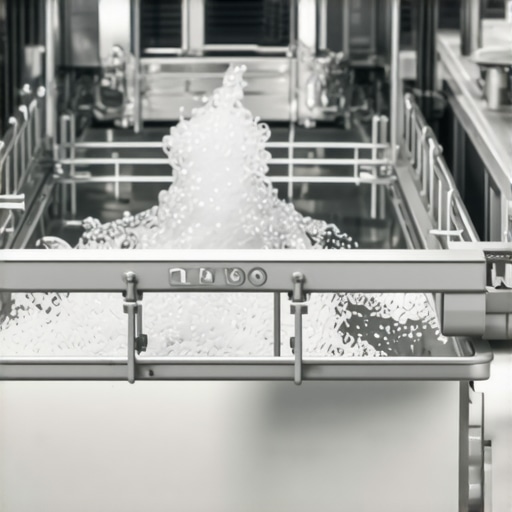
I vividly remember the moment my dishwasher betrayed me. It started releasing foul odors, and my carefully cleaned dishes came out with a strange residue. Turns out, I had neglected a simple but crucial task: deep cleaning my dishwasher regularly. That lightbulb moment made me realize how often we overlook this essential maintenance step, assuming it will just keep itself clean.
**But here’s the truth:** Your dishwasher isn’t a self-sufficient appliance that stays spotless on its own. Without proper, monthly deep cleans, it can become a breeding ground for bacteria, mold, and grime, which can then transfer onto your pristine dishes and even impact your home’s overall sanitation.
So, today I promise to share the secrets behind keeping your dishwasher hygienic and functioning efficiently—because a clean dishwasher means cleaner dishes and a healthier home.
Why Skipping the Deep Clean on Your Dishwasher is a Costly Mistake
Many homeowners believe that running their dishwasher with some soap or vinegar occasionally is enough. However, neglecting a comprehensive deep clean can lead to persistent odors, reduced efficiency, and even costly repairs in the long run. According to a study published in the Journal of Food Protection, bacteria and mold can thrive in the moist, dark environment of a dishwasher that isn’t regularly sanitized, posing health risks to everyone in the household.
I made the mistake early on of only wiping down the seals and ignoring the filter and spray arms. Over time, grime built up, and my dishwasher’s performance suffered. It’s a small oversight with big consequences. Regularly deep cleaning your dishwasher ensures it functions optimally, saves money, and keeps your family safe.
If you want your dishwasher to serve you faithfully without becoming a hidden health hazard, then understanding how and why to give it a thorough clean every month is key. Ready to dive into the step-by-step process? Let’s get into it.
Access and Remove the Filters First
Begin by locating your dishwasher’s filter, usually at the bottom. Remove it carefully, and soak it in hot, soapy water for 10 minutes. Use a soft brush to scrub away trapped debris and soap scum. During my last cleaning, I found a significant buildup that was restricting water flow, which caused poor cleaning results and odors. Reinstall the filter thoroughly to ensure proper drainage.
Clean the Spray Arms Effectively
Next, inspect the spray arms for clogs or mineral deposits. Detach them if possible, then rinse under warm water. Use a toothpick or small brush to clear out tiny hole blockages that hinder water spray. I once ignored this step and noticed my dishes had spots and residue; after unclogging the spray arms, cleaning became much more efficient, and the dishes looked spotless.
Execute a Vinegar and Baking Soda Treatment
Pour a cup of white distilled vinegar into a dishwasher-safe bowl and place it on the top rack. Run a hot cycle. Then, sprinkle a cup of baking soda across the bottom and run a short cycle. This duo helps dissolve grease, grime, and eliminate foul odors. I performed this after noticing a musty smell and was surprised how much grime was flushed out, restoring my dishwasher’s freshness.
Wipe Down Seals, Edges, and Exterior
Use a damp cloth dipped in a mixture of water and gentle detergent to wipe all rubber seals, door edges, and control panels. These areas trap mold and soap scum. Pay special attention to the door gasket, as mold buildup here can cause persistent odors. During my cleaning, I discovered mold spores in the gasket, which I thoroughly scrubbed away for a healthier environment.
Maintain with Monthly Checks
Set a reminder to perform these steps monthly. Regular inspection prevents buildup, prolongs your appliance’s life, and ensures hygienic dishwashing. An overlooked detail I learned is to run an empty cycle with vinegar monthly to keep everything smelling fresh and functioning well. For more advanced cleaning techniques or if you hit a stubborn issue, consider consulting effective sanitizing methods or scheduling professional cleaning.
Most people believe that a quick wipe-down and a few vacuum passes are enough to prepare a home for move-out or daily cleaning routines. However, this simplistic view often leads to overlooked areas and ineffective sanitizing practices. **A common myth is that surface cleaning equals thorough cleaning, but deep grime and bacteria lurk where you can’t see.** For example, many underestimate the importance of disinfecting high-touch areas like light switches and door handles, which can harbor pathogens even after visible dirt is removed. Studies from the National Sanitation Foundation show that bacteria can survive on common household surfaces for days, making surface disinfection crucial for health.
Another misconception is that specialized cleaning products are always necessary, but many effective solutions are simple, natural, and cost-effective. Using products like white vinegar or baking soda in the right context can save money and reduce chemical exposure. Yet, many professionals and homeowners fall into the trap of using harsh chemicals on delicate fabrics or porous surfaces, risking damage or incomplete cleaning.
Are there more advanced techniques for sanitizing delicate upholstery without damage?
The answer is yes. Techniques such as dry steam cleaning have been shown to be highly effective without harmful residues. According to experts at the Institute of Inspection Cleaning and Restoration Certification, steam penetrates fabrics to kill germs, dust mites, and mold spores, offering a deep clean safe for upholstery. Prioritizing such advanced methods can improve your cleaning outcomes significantly.
Furthermore, neglecting proper drying techniques can lead to mold growth and unpleasant odors, especially in humid environments. It’s tempting to think air drying is enough, but using tools like HEPA-filtered air movers accelerates drying and prevents microbial growth. Many overlook this step, resulting in lingering dampness that causes damage and health issues over time.
Additionally, understanding the importance of cleaning hidden spaces—behind appliances, inside vents, or under large furniture—can elevate your cleaning routine from average to exceptional. Incorporating regular checklist reviews, like those detailed in move-out cleaning checklists, ensures nothing gets missed.
In summary, effective move-out cleaning and sanitizing demand more than superficial effort. They require nuanced understanding of bacteria hotspots, advanced cleaning methods for delicate items, and attention to hidden areas that most ignore. Skip these details, and you risk failing inspections or leaving residual germs that compromise hygiene. Think your cleaning game is thorough? Think again. For more insights into achieving a truly immaculate home, visit our effective sanitizing techniques or get expert advice by reaching out through our contact page. Have you ever fallen into this trap? Let me know in the comments.
Choosing the Right Equipment for Long-Term Success
Investing in reliable, high-quality cleaning tools makes all the difference in maintaining a spotless home. Personally, I swear by a cordless handheld steam cleaner, such as the Wagner Spraytech, which allows me to sanitize surfaces quickly without harsh chemicals. It’s perfect for upholstery, kitchen counters, and bathroom tiles, providing deep sanitation that surpasses traditional wiping. Advanced steam cleaning can even kill dust mites and mold spores, making it a worthy addition to your toolkit.
On the larger side, I rely on a sturdy upright vacuum with a HEPA filter. This ensures that even microscopic allergens are trapped, improving indoor air quality. Remember, a good vacuum isn’t just about suction power; durability and filter quality are crucial for long-term effectiveness. Regularly replacing filters and brushes will keep your equipment functioning optimally and extend its lifespan.
Essential Software and Planning Strategies
Smart scheduling software, like HomeRoutine, helps me set reminders for deep cleans and routine maintenance. Automated alerts prevent me from neglecting critical steps, which can lead to buildup and hygiene issues. Using a dedicated app also allows me to track maintenance history, so I know exactly when to refresh filters or perform detailed cleaning tasks. This systematic approach minimizes surprises and keeps my cleaning routine efficient.
How do I maintain cleaning equipment over time?
To extend the life of your tools, always follow manufacturer instructions for cleaning and storage. For example, after using a steam cleaner, empty and clean the water reservoir, then let it dry completely before storage to prevent mold growth. Regularly inspecting vacuum brushes and replacing worn belts ensure optimal suction and grooming of surfaces. Additionally, storing tools in a dry, organized space prevents damage and makes them more accessible for regular use. Implementing these simple maintenance habits ensures your equipment remains effective, saving you money and effort in the long run. For deeper insights into house maintenance, check out our comprehensive cleaning strategies.
Scaling your cleaning efforts without losing quality
As your home grows or your cleaning needs increase, it’s tempting to buy more equipment. However, quality tools and consistent routines are more effective than sheer quantity. Consider professional-grade devices like industrial steamers or commercial vacuums for big jobs, which handle larger areas efficiently and with better results. Hiring regular maintenance helps prevent grime buildup and recognizes early signs of equipment wear. Looking ahead, automation—such as robot vacuums or app-controlled steamers—will become standard, making maintenance even more straightforward. Embracing these advancements ensures your cleaning schedule remains manageable and effective, even as your home evolves. You can start by trying a high-grade cordless steam cleaner—it might just revolutionize your cleaning routine.
Lessons I Never Expected to Learn About Deep Cleaning
- One of the most surprising lessons was realizing that even the tiniest crevices and unseen corners hold grime that can undermine your efforts unless you actively seek them out.
- Failing to understand the importance of the right tools early on meant I wasted time and effort, learning the hard way that quality equipment can make or break your cleaning routine.
- I’ve discovered that regular maintenance is more than just a chore—it’s a form of self-care that preserves the health and safety of everyone in your home.
Tools and Resources That Elevated My Cleaning Game
From high-grade steam cleaners that efficiently sanitize without chemicals, to detailed checklists that keep me on track during move-out inspections, these resources have been invaluable. For example, our house cleaning strategies offer step-by-step guidance that simplifies even the most daunting tasks. I trust these tools because they’ve proven their value through consistent results and long-lasting cleanliness.
Empowering You to Take Charge of Your Space
Your home deserves attention and care—don’t delay in making it a healthier, more beautiful place. Start with small, consistent steps, invest in reliable equipment, and leverage the expert tips shared here to transform your cleaning routine. Remember, a cleaner home isn’t just about appearances; it’s about creating a sanctuary where you feel comfortable and safe. Ready to begin your deep cleaning journey? Share your biggest challenge below and let’s tackle it together!
,