
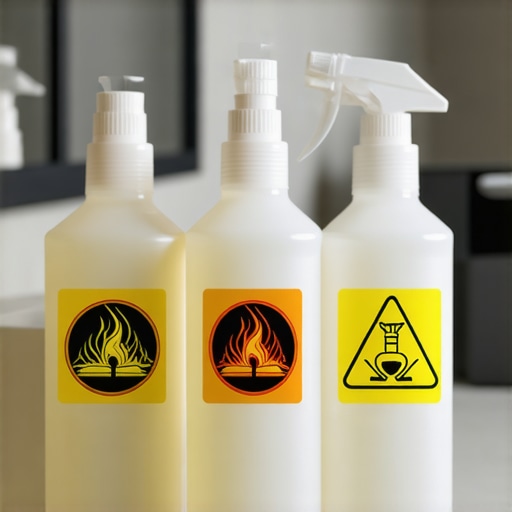
Have you ever spritzed a cleaning spray in the bathroom and immediately regretted it? That unsettling smell, the faint haze of fumes, and that sickly feeling in your stomach—that’s when I realized I was risking more than just making my bathroom shine. I vividly remember the moment I mixed a standard toilet bowl cleaner with an all-purpose spray without giving it a second thought. Almost instantly, the air turned acrid, and my eyes stung fiercely. It dawned on me then: some chemicals don’t just fail to clean—they can turn your pristine space into a hazardous zone.
The Hidden Dangers Lurking in Your Cleaning Closet
Cleaning your bathroom shouldn’t come with a side of chemical danger. Yet, many of us unknowingly create hazardous situations simply by mixing everyday products. From my early mistakes, I learned that certain combinations produce toxic gases—risks I was too naive to see at the time. Today, I want to share the truth about three common chemicals that should never meet during your deep cleaning routine. This knowledge isn’t just for safety; it can save lives and prevent costly damages.
Will Mixing These Chemicals Really Kill My Bathroom?
My biggest mistake was dismissing the warnings and assuming that more cleaning power meant better results. I thought, “A little of this, a little of that,” would make the job quicker. What I didn’t realize was that, according to experts, combining two common bathroom cleaners can produce deadly gases. The CDC states that mixing bleach with acids—like vinegar—or ammonia can produce chloramine or chlorine gas, both of which pose serious health hazards. If you’re like me, you might be questioning: Is this really worth the risk? The short answer: Absolutely not. By understanding these dangers, you can create a safer, more effective cleaning routine.
Are you concerned about accidental chemical mishaps during your next bathroom deep clean? Keep reading, because I’ll guide you through the essential safety tips and replacements to keep your cleaning safe and effective. There’s no need to compromise on cleanliness or safety—let’s make sure your cleaning finalizes with a healthy home, not a hazardous lab. Click here to explore more effective house cleaning secrets from cleaning experts and take your routine to the next level.
Prepare Your Workspace and Gather Supplies
Begin by clearing the bathroom surfaces to avoid accidental mixing of chemicals. Wear protective gloves and goggles to shield your skin and eyes from splashes. Collect all necessary cleaning tools and agents, ensuring you have separate brushes and cloths for different areas to prevent cross-contamination.
Identify Safe Cleaning Products and Set Up Ventilation
Choose cleaning products that are compatible. Opt for natural alternatives like baking soda and vinegar for a chemical-free clean, or use proven commercial cleaners. Open windows and turn on exhaust fans to establish good airflow, reducing inhalation of fumes. Proper ventilation is crucial when working with any chemical agents.
Apply Cleaners Strategically and Avoid Mixing
Apply each product directly onto surfaces without overlap. For instance, spray bathroom tiles with a dedicated tile cleaner and the toilet bowl with a specific disinfectant. Never combine bleach with acids like vinegar or ammonia. Instead, use these separately, rinsing thoroughly between applications to prevent chemical reactions. Think of it as cooking—adding ingredients in the right order can make all the difference.
Use Proper Tools for Different Surfaces
Use soft-bristled brushes or microfiber cloths for delicate surfaces and stiff brushes for grout. When cleaning glass surfaces like mirrors or shower doors, employ non-abrasive squeegees or soft cloths to avoid scratches. Improper tools can damage your fixtures and lead to costly repairs.
Divide and Conquer for Thorough Cleaning
Break your cleaning into sections—start with ceilings and vents, then walls, and finally floors. This prevents dirt from spreading back over cleaned areas. For example, I once tackled the ceiling fan blades first, which were covered in dust and grime, resulting in a cleaner airflow. Use different cloths or sponges for each area to prevent transferring germs or dirt.
Focus on High-Touch Areas
Sanitize handles, switch plates, and faucets with an effective disinfectant. Let the spray sit for at least 10 minutes to kill germs thoroughly, following product instructions. This targeted approach minimizes the risk of cross-contamination and keeps your bathroom hygienic.
Flush Out Residues and Rinse Completely
After applying cleaners and scrubbing, rinse surfaces with clean water or wipe with damp cloths to remove any chemical residues. This step is vital to prevent skin irritation or damage over time. Remember, leaving residues can cause surfaces to become sticky or discolored—like when I once neglected to rinse thoroughly under the sink, leading to stubborn cloudiness.
Dry Surfaces and Seal Gaps
Use lint-free cloths to dry all surfaces, preventing water spots and mold growth. Pay special attention to seals around shower doors and faucets. Applying a small amount of mineral oil or specialized sealant can help maintain the integrity of these components, extending their lifespan. Proper drying also ensures a streak-free shine on mirrors and glass panels.
Inspect and Reassemble
Finally, examine the cleaned areas for missed spots or streaks. Reorganize items, ensuring everything is dry and disinfected. This finishing touch leaves the bathroom spotless and ready for use, preventing mold and bacterial buildup. I recall finishing my last deep clean, only to find a corner still had soap scum. A second pass solved it, leaving my bathroom gleaming.
Many believe that regular spot cleaning or quick vacuums are enough to keep upholstery and homes spotless, but in my experience, this oversimplification misses key nuances. A popular misconception is that using the same cleaning method for every fabric or surface yields optimal results—nothing could be further from the truth. Upholstery fibers vary greatly, and applying generic techniques can lead to premature wear or lingering stains. According to a study by the Fabric Care Institute, improper cleaning approaches accelerate fiber degradation and trap more dirt over time.
Are We Overlooking the Fine Line Between Disinfecting and Damaging Our Spaces?
Most homeowners equate heavy chemical use with cleanliness, but recent research suggests that over-sanitizing can harm surfaces and even compromise indoor air quality. For example, frequent use of bleach on delicate fabrics or high-touch areas like door handles damages both the material and the finish, creating microscopic cracks where bacteria can hide. Instead, experts recommend targeted sanitizing using appropriate solutions and techniques, such as those detailed in effective sanitizing methods. This approach not only kills germs effectively but also preserves the integrity of your furnishings. A trap many fall into is assuming that disinfectants need to sit for hours or be applied liberally everywhere—remember, moderation and knowledge matter. Over-application leads to residue buildup, which can cause dullness, odor, or surface degradation. Instead, precise application with proper dwell times, as outlined by cleaning professionals, ensures safety without damage. Have you ever fallen into this trap? Let me know in the comments. Keep in mind, the key to expert-level cleaning isn’t just about more product or effort but about smarter strategies. Properly understanding the nuances—like selecting the right cleaning agents for upholstery or knowing when to sanitize without overdoing it—makes all the difference. For detailed guidance, check out the ultimate upholstery care guide and learn how to extend the life and hygiene of your favorite furnishings. Remember, real expertise means knowing not just what to do but what to avoid. Regularly revisiting these principles ensures your home remains both pristine and safe, avoiding common pitfalls that compromise quality and health.
Invest in Quality Equipment for Lasting Results
My go-to tool for upholstery maintenance is the Vax Steam Cleaner. It offers powerful steaming capability without the need for harsh chemicals, helping maintain fabric integrity over time. Unlike conventional vacuum attachments, this device loosens deep-seated dirt and pet dander gently yet effectively, which is crucial for extending the lifespan of sofas and chairs. For move-out cleaning, I rely on the Milwaukee M18 Floodlight. Its bright, adjustable LED ensures I can see every nook and cranny, especially in less illuminated areas like under cabinets or behind appliances. Investing in durable, high-quality tools like these not only makes cleaning more efficient but also preserves surfaces, reducing the need for frequent replacements.
Embrace Smart Cleaning Software and Scheduling
To keep track of routine maintenance, I use smart scheduling apps that send reminders for tasks like upholstery vacuuming or sanitizing high-touch areas. These digital tools ensure I stay consistent, preventing dirt buildup that complicates long-term upkeep. Incorporating software that syncs with your calendar can streamline your cleaning routine, making it easier to uphold high standards without feeling overwhelmed. Staying ahead of dirt accumulation makes a significant difference when it comes to sanitizing and maintaining a pristine home.
Choosing Detergents That Save Time and Damage Less
My personal favorite is enzyme-based or pH-balanced cleaners. For upholstery, I use a solution from specialized guides that effectively break down stains without degrading fabric fibers. These cleaners tend to be more gentle, reducing long-term damage and discoloration. Remember, the right products can extend the lifespan of your furnishings and surfaces while ensuring thorough sanitation.
Future Trends in Cleaning Technology
I predict increased adoption of AI-powered cleaning devices that learn your home’s unique dirt patterns and optimize their routes for maximum efficiency. For example, robotic vacuums integrated with smart sensors are becoming more precise at detecting high-traffic zones, allowing for targeted cleaning sessions that save time and energy. Embracing these innovations can significantly ease maintenance routines, especially for busy households, and ensure results are consistent over months and years.
How do I maintain my cleaning tools over time?
Regular maintenance of your equipment is vital. For vacuum cleaners, replacing filters quarterly and unclogging hoses prevents loss of suction and prolongs device life. For steam cleaners, descaling after every few uses—especially if you have hard water—avoids mineral buildup that hampers performance. Always check manufacturer instructions for specific care tips, and consider investing in professional servicing once a year to ensure your tools operate at peak efficiency. By maintaining your equipment diligently, you ensure long-term effectiveness in your cleaning routine, saving money and time in the long run.
Try integrating a high-quality steam cleaner into your upholstery care arsenal today and notice the difference in longevity and cleanliness. Advanced tools and strategic maintenance will keep your home in top shape for years to come!
Uncovering the Cost of Oversights in Bathroom Sanitizing
My biggest epiphany was realizing that rushing through cleaning could lead to unintended health hazards. Speeding up tasks tempted me to skip thorough rinsing or to combine products out of convenience, but these shortcuts often compromised safety. Better understanding of chemical reactions and their consequences has transformed my approach—now I prioritize safety over speed, recognizing that each step safeguards my home and loved ones.
Tools and Techniques That Truly Make a Difference
Investing in high-quality, purpose-built tools like steam cleaners and precision sprayers has revolutionized my cleaning rhythm. These tools are not just gadgets—they are extensions of my commitment to a safe, spotless environment. Trustworthy resources like the upholstery care guide and expert cleaning secrets empower me with strategies that go beyond superficial tidying, ensuring longevity and safety for my surfaces and furnishings.
Turning Lessons into Lasting Change
Every mistake taught me resilience and patience—qualities essential for mastering any cleaning routine. Embracing these lessons transformed my perspective from one of frustration to one of empowerment. Now, I see cleaning as an act of care rather than a chore. If you’re ready to elevate your home’s hygiene and safety, take these insights to heart and start implementing them today. Remember, your home’s health is worth every thoughtful effort—so don’t wait to make your next cleaning session a safer, smarter one.