

I’ll never forget the sinking feeling I had when I opened the door after moving out, expecting my full security deposit, only to receive that dreaded letter deducting hundreds for cleaning and damages I thought I’d managed to avoid. It was a lightbulb moment — why did I trust professionals to do what I now realized I could handle myself?
Why Settling for Less Isn’t an Option When Moving Out
Getting your full security deposit back can feel like a game of chance, especially with all the horror stories out there. I used to think I needed professional cleaners to ensure I wasn’t leaving behind any reason for deductions. But after a few costly mistakes and realizing the hefty costs of hiring help, I discovered that with a little know-how, you can do it yourself and keep every penny. According to the Department of Housing and Urban Development, tenants can get their entire deposit back if they meet basic cleaning and damage standards—no pro required. The key is knowing exactly what to focus on, and that’s what we’re going to explore today.
Could I Be Wasting Time or Money by Doing It Myself?
Early on, I made the mistake of overestimating how much time and effort cleaning would take. I thought, “Surely, I can’t do as good a job as professionals.” Spoiler: I was wrong. With some simple strategies and a plan, I was surprised by how much I could accomplish on my own, saving me hundreds. I also learned that rushing in without a clear checklist leads to missed spots and unnecessary stress. Want to avoid my rookie errors? Keep reading, and I’ll guide you through the process of cleaning your way to a full deposit refund, step-by-step.
If you’ve ever wondered whether you can truly handle move-out cleaning yourself, or if you’re wary of missing crucial details, you’re not alone. Many tenants face this challenge, but the good news is that you don’t need to become a professional cleaner overnight. Instead, focus on single, impactful tasks that make a big difference—think cleaning behind appliances or meticulously sanitizing high-touch areas. Want a comprehensive checklist to keep yourself on track? Check out our move-out cleaning strategies and get started today.
Ready to take control of your move-out cleaning and maximize your refund? Let’s dive into practical, easy-to-follow steps that will turn you into your own cleaning hero—not to mention, save some serious cash along the way!
Break Down the Cleaning Tasks
Start by making a comprehensive list of all areas that need attention. A well-structured checklist ensures you don’t miss spots and helps you allocate time effectively. Use the move-out cleaning checklist to prioritize, focusing on high-impact areas like the kitchen, bathrooms, and floors.
Gather Your Cleaning Supplies
Assemble all necessary tools: microfiber cloths, scrub brushes, a vacuum, mop, and eco-friendly cleaners. Think of it like assembling a team before a big project—having everything at hand prevents last-minute runs. For delicate surfaces or upholstery, check out upholstery cleaning tips to ensure safe and effective cleaning.
Deep Clean the Kitchen
Remove appliances and clean behind and underneath them, as this is a common overlooked area that inspectors scrutinize. Use a vinegar solution to cut through grease on stovetops and cabinets. For stubborn grime, a baking soda paste works wonders—spread it on, let sit, then scrub gently. Remember, consistency is key; work in small sections to avoid overwashing or damaging surfaces.
Cleaning the Oven
Apply a commercial oven cleaner or a baking soda paste, then let it sit for at least 15 minutes. Use a non-abrasive scrubber to remove residue. Rinse thoroughly with a damp cloth. For detailed steps, review oven cleaning strategies.
Sanitize Bathrooms Thoroughly
Scrub tiles, grout lines, sinks, and toilets with a disinfectant meant for bathroom use. Pay special attention to high-touch areas like faucet handles and light switches—these are prime germ spots. A quick trick is to let the disinfectant sit for at least 10 minutes to improve efficacy, as advised in disinfectant tips. For grout, use a brush to scrub away mold and soap scum, revealing a cleaner surface.
Focus on Floors and Carpets
Vacuum meticulously, then mop or steam clean. For carpets, rent or use a home carpet cleaner to extract deep-seated dirt. An overlooked area is beneath furniture—move everything systematically to ensure no spots are missed. For detailed carpet care, see upholstery and carpet cleaning secrets.
Detail the Surfaces and Fixtures
Wipe down baseboards, window sills, door frames, and vents with a damp microfiber cloth. These small details often catch an inspector’s eye. Use a gentle cleaning agent to avoid damaging paint or finishes. Pay attention to neglected spots like ceiling fan blades or light fixtures—remember, dust accumulation here is a telltale sign of neglect.
Clean Upholstery and Soft Features
If the rental includes fabric sofas or curtains, clean or steam them to remove pet dander and stains. Use a fabric-safe cleaner, and always test a small spot first. For delicate or heavily soiled upholstery, consider an upholstery cleaning hack from expert tips to achieve freshness without damage.
Sanitize High-Touch Surfaces
High-touch surfaces—light switches, doorknobs, remote controls—should be sanitized with a disinfectant that sits for at least 10 minutes. Use a microfiber cloth to evenly spread the solution, ensuring full contact and effective germ-killing. For a germ-free house, review sanitizing secrets.
Final Touches Before Inspection
Replace any damaged lightbulbs, straighten furniture, and double-check every room with your checklist. A vacuumed and spotless home demonstrates your commitment to the property, increasing the chances of getting your full deposit back. For a detailed step-by-step, consult move-out cleaning checklist.
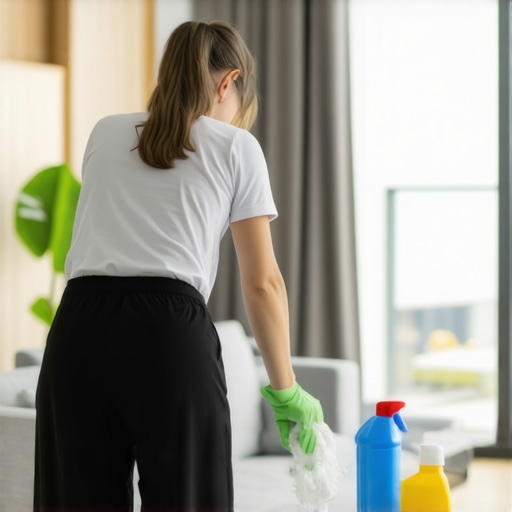
Many homeowners and tenants believe that simply spraying disinfectant or giving surfaces a quick wipe is enough to ensure a truly germ-free environment or a spotless house. However, this common misconception often leads to inadequate cleaning that fails to eliminate bacteria or prevent future damage. For example, many assume that using bleach or strong chemicals automatically sanitizes soft fabrics and porous surfaces, but experts warn that improper methods can actually worsen the situation. In reality, effective sanitizing requires understanding the material properties and choosing the right tools and techniques, as detailed in effective sanitizing methods.
Beware of the Overconfidence in DIY Cleaning
It’s tempting to think that, with a little elbow grease, you can handle move-out cleaning perfectly. Yet, overlooking subtle areas like behind appliances or inside ventilation covers, as discussed in move-out strategies, is a recipe for disappointment. The mistake most people make is relying solely on surface cleaning, neglecting deep cleaning crucial for getting your full deposit back. A common trap is assuming that high-traffic areas like carpets or upholstery can be restored with just vacuuming or spot cleaning, when in fact, advanced techniques like hot water extraction or steam cleaning are often necessary for thorough results. Understanding these nuances can save you from costly mistakes that hard-to-detect inspectors or landlords may flag.
Why Overlooking Material Details Is Risky
One advanced mistake tenants and homeowners often make is ignoring the specific material composition of their fabrics or surfaces before cleaning. For instance, using harsh chemicals on delicate upholstery can cause fading or fiber damage, which may lead to deductions on your security deposit or expensive repairs. To avoid this, consult resources like upholstery care guides and always test cleaning agents on hidden areas first. Furthermore, understanding the importance of proper drying and maintenance can extend the life of your furnishings and prevent mold or staining issues over time.
Recent studies, including those from the Institute of Inspection, Cleaning, and Restoration Certification (IICRC), emphasize that tailored approaches based on surface type, fabric composition, and environmental factors vastly improve cleaning outcomes and health safety. By staying informed about the nuances—like whether to steam or dry-clean delicate fabrics—you position yourself as an educated homeowner or tenant, significantly reducing the chances of future liabilities.
Have you ever fallen into this trap? Let me know in the comments.
Invest in Quality Equipment for Long-Term Success
One of my top recommendations is to invest in a high-quality steam cleaner. Unlike traditional mops and vacuum attachments, a steam cleaner sterilizes surfaces using hot vapor, effectively eliminating germs, bacteria, and stubborn grime without harsh chemicals. I personally rely on the Bissell PowerFresh because of its versatility and durability—it handles everything from tile grout to upholstery efficiently, saving me time and ensuring thorough sanitation. For delicate fabrics or upholstery, I use a dedicated handheld steamer like the Rowenta Steamer, which allows me to target spots precisely without risking damage. As technology advances, these tools are becoming more affordable and powerful, streamlining your maintenance routine and extending the lifespan of your furnishings.
Embrace Software for Organization and Reminders
Maintaining your home’s cleanliness isn’t just about tools; it’s also about consistency. I recommend using a home maintenance app like digital checklists to schedule routine cleaning tasks. Setting reminders for tasks such as upholstery steam cleaning or deep grout scrubbing ensures these don’t slip through the cracks over time. This systematic approach not only preserves your home’s condition but also simplifies the process of moving out or preparing for inspections, making the transition smoother. Software tools have been predicted to evolve with AI integration, offering automatic scheduling and tailored cleaning plans that adapt to your home’s unique needs, making maintenance more manageable in future years.
Utilize Specialized Solutions for Each Surface
Applying the right cleaning solutions tailored to each surface dramatically improves long-term results. For example, I use an enzyme-based stain remover for upholstery, which breaks down organic stains and pet odors without damaging fibers—more effective than generic cleaners. When cleaning ceramic tiles or grout, I turn to an acid-based grout cleaner like Black Diamond, which dissolves mineral deposits and soap scum, preventing buildup that can lead to mold or damage. Remember, understanding your surfaces and choosing the appropriate chemicals is crucial; misapplication can cause deterioration over time. Experts emphasize that proper cleaning agents maintain material integrity, prolonging the lifespan of your fixtures and furnishings. You can learn more about suitable products in this guide on tough grout cleaning.
How do I maintain my tools and supplies for longevity?
Keep your cleaning equipment in top shape by following manufacturer recommendations for cleaning and storage. For instance, regularly descale your steam cleaner if you use hard water—this prevents mineral buildup that can impair heating elements and reduce efficiency. After each use, rinse out attachments and store them in a dry, cool place to prevent mold or corrosion. Replacing consumables like microfiber cloths and filters periodically ensures peak performance. In the future, I predict smart cleaning devices that self-maintain and alert you when supplies need replacing, making home maintenance even more effortless. By doing so, you’ll save money and avoid equipment failure that can set back your cleaning routine.
For those ready to upgrade their toolkit, starting with a reputable steam cleaner can make a significant difference in your ability to keep surfaces germ-free and looking fresh. Remember, consistency is key—use these tools and tips regularly, and you’ll see your home stay cleaner, longer. To get started with a tailored cleaning plan, check our comprehensive move-out checklist and make your home the best it can be before inspections or new tenants move in.
What I Wish I Knew About Sanitizing and House Cleaning
One of the biggest lessons I learned was the importance of paying attention to detail, especially in overlooked spots like behind appliances or inside vents—areas that often cause deductions. I also discovered that using the right cleaning solutions tailored to each surface prevents damage and guarantees a thorough job. Lastly, investing in quality tools, such as a steam cleaner, made all the difference, cutting down cleaning time and boosting efficacy. These insights transformed my approach and saved me from costly mistakes during move-out inspections.
My Go-To Tools and Resources for Deep Cleaning Success
For top-notch cleaning, I rely on a high-quality steam cleaner and eco-friendly disinfectants, which ensure effective sanitation without harsh chemicals. The move-out cleaning checklist keeps me organized and focused, while expert advice on upholstery and soft surface cleaning helps me handle delicate fabrics properly. These tools and guides have become my essential arsenal, making home care manageable and stress-free.
Step Into Confidence and Make It Happen
Remember, a clean house isn’t just about aesthetics—it’s your ticket to securing your full deposit and leaving a positive impression. With the right mindset, tools, and tips, you can master move-out cleaning and even enjoy the process. Don’t wait for perfection; start today, and you’ll be surprised at how achievable a sparkling home can be. Ready to turn your cleaning into a winning strategy? Your deposit will thank you!