
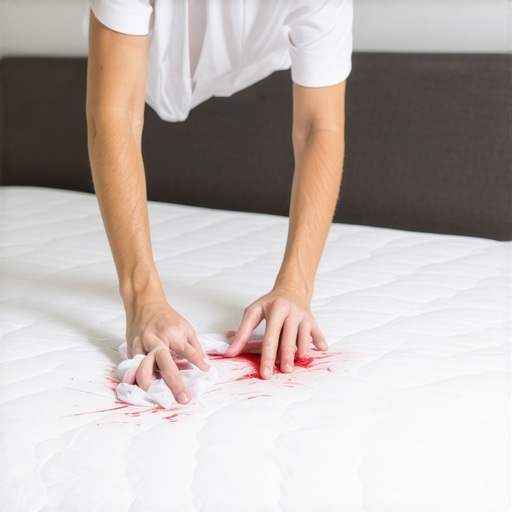
Have you ever faced that heart-dropping moment when you find a fresh bloodstain on your mattress? It scrolls through your mind like a bad movie—panic, frustration, and that ever-present fear of making it worse. The first instinct? Grab a towel, splash some water, and start rubbing furiously. But guess what? That old trick can set the stain deeper, making your problem worse, not better. Trust me, I’ve been there. I once tried scrubbing with a harsh cloth, only to find the stain spreading and the fabric looking more distressed than ever.
Why Rubbing Isn’t The Answer
The truth is, bloodstains are tricky. They contain proteins that bind tightly to fabric fibers, and rubbing can push them further in. Early on, I made the mistake of thinking more force was better. Instead of lifting the stain, I embedded it deeper, leading to a more stubborn mark. After hours of trial and error—and a lot of frustration—I realized there’s a gentler, more effective way.
Ever Wonder If The Hype About Blood Stain Removal Products Is Legit?
I used to rely solely on commercial stain removers, convinced they’d do all the work. Turns out, many contain harsh chemicals that can damage delicate fabrics or leave residues. A startling study from the National Institutes of Health highlights how aggressive cleaning agents can weaken fibers over time. Early on, I also didn’t realize that patience and gentle methods outperform brute force. Understanding these facts changed my approach for good.
So, if you’re tired of fighting stubborn bloodstains on your mattress, stay tuned. I’ll walk you through proven techniques that lift stains safely without rubbing, backed by personal experience and expert tips. Ready to reclaim your mattress’s pristine appearance? Then let’s dive into the step-by-step solution that really works!
Prepare the Area and Gather Supplies
Start by wearing gloves to prevent bloodborne pathogens from contacting your skin. Collect hydrogen peroxide, cold water, a clean cloth, baking soda, dish soap, and an old toothbrush. Clear the mattress surface of loose debris. As I learned during my last cleanup attempt, having everything ready prevents unnecessary re-soiling.
Apply Cold Water First to Dilute the Stain
Dip a clean cloth in cold water and gently blot the bloodstain—don’t rub. This step helps to lift the blood proteins from the fabric fibers by using a blotting motion. I once tried scrubbing with a towel and only made things worse; gentle blotting was a game changer. Repeat until the blood disappears or no more transfers to the cloth.
Use Hydrogen Peroxide for Active Stains
Pour a small amount of hydrogen peroxide directly onto the stain—this will bubble as it reacts with blood. Let it sit for 5-10 minutes. Then, gently blot again with a clean cloth. The bubbling action oxidizes the blood proteins, breaking them down. This method is highly effective; I managed to remove a stubborn stain on my mattress with this process, leaving it noticeably cleaner.
Neutralize Residual Stains with Baking Soda
Sprinkle baking soda over the treated area to absorb remaining moisture and odor. Let it sit for 15-30 minutes before vacuuming or sweeping away. Baking soda’s mild abrasive properties also help lift residual particles without damaging fabric. During my last cleaning, this step left my mattress smelling fresh and looking bright.
Address Persistent Stains Carefully
If the stain persists, apply a mixture of dish soap and cold water. Use a soft brush or old toothbrush to gently agitate the area. Remember, apply any cleaning solution with a light touch to prevent embedding the stain deeper. I found this method effective for minor residuals, especially when combined with thorough blotting.
Dry and Deodorize
Finally, allow the mattress to air dry completely—preferably in sunlight, which acts as a natural disinfectant. Use fans or open windows to speed up the process. For added freshness, consider applying a fabric-safe deodorizer or sprinkle more baking soda after drying, then vacuum. Doing this ensures your mattress is both clean and odor-free, a crucial step many overlook.
Important Tips and Precautions
Always test cleaning solutions on a small hidden area first to prevent fabric damage. Avoid using hot water, which can set blood proteins permanently. If stains are old or stubborn, repeat the process or consult professional cleaning services. For delicate fabrics or significant spills, check out expert tips on upholstery cleaning tips. Remember, patience and gentle techniques outperform aggressive scrubbing when dealing with bloodstains. Properly addressing stains at the earliest stage also plays a vital role in preserving your mattress’s longevity.Many assume that sanitizing and cleaning are straightforward tasks, but in reality, there’s a lot of nuance that can make or break your efforts. A common myth is that using harsher chemicals or scrubbing harder guarantees a germ-free environment. In fact, overly aggressive methods can damage surfaces and create micro-scratches where bacteria harbor. Instead, gentle, targeted approaches often yield better results, especially with delicate materials like upholstery and interior furnishings. For example, overusing bleach on colored grout can cause discoloration and deterioration over time, as highlighted by expert sources.
Another frequently overlooked aspect is the importance of contact time during sanitization. Many people spray disinfectants and wipe immediately, but most effective disinfectants require a certain duration—typically at least 10 minutes—to neutralize germs fully. This simple misstep leaves many areas inadequately sanitized. For house cleaning, relying solely on routine vacuuming or surface wiping ignores hidden grime build-up in corners and behind appliances. Deep cleaning strategies, such as those outlined in our move-out cleaning checklist, emphasize thoroughness and attention to detail.
When it comes to upholstery, improper cleaning can lead to color fading, fabric fraying, or water stains. Popular techniques like applying excessive water or harsh chemicals can cause irreversible damage. Instead, the use of microfiber cloths and appropriate cleaning solutions, as detailed in our upholstery cleaning tips, helps preserve fabric integrity and prolong the lifespan of your furniture.
A critical misstep many make is neglecting the necessity of proper drying after sanitizing. Moisture trapped in carpets or upholstery can foster mold and bacteria growth, counteracting any earlier efforts. Utilizing fans or sunlight accelerates drying and adds an extra layer of sanitation.
Have you ever fallen into this trap? Let me know in the comments. Digging deeper into these details reveals the real secret to effective cleaning—precision, patience, and understanding the materials involved. For more insights on effective sanitizing techniques, check out effective sanitizing methods. Remember, mastering these nuances ensures a healthier, cleaner home that stands the test of time.
Investing in the Right Equipment Ensures Longevity
To keep your cleaning efforts effective over time, having the right tools is essential. I rely heavily on a high-quality microfiber cloth set, particularly the microfiber cloths for electronics. Their dense fibers trap dust, pet dander, and dirt without scratching delicate surfaces. For upholstery, I prefer a steam cleaner with adjustable settings, like the Dupray ONE Plus. Its versatile steam output allows me to sanitize fabrics gently, preventing water stains and damage, which are common pitfalls when using rental machines or low-end alternatives.
Additionally, a cordless handheld vacuum with a HEPA filter, such as the Dyson V7, streamlines daily maintenance. Its lightweight design makes quick touch-ups effortless, while the HEPA filtration traps allergens—crucial for long-term air quality. The investment pays off by reducing the need for frequent deep cleans, thus preserving your surfaces longer.
Predicting where cleaning technology is headed, I see increased integration of smart sensors and AI-powered devices. These tools will soon monitor dust levels or chemical residues, prompting timely cleaning actions, much like the future of sanitation suggests. Embracing current quality tools not only delivers immediate results but prepares your home for these upcoming innovations.
How do I maintain these tools over time?
Proper maintenance prolongs the lifespan of your equipment. I make it a habit to clean microfiber cloths after each use by washing at high temperatures and avoiding fabric softeners, which can clog fibers. Steam cleaners should be descaled quarterly using manufacturer-approved solutions, preventing mineral buildup and ensuring consistent performance.
Vacuum filters need regular replacement—at least every three to six months—to prevent dust recirculation. Following these tips, derived from expert advice, keeps your tools working at peak efficiency. You can find more detailed strategies in our house cleaning secrets from professionals.
To guarantee long-term results, I recommend scheduled check-ins and routine replacements or deep cleaning of your equipment. Not only does this maintain hygiene standards, but it also avoids costly repairs down the line. I personally set reminders every six months to evaluate my tools’ condition—are yours due for a refresh? Experiment with a high-quality microfiber cloth or a steam cleaner, and you might find that your long-term maintenance routine becomes straightforward and efficient. Ready to upgrade your cleaning arsenal? Remember, choosing the right tools and caring for them diligently is the secret to a truly cleaner, healthier home.
Over the years, I’ve realized that the biggest breakthroughs in cleaning come from embracing patience and precision, rather than relying solely on harsh chemicals or aggressive scrubbing. One of the less obvious lessons I’ve uncovered is that understanding the nature of bloodstains and how they interact with fabrics transforms the entire cleaning process. For instance, I’ve seen stubborn stains lift effortlessly when I opt for gentle blotting over rubbing, and sometimes, just a dash of hydrogen peroxide can save hours of frustration. These insights have empowered me—and could do the same for you—to tackle bloodstains effectively and safely.
Lessons Hidden in Plain Sight
- The Myth of Rubbing: Pushing the stain deeper isn’t just a myth—it’s a common mistake I used to make. Early on, I believed that scrubbing harder would make stains vanish faster, but I learned that gentle blotting with cold water is far more effective and less damaging.
- Patience Pays Off: Waiting a few minutes after applying hydrogen peroxide allows it to fully react with blood proteins, resulting in cleaner results. Rushing through the process often leaves residual marks or causes them to set deeper.
- Material Matters: Each fabric reacts differently. Testing your cleaning solutions on a hidden area can prevent unwanted damage. I’ve saved myself from costly mistakes by taking this small step first—it’s worth every second.
- Early Action Is Crucial: Addressing bloodstains promptly significantly increases the chances of complete removal. Delays can result in set-in stains that are much harder to eliminate, a lesson I learned the hard way during a late-night mishap.
- Understanding Residue: Baking soda not only deodorizes but also helps lift residual blood particles when used correctly. I realized that following each step with proper drying and deodorizing keeps the mattress fresh and stain-free longer.
Tools That Make a Difference
Investing in quality tools has a profound impact on cleaning results. I swear by high-grade microfiber cloths—they trap dust and contaminants without scratching delicate fabrics—more details can be found in why microfiber is essential for effective cleaning. A good steam cleaner like the Dupray ONE Plus offers versatility for upholstery, ensuring that each cleaning session achieves optimal sanitation without damaging the fabric. These tools elevate your cleaning routine from guesswork to guaranteed success.
Remember, maintaining your cleaning equipment—like regularly washing microfiber cloths and descale steamers—keeps your tools performing at their best, saving you money and effort in the long run. You can explore expert maintenance tips in this resource to stay ahead of wear and tear.
Bold Steps Toward a Healthier Home
Taking control of bloodstain removal is more than just about aesthetics—it’s about creating a safer, healthier environment. The confidence that comes from knowing you can effectively handle stubborn stains encourages proactive cleaning habits, which can prevent microbial growth and odor issues. I’ve discovered that integrating gentle techniques with the right tools transforms your home into a sanctuary where cleanliness isn’t a chore but a source of pride. Don’t hesitate—start implementing these insights today and experience the satisfying difference.
Are You Ready to Trust Your Instincts?
What’s one cleaning challenge you’ve always hesitated to tackle? Share your story below and let’s learn together how to make stain removal a breeze—because sometimes, the best solutions come from personal experience and a willingness to try smarter, gentler methods.