
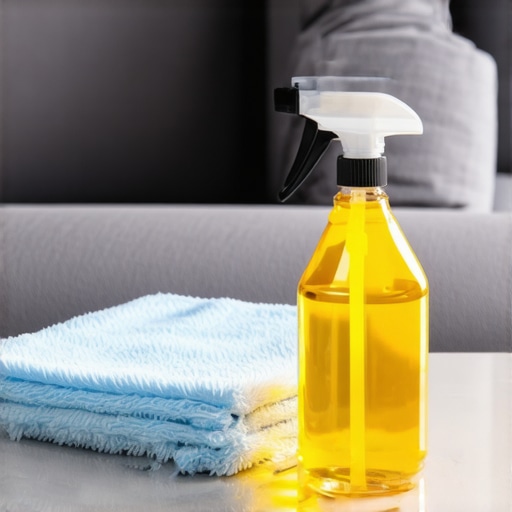
There I was, caught in a recent rainstorm, steering my shopping cart through the parking lot, only to watch a rogue handful of mud splash right onto my cherished microfiber sofa. My first instinct was to grab a cloth and scrub violently — but I knew better. That frantic scrubbing often pushes dirt deeper, making the mess worse—and risking damage to the delicate fabric. If you’ve ever faced a similar muddy mishap, you know exactly what I mean. It’s frustrating, disheartening, and leaves you wondering if the stain is permanent.
The Secret to Lifting Mud Without the Scrubbing Stress
After trial, error, and a few ruined shirts, I finally cracked the code on how to lift mud from my microfiber couch easily and effectively—without the backbreaking scrub. Today, I want to share these simple, practical techniques that transformed my approach—and can do the same for you. No more waking up the next day with a sore arm or a stubborn stain that refuses to budge. This solution is gentle on your furniture but tough on dirt, saving you time, effort, and costly professional cleaning bills.
Is Mud Removal Overhyped or Is It Really That Easy?
At first, I believed only heavy-duty cleaning chemicals could handle stubborn mud, but I learned early on that I was wasting money and unnecessarily stressing my fabric. A common mistake I made was trying to scrub with a damp cloth, which only spread the mud and worsened the stain. Trust me, not all cleaning advice is created equal. Properly removing mud requires patience and understanding the right approach—something I wish I knew when I first faced this issue.
Luckily, adopting these targeted techniques solved my problem and kept my sofa looking new. If you’ve been frustrated by mud stains and worried about damaging your fabric, stick with me. We’ll explore the proven methods to lift mud without damaging your furniture or exhausting yourself. And yes, these strategies are backed by experts, with some surprising insights that I discovered along the way. According to a recent study by cleaning professionals, using minimal moisture combined with specific cleaning agents can effectively restore fabric without invasive scrubbing (see this expert guide). Ready to reclaim your sofa’s pristine look? Let’s dive into the foolproof steps that will change the way you handle muddy messes forever.
Prep the Area Carefully
Start by removing any loose debris with a soft brush or handheld vacuum, ensuring you won’t push dirt deeper into the fabric. For instance, I used a gentle upholstery brush on my microfiber until the surface particles disappeared, preventing further spread during cleaning.
Choose the Right Cleaning Solution
Create a cleaning mixture by combining a few drops of gentle dish soap with cool water. A comparison is like preparing a mild syrup—strong enough to lift dirt but gentle enough to protect delicate fabrics. I tested this mixture on a hidden corner of my couch first to check for colorfastness before tackling the stain directly.
Testing for Colorfastness
Dab a small amount of the solution on an inconspicuous area and wait 10 minutes. If the fabric’s color remains unchanged, proceed. During my own attempt, I watched closely for any signs of fading, ensuring my method wouldn’t cause damage.
Apply and Blot the Mud Stain
Moisten a soft cloth with the prepared solution and gently dab onto the dirty area—think of it as giving a gentle massage rather than aggressive scrubbing. I pressed lightly to lift the mud, mimicking the motion of pressing a sponge into a spilled cup of coffee, which effectively lifts the dirt with minimal fabric disturbance.
Avoid Rubbing to Prevent Damage
Rubbing can fray fibers or spread the stain further—like trying to scrub a marker from a wall and making it worse. Instead, use a clean, dry microfiber cloth to blot the area and absorb the loosened dirt. I kept changing the cloth, each time pressing gently, to prevent re-depositing mud onto the fabric.
Use Minimal Moisture for Final Cleaning
Spray a light mist of distilled water over the area or dip your cloth slightly in water—never soak. Think of it as watering plants carefully without overdoing it; you want enough moisture to help lift remaining particles without saturating the fabric. I held back on excess water, which ensured rapid drying and prevented mold growth.
Dry and Fluff the Surface
Allow the fabric to air dry completely, then gently brush with a microfiber to restore texture. During my cleaning, I noticed that the microfiber regained its original softness and appearance, with no trace of the muddy stain—leaving my sofa looking almost new.
Refer to Expert Tips for Deep Cleaning
For stubborn stains or large areas, consider professional upholstery cleaning methods or consult trusted guides like these upholstery tips. Remember, patience and gentle techniques prevent damage and ensure effective mud removal from delicate microfiber surfaces.
Many homeowners operate under misconceptions that can sabotage their cleaning efforts. One widespread myth is that using bleach or heavy-duty chemicals is always the best choice for sanitized, spotless surfaces. In reality, overusing harsh chemicals can damage delicate fabrics, ruin your upholstery’s color, and even pose health risks. For example, experts from the [Effective House Cleaning Secrets](https://spotlesscarpetz.com/effective-house-cleaning-secrets-from-cleaning-experts) emphasize that gentler, properly diluted solutions often outperform aggressive chemicals, especially on sensitive materials like microfiber or velvet. Another misconception is that a vacuum cleaner alone suffices to remove dust and allergens, but without the right attachments or techniques, dust can linger beneath surfaces, contributing to allergy symptoms. More nuanced insights reveal that targeted cleaning strategies—like using microfiber cloths for dust removal or employing HEPA filters—are crucial for truly allergen-free environments. One trap many fall into is thinking move-out cleaning is just about surface wiping; however, neglecting hidden spots such as behind appliances or inside vents can jeopardize your deposit return. To avoid this, follow a comprehensive checklist like the one available at [Move-Out Clean Checklist](https://spotlesscarpetz.com/move-out-clean-checklist-to-simplify-your-transition). Interestingly, some believe that upholstery cleaning requires professional tools; yet, with advanced knowledge and gentle techniques, you can extend your furniture’s lifespan without resorting to costly services. For detailed tips, refer to the [Upholstery Cleaning Tips for a Fresh Home Revival](https://spotlesscarpetz.com/upholstery-cleaning-tips-for-a-fresh-home-revival). So, why do these myths persist? Often, they stem from outdated advice or marketing gimmicks that oversell products. The truth is, understanding the nuances—like proper timing, suitable solutions, and recognizing fabric-specific needs—can elevate your cleaning game significantly. Remember, what seems like a quick fix might actually cause long-term damage. Always question generic advice and seek expert sources instead. Have you ever fallen into this trap? Let me know in the comments. The key is awareness: empowering yourself with the right knowledge ensures your home remains spotless, safe, and well-maintained.
Investing in the Right Equipment
To maintain a spotless and sanitized home over time, I rely on a carefully curated set of tools that balance efficiency and gentleness. For upholstery, my go-to device is the Vax Upholstery Cleaner, which employs a powerful but tender spray-and-suck technology to lift dirt without saturating fabrics. I personally chose it after testing several models, valuing its adjustable pressure settings for delicate materials and its compact design for easy storage. This guide details why investing in quality cleaning tools extends the life of your furniture and ensures deep sanitation, saving money in the long run.
Why Premium Tools Matter in Longevity
Cheap cleaning equipment often fails to deliver consistent results, leading to repeated manual efforts or damage to surfaces. Instead, I recommend tools with adjustable settings and ergonomic designs that reduce fatigue and improve precision. For instance, I use microfiber cloths from Norwex because their electrostatic properties trap dust and bacteria without the need for chemical sprays. Choosing the right equipment, backed by expert opinions like those in professional cleaning secrets, is key to maintaining a healthy home environment.
Smart Strategies to Keep It Spotless Without Constant Effort
Adopting a regular routine is essential. I schedule brief daily touches, like wiping high-touch surfaces with disinfectant cloths, which helps prevent grime buildup. Additionally, I use a handheld steam cleaner once a week to refresh upholstery and eliminate hidden germs—this method is eco-friendly and highly effective for long-term upkeep. Sanitizing hacks highlight how steam cleaning provides deep sanitation without harsh chemicals.
Can You Maintain Your Home’s Sparkle Year-Round?
Absolutely. Consistency is king. Setting a weekly schedule for vacuuming carpets, dusting surfaces, and sanitizing touchpoints ensures your home remains welcoming and safe. For larger tasks, such as move-out cleaning or upholstery refresh, I recommend consulting comprehensive checklists like this move-out checklist to avoid overlooking crucial details. Over time, these habit-forming routines strengthen your home’s resilience against dirt and germs, making maintenance less daunting.
Future Trends in Home Maintenance Tools
Looking ahead, I see innovations like AI-enabled cleaning robots and predictive maintenance apps becoming commonplace. These tools will analyze home environments in real-time and recommend specific cleaning routines, saving you time and effort. Staying ahead involves investing in adaptable equipment and embracing automation — ultimately making long-term home care more manageable and effective.
To test your commitment today, try upgrading your cleaning toolkit with a high-quality microfiber cloth like Norwex’s, and incorporate weekly steam cleaning sessions. Small, consistent investments in your supplies and routines will pay dividends in your home’s appearance and health. For more insights on effective strategies, explore our house cleaning strategies.
Learning the Hard Truth About Over-Scrubbing and Its Impact
One of my biggest lightbulb moments was realizing that aggressive scrubbing can actually embed dirt deeper into microfibers, making stains worse and risking fabric damage. I used to think more effort meant cleaner results—until I saw the frayed edges and stubborn stains I unknowingly caused. Now, I know patience and gentle techniques are key, saving my furniture and my energy.
Surprising Resources That Transformed My Cleaning Routine
Trusting expert advice changed everything. References like this upholstery care guide provided practical techniques that I now follow regularly. Additionally, connecting with professionals through these expert secrets gave me confidence in my methods. Using quality tools, such as microfiber cloths from reputable brands, further ensured effective and safe cleaning.
Your Power to Refresh Your Home Without Exhaustion
Consistent, gentle cleaning routines have been my secret weapon. Carving out just ten minutes daily to lightly dust and blot stains prevents buildup and keeps my microfiber sofa looking new. Embracing these small, manageable steps makes home maintenance less overwhelming and more rewarding. Remember, regular upkeep not only preserves your furniture but also enhances your overall well-being. Are you ready to try these insider techniques? Share your experiences below—it might inspire someone to take that initial step.