
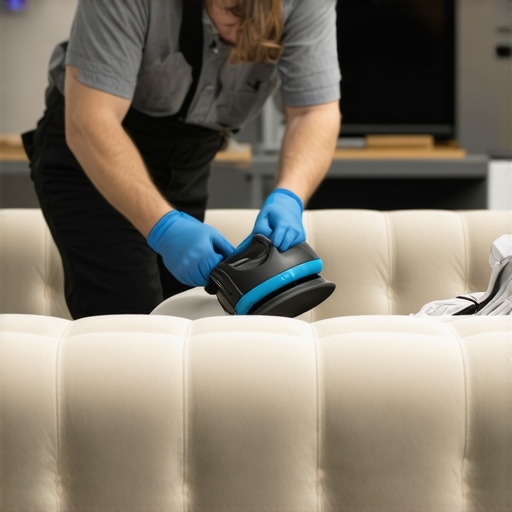
I vividly remember the moment I realized I was wasting my time and money on those so-called “easy” rental upholstery cleaning machines. After a weekend of scrubbing, spraying, and nearly pulling my hair out, my sofa looked worse — stiff, stained, and still quite dingy. It hit me then: there’s a reason why professionals consistently deliver better results. If you’ve ever faced a stubborn stain or a sofa that refuses to look fresh no matter what DIY hacks you try, you’re not alone. Today, I want to share why trusting expert upholstery care can truly transform your home and save you headaches in the long run.
The Hidden Flaws of DIY Upholstery Cleaning Machines
Many homeowners jump into renting a machine thinking it’s a quick fix. But the reality is quite different. These machines often lack the power and specialized know-how that professionals harness every day. I learned this the hard way early on when my rental machine left behind soapy residue that attracted dirt faster than before, making my furniture look worse than when I started. A study from the Institute of Inspection Cleaning and Restoration Certification confirms that professional cleaning methods penetrate deeper and effectively remove embedded dirt and bacteria, which DIY equipment can’t match. So why settle for mediocrity when professionals have the expertise and tools to do it right? If you’ve faced similar frustration, you’ll appreciate the insights I’ll share next.
Is Professional Upholstery Care Really Worth the Extra Investment?
When I first considered hiring a pro, I was skeptical. It seemed like an unnecessary expense for something I could do myself. But I made a crucial mistake — I overlooked the fact that proper upholstery cleaning involves more than just spraying and scrubbing. It’s about understanding fabric types, using the right cleaning agents, and applying techniques that ensure the longevity of your furniture. A costly lesson from my early attempts was ignoring this knowledge, leading to fabric damage and even more stains. Trust me, investing in professional upholstery care isn’t just about getting a surface clean; it’s about preserving the fabric and ensuring healthier indoor air quality, as confirmed by latest research from the EPA. If you’re curious whether the cost is justified, I’ll guide you through what makes professional cleaning far superior in the upcoming sections.
Start with the Right Preparation
Before diving into cleaning your upholstery, clear the area of any loose items or cushions. Vacuum thoroughly using a HEPA-filtered vacuum cleaner to remove dust, pet hair, and loose debris — this step is like preparing your canvas before painting. I once spent an afternoon vacuuming my sofa, which not only made the cleaning easier but also prevented dirt from spreading during the process.
Identify the fabric type by checking the care tag or consulting manufacturer guidelines. Natural fabrics like wool or silk need gentle handling, while synthetic fibers such as polyester can withstand more aggressive cleaning. For example, my microfiber sectional required special attention, as I discovered after reading this ultimate upholstery care guide.
Apply a Spot Test to Avoid Damage
Always perform a spot test in a hidden area with your chosen cleaning solution. Mix a small amount of mild detergent with water, and dab it on a discreet corner. Observe for any discoloration or fabric damage before proceeding. I learned this the hard way when I used an all-purpose cleaner on my velvet couch and noticed color fading, which made me cautious about choosing proper products for delicate materials.
Choose the Appropriate Cleaning Method
Deep Cleaning with Steam
Steam cleaning penetrates deep, loosening dirt, and killing bacteria. Rent or invest in a high-quality steam cleaner designed for upholstery. When I attempted my first steam clean, I followed this expert secret of keeping the nozzle moving steadily to prevent over-saturation, resulting in a fresh, residue-free sofa.
Spot Cleaning Stains
For stubborn stains, apply a specialized upholstery stain remover using a soft cloth, dabbing gently — avoid rubbing. For example, I tackled a red wine spill on my fabric recliner by blotting immediately with a mixture of cold water and a few drops of dish soap, then letting it air dry. Remember, patience is key; rushing can set stains further.
Use Minimal Water for Delicate Fabrics
When cleaning delicate fabrics, opt for minimal moisture and quick-drying techniques. Blot the area instead of saturating; this prevents water marks and fabric deformation. I also learned that over-wetting can lead to mold growth, so I always ensure the fabric dries swiftly, especially in humid environments.
Ensure Proper Drying to Prevent Mold
After cleaning, ventilate the area thoroughly. Use fans or open windows to accelerate drying. For thicker cushions, consider removing covers to dry separately. I once left a damp cushion for too long, resulting in an unpleasant odor, highlighting the importance of thorough drying.
Regular Maintenance Keeps Upholstery Fresh
Incorporate a routine cleaning schedule, like weekly vacuuming and monthly spot treatments, to extend the life of your furniture. For more detailed strategies, check out this helpful daily routine guide. Remember, consistent care prevents dirt buildup and maintains fabric integrity.
Many homeowners assume that more frequent or aggressive cleaning always leads to a healthier home, but in reality, this can backfire if done without understanding fabric types, cleaning agents, and proper techniques. A common myth is that bleach disinfects all surfaces equally; however, experts warn that bleach can damage delicate fabrics and porous surfaces, leading to long-term deterioration rather than true sanitation. Over-reliance on DIY methods can also cause expensive mistakes, like using harsh chemicals on natural fiber upholstery, which can cause fading or fiber breakdown, as highlighted in a recent industry study.
Why do some cleaning efforts actually worsen the situation instead of improving it?
Often, the unintended consequence of improper cleaning is the trapping of dirt or moisture, which fosters mold growth or fabric decay. For example, excessive scrubbing or inappropriate products may fray delicate upholstery fibers or push grime deeper into fibers, making stains more stubborn and cleaning less effective. This trap is frequently overlooked by those who think that any cleaning action is better than none—an attitude that can lead to costly repairs or the need for professional restoration. Understanding these nuances is crucial, especially for move-out cleaning, where inspectors look for detailed cleanliness and damage prevention. For comprehensive strategies, it’s wise to consult detailed guides and avoid shortcuts that seem convenient but may damage your property. External research from cleaning experts suggests that tailored cleaning protocols, using the right products for specific fabrics and surfaces, significantly extend furniture lifespan and indoor air quality. Avoid the common trap of applying generic cleaning solutions across all surfaces; instead, learn to identify materials and select appropriate methods.
How can advanced knowledge transform your cleaning routine?
By understanding the hidden nuances—such as the importance of first identifying fabric types, performing spot tests with proper solutions, and avoiding over-wetting—you can achieve superior results while preventing damage. Regular maintenance combined with expert-approved deep cleaning techniques preserves the appearance, texture, and integrity of your upholstery and household surfaces. For instance, using minimal water on delicate fabrics and ensuring thorough drying may seem minor, but they prevent mold and fiber deterioration long-term. Always remember, the goal is not just cleanliness but also longevity and health safety of your household environment. Curious about more advanced sanitizing methods? Check out the latest insights on effective sanitizing here. Have you ever fallen into this trap? Let me know in the comments.
Invest in Professional-Grade Equipment for Lasting Results
When it comes to maintaining your upholstery, the secret lies in quality tools that deliver consistent, superior results. I highly recommend using a commercial-grade steam cleaner like the McCulloch MC1275 Heavy-Duty Steam Cleaner. Its powerful steam output and adjustable nozzle let me deep-clean fabric surfaces without chemicals, effectively killing germs and loosening dirt. Unlike rental machines, this model offers continuous steam, making it ideal for long-term maintenance and preventing stubborn grime buildup. Additionally, a HEPA-filter vacuum such as the Dyson V15 Detect ensures thorough dust removal before steaming, extending your upholstery’s life. Predicting future trends, I believe smart cleaning devices integrated with IoT technology will soon provide real-time monitoring and optimized cleaning schedules, reducing the effort needed to keep furniture pristine.
How do I sustain my upholstery’s fresh look over time?
Regular maintenance is crucial. Incorporate weekly vacuuming with HEPA filters to prevent dirt from embedding, paired with monthly professional deep cleans, even if you do some tasks yourself. A combination of these practices can curtail the accumulation of allergens and stains, ensuring your furniture stays inviting longer. Remember, investing in dependable equipment simplifies this process—so choose tools that are durable and suited for your fabric types. For example, high-temperature steam not only cleans but also sterilizes, reducing mold and bacteria that cause odors and deterioration. As I detailed in my comprehensive cleaning strategies, consistent care extends furniture lifespan and maintains household health. Don’t forget to periodically check and replace filters to ensure optimal performance. This proactive approach keeps your upholstery looking and feeling brand-new for years to come.
How to Maintain Cleaning Tools Without Breaking the Bank
Properly caring for your equipment is essential. After each use, rinse steam attachments thoroughly and dry them to prevent mineral buildup, which can clog nozzles or impair performance. Keep your vacuum filters clean and replace them as recommended—Dirty filters reduce suction power and can reintroduce dust into your home. Additionally, store tools in a dry, dust-free environment to prolong their lifespan and readiness for the next session. Using the right cleaning solutions compatible with your fabrics and equipment is equally vital; avoid harsh chemicals that can damage or degrade your upholstery over time. For instance, always verify the compatibility of cleaning agents with manufacturer guidelines, as outlined by industry experts like the Occupational Safety and Health Administration (OSHA). Implementing routine maintenance routines and investing in quality tools minimizes long-term costs and preserves your furniture’s appearance and structural integrity. Try setting a quarterly maintenance schedule, and witness how your upholstery remains fresh and inviting, with less effort and expense on repairs or replacements in the future.
Lessons From the Trenches of Upholstery Cleaning
One of the most eye-opening lessons I learned was how much effort and knowledge go into genuine upholstery preservation. Relying solely on DIY tools and quick fixes often masked underlying issues, leading to more damage in the long run. I realized that patience, proper technique, and understanding fabric nuances are invaluable—something no rented machine can teach you. By embracing this mindset, I finally experienced furniture that looked and felt brand new for years.
Another revelation was the importance of investing in quality equipment. Cheap tools might save money upfront but end up costing more over time through repairs or replacements. Using a professional-grade steam cleaner and HEPA-filter vacuum transformed my approach, making maintenance easier and more effective. It made me see that in upholstery care, genuine results come from commitment and the right tools, rather than shortcuts.
Lastly, I discovered that regular expert-guided cleanings, combined with smart daily habits, sustain furniture health much better than sporadic, aggressive efforts. Consistency, proper drying, and fabric-specific care are the secrets to long-lasting freshness, and they’re accessible once you understand the core principles. This journey from frustration to mastery has profoundly changed how I care for my home, and I believe it can do the same for you.
Tools and Resources That Reshaped My Upholstery Routine
For a solid foundation, I recommend the Ultimate Upholstery Care Guide, which offers expert insights on fabric identification, safe cleaning agents, and techniques. My go-to equipment includes the McCulloch MC1275 Heavy-Duty Steam Cleaner; its powerful, adjustable steam helps me deep-clean without chemicals and sterilizes fabrics effortlessly. Paired with the Dyson V15 Detect HEPA-filter vacuum, I’ve found the perfect combo for maintenance and emergencies. Additionally, engaging with trusted blogs like House Cleaning Strategies for a Sparkling Home keeps me inspired with new tips. These tools and resources have empowered me to take control of my furniture’s future.
Take Charge and Refresh Your Space Now
The journey to enduring upholstery freshness isn’t reserved for professionals only. With patience, the right tools, and a commitment to consistent care, you can maintain your furniture’s beauty and health. Remember, tiny daily habits combined with periodic deep cleans can make a remarkable difference. So why wait? Start implementing these insights today, and enjoy a home that feels as good as it looks. Don’t forget—your furniture deserves this level of care, and your home will thank you for it. Ready to transform your upholstery routine? I’d love to hear your plans—share below!