
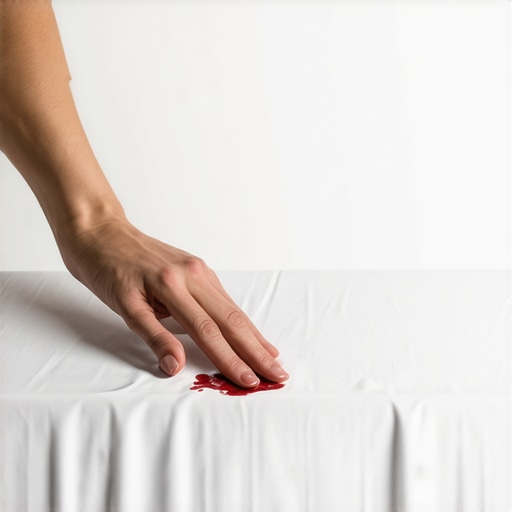
Have you ever had that jarring moment when a glass of red wine slips from your hand, splattering onto your favorite silk blouse or your grandmother’s vintage lace tablecloth? That sinking feeling when you realize the stain is stubborn and delicate fabric’s texture is vulnerable? I’ve been there—mopping frantically, praying for a miracle, only to end up with a worse stain or, worse, a frayed fabric. It’s frustrating, isn’t it? But here’s the truth: you don’t have to resign yourself to permanent stains or a ruined garment.
Why Immediate Action Matters with Delicate Fabrics
In my experience, the key to saving delicate fabrics from stubborn red wine stains is acting fast and knowing the right method. The longer the stain sits, the more it binds with the fibers—making removal significantly harder. I once learned this the hard way when I ignored my grandmother’s advice and tried to scrub a silk scarf hours after spilling wine. The stains set, and I felt helpless. That’s when I started digging into the science of stain removal and discovered that speedy, gentle intervention is crucial. According to experts, early treatment can prevent the pigment from penetrating deeply into fibers, increasing the chances of successful removal. If you’re worried about ruining the fabric, don’t worry. There are proven, gentle techniques that work safely on delicate textiles—techniques I swear by, and I’ll walk you through them today. Curious if you’ve faced this dilemma? Keep reading, because I’ll share the secrets that have helped me—and many others—save that cherished piece of clothing or decor.
Is It Worth The Hype to Tackle Stains Immediately?
I once believed that harsh chemicals or aggressive scrubbing were the only options for stain removal, which often made my fabrics worse. Early on, I made the mistake of applying bleach directly, thinking faster was better—only to discolor the fabric permanently. Trust me, gentle and swift action beats brute force every time, especially for delicate materials. For more expert tips on maintaining your home’s cleanliness, check out this comprehensive guide. Now, we’re ready to explore the step-by-step process that will empower you to handle red wine on sensitive fabrics with confidence—without risking damage or leaving behind lingering stains.
Start by assembling everything you need: a clean white cloth, cold water, mild dish soap, white vinegar, and a soft-bristled toothbrush. As soon as the stain occurs, blot the excess wine gently with the cloth—avoid rubbing, which can push the stain deeper. I vividly remember a time I was at a wedding, and a glass of Merlot spilled on my silk skirt. I grabbed my cloth, blotted the stain immediately, and moved to the next step without delay. Acting swiftly prevented the stain from setting.
Use the clean cloth to gently absorb as much wine as possible. Press lightly; do not scrub. Think of it as patting a fragile cake—too much pressure can cause damage. When I faced a similar spill on a delicate lace tablecloth, I gently dabbed with a soft cloth, ensuring the fibers remained intact while removing the excess liquid. This step stops the stain from spreading further and prepares the fabric for more targeted treatment.
Mix equal parts of cold water and white vinegar, then add a tiny drop of mild dish soap. Test this solution on an inconspicuous area first to ensure it doesn’t discolor the fabric. I once used this mixture on a vintage silk scarf; after a light dab with a sponge, the stain began to lift without harming the fabric. The vinegar helps break down the pigment while being gentle enough for delicate textiles.
Dip a soft cloth into your prepared solution and gently dab the stain. Do not saturate the fabric; just moisten it enough to allow the solution to penetrate the fibers. Imagine it as giving the fabric a gentle spa treatment—calming and effective. This step often requires patience; I left the solution on a stained chiffon dress for about 10 minutes, then blotted again to lift the pigment effectively.
Dampen a clean cloth with cold water and blot the area to remove any residual vinegar solution. Then, gently press with a dry towel to absorb moisture. Think of it as flushing out the treatment to prevent any residue buildup. I recall rinsing a delicate satin blouse this way, which successfully preserved its sheen while removing the stain.
Lay the fabric flat on a clean towel and allow it to air dry away from direct sunlight, which can fade colors or weaken fibers. This step is crucial to prevent new stains or damage. When I managed to salvage a silk pillowcase after a wine spill, air drying preserved its softness and color vibrancy.
If the stain persists, repeat the process or consider consulting a professional cleaner who specializes in delicate fabrics. Remember, harsh chemicals or vigorous scrubbing often worsen the damage. For deeper cleaning and maintenance of your delicate textiles, explore upholstery cleaning tips or learn about safe sanitation methods that protect your investment in fabric quality.
To minimize future accidents, consider using protective covers or treatments designed for delicate fabrics. Being proactive is the best way to keep your favorite garments and decor looking pristine. When in doubt, gentle and quick action always beats aggressive cleaning—your fabrics will thank you for it.
Many homeowners believe that tackling house cleaning involves simply following a checklist and using generic products, but in reality, there are nuanced mistakes even experienced cleaners often make. One prevalent myth is that harsher chemicals always yield better results; however, overusing potent cleaners can damage surfaces and compromise indoor air quality, especially in homes with children or pets. According to the EPA, using the right mixture of mild disinfectants, like diluted bleach or commercial sanitizers, ensures effective cleaning without harm.
A frequent oversight is neglecting the importance of proper contact time during sanitation. Many rush to wipe and move on, unaware that disinfectants need a specific amount of time—often 10 minutes—to effectively eliminate germs. This misunderstanding can lead to a false sense of security. For instance, disinfecting kitchen sponges with vinegar or soap alone won’t suffice unless the agent remains in contact long enough to be effective; study findings highlight the necessity of adequate dwell time for sanitizers to work effectively.
Another common error involves cleaning upholstery and carpets without considering their fiber composition. Many think that regular vacuuming is enough, but unknown to many, improper cleaning methods—like excessive steam or harsh chemicals—can weaken fibers and cause discoloration. For advanced cleaning, it’s crucial to understand the fabric type and apply appropriate techniques, such as using manufacturer-recommended cleaning agents or professional-grade equipment. You might find it helpful to consult specialized guides like the Ultimate Upholstery Care Guide.
Have you ever fallen into this trap? Let me know in the comments.
Why is it a mistake to wash everything at once without prioritization?
Many think that doing a massive cleaning blitz saves time, but this can actually lead to overlooked areas or incomplete sanitation. Specialists recommend a targeted approach, focusing on high-touch surfaces first, then gradually moving to less-used zones. This method ensures optimal use of disinfectants and reduces cross-contamination risk. According to cleaning experts, such strategic planning aligns with EPA guidelines and increases effectiveness, especially during health crises like flu season. Learn more about effective planning in this comprehensive guide.
Let’s dig deeper into the nuances—because a little knowledge can prevent costly mistakes. Ready to elevate your cleaning game?
Investing in Reliable Equipment for Effortless Cleaning
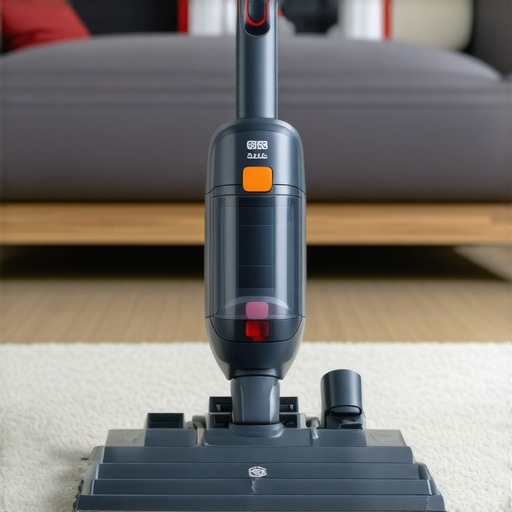
When it comes to maintaining a pristine home, having quality tools makes all the difference. I personally swear by my Dyson V11 Torque Drive cordless vacuum because of its powerful suction tailored for different surfaces, which ensures deep cleaning without the hassle of cords or bulk. Its advanced cyclone technology captures fine dust and allergens, which is critical for safe sanitation, especially in households with sensitive individuals. Learn more about why your vacuum might be spreading dust. Moreover, investing in a high-quality steam mop like the Bissell Spinwave helps sanitize floors effectively while being gentle on delicate surfaces, reducing the need for harsh chemicals over time. These tools contribute significantly to a long-term cleaning routine, saving effort and preserving your home’s integrity.
How do I maintain my cleaning tools over time?
Regular maintenance extends the lifespan and efficiency of your equipment. For vacuum cleaners, I recommend cleaning filters every three months and checking brush rolls for hair or debris that may hinder performance. Steam mops should be rinsed thoroughly after each use and stored in a dry, cool place to prevent mold. Scheduling routine check-ups and replacing worn-out parts early prevents costly repairs and ensures your tools remain effective. Incorporating these habits into your cleaning regimen guarantees consistent results and prolongs the investment in your equipment. For a comprehensive guide on effective sanitizing methods, visit this resource.
Scaling Up Your Home Hygiene Slowly but Surely
As you get comfortable with basic tools and routines, consider gradually expanding your cleaning system. This might involve investing in specialized equipment like a **carpet extractor** if you deal with persistent stains or a **UV sterilization wand** for quick surface sanitation. I’ve found that investing in technology like the Sherpa UV Sterilizer enhances sanitation without significant effort, especially useful in high-touch areas. The future of home cleaning leans toward smart, automated devices that integrate seamlessly into daily routines, making sanitation effortless and routine. Staying ahead of these trends can help maintain a healthier living space with minimal ongoing effort.
Why it’s smarter to adopt multi-purpose tools
Instead of having separate devices for each cleaning task, opt for versatile equipment that handles multiple functions. For example, a steam cleaner with interchangeable attachments can tackle floors, upholstery, and even curtains, reducing clutter and cost. This approach ensures you’re prepared for various cleaning needs without constantly purchasing new tools. For advanced advice on hygiene, explore this upcoming trend report.
To get started, try using a microfiber mop with a steam attachment on your bathroom tiles this week. It’s a game-changer for killing germs without chemical residues, making your long-term sanitization easier and more effective.
What My Mistakes Taught Me About Gentle Cleaning
Early in my cleaning journey, I believed that aggressive scrubbing and harsh chemicals were the only way to remove stubborn stains, especially on delicate fabrics. It wasn’t until I watched a professional handling a silk blouse with the utmost care that I realized patience and the right tools are paramount—and that trying to rush the process often leads to permanent damage. This taught me that understanding the fabric’s nature and acting swiftly with gentle methods can turn a potential disaster into a successful rescue.
Why Preserving Delicate Textiles Requires More Than Just Effort
I used to think that any stain was fixable with enough elbow grease, but I learned that each fabric demands specific attention. For instance, silk and lace need different treatments than cotton or polyester. Over time, I discovered that researching best practices and using tailored solutions, like diluted vinegar or specialized stain removers, make all the difference. This nuanced approach not only saved my favorite pieces but also gave me confidence to tackle future mishaps more effectively.
The Power of Swift Yet Gentle Action Logged in My Experience
One night, a glass of red wine poured onto an heirloom tablecloth, and panic set in. Remembering the advice I had read, I immediately blotted with a clean, dry cloth before applying a mild solution. The stain lightened significantly, and I avoided permanent damage. This quick, gentle intervention reaffirmed that rapid response combined with care is the secret to preserving your fabrics without risking further harm.
How Using the Right Techniques Revolutionized My Clean-up Routine
Adopting techniques such as blotting instead of rubbing, testing solutions on small inconspicuous areas, and rinsing thoroughly transformed my approach. It became clear that patience and knowledge outweigh brute force. For delicate textiles, this meant not only preserving their beauty but also extending their lifespan. I encourage you to explore resources on safe stain removal techniques, like upholstery cleaning tips, to elevate your cleaning game further.
Never Underestimate the Value of Proper Tools and Knowledge
Investing in quality cleaning supplies and educating myself on fabric-specific care transformed my approach from trial-and-error to methodical precision. Whether it’s a soft microfiber cloth or a gentle stain remover, the right tools make a significant difference. Over time, I realized that continuous learning—reading up on fabric care and stain removal strategies—helps prevent mishaps and keeps my home both beautiful and safe. Curious about the tools I swear by? Check out the Sanitizing methods that I trust.