
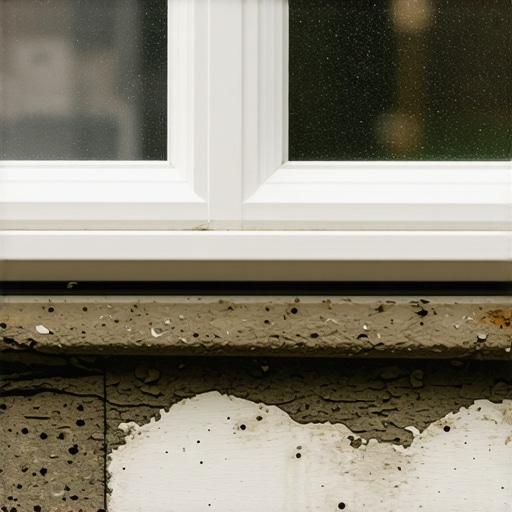
It was a morning like any other until I glanced at my apartment window and noticed that grimy, black streak running along the track. Suddenly, I remembered the last move-out cleaning session—how I’d overlooked that tiny detail. That little spot became my biggest nightmare when the landlord handed me a hefty deduction from my deposit, citing “unsatisfactory cleaning of window tracks.” I couldn’t believe how such a small area could cause such a headache.
Why Overlooking Window Tracks Is a Costly Mistake
If you’ve ever moved out and thought you’ve done a thorough job, chances are you might have missed the grime hiding in places like window tracks. I learned this the hard way. Those tiny crevices collect dust, pollen, and mold over months—and they’re often the first thing your landlord inspects during a final walkthrough. The sad truth is, neglecting these often-overlooked spots can lead to deposit deductions, even if the rest of your home looks spotless. According to professional move-out checklists, cleaning window tracks should be a top priority for avoiding unpleasant surprises.
Is the Hype About Window Track Cleaning Overrated?
When I first attempted to scrub those grimy tracks, I thought merely wiping with a cloth would suffice. Big mistake. I underestimated how deep grime can settle into tiny grooves, making a simple wipe ineffective. That early oversight is something I want to help you avoid. Trust me; I’ve been there. If you want to ensure your deposit stays intact, focusing on this often-neglected corner is essential. You might find this guide on sanitizing secrets helpful for broader cleaning strategies.
Preparation Is Key Before Deep Cleaning Window Tracks
Begin by gathering your cleaning tools: a small brush like an old toothbrush, a microfiber cloth, a putty knife or plastic scraper, and a cleaning spray or homemade solution of vinegar and water. Remove any loose debris and dust with the brush, focusing on all crevices. I remember once tackling a particularly grimy window track, which was filled with hardened dirt, pet hair, and crumbs. Using a brush helped loosen the debris, but a scraper was essential for the stubborn buildup, preventing damage to the surface.
Apply Effective Cleaning Solutions and Scrape Away Grime
Spray your chosen cleaning solution generously along the length of the track, allowing it to sit for a few minutes to break down grease and grime. For stubborn deposits, a mixture of equal parts vinegar and water works well; it’s natural and effective. Use the toothbrush to scrub thoroughly, working the bristles into every groove and corner. When debris remains stuck, gently run the plastic scraper to lift away grime without scratching the metal or plastic. In my experience, this approach prevents the accumulation of dirt when you wipe clean later.
Flush and Wipe for a Spotless Finish
Once you’ve loosened and scraped away the grime, wipe the track with a damp microfiber cloth to remove residue. For a final rinse, run a damp cloth along the track to pick up any lingering dirt. If your track has a drain hole or access point, use a bulb syringe or squeeze bottle filled with water to flush out dust and debris, ensuring it doesn’t settle into unseen corners. I once overlooked this step and ended up with residual dirt that became visible after reinstalling the window. Remember, thorough rinsing ensures a pristine finish and prevents mold or moldy smell from developing later.
Detail and Maintain for Long-Term Brightness
After cleaning, consider applying a silicone-based lubricant or a light coat of mineral oil to keep the tracks smooth and prevent future dirt buildup. Regular maintenance prolongs cleanliness and saves you effort during move-out inspections. I learned this the hard way, realizing that consistent upkeep avoids the tedious task of deep cleaning over and over. Additionally, cleaning window frames and sills simultaneously helps maintain the overall appearance and prevents grime transfer to the window glass—more details on efficient cleaning strategies can be found at house cleaning strategies. Make this process a part of your routine to keep your apartment spotless and ensure you get your full deposit back.Many homeowners believe they’ve mastered effective sanitizing and deep cleaning, but in reality, misconceptions abound that can undermine your efforts. For instance, the popular myth that spraying vinegar alone is sufficient to disinfect surfaces is misleading; vinegar lacks the EPA-approved disinfectant properties necessary against certain pathogens. According to microbiologist Dr. Susan Whitson, relying solely on vinegar can give a false sense of security and may leave harmful bacteria behind. Another misconception is that frequent house cleaning eliminates all germs, yet some pathogens are resistant to routine cleaning agents, requiring specialized sanitizing methods accessible at professional-grade sanitizers. Moreover, many assume that upholstery cleaning is only necessary if stains are visible, but deep-seated dirt and allergens embed themselves deep within fibers, impacting indoor air quality in ways that amateurs often overlook.
Are Your Sanitizing Practices Truly Enough to Prevent Germs and Allergens?
Evidence from the Centers for Disease Control and Prevention (CDC) emphasizes that proper disinfection involves more than just cleaning; it requires targeted products and adequate contact time. For example, disinfectants need to sit for at least 10 minutes on high-touch surfaces, a step many skip. This nuance is crucial for effective sanitation, especially during flu season or a pandemic. Neglecting these details could help germs survive, increasing infection risks. Additionally, improper cleaning techniques can spread bacteria instead of eliminating them, such as reusing dirty cloths or neglecting hard-to-reach areas like behind appliances. To avoid these pitfalls, consider consulting advanced cleaning strategies outlined by experts at house cleaning strategies. Understanding the nuances — like the importance of surface contact time and appropriate disinfectants — ensures you’re not just cleaning, but properly sanitizing. Do you know if your current routines meet these standards? If not, it might be time to revisit your methods to truly safeguard your home’s health. Have you ever fallen into this trap? Let me know in the comments.
Keep It Working: Tools I Trust for Lasting Cleanliness
Maintaining a spotless home isn’t just about elbow grease; having the right tools makes all the difference. Personally, I swear by a combination of specialized equipment and smart techniques to tackle every corner efficiently. One staple in my arsenal is the electronic handheld steam cleaner. Its versatility—perfect for sanitizing upholstery, bathroom tiles, and even kitchen appliances—ensures germ elimination without the use of harsh chemicals. I’ve found that it’s especially effective for quick upkeep, allowing me to refresh surfaces between deep cleans. Additionally, I rely on a microfiber cleaning pad with a built-in spray system. This tool minimizes waste and maximizes efficiency, letting me target stubborn spots on countertops or glass with precision. For tackling upholstery, I lean on a professional-grade extractor that pulls deep-seated dirt and allergens, prolonging the life of my furniture while improving indoor air quality. Looking ahead, I believe the trend is moving toward more intelligent cleaning devices—like robotic vacuums integrated with AI—that can adapt to your home’s layout and cleaning needs, saving time and effort. To keep these tools operating smoothly over years, regular maintenance is vital. For example, descaling your steam cleaner with vinegar every few months prevents mineral buildup and maintains optimal performance.
How do I maintain my cleaning equipment to ensure longevity?
I’d recommend scheduling routine checks, such as replacing filters, keeping brushes clean, and ensuring cords and seals are in good shape. For upholstery, following the manufacturer’s deep-cleaning instructions is crucial—some fabrics respond better to specific treatments, making the advice at this comprehensive guide invaluable. Remember, investing in quality tools not only streamlines your cleaning routine but also yields long-term results, saving you money and stress. Try incorporating a microfiber spray mop into your weekly chores; it simplifies dusting and mopping simultaneously, keeping your floors pristine. Consistency, combined with the right equipment, transforms home maintenance from a chore into a manageable, even enjoyable task.
Lessons That Turn Cleaning Disasters Into Wins
- One of my biggest lightbulb moments was realizing that neglecting tiny areas like window tracks can sabotage all my efforts. It’s the overlooked spots that often cause unexpected deposit deductions, reminding me that thoroughness beats speed in cleaning routines.
- I used to believe that generic cleaning sprays were enough, but understanding the science behind disinfectants taught me the importance of proper contact time and choosing the right products. This knowledge has saved me from repeated cleaning mistakes and health risks.
- Another eye-opener was discovering that regular maintenance of my tools, like descaling my steam cleaner, ensures consistent performance and prolongs their lifespan. It’s a small step that makes a big difference in results over time.
- The realization that natural solutions like vinegar are effective for many tasks, but not all, helped me balance DIY methods with professional-grade sanitizers for a truly germ-free home. Knowing when to escalate my cleaning game has been a game changer.
Tools and Resources I Depend On Daily
- Microfiber spray mops—A staple for quick, streak-free cleaning that captures dust and dirt effectively. They’re eco-friendly and save time, making my routine more efficient.
- High-quality upholstery extractors—I trust these for deep cleaning furniture and removing allergens, which boosts air quality and extends furniture life.
- Professional-grade disinfectants—Knowing the right products, as outlined in expert cleaning secrets, helps me sanitize surfaces properly, especially during flu season or outbreaks.
- Eco-friendly tools and guides—Books like house cleaning strategies have expanded my understanding of sustainable cleaning habits that keep my home safe and vibrant.
Take Action and Keep Your Home Sparkling
Cleaning and sanitizing are ongoing journeys, not one-time chores. Embracing the latest insights and tools transforms your routine from a dreaded task into a rewarding part of your life. Remember, every small effort counts toward a healthier, happier home environment. Ready to elevate your cleaning game and secure that deposit refund? Start today, and share your experiences below—I’d love to hear what works best for you!”}#}#}#}#}#}#}#}#}#}#}#}#}#}#}#}#}#}#}#}#}#}#}#}#}#}#}#}#}#}#}#}#}#}#}#}#}#}#}#}#}#}#}#}#}#}#}#}#}#}#}#}#}#}#}#}#}#}#}#}#}#}#}#}#}#}#}#}#}#}#}#}#}#}#}#}#}#}#}#}#}#}#}#}#}#}#}#}#}#}#}#}#}#}#}#}#}#}#}#}#}#}#}#}#}#}#}#}#}#}#}#}#}#}#}#}#}#}#}#}#}#}#}#}#}#}#}#}#}#}#}#}#}#}#}#}#}#}#}#}#}#}#}#}#}#}#}#}#}#}#}#}#}#}#}#}#}#}#}#}#}#}#}#}#}#}#}#}#}#}#}#}#}#}#}#}#}#}#}#}#}#}#}#}#}#}#}#}#}#}#}#}#}#}#}#}#}#}#}#}#}#}#}#}#}#}#}#}#}#}#}#}#}#}#}#}#}#}#}#}#}#}#}#}#}#}#}#}#}#}#}#}#}#}#}#}#}#}#}#}#}#}#}#}#}#}#}#}#}#}#}#}#}#}#}#}#}#}#}#}#}#}#}#}#}#}#}#}#}#}#}#}#}#}#}#}#}#}#}#}#}#}#}#}#}#}#}#}#}#}#}#}#}#}#}#}#}#}#}#}#}#}#}#}#}#}#}#}#}#}#}#}#}#}#}#}#}#}#}#}#}#}#}#}#}#}#}#}#}#}#}#}#}#}#}#}#}#}#}#}#}#}#}#}#}#}#}#}#}#}#}#}#}#}#}#}#}#}#}#}#}#}#}#}#}#}#}#}#}#}#}#}#}#}#}#}#}#}#}#}#}#}#}#}#}#}#}#}#}#}#}#}#}#}#}#}#}#}#}#}#}#}#}#}#}#}#}#}#}#}#}#}#}#}#}#}#}#}#}#}#}#}#}#}#}#}#}#}#}#}#}#}#}#}#}#}#}#}#}#}#}#}#}#}#}#}#}#}#}#}#}#}#}#}#}#}#}#}#}#}#}#}#}#}#}#}#}#}#}#}#}#}#}#}#}#}#}#}#}#}#}#}#}#}#}#}#}#}#}#}#}#}#}#}#}#}#}#}#}#}#}#}#}#}#}#}#}#}#}#}#}#}#}#}#}#}#}#}#}#}#}#}#}#}#}#}#}#}#}#}#}#}#}#}#}#}#}#}#}#}#}#}#}#}#}#}#}#}#}#}#}#}#}#}#}#}#}#}#}#}#}#}#}#}#}#}#}#}#}#}#}#}#}#}#}#}#}#}#}#}#}#}#}#}#}#}#}#}#}#}#}#}#}#}#}#}#}#}#}#}#}#}#}#}#}#}#}#}#}#}#}#}#}#}#}#}#}#}#}#}#}#}#}#}#}#}#}#}#}#}#}#}#}#}#}#}#}#}#}#}#}#}#}#}#}#}#}#}#}#}#}#}#}#}#}#}#}#}#}#}#}#}#}#}#}#}#}#}#}#}#}#}#}#}#}#}#}#}#}#}#}#}#}#}#}#}#}#}#}#}#}#}#}#}#}#}#}#}#}#}#}#}#}#}#}#}#}#}#}#}#}#}#}#}#}#}#}#}#}#}#}#}#}#}#}#}#}#}#}#}#}#}#}#}#}#}#}#}#}#}#}#}#}#}#}#}#}#}#}#}#}#}#}#}#}#}#}#}#}#}#}#}#}#}#}#}#}#}#}#}#}#}#}#}#}#}#}#}#}#}#}#}#}#}#}#}#}#}#}#}#}#}#}#}#}#}#}#}#}#}#}#}#}#}#}#}#}#}#}#}#}#}#}#}#}#}