
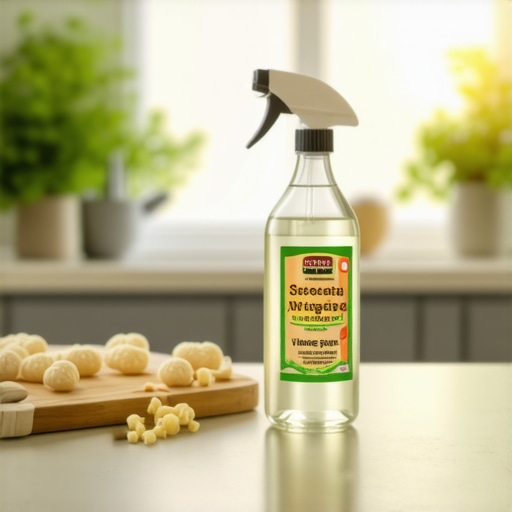
It started with a small spill, a quick wipe, and a sudden realization—my kitchen counter still felt sticky and smelled faintly sour even after spritzing vinegar. I had trusted that this natural remedy would disinfect everything in sight. But the truth hit me like a damp dishtowel: vinegar isn’t the germ-zapping hero I thought it was. That lightbulb moment changed my cleaning routine forever.
The Myth of Vinegar as a Disinfectant
Have you faced similar frustrations with household cleaners that promise more than they deliver?Prepare Your Cleaning Arsenal
Start by gathering all necessary supplies: microfiber cloths, scrub brushes, a bucket, gloves, and appropriate cleaning solutions. For disinfectants, opt for EPA-registered products proven to eliminate germs effectively—this is especially crucial during peak flu seasons. Avoid relying solely on vinegar for disinfection, as it falls short against many bacteria and viruses.
Clear and Declutter Surfaces
Remove all items from countertops, tables, and floors to create a blank slate. This step prevents spreading germs while cleaning and allows for thorough sanitation. Use a trash bag or storage bins to keep the clutter contained and out of the way, setting the stage for an efficient deep clean.
Deep Clean Upholstery and Fabrics
Upholstery can harbor dust, pet dander, and bacteria. For upholstered furniture, consider following the detailed upholstery cleaning tips in this guide. I once faced a stubborn coffee stain on my couch, and using gentle cleaning methods restored its appearance without damaging the fabric. Use a steam cleaner or appropriate upholstery sprays, and always test a small hidden area first to prevent discoloration.
Focus on High-Touch Areas
Next, disinfect surfaces that are touched frequently—door handles, light switches, remote controls, and kitchen appliances. Use a microfiber cloth dampened with an effective disinfectant. For electronics, ensure products are safe to wipe and avoid excessive moisture that could cause damage. Regularly sanitizing these areas reduces the spread of germs and keeps your household healthier.
Deep Clean Hard Floors
Vacuum or sweep to remove loose dirt, then mop with a sanitation-grade cleaner. Pay attention to corners and underneath furniture. Remember, micro-scratches on hardwood floors can trap bacteria, making thorough mopping essential. For more details on floor maintenance, explore this comprehensive strategy.
Address Hidden Spots for a Germ-Free Home
Don’t forget overlooked areas like underneath appliances, behind toilets, inside vent covers, and inside cabinet handles. These spots can become bacterial reservoirs if neglected. Use a smaller brush or compressed air to reach tight spaces, and sanitize thoroughly. For tricky areas, specialized tips are available in this expert advice.
Many homeowners believe that a quick vacuum or spray of fabric freshener is enough to maintain spotless upholstery. However, this misconception can lead to long-term damage and lingering odors. In reality, understanding the nuanced differences between superficial cleaning and proper deep cleaning is crucial for preserving your furniture’s longevity and hygiene. For instance, many assume that all cleaning agents are equally effective, but using the wrong solutions can weaken fabric fibers or cause discoloration. Advanced techniques, such as professional steam cleaning or specialized stain treatments, are often overlooked but offer far superior results. Moreover, a common myth is that frequent cleaning is always better; in truth, aggressive scrubbing can damage delicate fibers, accelerating wear and tear. Being aware of these nuances helps prevent costly mistakes and extends the lifespan of your upholstery. Want to dive deeper into maintaining fresh, healthy furniture? Check out the Ultimate Upholstery Care Guide for expert tips. Have you ever fallen into this trap? Let me know in the comments.Maintaining a pristine and germ-free home requires more than just basic cleaning; it demands the right equipment, consistent routines, and strategic scaling. Personally, I swear by the **Dyson V11 Torque Drive** for its unparalleled suction power and smart technology that adapts to different surfaces, making daily upkeep effortless and efficient. Its high torque motor ensures deep cleaning, especially in tricky upholstery fibers, without the need for multiple tools. For sanitizing, I trust **Clorox Disinfecting Wipes** for quick touch-ups on high-touch surfaces—they’re proven effective and easy to use, ensuring peace of mind without complex setups. When tackling move-out or deep-clean projects, I prefer using a **Vapamop Steam Cleaner**; not only does it disinfect naturally without harsh chemicals, but it also preserves delicate fabrics when used properly, aligning with EPA-approved guidelines on effective sanitizing methods. As for organization, I rely on **Clear Storage Bins with Lock Lids**, which simplify long-term maintenance of clutter and dust control, especially in hard-to-reach areas like behind appliances or inside vents. For scaling your cleaning efforts, integrating a **household scheduling app** like **Trello** helps set recurring maintenance tasks, ensuring every corner from under the fridge to ceiling fan blades remains in top shape. The future of home maintenance leans heavily toward smart and eco-friendly tools; automated vacuums like the **iRobot Roomba i7+** exemplify this trend, reducing manual effort while maintaining consistent cleanliness. For anyone serious about preserving upholstery, I recommend trying this routine: schedule weekly vacuuming with your smart robot vacuum, follow up with deep steam cleaning monthly, and sanitize all high-touch surfaces daily. Want to see real results? Visit our detailed guide on ultimate upholstery care and adopt these professional-grade tools and tips. How do I maintain my upholstery and home over time? The key lies in regularity and upgrading to tools that optimize efficiency, giving you lasting freshness and peace of mind.