
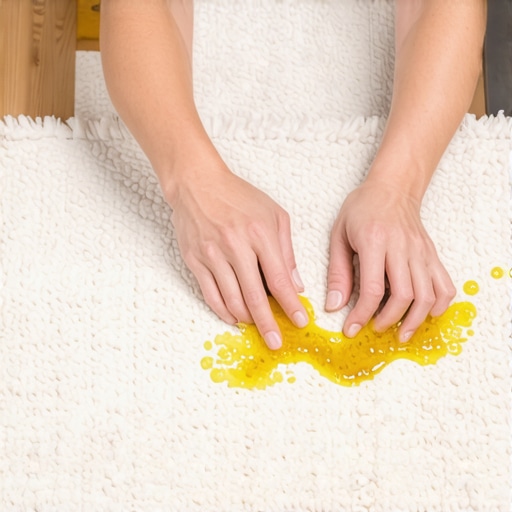
It was a morning like any other, until I stepped into the living room and was met with that familiar, stomach-turning odor. My dog had left a less-than-pleasant surprise on my beloved wool rug, and panic set in. I knew I needed a quick fix, but I also dreaded the thought of ruining my delicate fibers or leaving behind a stubborn stain that would last forever. That moment—when I realized I didn’t have the proper cleaning tricks up my sleeve—was a lightbulb moment. I understood how many pet owners feel paralyzed when faced with accidental vomit on their prized carpets.
Protecting Your Wool Rug from Permanent Stains: What You Need to Know
How to Clean Pet Vomit from Wool Rugs Without Permanent Damage
Do you ever worry that a quick cleanup might make things worse? I used to make the mistake of scrubbing vigorously or using harsh chemicals, which only set stains deeper or damaged the fibers. Early on, I learned that patience and the right techniques are crucial. Remember, wool is a resilient fiber, but it requires gentle handling to preserve its natural beauty. In this post, I’ll share my proven methods, backed by expert advice, to help you handle pet vomit emergencies without risking lasting stains or fiber damage. This approach has saved me countless times, and I promise it will do the same for you. So let’s get into the practical steps that will keep your wool rug clean, fresh, and stain-free for years to come. If you’ve ever faced a similar mess and felt overwhelmed, keep reading — I’ve got your back with tried-and-true advice that works.
Initial Preparation and Immediate Action
As soon as you spot the vomit, gently pick up any solids using a spoon or a dull knife, avoiding pressing the stain further into the fibers. Blot the area with a clean, white cloth or paper towels to absorb excess moisture, pressing but not rubbing. This prevents the stain from spreading or sinking deeper. I once rushed to clean a fresh pet vomit, and I found that aggressive scrubbing only made the stain set harder. Patience and gentle blotting are key.
Creating a Gentle Cleaning Solution
Mix a solution of cool distilled water with a small amount of mild wool-safe detergent or a few drops of white vinegar, if vinegar is tolerated. Avoid harsh chemicals or bleach, which can weaken or discolor wool fibers. For stubborn stains, a peroxide-based cleaner can work, but test on a hidden area first. I learned this trick after experimenting with different solutions and seeing how aggressive chemicals damaged my rug’s luster. Always dilute your cleaning agents and use sparingly.
Applying the Solution Correctly
Dip a soft cloth or sponge into your prepared solution, then ring out excess liquid to prevent oversaturation. Gently apply the cleaning solution to the stained area, working from the outside in to avoid spreading. Use a dabbing motion rather than rubbing to lift the stain without disturbing the fibers. Remember, wool can be sensitive, so light touch is essential. During one attempt, I pressed too hard, and the stain spread; learning to be gentle saved my rug.
Rinsing and Extracting Moisture
After treating the stain, dampen a separate clean cloth with plain cool water and blot the area to remove any residual cleaning solution. Avoid saturating the wool, as excess moisture can cause shrinkage or warping. Use a dry towel to blot and absorb as much moisture as possible. For larger spills, a wet/dry vacuum set to extract mode can be helpful. I found that careful rinsing prevented soap residue and kept my rug soft and plush.
Drying the Area Safely
Allow the cleaned area to air dry naturally, avoiding direct sunlight which can fade fibers. You can also direct a gentle fan or use a low heat setting on a hairdryer, keeping it at a distance. Elevate the rug’s edge to improve airflow, or place a fan nearby. Never use high heat or heat guns, as they risk shrinking or damaging the wool. I once hastily dried my rug with a hot blow dryer, and it caused a noticeable change in texture. Patience with air drying keeps your wool pristine.
Additional Tips for Long-Term Care
Once the area is dry, brush the fibers gently with a soft-bristled brush to restore the wool’s natural texture. Regular vacuuming prevents dirt from settling and becoming harder to remove in emergencies. Consider applying a wool fabric protector if your rug isn’t already treated, to make future cleanups easier. For persistent odors, lightly sprinkle baking soda once dry, let sit, then vacuum thoroughly. My own experience with baking soda kept my rug smelling fresh and helped eliminate residual pet smells.
Many homeowners operate under assumptions about cleaning and sanitizing that can lead to subpar results or even damage. For example, the widespread belief that more aggressive scrubbing or using bleach guarantees a cleaner home is a misconception. In my experience, over-cleaning can weaken fibers, discolor fabrics, or push bacteria deeper into surfaces. Effective cleaning is as much about understanding materials and proper techniques as it is about brute force. The myth that homemade solutions are always safe and effective similarly trips people up—certain ingredients like vinegar or lemon are great, but they can harm specific surfaces like natural stone or delicate finishes. Knowing the subtle differences in cleaning agents and their compatibility with your surfaces is essential—something often overlooked by DIY enthusiasts. Furthermore, many assume that sanitizing is only necessary during flu season or after illness. In reality, high-touch surfaces like doorknobs, light switches, and remotes are constant reservoirs for bacteria, making routine sanitizing a smart habit year-round. Interestingly, a study published in the Journal of Environmental Health found that improper sanitizing methods leave many surfaces contaminated, emphasizing the importance of using proven techniques rather than guesswork. Avoiding common pitfalls, such as using too much product or neglecting detailed areas like upholstery seams and hidden corners, can dramatically improve your home’s cleanliness. When it comes to upholstery, many think that regular vacuuming is sufficient. But deep cleaning, whether through professional services or proper DIY methods, removes embedded dirt and allergens that vacuuming alone can’t reach. It’s a nuanced process—using gentle cleaners and understanding fabric-specific care prevents color fading and fiber damage. Don’t overlook that improper cleaning can lead to quicker wear and tear, ultimately shortening the lifespan of your furniture. For move-out situations, the focus is often solely on visible grime. But attention to detail, such as cleaning behind appliances, baseboards, and vents, can prevent deposit deductions and secure your deposit faster. Remember, each surface and fabric requires a tailored approach—generic solutions won’t do. To truly elevate your cleaning routine, you need to dig into these hidden nuances, educate yourself about material-specific care, and avoid the traps of popular myths. For comprehensive strategies, you may find it useful to review expert tips on effective house cleaning secrets, which emphasize precision over brute force. Have you ever fallen into this trap? Let me know in the comments!When it comes to keeping your home clean and sanitized over time, having the right tools makes all the difference. I’ve learned through trial and error that investing in quality equipment not only saves time but also protects your surfaces and prolongs their lifespan. One of my go-to items is a high-quality microfiber mop, which I’ve found superior for hardwood and tile floors because it effectively traps dirt without scratching. For upholstery, I rely on a handheld steam cleaner designed specifically for fabrics; it sanitizes deep fibers without the use of harsh chemicals, making it both effective and gentle. I also recommend a cordless handheld vacuum for quick cleanups in tight spaces—its portability and power help me maintain cleanliness without hassle. Additionally, I swear by a set of natural-bristled brushes for dusting delicate surfaces like blinds, lamps, and crown molding, ensuring thorough removal without abrasion. To optimize long-term results, I use a HEPA air purifier equipped with a washable filter, which continuously filters airborne particles and reduces allergens, especially during seasonal transitions. As technology advances, I predict that smart cleaning devices, like robotic vacuums integrated with home networks, will become more sophisticated and customizable, making routine maintenance even easier. For example, securing automatic scheduling and zone cleaning helps ensure no corner is neglected.
How do I maintain my cleaning tools over time?
Proper maintenance of your cleaning equipment is crucial for their longevity and effectiveness. Regularly washing microfiber cloths and mop heads prevents bacteria buildup and maintains their absorbency. I recommend washing them in hot water with a natural laundry detergent to eliminate germs and residues. For electronic devices like steam cleaners, always follow manufacturer instructions for descaling and desanitizing. Cheaper tools might seem tempting, but they often require replacement sooner—investing in premium tools pays off by reducing future costs and improving cleaning performance. By keeping your tools in top shape, you ensure every cleaning session is efficient and safe, especially when dealing with sensitive surfaces like upholstery and electronics. Remember, consistent care and prompt repairs can extend your tools’ lifespan significantly. For instance, verifying the integrity of seals and hoses on your steam cleaner prevents leaks and maintains pressure for optimal sanitization. Curious about deep cleaning techniques for upholstery? Check out [these upholstery cleaning tips](https://spotlesscarpetz.com/upholstery-cleaning-tips-for-a-fresh-home-revival) to learn more. To streamline your maintenance routine further, consider creating a cleaning calendar that includes regular tool inspections and replacements. This proactive approach minimizes unexpected breakdowns and keeps your home consistently fresh. Ready to elevate your home maintenance? Try sharpening your microfiber cloths by washing them with a small amount of white vinegar—this restores their cleaning power and keeps them lint-free. Keeping your tools in prime condition is one of the smartest investments for a hygienic, inviting home.
What I Wish I Knew Before My First Wool Rug Emergency
One of the most valuable lessons I learned was that patience beats aggression when cleaning delicate fibers. Rushing to scrub or using harsh chemicals only worsened stains or damaged my rug. When I finally embraced gentle techniques, I saved both my rug’s beauty and my sanity.
The Power of Small, Consistent Habits in Long-Term Care
Developing a routine of regular vacuuming and immediate stain response has kept my wool rugs looking new for years. Quick action with the right methods prevents stains from setting, avoiding costly professional repairs or replacements down the line.
How Personal Experience Transformed My Cleaning Strategy
After years of trial and error, I realized that investing in quality cleaning tools and learning material-specific techniques significantly improved my results. This journey taught me that being informed and deliberate with cleaning practices offers peace of mind and lasting beauty for your furnishings.
Curated Recommendations for Wool Rug Care Enthusiasts
- microfiber cleaning cloths: Their superior ability to trap dust and dirt without abrasions keeps wool fibers safe and vibrant.
- gentle wool-safe detergents: Natural and mild, these cleaners preserve the fiber’s integrity while effectively removing stains.
- Professional upholstery steam cleaners: Equipment specifically designed for delicate fabrics ensures deep cleanliness without damage.
- Educational resources like expert blogs: Staying informed through trusted sources like house cleaning secrets from cleaning experts helps refine your technique and avoid common pitfalls.
Your Next Move in Wool Rug Preservation
Remember, caring for your delicate wool rug is an ongoing journey. Embrace gentle techniques, invest in quality tools, and stay curious about best practices. With a little patience and knowledge, you’ll keep your cherished fibers looking stunning for years to come. Have you ever faced a cleaning challenge that taught you an unexpected lesson? Share your story below and let’s learn together!