
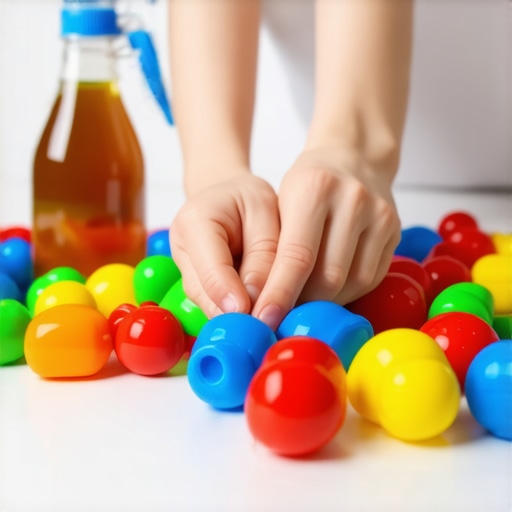
I remember the moment vividly—a small plastic toy encrusted with yogurt, sticky from a day of play, sitting on my kitchen counter. My first instinct was to grab the strongest disinfectant I had, but then a lightbulb flickered in my mind. What if I was unknowingly exposing my child to toxic chemicals with every wipe? That realization hit me hard. Like many parents, I wanted to keep my child’s toys spotless without risking their health. But the question was—how?
Why Conventional Toy Cleaning Isn’t Enough—and Can Be Dangerous
As parents, we often think that routine cleaning with harsh chemicals keeps our kids safe. However, many household disinfectants contain ingredients like quaternary ammonium compounds, which studies suggest can cause irritation and even long-term health issues when used excessively, especially around children who tend to put everything in their mouths. The good news is, there are safer, effective ways to sanitize toys without resorting to toxic chemicals.
Is Steam Cleaning the Magic Bullet or Just a Buzz? Or the Real Deal?
Early on, I made the mistake of relying solely on steam cleaners, believing they were the ultimate safe solution. But then I read a startling fact from a consumer safety report—it turns out steam cleaning can leave behind water spots and if not used correctly, might not eliminate all bacteria. My mistake? Expecting it to be a one-size-fits-all fix. Now, I know that combining methods and understanding their limitations results in a truly safe cleaning routine.
If you’ve ever felt unsure or overwhelmed about the best way to sanitize your child’s toys, rest assured you’re not alone. Many parents face this dilemma daily. Stay tuned—I’m going to share practical, tried-and-true methods that have worked wonders in my home, ensuring my kids’ toys are squeaky clean and toxin-free. Ready to ditch harmful chemicals and embrace safer sanitizing hacks? Let’s dive in to protect our little ones, one toy at a time.
Start With a Deep Wash to Remove Dirt and Residue
Before sanitizing, give each toy a thorough clean with warm water and a few drops of mild dish soap. Use a microfiber cloth or soft brush to scrub away any visible dirt, sticky spots, or leftover food. Rinse thoroughly to ensure no soap remains. This step is crucial because sanitizing is ineffective if dirt is still present. I remember once rushing through this process, only to find that my child’s plush toy still had grime after applying disinfectant—clean first, sanitize second.
Use a Microfiber Cloth for Gentle Cleaning
When wiping down plastic or rubber toys, always opt for microfiber cloths—they attract less grit and don’t scratch surfaces. I once tried using coarse sponges, which left tiny scratches on my son’s rubber car—making it look dull. Microfiber is gentle but effective at trapping dust and dirt, setting the stage for better sanitization.
Apply Natural Disinfectants for Safety and Effectiveness
Many parents shy away from harsh chemicals, but natural solutions like vinegar, baking soda, or hydrogen peroxide can do the job safely. Mix equal parts water and white vinegar in a spray bottle and lightly spritz toys, especially plastic and non-electronic items. Wait for about 5 minutes before wiping with a clean microfiber cloth. The vinegar’s acidity kills bacteria without toxic residues. I once used this method on my daughter’s silicone teething toys—no residue, no worries.
Avoid Overly Saturating Toys to Prevent Damage
Be cautious not to soak toys altogether, especially plush or electronic toys. Excess moisture can damage interiors or foster mold growth. Instead, use a damp cloth or light spray. Once, during a move-out clean, I sprayed a plush animal too heavily, leaving it damp for days. The odor was stubborn, a clear sign that moisture had seeped in.
Steam Cleaning Brings a Chemical-Free Touch
Steam cleaning is an effective way to sanitize hard, non-porous toys without chemicals. Use a handheld steam cleaner, set at the appropriate temperature, and gently pass over each surface. Keep the steamer moving to avoid water spots or excessive moisture. I remember my first attempt—standing in the middle of my living room, steaming each toy while my toddler watched, excited about the ‘magic.’ The steam killed germs and evaporated quickly.
Be Mindful of Electronics and Soft Toys
Never expose plush toys with electronics—like squeakers or batteries—to steam or water. For stuffed animals, spot clean with a damp cloth and natural disinfectant. For electronic toys, use a microfiber cloth lightly dampened with a disinfectant wipe approved for electronics. During a recent move, I carefully wiped all tablets and electronic game devices with alcohol-based wipes—avoiding damage and ensuring safety.
Sun-Dry for Extra Disinfection and a Fresh Scent
After cleaning, place toys in direct sunlight for a few hours. UV rays naturally reduce bacteria and leave your toys smelling fresh. This method is especially effective for plastic and rubber toys, which dry quickly in the sun. I often do this on my balcony; my son’s plastic robots returned from the sun smelling like new—a bonus after days of indoor cleaning.
Rotate Toys to Prevent Bacterial Build-Up
By rotating which toys are used and cleaned regularly, you prevent bacteria from accumulating on high-touch items. During busy weeks, I keep some toys tucked away, then sanitize and switch them out when needed. This practice keeps things fresher and safer for my kids, without over-exposing them to cleaning chemicals. Want more tips? Check out effective sanitizing hacks that fit into family routines.
Many homeowners operate under misconceptions when it comes to effective cleaning and sanitizing. A prevalent myth is that using bleach or harsh chemicals guarantees a truly germ-free home. In reality, over-reliance on such substances can damage delicate fabrics or surfaces, and may not eliminate all bacteria, especially on porous materials. For example, research from the University of California highlights that certain bacteria are resistant to common disinfectants, emphasizing the need for proper cleaning techniques instead of just chemical concentration.
Are You Falling for These Hidden Traps in Cleaning?
One significant mistake is neglecting hidden and hard-to-reach spots, which often harbor bacteria and dirt. Common areas like behind appliances, under furniture, or inside air vents are overlooked but critical for comprehensive sanitation. Many assume that a quick wipe across visible surfaces suffices, yet the real danger lies in these unseen areas. Regularly cleaning these hidden spots enhances overall hygiene and protects your family from illnesses. Another misconception is that once a surface appears clean visually, it is sanitized. This fallacy can lead to a false sense of security; bacteria and viruses can survive on seemingly spotless surfaces. Proper sanitizing requires using appropriate disinfectants and allowing adequate contact time. In fact, some professionals recommend checking product labels and ensuring they are EPA-registered for efficacy. For advanced cleaning, understanding the difference between cleaning, disinfecting, and sanitizing is crucial. While cleaning removes dirt and debris, disinfecting kills germs, and sanitizing reduces bacteria to safe levels. Mixing products improperly, such as combining bleach with ammonia-based cleaners, can create toxic fumes and pose health risks. Stay informed and adapt your cleaning routines accordingly. Want to delve deeper into how expert secrets can transform your home cleaning? Check out these effective cleaning tips from professionals. Remember, effective cleaning isn’t just about surface shine but about eliminating bacteria in those tricky spots most people ignore. Do you think your current routine covers all these nuances? Share your experiences or questions below—let’s elevate our cleaning game together.
Keep It Working: Essential Tools and Methods for Lasting Results
Maintaining a pristine home requires investing in reliable tools that deliver consistent, professional results. I swear by my high-quality microfiber mop, which minimizes streaks and captures dust effectively, making weekly floor cleaning faster and more efficient. For deep upholstery cleanings, I rely on a portable steam cleaner, like the Bissell SpotClean Pro, because it provides deep sanitization without harsh chemicals—ideal for refreshing sofas and curtains. Investing in a quality HEPA filter vacuum, such as the Dyson V11, drastically reduces allergens and keeps dust from recirculating—crucial for maintaining a healthy environment over time.
Methodically scheduled Cleanings make a difference. I designate specific days for move-out cleaning and upholstery refreshes, using targeted tools like an upholstery steamer combined with eco-friendly disinfectants, referenced in professional cleaning secrets. This approach prevents dirt buildup and extends the lifespan of your furnishings. Additionally, I always keep a set of microfiber cloths and natural disinfectant sprays handy—quick for spot cleaning and touch-ups to prevent grime from settling.
Anticipate Longevity with Regular Maintenance
Long-term results hinge on consistent tool maintenance. For instance, regularly replacing or cleaning vacuum filters improves suction power and air quality. Similarly, descaling steam cleaners and inspecting dryer vents prevent unexpected malfunctions. It’s worth investing in a reliable upholstery cleaner solution, like enzyme-based sprays, which break down stains and odors at the molecular level, reducing the need for frequent professional interventions. Predicting where this trend is heading, I believe automation and IoT-enabled cleaning devices will soon take over routine chores, offering real-time monitoring and maintenance alerts. The future of home upkeep will be more connected—and easier for busy homeowners like us.
How do I maintain these tools to ensure longevity and performance?
Keep cleaning equipment in top shape by following manufacturer instructions for regular maintenance. For vacuum filters, wash or replace them every three months; steam cleaners should be descaled monthly, especially if you have hard water. Keep tools dry and store them in a clean, dry space to prevent mold or rust. Periodic inspections of cords and seals can prevent malfunction and extend the lifespan of your equipment. Remember, a well-maintained tool maximizes efficiency, saving you time and money in the long run. For expert insights on maintaining professional-grade equipment, check out these tips from cleaning professionals.
To truly elevate your home maintenance game, I recommend trying out a steam cleaner designed for upholstery. Not only does it kill germs effectively, but it also revitalizes fabric textures, making furniture look and feel brand new. A simple, effective step you can take today is scheduling a monthly microfiber cloth and disinfectant wipe-down of high-touch surfaces—doors, light switches, and appliance handles—to keep bacteria at bay. Ready to get your tools working for you? Explore more about upholstery cleaning techniques here and watch your home stay fresh and inviting with less effort.
Lessons That Changed How I Approach Home Sanitation
One of the biggest lightbulb moments was realizing that not all bacteria are visible—and that my eyes can be deceived by a shiny surface. This taught me to prioritize proper sanitization methods over superficial cleaning. Additionally, I learned that some cleaning tools, like microfiber cloths, are underrated heroes in trapping germs without spreading them around. Finally, understanding the importance of tackling those seldom-seen spots, like behind appliances or under furniture, drastically improved my home’s hygiene and saved me money on visits from professionals.
My Go-To Arsenal for Safe and Effective House Cleaning
Over time, I’ve curated a selection of tools that make sanitizing safer and simpler—such as a high-quality steam cleaner for non-porous surfaces, eco-friendly disinfectant sprays like those based on hydrogen peroxide, and microfiber cloths for dusting. A UV sterilizer for mobile devices and remote controls has also become indispensable. These items have collectively transformed my routine, ensuring thorough cleanliness without the harsh chemicals that concern me. For more tips on tools that deliver lasting results, check out these professional secrets.
What Home Cleaning Has Taught Me About Care and Confidence
Cleaning isn’t just about appearances; it’s an act of caring for your loved ones and yourself. Each properly cleaned toy, sanitized surface, or refreshed fabric gives me a sense of control and peace amidst busy days. I’ve also discovered that establishing small, consistent habits leads to less stress and more confidence in my home environment. The journey has empowered me to move beyond quick fixes, embracing routines that protect health and extend the life of my belongings. Are you ready to transform your approach and embrace the confidence that comes with a truly clean home? Remember, small steps can lead to significant change. Have you ever experienced a breakthrough in your cleaning routine? Share below—I’d love to hear your story.