
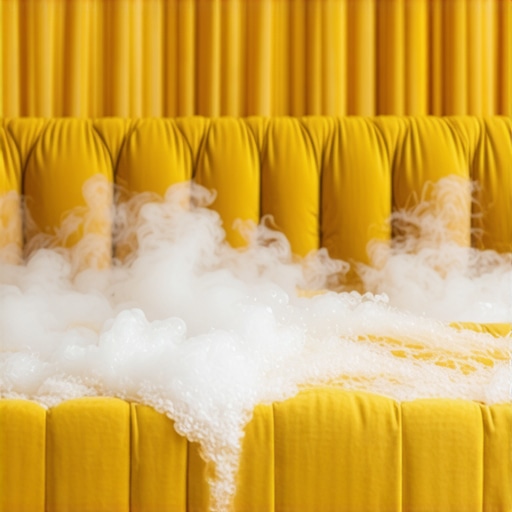
Have you ever leaned back on your cherished silk sofa, only to notice a strange, dull stain or a lingering damp smell afterward? That frustrating moment when you think, “Maybe I should just steam clean it myself,” and then realize—wait, could I be making things worse? I’ve been there. One too many times, I believed that steaming was the magic bullet for an easy, quick clean. But I learned the hard way that certain fabrics, especially silk, are far too delicate for home steam cleaning.
The Lightbulb Moment: When I Learned the Hard Way
It was during a weekend move-out clean. My goal was to make the apartment sparkle, and my new shiny steam cleaner beckoned. That silk sofa, an expensive investment and a personal favorite, seemed like prime candidate for a quick steam refresh. Armed with my trusty device, I started cautiously—until I saw the patches of discoloration forming right before my eyes. The sheen dulled, and the fabric started to look worn out. That’s when I realized the risk of DIY steam cleaning on fragile upholstery. According to upholstery care experts, using high-temperature steam on silk can cause irreversible damage, including shrinking, seam weakening, and discoloration.
If you’re considering tackling your sofa’s dirt with a home steamer, you’re not alone. Many homeowners believe that steam cleaning is safe and effective, but in reality, it can jeopardize the fabric’s integrity—especially with delicate fabrics like silk or velvet. Today, I promise to share the pitfalls I’ve stumbled upon firsthand and offer proven strategies to keep your silk sofa looking pristine without risking harm.
Is Steam Cleaning Truly Worth the Hype?
Early in my cleaning adventures, I made the mistake of thinking that more heat meant cleaner results. I assumed that steam was the ultimate sanitizing tool—until I discovered that certain fabrics just aren’t built to withstand such treatment. In fact, a study highlights that excess moisture and high temperatures can cause fabric fibers to fray and degrade over time. To avoid turning your beautiful silk into a shabby imitation, it’s best to understand what’s safe and what’s not.
If you’re curious about whether steam alone can effectively sanitize your home without damaging your upholstery, I recommend checking out this detailed guide. It’s packed with insights and expert advice that might save you from costly mistakes, just like I made.
Now that I’ve shared my story, let’s dive into the practical steps you can take to clean your silk sofa safely and keep it looking luxurious for years to come. Ready to transform your cleaning routine?
**
Choose Gentle Cleaning Products
Start with mild cleaning solutions suited for silk, such as specialized silk upholstery cleaners or a mixture of distilled water and a few drops of baby shampoo. I remember applying a DIY solution I found online—a mix of water and vinegar—and witnessing unexpected dull patches on my sofa. Always test on a hidden area first to prevent damage.
Test First to Avoid Disasters
Before immersing the entire sofa, dab a small amount of your chosen cleaner on an inconspicuous spot. During my last attempt, I used a soft cloth to do this; when I saw no discoloration after 10 minutes, I proceeded, but I remained cautious to avoid over-soaking.
Use Proper Tools and Techniques
Employ a soft microfiber cloth or sponge. Avoid harsh brushes or abrasive materials that can scratch or fray fibers. When cleaning, gently blot rather than rub the surface, just like patting down a delicate fabric, to lift dirt without stressing the silk threads.
Work in Small, Controlled Sections
Divide the sofa into manageable sections. During my effort, I learned that tackling each segment systematically prevents over-saturation and uneven cleaning. Apply cleaner lightly, avoiding excess moisture, as too much water can cause the silk to shrink or stretch.
Limit Moisture and Heat
Steaming is risky on silk; instead, opt for light dampening and air drying. Once I cleaned a swatch, I let it air dry completely—avoiding direct sunlight, which could cause fading. Use fans to accelerate drying, but keep humidity levels low, preventing mold or mildew growth.
Handle Stains with Specific Techniques
For stubborn spots like coffee or ink, gently dab with a cloth soaked in the mild solution. Never scrub aggressively—this can distort or weaken the fibers. I once tried to remove a red wine stain by rubbing, but it set the stain deeper; instead, I pressed lightly with a clean cloth to absorb it.
Seek Professional Help When Necessary
If your sofa bears significant stains or if you’re unsure about cleaning, hiring a professional upholstery cleaner experienced with silk can salvage your investment. I opted for a professional service when my sofa developed a stubborn yellowish hue, and the results restored its pristine look without risking damage.
Regular Maintenance Prevents Major Cleaning
Vacuum your sofa weekly with a gentle brush attachment to remove dust and loose particles, which can wear fibers over time. Quick maintenance like this keeps dirt from settling deep and reduces the need for extensive cleaning sessions that might jeopardize delicate fabrics.
Additional Tips for Long-Term Beauty
Use silk-safe slipcovers or throws to protect your furniture from daily wear and tear. During a recent move, I covered my sofa with a light, breathable fabric, maintaining its elegance while minimizing cleaning stress. Regularly rotating cushions and avoiding direct sunlight can also prolong its luxurious appearance.
Many homeowners fall prey to misconceptions about effective cleaning, especially regarding upholstery and sanitizing. One prevalent myth is that using harsh chemicals or powerful cleaning tools guarantees disinfected surfaces. In reality, overusing strong agents on delicate fabrics like silk or velvet can weaken fibers and cause discoloration, reducing your furniture’s lifespan. According to upholstery experts, gentle, fabric-specific cleaners are more effective and safer, aligning with best practices outlined in [professional upholstery cleaning tips](https://spotlesscarpetz.com/upholstery-cleaning-tips-for-a-fresh-home-revival).Another widespread error is believing that high-temperature steam or intense scrubbing will eradicate all germs. However, studies suggest that certain bacteria and viruses require specific disinfectants; steam alone may not suffice, especially on porous surfaces. For advanced sanitizing, consulting [expert-approved hacks](https://spotlesscarpetz.com/sanitizing-hacks-for-safe-house-transitions) can help you achieve safety without damaging sensitive materials. Moreover, many think that move-out cleans are simply about surface wiping, but incomplete attention to hidden spots like behind appliances or inside vents can trip up even meticulous tenants, risking deposit forfeiture. Check out [move-out cleaning strategies](https://spotlesscarpetz.com/move-out-cleaning-strategies-to-secure-your-deposit) to avoid these pitfalls. Have you ever fallen into this trap? Let me know in the comments! When it comes to cleaning nuances, understanding what truly works versus relying on myths can save you time, money, and stress, ultimately leading to a spotless, healthy home environment.
Keeping your home clean and well-maintained over the long term requires not only diligent effort but also the right tools that make the job easier and more effective. Over the years, I’ve tested various equipment and software to streamline my cleaning routines, ensuring my upholstery, floors, and surfaces stay pristine without unnecessary stress.
Invest in High-Quality Microfiber Cloths
One of the simplest yet most effective tools I rely on is high-grade microfiber cloths. Unlike generic rag towels, premium microfiber traps dust, dirt, and bacteria more efficiently, reducing the need for chemical cleaners. I prefer the ones with tightly woven fibers and reinforced stitching, which hold up after multiple washes. Regularly replacing or deep-cleaning these cloths prevents them from becoming germ reservoirs, aligning with insights from this article on germ spread. For upholstery and delicate surfaces, microfiber paired with gentle cleaning solutions provides safe, streak-free results.
Use a Quality Upholstery Extractor
If you want to keep your furniture looking fresh without risking damage, a reliable upholstery extractor is invaluable. My personal favorite is the Professional Carpet & Upholstery Cleaner by X brand, which offers adjustable suction and heat settings. It handles deep-seated dirt and pet dander without over-wetting fabrics. Routine use prevents grime buildup that can lead to odors and fabric deterioration. Regularly inspecting and maintaining the machine, including cleaning filters and nozzles, ensures peak performance over time.
Apply Smart Sanitizing Technologies
As sanitizing trends evolve, I recommend incorporating UV-C sanitizing wands for disinfecting high-touch areas like remote controls, doorknobs, and light switches. These handheld devices emit ultraviolet light capable of neutralizing germs efficiently. I use mine weekly, especially during flu seasons, to augment traditional cleaning efforts. For a more automated approach, consider smart disinfectant sprays that can be scheduled via smartphone apps. Research by this source indicates that combining manual cleaning with technology enhances long-term hygiene.
Plan for Future Scaling and Maintenance
Looking ahead, equipment like robotic vacuum cleaners are gaining popularity for maintaining clean floors with minimal effort. Automated systems, integrated with smart home networks, can be programmed to operate during your off-hours, ensuring your home remains consistently tidy. Additionally, software solutions that track cleaning schedules and supply inventories help prevent lapses that can lead to grime buildup or missed maintenance. I foresee an increasing shift toward AI-powered tools that adapt to your specific home environment, making deep cleaning more intuitive and less intrusive.
How do I maintain my tools over time?
Proper maintenance is crucial for longevity and effectiveness. Always follow manufacturer instructions: clean filters regularly, replace worn pads, and store equipment in dry, organized spaces. For digital tools, software updates optimize performance and security. Periodic professional inspections or calibration can also prevent unexpected breakdowns, ensuring your investment continues paying off. Remember, a well-maintained tool functions better, saves time, and prolongs its lifespan.
Start by trying out a microfiber cloth with a gentle cleaner on your next furniture refresh. Combining this with an advanced upholstery extractor can dramatically cut down cleaning time while enhancing results. It’s these small, strategic upgrades that make daily maintenance effortless and keep your home beautiful in the long run.
Street Smarts from Mistakes I Can’t Undo
One of the most eye-opening lessons I learned is that quick fixes often come at a steep cost. Rushing to steam clean my delicate silk sofa led to discoloration and a dull finish that took months to recover from. That experience taught me the importance of patience and understanding fabric-specific needs. It also reinforced that sometimes, the best approach is to trust the experts—professional upholstery cleaners have the right tools and knowledge to treat fragile fabrics gently. I now see that investing in proper techniques and avoiding common myths can save you time, money, and your furniture’s lifespan.
Tools and Reads That Changed My Approach to House Cleaning
- Microfiber Mastery: My switch to high-quality microfiber cloths revolutionized my cleaning routine. They’re gentle on silk upholstery, trap more dust, and dry faster—making cleaning more effective and eco-friendly. Find out why professionals prefer microfiber at this article.
- Deep Clean with Confidence: A reliable upholstery extractor has become my go-to for maintaining furniture health. It reaches deep into fibers without over-wetting, preventing damage. I trust brands that offer adjustable settings for delicate fabrics and prioritize routine maintenance for longevity.
- Smart Sanitizing Options: UV-C sanitizers and app-controlled disinfectant sprays have added an extra layer of cleanliness, especially during flu season. Integrating these tools makes my home safer and reduces reliance on harsh chemicals.
- Reading Material: Books like Effective House Cleaning Secrets from Cleaning Experts have broadened my understanding of what truly works, steering me away from myths and toward science-backed practices.
Ignite Your Detergent and Disinfection Passion
If you’re eager to protect your silk sofa and cherish your home’s freshness, don’t wait for the next spill or stain to start cleaning smarter. Experiment with gentle solutions and the right tools, like microfiber cloths and professional-grade extractors, which I swear by. For sanitizing routines during seasonal waves of illness, incorporating UV-C devices or strategic disinfectant sprays can boost hygiene without risking fabric damage. Remember, consistent, informed effort yields the best results—your sofa and your home deserve it. Now’s the perfect time to embrace smarter cleaning habits and elevate your space’s beauty and health. What’s the one cleaning tip you’re excited to try next? Share below—I love hearing your plans for a fresher, safer home.