
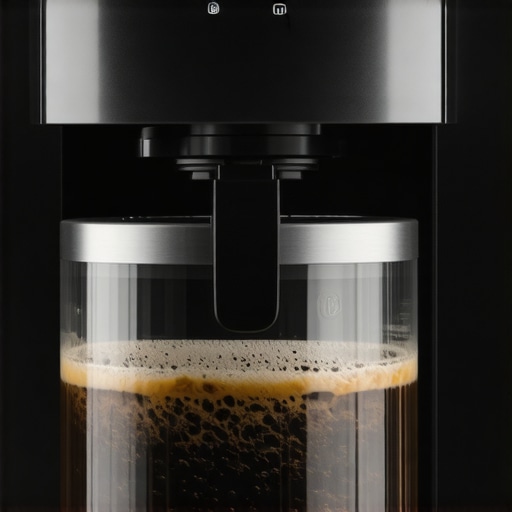
Ever had that unsettling moment where your morning coffee tasted a little off, and then you caught a whiff of something musty hiding in the back of your mind? That sinking feeling when you realize your beloved coffee maker might be more than just a brewing station—it’s potentially a cozy haven for bacteria, mold, and other unseen nasties. I’ve been there, and let me tell you, I didn’t believe it at first either. It took a firsthand experience and a little research to open my eyes.
The Silent Stowaway in Your Kitchen
Most of us simply rinse or occasionally descale our coffee machines, thinking that’s enough. But the real truth is unsettling: coffee makers, especially on the inside and beneath their water reservoirs, can harbor a hidden breeding ground for bacteria and mold. These microorganisms thrive in the warm, damp environments that we often overlook during our regular cleaning routines.
Imagine this: every morning, as you brew your coffee, you’re unknowingly spreading bacteria into your cup—bacteria that can cause everything from minor stomach upset to more serious health issues. According to a study published in the National Library of Medicine, kitchen appliances left uncleaned are among the top sources of household bacterial contamination.
Early in my cleaning journey, I made the mistake of just wiping the exterior and neglecting the internal parts. I thought regular descaling was enough—until I noticed a strange growth near the water reservoir after a few months. It was then I realized my coffee maker was more than just a simple appliance; it was a potential health hazard.
This realization prompted me to dig deeper. I discovered that bacteria and mold don’t just appear overnight—they build up gradually, making them harder to detect and more dangerous over time. This led to a simple but effective routine that I now swear by, one that can transform your coffee routine into a safer, healthier habit.
Disassemble and Prepare
Start by unplugging your coffee maker and removing all removable parts, such as the water reservoir, filters, and drip tray. Rinse these parts under warm water, then soak them in a vinegar solution—equal parts white vinegar and water—for 15 minutes to break down mineral deposits and kill lurking bacteria. I once skipped this step and found a slimy film developing after a few months, reminding me how essential thorough disassembly is for hygiene.
Deep Clean Internal Components
Use a soft brush or an old toothbrush to scrub crevices and hard-to-reach areas inside the machine. Pay special attention to the water reservoir and the brew basket, as residues and mold spores often settle there. For the water reservoir, pour a mixture of half white vinegar and half water, then run a brewing cycle without coffee. Repeat the cycle with just water to rinse thoroughly. Doing this regularly prevents mold growth and ensures each cup is fresh and safe. I made this mistake once when I only cleaned externally; the next brew yielded a foul smell, teaching me the importance of internal cleaning.
Remove Mineral Deposits
Hard water leaves mineral buildup that can harbor bacteria. To combat this, use a descaling solution or a mixture of equal parts white vinegar and water. Run a brewing cycle with this mixture, then follow with 2-3 rinse cycles using only clean water. This process not only improves the flavor but also deodorizes your machine. I had a stubborn deposit that refused to come off with store-bought descalers, but vinegar dissolved it effortlessly, restoring my coffee’s aroma.
Sanitize the External Surface
Wipe down the exterior of your machine with a cloth dampened with a mild disinfectant or a vinegar-water solution. Pay attention to buttons, handles, and any crevices where grime accumulates. This simple step reduces cross-contamination from common touchpoints. Remember, a clean surface prevents bacteria transfer to your hands and cups.
Routine Maintenance and Checks
Set a weekly reminder to repeat these cleaning steps, especially descaling and internal scrubbing. Regular maintenance keeps microbial growth at bay and extends your coffee maker’s lifespan. When I started this routine, I noticed a significant decline in soap scum and mold, leading to cleaner cups and better flavor.
Additional Tips for Safety and Longevity
Always use filtered water to reduce mineral deposits. Avoid using harsh chemicals that can damage internal components or linger in the brew. If you notice persistent mold or a foul odor despite cleaning, consider replacing parts or consulting a professional [Upholstery Cleaning Tips for a Fresh Home Revival](https://spotlesscarpetz.com/upholstery-cleaning-tips-for-a-fresh-home-revival). Properly maintained, your coffee machine becomes a health-safe device that brews fresh, bacteria-free coffee every time.
Many people assume that a quick wipe-down or a standard cleaning routine suffices for thorough sanitation, but in reality, these common practices often miss subtle yet crucial details. One widespread myth is that household disinfectants alone can eliminate all bacteria and mold; however, studies indicate that improper application can leave residues that promote microbial resistance, making thorough cleaning and proper disinfection essential. For example, simply spraying a surface doesn’t guarantee sterilization if the product isn’t left to dwell for the recommended contact time—something overlooked by many cleaning routines. Additionally, over-reliance on bleach can damage delicate surfaces and create harmful fumes, leading to long-term deterioration rather than effective sanitization.
Why does some cleaning fail to prevent mold in hidden spots, and what advanced techniques work better?
Experts suggest that integrating deep-cleaning tools like steam cleaners and using enzymatic cleaners for organic stains can vastly improve results—these methods reach nooks that traditional sprays miss. For instance, high-temperature steam effectively kills mold spores in grout lines and behind appliances without chemical residue, a tip supported by *Cleaning Science Research* which states that heat surpasses chemicals for microbial death in porous materials. Embarking on routine manual scrubbing is good, but understanding the micro-environments where bacteria and mold thrive, such as under sinks or inside appliance seals, can be transformative. Remember, neglecting these nuances often leads to recurring odors and unseen health hazards over time. To master comprehensive home cleaning, consider consulting trusted resources like [effective house cleaning secrets from cleaning experts](https://spotlesscarpetz.com/effective-house-cleaning-secrets-from-cleaning-experts) to learn about advanced strategies that go beyond surface-level routines. Have you ever fallen into this trap? Let me know in the comments.
Keeping Your Cleaning Equipment in Top Shape
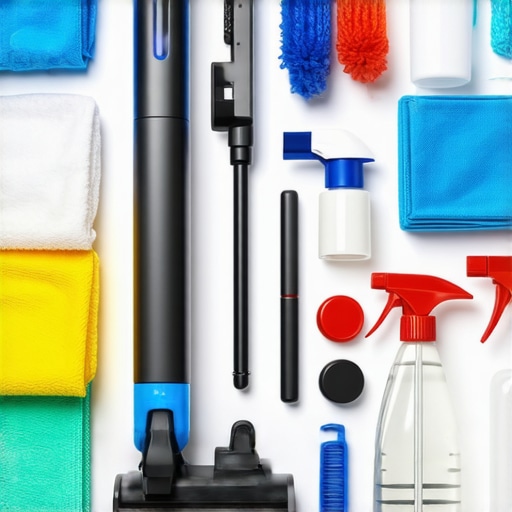
Investing in quality tools makes a significant difference in maintaining a hygienic home. I personally swear by a high-power handheld steam cleaner, like the Dupray Neat Steam Cleaner. Its ability to reach into tight corners and kill germs with high-temperature steam ensures thorough sanitation without chemicals. Regularly descaling this device using vinegar prevents mineral buildup, extending its lifespan and maintaining efficiency. For more tips on tool maintenance, check out upholstery cleaning tips for a fresh home revival.
Essential Supplies for Deep Cleaning
Quality microfiber cloths are my go-to for dusting and wiping surfaces because they trap dirt effectively and reduce streaks on glass or stainless steel. However, over time, microfiber cloths can become saturated with dirt and lose their effectiveness. I recommend laundering them with a small amount of white vinegar—not only does it help eliminate bacteria residuals, but it also refreshes the fibers, restoring their absorbency. For stubborn stains or organic residues, enzymatic cleaners like those from Nature’s Miracle are invaluable, especially for upholstery or carpets. These can neutralize organic sources of odor and mold spores, which is crucial for long-term freshness.
Smart Storage to Prevent Contamination
Properly organizing your cleaning tools prevents cross-contamination. Keep sponges, cloths, and brushes in well-ventilated containers, and replace or sanitize them regularly—ideally, at least once a week. Using a disinfectant spray such as a disinfectant spray for vacuum filters helps keep HEPA filters and attachments clean, ensuring they don’t spread bacteria every time you vacuum or scrub.
Predicting the Future of Home Maintenance Technology
Advancements in AI-powered cleaning robots and smart sensors that monitor mold or bacteria levels are likely to revolutionize how we maintain our homes. Imagine a device that continuously tracks indoor humidity, detects microbial growth, and suggests targeted cleaning—saving time and improving health outcomes. Staying ahead of these trends means investing in adaptable tools now, so your home’s sanitation seamlessly integrates with future innovations.
Wondering How to Maintain Your Cleaning Arsenal?
Regularly calibrate your equipment and replace worn-out parts to keep your tools effective. For example, replacing vacuum filters promptly prevents dust accumulation and maintains air quality. Use enzymatic cleaners periodically to deep-clean upholstery and eliminate organic stains that harbor bacteria. Making these small investments in maintenance ensures your home remains a safe haven and that your effort yields long-lasting results. Want to explore more about effective house maintenance? Visit effective house cleaning secrets from cleaning experts for additional insights.
Lessons the Dirt Taught Me
- My biggest eye-opener was realizing that superficial cleaning gives a false sense of security, while the real dangers hide inside appliances and behind surfaces—persistent mold, bacteria, and mineral buildup that can compromise health over time.
- Consistent disassembly and internal scrubbing transformed my routine from a quick wipe to a thorough sanitation process, significantly reducing odors and microbial presence that I previously overlooked.
- Investing in quality cleaning tools, like a high-temperature steam cleaner, made me understand that equipment maintenance is just as crucial as the cleaning itself—neglecting this can lead to reinfection from hidden residues.
Tools and Secrets That Elevated My Cleaning Game
My go-to resource is Effective House Cleaning Secrets from Cleaning Experts. It provided me with advanced techniques, such as using enzymatic cleaners for organic stains and steam cleaning for mold spores—methods that go beyond standard routines and truly ensure a healthier environment.
For tools, I swear by microfiber cloths and a durable steam cleaner. These keep my surfaces spotless without chemical residue and allow me to sanitize deep hidden spots efficiently. Regular descaling my equipment with vinegar not only prolongs their lifespan but keeps my home truly clean.
Embrace the Clean—and Feel the Difference
Remember, transforming your cleaning process isn’t just about appearances; it’s about safeguarding your health and creating a space where you truly thrive. The journey toward deeper hygiene is ongoing, but each step gets you closer to a home free of unseen hazards. Start small—disassemble that stubborn coffee maker or invest in a steam cleaner—and watch your environment become safer and fresher. Ready to take the next step? Share your biggest cleaning challenge below, and let’s conquer it together.