
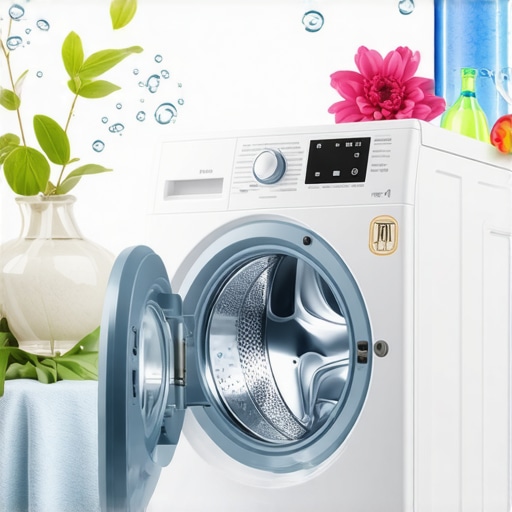
I remember the moment vividly—my laundry room filled with an overwhelming dampness, and that unmistakable musty odor crept from my front-load washer every time I opened the door. It was embarrassing. Guests would comment, and I couldn’t shake the feeling that my spotless home was overshadowed by this persistent, stale smell. After trying countless remedies, I realized I wasn’t alone. Many homeowners face this issue, and surprisingly, it’s more common than you’d think. Want to eliminate that damp, moldy scent once and for all? Today, I’ll share the proven strategies I’ve tested—things that actually work and won’t damage your machine.
Why This Smell Is a Signal You’re Doing Something Wrong
Have you ever wondered why your front-load washer develops that musty odor? It’s not just an innocent smell; it’s a warning sign that bacteria, mold, and mildew are taking hold. According to the Environmental Protection Agency, bacteria can grow rapidly in humid environments, especially in washing machines that aren’t properly maintained. Leaving wet clothes inside, or neglecting routine cleaning, creates the perfect breeding ground for these unwanted guests.
Imagine walking into your laundry room and smelling that damp, dirty aroma every time you open your machine. It’s uncomfortable, even embarrassing. I experienced the same frustration—trying to scrub surfaces, using perfumed detergents, but nothing seemed effective. The truth is, the root cause lies inside your washer, in places you might never think to clean. The rubber gasket, detergent drawer, and drum can harbor grime if not attended to regularly.
Early on, I made a mistake by just running empty cycles with vinegar and hoping the smell would go away. While that had some temporary effect, the odor returned quickly. The key is understanding what’s really happening inside your washer and taking targeted steps to address it. To start, it’s essential to know how to properly clean and maintain your machine, preventing that unpleasant scent from building up again.
Curious to discover effective, real-world solutions? Let’s dive into the simple yet powerful tactics that transformed my laundry routine and kept my washer smelling fresh. For more tips on cleaning around the house, check out our trusted effective house cleaning secrets from experts.
Tackle the Rubber Gasket Directly
Start by carefully pulling back the rubber gasket around your washer door. Use a damp cloth dipped in a mixture of hot water and a cup of baking soda to scrub away mold and grime. During my own attempt, I wrapped a cloth around my finger for better reach, which instantly loosened caked-on residue. Remember, grime hides deep in folds, so don’t skip the edges.
Clean the Detergent Drawer Thoroughly
Remove the detergent drawer by sliding or unscrewing according to your model. Soak it in hot water mixed with a few tablespoons of vinegar for 15 minutes. Scrub off deposits with an old toothbrush. When I did this on a Saturday, I discovered powder build-up I never knew existed, which was the root of persistent odors. Replace it carefully afterward.
Run a Hot Cycles with Sanitizing Agents
Use a commercial washer cleaner or a blend of bleach (check your manufacturer’s recommendations) and hot water. Run the machine on the hottest setting with no clothes inside. I did this when I noticed the smell lingering despite cleaning, and the fresh scent was immediate. Regularly doing this every month prevents mold from taking hold.
Create a Routine to Maintain Freshness
After each laundry cycle, leave the door ajar to allow air circulation—think of it as letting your machine breathe. Also, wipe the gasket edges weekly. I set a reminder on my phone, and it became second nature. This habit significantly reduced that damp odor.
Addressing Lingering Odors Inside
If the smell persists, sprinkle baking soda directly inside the drum and leave the washer door open overnight. In my case, this step restored freshness within a day. For advanced cases, adding a cup of white vinegar during the rinse cycle can help break down mildew build-up.
Prevent Future Build-Up
Always remove wet clothes promptly and avoid leaving laundry in the machine for extended periods. Additionally, wiping down the gasket monthly and running a sanitizing cycle can prevent mold on a regular basis. For more detailed house cleaning strategies, visit our effective house cleaning secrets from experts.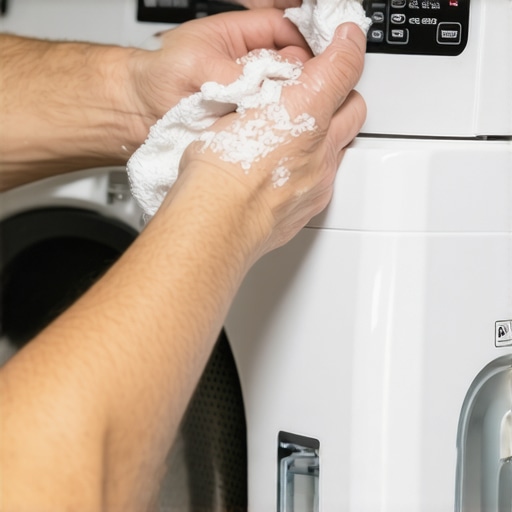
Implementing these targeted steps transformed my laundry routine, keeping my washer fresh and odor-free for good. Consistency is key—doing these small acts regularly makes a significant difference. Remember, a clean washing machine isn’t just about smell; it’s about hygiene and extending your appliance’s lifespan.
Many homeowners believe that a quick wipe or a superficial clean is enough to achieve true sanitization or deep cleanliness. However, this common misconception overlooks critical nuances that can compromise your efforts. For instance, countless people assume that using disinfectants alone guarantees a germ-free environment, but studies show that proper contact time and technique are essential for effective sterilization (source: Centers for Disease Control and Prevention). Applying disinfectants haphazardly or without adequate dwell time can render your cleaning ineffective, leaving behind bacteria and viruses.
Another widespread myth is that all upholstery cleaning methods yield the same results. Many think that renting a steam cleaner or using store-bought sprays suffice. In reality, professional-grade equipment and techniques are often necessary to penetrate deep into fibers and remove embedded dirt, allergens, and microbes. Visiting our upholstery cleaning tips page can shed light on the subtleties that make a significant difference.
When it comes to move-out cleaning, there’s a tendency to focus only on visible messes, neglecting hidden spots that could jeopardize your security deposit. Areas like behind appliances, under cabinets, or in air vents can harbor grime and restorative odors if not addressed thoroughly. Check out our move-out cleaning strategies guide to avoid these common pitfalls.
So, what’s the real mistake many overlook? It’s the assumption that surface cleaning equals sanitization or thoroughness. This misconception can lead to ineffective cleaning routines that influence health, home hygiene, and even financial outcomes. Incorporating nuanced understanding and targeted techniques elevates your cleaning game, ensuring safer, healthier living spaces.
Ever fallen into this trap, thinking you’re fully clean when you’re not? Let me know in the comments!:
Are you aware of the right contact times for disinfectants, or are you still rinsing away too quickly? Making these small adjustments can dramatically improve your results and protect your family’s health. For comprehensive insights into proper methods, consider exploring our expert house cleaning secrets.Keeping your home spotless requires more than just occasional scrubbing; it involves investing in the right tools and establishing routines that ensure durability and effectiveness. Personally, I rely on high-quality microfiber cloths, such as those made from 100% polyester microfiber, because they trap dust and microbes more efficiently than traditional cotton rags. Their superior electrostatic properties make them invaluable for dusting surfaces like baseboards and ceiling fans, and they can be washed and reused hundreds of times, offering both economy and eco-friendliness. When it comes to upholstery, I recommend using steam cleaners with adjustable heat settings, specifically models that feature variable steam control—this prevents damage to delicate fabrics while providing deep sanitation. For example, the Bissell SteamShot is compact yet capable, allowing targeted cleaning of tough spots without over-saturating fabrics. Regularly maintaining your appliances, such as running monthly sanitizing cycles with specialized agents, extends their lifespan and prevents odors from developing. I also use digital tools like scheduling apps or dedicated cleaning timers to turn routine chores into habits, ensuring consistency over months and years. As innovation progresses, so does the landscape of cleaning technology. Trends suggest a rise in IoT-enabled devices, allowing you to monitor and control your cleaning routines remotely—for instance, smart vacuums that map your home and optimize coverage. Investing in such tech not only saves time but also guarantees a more thorough result. How do I maintain these tools over time? For microfiber cloths, pre-soaking in vinegar and water solutions before washing prevents buildup and maintains their electrostatic capabilities. Steam cleaners benefit from regular descaling with manufacturer-approved descalers to prevent mineral deposits, which can diminish their effectiveness. And for digital tools, updating software and charging batteries consistently ensures longevity and optimal performance. To truly master long-term cleanliness, I advise incorporating routine maintenance checks into your calendar—like inspecting seals, replacing worn brushes, or verifying app updates. Remember, the tools you choose are investments; treating them well yields better results and extends their usefulness. For a comprehensive guide on maintaining your cleaning arsenal, visit our [effective house cleaning secrets from experts](https://spotlesscarpetz.com/effective-house-cleaning-secrets-from-cleaning-experts). Have you tried using microfiber cloths for dusting yet? Give it a shot with a 3-pack of high-quality microfiber cloths, pre-soaked in a vinegar solution, and notice the difference in your home’s cleanliness. Proper maintenance and smart tool choices are key to achieving a pristine environment with less effort over time.
Lessons Only Clean-Freaks Have Learned About Sanitizing and Deep Cleaning
Over time, I realized that quick surface wipes don’t cut it; true cleanliness demands attention to hidden spots and proper technique. One lightbulb moment was understanding that disinfectants require proper contact time—without sitting undisturbed for at least a few minutes, bacteria and viruses can survive. Additionally, I discovered that routinely replacing worn-out microfiber cloths and descaling steam cleaners make a massive difference in maintaining effectiveness. Finally, the importance of targeted cleaning—focusing on overlooked areas like behind appliances or inside vent covers—transformed my approach and kept my home visibly and hygienically cleaner.
My Top Picks for Maintaining a Germ-Free, Odorless Space
For effective tools, I rely on microfiber cloths from trusted experts—they trap dust and microbes better than traditional rags. A steam cleaner like the Bissell SteamShot provides deep sanitation without chemical residues. When it’s time to disinfect, I prefer sanitizing agents with documented dwell times, which you can learn about on this resource. Lastly, scheduling apps help me stick to routine maintenance, ensuring my appliances and cleaning tools stay in top shape for years to come.
Your Cleaning Journey Starts Now—Don’t Wait for Odors or Dirt to Take Over
Every home benefits from small, consistent efforts toward cleanliness and sanitation. Embrace targeted cleaning routines, invest in quality tools, and treat your home like the hygienic sanctuary it should be. Remember, a truly fresh home isn’t just about appearances; it’s about health, comfort, and peace of mind. Start today, and watch your space transform into a healthier environment for you and your loved ones. What’s the first thing you’ll tackle to make your home smell and feel fresher? Let me know below!