
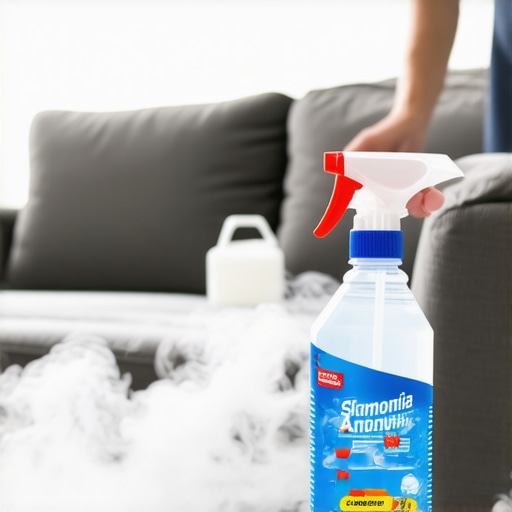
I remember the exact moment I learned the hard way about the dangers of using ammonia on upholstery. I was desperately trying to remove a stubborn wine spill from my sofa, and in my panic, I grabbed what I thought was a quick fix—ammonia. The result? Faded fabric, a lingering chemical smell, and a headache that lasted for hours. That lightbulb moment made me realize I’d been unknowingly damaging my beloved furniture all along.
Why Ammonia Seems Like a Quick Solution But Is Stealing More Than It Gives
Many of us are tempted by the promise of rapid results. Ammonia is often perceived as a powerful cleaner—available, inexpensive, and seemingly effective at removing stains. But the reality is quite different. Ammonia is a harsh chemical that can weaken fabric fibers,strip dyes, and cause discoloration over time. Plus, when used improperly, it releases toxic fumes that can irritate your eyes, skin, and respiratory system. It’s a classic case of a quick fix turning into a bigger problem—something I mistakenly learned the hard way early in my cleaning journey.
Is It Really Worth the Risk?
For those who have faced similar dilemmas, you might wonder if avoiding ammonia is just a cautious neighbor’s advice or a well-founded fact. The truth is, using ammonia on upholstery isn’t just a matter of aesthetics; it’s about safeguarding your health and preserving your furniture’s integrity. I used to believe that stronger cleaning agents were always better, but research shows that many household chemicals, including ammonia, can do more harm than good when misapplied (source: EPA).
If you’re tired of seeing your furniture stained, faded, or smelling off, don’t worry—you’re not alone. Before you reach for that ammonia bottle, let’s explore some safer and more effective solutions that can restore your upholstery without risking damage or health hazards. There’s a better way, and I’m here to guide you through it.
Have you ever experienced a stain removal attempt that made things worse? If so, stay tuned—what comes next could save your furniture (and your lungs!). To get started, check out some expert-backed tips on upholstery cleaning here.
Start with a Clear Plan Before You Dive In
Recall a messy weekend when I decided to tackle a stained sofa. I first removed all cushions and vacuumed the surface thoroughly to eliminate loose dust and debris, much like preparing a workbench before building. This initial step ensures you work on a clean canvas, reducing the risk of rubbing dirt deeper into fibers. For detailed tips, visit upholstery cleaning tips.
Choose the Right Cleaning Solution for Your Fabric
Skip Harmful Chemicals
Instead of grabbing ammonia, opt for a gentle, fabric-safe cleaner. Mix a few drops of mild dish soap with warm water or use a commercial upholstery cleaner designed for delicate fabrics. Test it on a hidden area first to check for colorfastness. During my last project, I used a homemade solution of equal parts white vinegar and water, which effectively removed stains without risking fabric damage or releasing toxic fumes. Learn more about safe cleaning methods at expert cleaning secrets.
Apply with Precision
Use a spray bottle or a clean cloth to evenly dampen the fabric—never soak it, as excess moisture can lead to mold. Begin from the top and work downward, ensuring even coverage. To avoid overwetting, dab gently with a microfiber cloth, which absorbs excess solution and prevents fiber swelling. Remember, patience is key: rushing can cause uneven cleaning and residual water spots.
Tackle Stubborn Stains with Micro Techniques
For tough spots like coffee or wine, I recommend the salt trick: sprinkle a generous layer of salt immediately after the spill to absorb the liquid, then blot after a few minutes. For red wine stains, a mixture of equal parts cold water and a splash of dish soap applied promptly can lift the color. During my own experience, I found that never scrubbing aggressively preserved the fabric’s integrity and avoided pilling or thinning.
Dry and Refresh Your Upholstery Properly
After cleaning, it’s crucial to dry the fabric thoroughly to prevent mold or lingering odors. Use fans or open windows for airflow, and avoid direct sunlight, which can fade colors. I once air-dried a velvet sofa outdoors; while it looked fresh and vibrant, I learned to schedule cleaning on a warm, sunny day to expedite the process. For additional tips on maintaining a fresh home, see upholstery and home refresh tips.
Reassemble and Protect Your Furniture
Once dry, replace cushions and consider applying a fabric protector spray to repel future stains. This shield acts like a barrier, making subsequent cleanings easier and prolonging the life of your upholstery. Remember, regularMaintenance is essential—vacuum weekly and address spills immediately to keep your furniture looking its best for years to come.
Many homeowners operate under misconceptions about effective cleaning practices, often believing that what seems obvious is actually optimal. For instance, a common myth is that harsher chemicals always guarantee better results; however, this oversimplifies the complexity of cleaning nuances. Using aggressive disinfectants without proper knowledge can damage surfaces or cause health issues, especially if used improperly. Always consider the material and the bacteria you aim to eliminate, as some disinfectants are ineffective on porous surfaces like upholstery unless used correctly.
Are You Applying Sanitizers the Wrong Way to Maximize Safety?
Studies show that applying disinfectants too sparingly or not allowing sufficient contact time significantly reduces their effectiveness, potentially leaving harmful bacteria intact. For example, many people spray and wipe instantly, believing they are disinfecting, but in reality, they’re spreading germs. An expert from the CDC emphasizes the importance of following product instructions meticulously, including adequate contact time, to ensure proper sanitation. Additionally, neglecting to clean dust traps and overlooked hidden spots can lead to recontamination. Regularly inspecting areas like behind appliances or inside vents helps maintain a truly sanitized environment. Overlooking these details is a common mistake that undermines your overall hygiene efforts. Moreover, rushing move-out cleaning often leads to incomplete tasks, which can jeopardize your security deposit. A thorough checklist—including cleaning high-touch surfaces, detailed kitchen and bathroom cleaning, and upholstery deep-cleaning—ensures nothing is left behind. Remember, superficial cleaning gives a false sense of cleanliness; true sanitation requires depth and attention to the nuances of each material and space. To enhance your cleaning effectiveness and avoid these traps, consider consulting detailed guides or professionals for challenging areas. If you’re unsure about specific cleaning procedures or want tailored advice, reach out via our contact page. Remember, mastering the hidden nuances of cleaning can save you time, money, and health in the long run. Have you ever fallen into this trap? Let me know in the comments.
Keeping your home pristine over the long term requires the right equipment and smart techniques. As someone who’s tested many cleaning tools firsthand, I can confidently say that investing in quality equipment makes a significant difference in both efficiency and results. A great example is the microfiber cleaning cloth, which I prefer over traditional paper towels because it picks up more dust and dirt without leaving streaks, making it ideal for everything from furniture to delicate surfaces. To maximize its lifespan and effectiveness, wash microfiber cloths in warm water and avoid fabric softeners, which can reduce their absorbency. For deep cleaning carpets and upholstery, I recommend a high-quality steam cleaner that uses vapor to sanitize without harsh chemicals. I personally use the Bissell PowerFresh Steam Mop, which is lightweight, heats quickly, and handles various surfaces. It’s excellent for quick refreshes in high-traffic areas and can tackle stubborn stains if used with the right attachments.
How do I maintain my cleaning tools over time?
Regular maintenance of your cleaning equipment ensures they perform optimally and last longer. For vacuum cleaners, empty the dustbin after each use and replace filters every few months to prevent loss of suction and minimize dust recirculation. I also suggest checking the brush rolls for hair or threads that can clog the mechanism. For steam cleaners, descale them periodically with vinegar solutions to prevent mineral buildup, which can impair performance. Additionally, inspect hoses and attachments for any damage or blockage, replacing parts as needed to maintain efficacy. Using these routine checks can save you money and prevent frustrating breakdowns. The future of cleaning tools seems to be moving toward smart technology—there’s buzz around robotic vacuum cleaners that learn your home’s layout for autonomous, hands-free cleaning. Companies like iRobot are continually refining their models to include better navigation, mapping, and even mop functions, making maintenance easier and more thorough. As these technologies improve, expect more homes to adopt automated solutions for ongoing cleanliness. Contact us if you want personalized advice on selecting the best tools tailored to your home’s needs. To get the most from your equipment, I encourage you to try the tip of descaling your steam cleaner with vinegar—it’s a simple step that can restore powerful steaming performance and extend your device’s lifespan. Regularly maintaining your tools is just as crucial as using them correctly; it keeps your home spotless and your investment protected.
Less Obvious Truths I Wish I Knew from the Start
- Investing in quality microfiber cloths wasn’t just about efficiency; it saved me from streaks and fabric wear, proving that good tools are worth every penny.
- Ignoring hidden dust traps, like those behind appliances or under furniture, can negate even the best cleaning efforts—revealing the importance of addressing overlooked spots.
- Partnering with trusted sources like cleaning experts’ tips taught me that patience and understanding fabric nuances prevent costly mistakes.
- Natural solutions, such as vinegar-water mixes, often outperform chemical cleaners when dealing with upholstery stains, supporting gentle, eco-friendly cleaning habits.
- My approach to maintenance evolved—regularly inspecting and cleaning tools like steam cleaners ensured peak performance and longer lifespan, ultimately saving money.
My Go-To Resources for Upholstery Care
- Proper Equipment: The Bissell PowerFresh Steam Mop offers effective, chemical-free disinfecting; I trust it because of its versatility and ease of use.
- Knowledge Hub: Upholstery cleaning tips from seasoned professionals provide step-by-step guidance that saves time and prevents damage.
- Educational Reading: “Effective House Cleaning Secrets” from industry experts deepens understanding beyond basic routines.
- Expert Support: When in doubt, reaching out via contact page can connect you with tailored advice, boosting confidence in your cleaning approach.
Your Next Move Begins Today
Cleaning upholstery effectively isn’t about quick fixes; it’s a journey of learning, patience, and care. Embracing these lessons empowers you to maintain a healthier, more inviting home environment. Remember, small consistent steps—like choosing the right tools and seeking reliable information—can have a lasting impact. Now’s the time to take action and transform your cleaning routine into a mindful practice for safer and fresher furniture. Ready to upgrade your upholstery care? Dive into expert tips and keep your home cozy and clean!
Have you ever experienced a stain removal attempt that made things worse? Let me know below.
,