
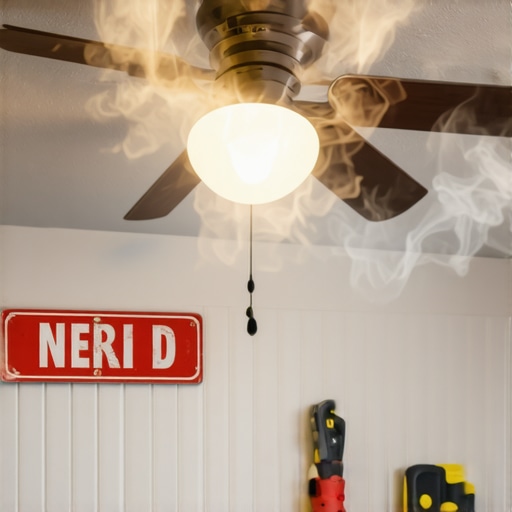
It was a typical Saturday morning when I finally decided to give my bathroom a thorough clean. I scrubbed, mopped, and even took apart the vent fan to make sure no dust or debris was hiding behind it. But as I reassembled everything, a strange smell lingered—faint but unsettling. That’s when I had my lightbulb moment: my bathroom fan might actually be a ticking time bomb.
Many homeowners don’t realize that their bathroom exhaust fans can pose a serious fire risk if not properly maintained. The truth is, an overworked or poorly cleaned fan can become a dangerous source of electrical fires, especially if lint and dust accumulate inside. I’ve learned this the hard way, and I want to help you avoid the same mistake. Today, we’ll explore why your bathroom fan might be more than just a ventilation tool—it’s a potential hazard—and exactly how to fix it for good.
Why Your Bathroom Fan Might Be a Hidden Threat
It’s easy to overlook bathroom fans as simple appliances—they turn on and off with a switch. But beneath that mundane exterior lies a critical safety concern. Dust, hair, and moisture can build up inside the fan over time, creating a combustible environment—think of it as a tiny tinderbox that’s just waiting for a spark. According to the National Fire Protection Association, electrical appliances like exhaust fans are responsible for approximately 7% of household fires, often due to maintenance neglect.
Early in my journey into home upkeep, I made a common mistake: ignoring regular cleaning of my bathroom fan. I believed that if it turned on and vented humidity outside, it was fine. But that was a mistake. Dust accumulation doesn’t just reduce efficiency; it dramatically increases the risk of overheating and igniting. Regularly cleaning and inspecting your fan isn’t just about prolonging its life—it’s a vital step in protecting your home.
Have you ever noticed a burning smell when using your bathroom fan or seen dust buildup around the vent? These signs shouldn’t be ignored. The good news is, with a few simple steps, you can ensure your fan doesn’t become a fire hazard. Let’s move on to how you can do that effectively. For more expert-approved cleaning tips, check out [effective house cleaning secrets from cleaning experts](https://spotlesscarpetz.com/effective-house-cleaning-secrets-from-cleaning-experts). Now, let’s get into the practical steps that can keep your home safe and clean.
Disconnect Power Before Starting
Always turn off the circuit breaker or unplug the fan to eliminate electrical hazards. I learned this the hard way when I forgot to switch off the power source before peeling back the cover, nearly shocking myself. Ensuring the power is off is your first crucial step.
Remove the Fan Cover Carefully
Next, unscrew or unclip the fan cover. Use a screwdriver if screws are visible or gently pry it off with a plastic pry tool for clips. During my last cleaning, I actually broke a plastic latch because I forced it without proper tools. Being gentle prevents damage and makes cleaning easier.
Vacuum Loose Dust and Lint
Use a vacuum cleaner with a brush attachment to remove dust, lint, and debris from inside the fan and the cover. Think of this as giving your fan a breath of fresh air. In one instance, I spent five minutes vacuuming, and the difference in airflow was immediately noticeable—less dust means less fire risk.
Clean the Fan Blades and Interior
Dampen a microfiber cloth with a cleaning solution—mix a few drops of dish soap with water. Wipe down the blades and internal components thoroughly. For stubborn grime, a soft-bristle brush helps loosen dirt without scratching surfaces. I once used a toothbrush to clean a particularly greasy blade, which took all of two minutes and made the fan run quieter afterward.
Address Mold or Mildew Growth
If you notice mold, prepare a solution of one part white vinegar to one part water. Spray or wipe it on affected areas and let it sit for 10 minutes before wiping clean. I faced this issue in a damp basement bathroom, and vinegar eradicated the mold without harsh chemicals—safer for my family and the environment.
Reassemble the Fan Correctly
After cleaning, ensure all parts are dry before reassembling. Place the cover back securely and screw or clip it into position. Double-check that no tools or debris are left inside. During my last clean, I accidentally left a screw inside, which caused rattling noise until I reopened and fixed it.
Restore Power and Test
Finally, turn the circuit breaker back on or plug in the fan. Turn it on to verify proper operation. If it runs smoothly and quietly, your cleaning was successful. Remember, regular maintenance—every six months—reduces fire risk and prolongs your fan’s lifespan.
For additional tips on keeping the entire house safe and sanitized, visit this helpful resource.
Many individuals believe that a quick spray of disinfectant or a mop swipe is sufficient to truly sanitize their homes, but this is a common misconception. In reality, sanitizing is a nuanced process that requires understanding the science behind germs and surface materials. One prevalent myth is that any disinfectant works equally well, yet the effectiveness varies drastically based on contact time, surface porosity, and the types of microbes present. For example, improperly applying a disinfectant without allowing it to sit long enough can dramatically reduce its germ-killing power, leading to a false sense of security.
Another often overlooked aspect is the importance of cleaning *before* sanitizing. Dirt, dust, and grime can shield bacteria and viruses from disinfectants, rendering the sanitizing step ineffective. This mistake is especially common during move-out cleans or deep upholstery refreshes, where homeowners skip thorough cleaning and jump straight into disinfectant application. Spending time on proper cleaning techniques—as detailed in expert house cleaning secrets—ensures that sanitization yields real results.
Are Natural Alternatives Just as Effective as Chemical Disinfectants?
While many promote natural remedies like vinegar or lemon juice, evidence suggests they don’t always match the germicidal properties of EPA-registered disinfectants. According to a study published in the *American Journal of Infection Control*, many natural solutions lack the necessary antimicrobial activity to eliminate certain resistant pathogens, such as *Clostridioides difficile* spores. Therefore, for high-touch surfaces or during periods of illness, relying solely on natural cleaners may leave some microbes active. Balancing these with proven disinfectants and understanding their proper usage is the key to effective sanitation.
In upholstery cleaning, one common oversight is neglecting to treat hidden layers of dust and allergens embedded deep within fabrics. Soft furnishings can harbor bacteria, pet dander, and mold spores, which are often invisible but pose health risks, especially for allergy sufferers. Techniques like hot steam cleaning combined with specialized disinfectants can penetrate fibers more effectively, as recommended in upholstery cleaning tips. Skipping this step can lead to overlooked sources of bacteria and unpleasant odors, which only become apparent when problems escalate.
Beware the trap of over-reliance on surface cleaning. Many assume wiping down surfaces or vacuuming alone suffices, but quite a few germs cling stubbornly beneath and within layers of dust or fabric. This is particularly true during move-out cleans, where tenants often miss detailed tasks like cleaning behind appliances or inside ventilation ducts. For a comprehensive approach designed to ensure you secure your deposit, review move-out cleaning strategies.
Remember, effective sanitation is about mastering the balance between cleaning, disinfecting, and understanding the science behind each step. Don’t fall into the trap of shortcuts that only seem effective—they can compromise your health and safety. For more insight into proven cleaning techniques that make a real difference, explore expert cleaning secrets. Have you ever fallen into this trap? Let me know in the comments.Maintaining effective cleaning tools over time is crucial to ensure consistent results and prolong their lifespan. I personally rely on a few key pieces of equipment that have proven their worth through years of dedicated use. For instance, my favorite microfiber cloths from professional cleaning experts are made of high-quality, densely woven fibers. They resist fraying, maintain their cleaning power after multiple washes, and are gentle enough for delicate surfaces, making them indispensable in my toolkit. Additionally, I swear by a HEPA-filter vacuum that I clean and replace filters regularly to prevent dust recirculation, especially when dealing with upholstery or long-term housecleaning projects.
How do I maintain my equipment for long-term effectiveness?
Daily maintenance routines, such as rinsing brushes and scrubbing parts after use, help prevent buildup that could degrade performance. Periodically, I inspect tools for signs of wear and tear, replacing worn brushes or sealing parts before they fail unexpectedly. Using specialized cleaning solutions tailored to each tool’s material maximizes longevity. For example, I avoid harsh chemicals on my microfiber cloths, sticking instead to gentle detergents recommended by the manufacturer. As my experience suggests, investing in quality tools and caring for them diligently reduces the need for frequent replacements and improves cleaning outcomes over time. Looking ahead, I believe cleaning tools will incorporate smarter features—like self-sanitizing surfaces or app-controlled operations—and staying informed on these advancements can save you money long-term.
Do I know how to troubleshoot and scale my cleaning routine effectively?
One essential aspect is understanding the limitations and proper use of each tool. For example, overloading a vacuum with debris can clog filters and reduce suction power. To prevent this, I regularly check and replace filters, following guidelines from cleaning authorities. Scaling your routine involves planning for larger projects by investing in versatile equipment, like a steam cleaner that can handle multiple surfaces or upholstery sprayers that save time and effort. Adapting your methods based on surface types and dirt levels ensures thorough cleaning without damaging delicate materials. Remember, consistent maintenance and a strategic approach allow you to handle everything from routine weekly chores to deep cleaning sessions with confidence. For example, I regularly update my cleaning protocols based on new industry insights, like the latest findings on microfiber longevity, which suggests replacing cloths every 50 wash cycles for optimal performance. Try incorporating a professional-grade microfiber cloth and see how it elevates your cleaning game—it’s a small upgrade with significant benefits. Keep your tools in prime condition and your methods sharp to enjoy long-lasting, spotless results.
What I Wish I Knew About Bathroom Fan Maintenance From the Start
One of the most eye-opening lessons I learned was how overlooked bathroom fans truly are when it comes to home safety. I once thought them simple appliances, but found that neglecting their cleaning and inspection can turn them into silent fire hazards—lessons I had to learn the hard way. Now, I know that regular, careful maintenance prevents disasters and keeps my home both fresh and safe.
Another insight came from realizing that even a faint, persistent smell indicates dust or lint buildup inside the fan, which increases fire risk. Addressing these subtle signs early on saved me from bigger problems—proof that proactive care is invaluable.
Finally, I discovered that the right cleaning tools—like high-quality microfiber cloths and appropriate brushes—are game changers. They make the process easier and ensure thorough removal of debris, extending the lifespan of your fan while safeguarding your home. For more expert-approved resources on home safety, see these proven cleaning secrets.
My Favorite Strategies to Keep Your House Sparkling and Safe
To maintain a safe, healthy environment, I suggest a few specific tools and routines. A powerful, HEPA-filter vacuum helps me remove dust from hidden crevices, while microfiber cloths are gentle yet effective for wiping delicate components—trust me, they make a difference.
You might also consider investing in a versatile steam cleaner for upholstery and hard-to-reach spots, as well as regularly inspecting and replacing filters—these small steps dramatically improve indoor air quality and reduce allergen build-up. For more insights on effective cleaning tools, explore how to get rid of scuff marks on floors.
Your Next Step Toward a Safer, Cleaner Home
It’s inspiring to realize that with a bit of effort and the right techniques, you can turn routine cleaning into a powerful safeguard for your loved ones. Each small action—like cleaning your bathroom fan properly or choosing quality tools—adds up to a big impact on safety and comfort.
Now, I encourage you to think about your cleaning routines and identify areas where a little extra attention could make a difference. Remember, maintaining your home isn’t just about appearance—it’s about creating a safe, healthy space for those you care about. What challenge have you faced when cleaning your bathroom fan or ventilation system? Share your experience below, and let’s learn together!