
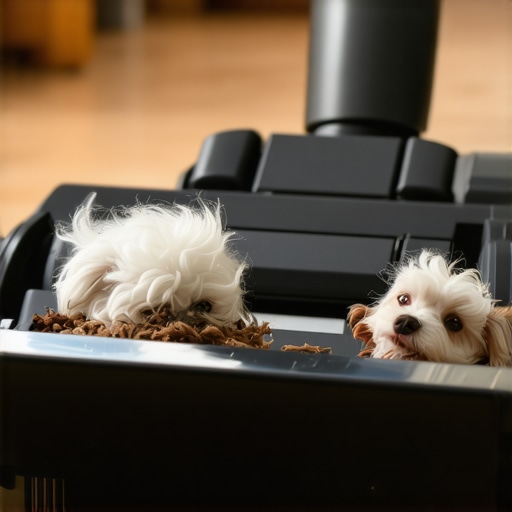
I remember the moment vividly—curling my hand around the vacuum handle after a thorough house cleaning, only to be greeted by that familiar, unwelcome odor of puppy fur and stale air. It hit me like a punch to the nose: my vacuum, which I trusted to keep my home fresh, was actually spreading a canine afterparty every time I used it. Frustrating? Absolutely. But that lightbulb moment led me down a path of discovery and real solutions.
Why Your Vacuum Might Be the Culprit Behind That Dog Odor
Many pet owners face this nagging problem—your vacuum, intended to clean, ends up emitting a smell that makes you reconsider whether you’re really accomplishing anything. The reality is, vacuums can trap pet fur, dander, and even bacteria, which over time build up into a microbial stew emitting foul odors. This isn’t just annoying; it’s a potential health concern, especially for individuals with allergies or asthma.
According to the Environmental Protection Agency, indoor air quality can be significantly impacted by household dust, pet dander, and mold—all of which can lurk inside your vacuum cleaner if not maintained properly. This accumulated gunk not only causes odors but also reduces your vacuum’s efficiency, making your cleaning routine less effective.
Have you ever noticed that despite your best efforts, your vacuum still leaves a weird smell lingering in your home? Trust me, I’ve been there. One early mistake I made was neglecting to regularly clean or replace the filters, which, over time, became breeding grounds for bacteria and mold. That oversight cost me both in smell and cleaning power. Obviously, I learned the hard way that maintenance truly is the key.
Ready to breathe easier and banish that dog smell from your vacuum—and your home? Stick around, because I’m about to share proven strategies that actually work. We’ll delve into simple, actionable steps that will transform your cleaning routine and eliminate that stubborn odor for good.
Is it Really Worth the Effort to Clean Your Vacuum?
You might feel skeptical, especially if you’ve tried cleaning your vacuum before and nothing changed. I hear you. At first, I thought, “Why bother? It’s just a vacuum.” But I learned that neglecting regular maintenance can turn it into a source of indoor pollution, affecting not just your carpet, but your health too. A well-maintained vacuum isn’t just about fresh-air smells; it’s about creating a healthier living environment for you and your loved ones.
So, if you’re tired of that dog smell invading your space after every clean, stay tuned. The solutions I’ll share are simple enough for anyone—and I promise, they’ll make a noticeable difference. Let’s get started on transforming your vacuum into a true cleaning ally, not a source of pet-related odors. And if you’re curious about enhancing your entire home’s cleanliness, don’t forget to check out [effective house cleaning secrets from cleaning experts](https://spotlesscarpetz.com/effective-house-cleaning-secrets-from-cleaning-experts) for wider tips.
Deep Clean Your Vacuum Regularly to Stop the Smell
Imagine your vacuum as a closet full of old clothes; if you never clean it out, it will start to smell. I learned this firsthand when, after a messy puppy phase, my vacuum emitted a musty odor every time I used it. To fix this, I took apart the canister and filters, washed the parts with warm, soapy water, and dried them thoroughly. This process removed trapped fur and bacteria, instantly improving the smell. Aim to do this at least once a month, especially if you have pets.
Replace Filters and Bags Promptly
Think of filters like your home’s immune system—they trap germs and dirt. When they become clogged, they breed microorganisms that cause odors. I remembered one weekend when I ignored my vacuum’s filter for too long, and it started emitting a strong smell. Once I replaced the filter, the odor vanished. Check your vacuum’s manual for recommended replacement intervals; generally, filters should be replaced every 3-6 months and bags when full. Keeping these fresh prevents microbial buildup.
Sanitize the Interior Components with Vinegar Solution
Vinegar is a natural disinfectant; think of it as a magic potion for cleaning. Mix equal parts distilled white vinegar and water, then use a spray bottle to disinfect the interior parts like the canister and brush rolls. I used this method after cleaning the filters, and it not only deodorized my vacuum but also killed bacteria lurking inside. Allow the components to air dry completely before reassembling. This simple step drastically reduces odor-causing germs.
Maintain Hose and Attachments
Often, hose and attachment crevices harbor pet fur, dust, and bacteria, which cause persistent smells. I once found a clump of hair and debris stuck deep inside my hose, which kept reintroducing odor. To clean, disconnect the hose, rinse it with warm water, and use a long brush or a pipe cleaner to scrub the interior. For attachments, soak in a vinegar-water solution, then rinse thoroughly. Regular maintenance here prevents foul smells from lingering.
Use Odor Absorbers Inside the Vacuum
To keep smells at bay between deep cleans, place odor absorbers like baking soda sachets or charcoal bags inside the canister or vacuum bag compartment. I placed a small packet of baking soda in my vacuum’s dirt bin; it absorbed lingering pet odors, especially after heavy cleaning sessions. Replace or refresh these absorbers monthly for ongoing freshness.
Upgrade to a HEPA Filter for Better Air Quality
If your vacuum lacks a good filtration system, odors and allergens can circulate back into your home. Switching to a high-efficiency particulate air (HEPA) filter traps tiny particles, preventing odors from escaping. I invested in a HEPA filter for my vacuum, which made a notable difference in air quality and eliminated the pet odors I struggled with. While it might be an upfront cost, the long-term benefits are worth it, especially for allergy sufferers.
Final Tip: Make Cleaning a Routine
Just like brushing your teeth daily keeps your breath fresh, regular maintenance of your vacuum prevents stubborn odors. Schedule a weekly check of your vacuum’s filters, canister, and hose. This proactive approach ensures that pet fur and bacteria don’t build up unnoticed, keeping your home smelling clean and fresh every day.
Many cleaning enthusiasts and homeowners operate under common myths that can undermine their efforts in maintaining a spotless, healthy home. Let’s dig deeper into some misconceptions that often trip people up, especially concerning upholstery care, move-out cleaning, and sanitizing. One widespread belief is that high-temperature water or steam alone is sufficient for sanitizing fabrics. While heat can kill many bacteria, according to the CDC, proper disinfecting also requires chemical agents or proven sanitizers, particularly on porous surfaces where bacteria can hide within fibers. Overestimating steam cleaning’s germ-killing power can lead to unintentional health risks and incomplete sanitation. A crucial nuance here is understanding that not all upholstery is suitable for high-heat treatments; delicate fabrics can be damaged if steam or hot water is used improperly, making professional guidance essential.
What’s the most effective way to sanitize different types of upholstery without damaging them?
Experts recommend combining gentle mechanical cleaning with appropriate disinfectants tailored for specific fabrics. For example, microfiber upholstery responds well to a mixture of mild soap and disinfectant, followed by thorough drying, to prevent mold and odor buildup. Moreover, many assume move-out cleaning only requires scrubbing and vacuuming, but neglecting detailed attention to hidden spots, such as behind appliances or under cabinets, can jeopardize your security deposit recovery. According to move-out cleaning strategies discussed on [our site](https://spotlesscarpetz.com/move-out-cleaning-strategies-to-secure-your-deposit), addressing these neglected areas is vital. Overlooking these little details can result in costly deductions that could have been avoided with thorough cleaning. Lastly, there’s a common misconception that all disinfectants are equally effective on every surface. In reality, using the wrong type—such as bleach on natural stone—or improper dilution can diminish effectiveness or cause damage. A study in the Journal of Hospital Infection emphasizes the importance of selecting right disinfectants and proper application techniques for maximum efficacy. Don’t fall into this trap—know your surfaces and choose cleaning agents wisely. If you’re unsure, consulting professional cleaners or detailed guides on sanitizing hacks, like those at [our site](https://spotlesscarpetz.com/sanitizing-hacks-for-safe-house-transitions), can be invaluable. Remember, effective cleaning is not just about what you do but how you do it. Have you ever fallen into this trap? Let me know in the comments.
Keep Your Cleaning Arsenal in Top Shape for Consistent Results
Ensuring your cleaning tools work optimally over time is crucial for maintaining a spotless home and extending the lifespan of your equipment. I personally rely on a few specialized tools and techniques that make regular maintenance straightforward and effective. For example, investing in a high-quality microfiber cloth set not only yields better cleaning outcomes but also reduces wear on surfaces and extends their usability. Microfiber cloths are gentle yet effective, and I always keep a few dedicated for different tasks to prevent cross-contamination.
Use a Powerful, Yet Gentle, Vacuum for Deep Cleaning and Air Quality
My go-to vacuum is a model equipped with HEPA filtration, like the Dyson V11 Torque Drive. It effectively traps allergens and pet dander, which is essential if you want to keep odors and airborne dust at bay. Regularly cleaning the filters—every 1-2 months—and replacing the filters as per the manufacturer’s recommendations, prevents microbial buildup and maintains suction power. When I notice a decline in performance or smell, I inspect the brushes and filters first. According to our trusted resource, maintaining vacuum components is a simple step with long-term health benefits.
Automate with Smart Cleaning Schedules and Software
To stay consistent, I leverage technology by scheduling cleaning routines with mobile apps. Some vacuum models sync with smart home systems and provide alerts when maintenance is due. This proactive approach ensures I don’t forget to replace filters or clean brush rolls, which keeps equipment operating efficiently and odor-free. As the trend in house cleaning advances, integrating these tools will become the norm for homeowners who prioritize hygiene and efficiency.
How do I maintain my cleaning tools over time?
Consistent maintenance is key. Regularly inspect, clean, and replace parts like filters and bags. For upholstery, using appropriate cleaning solutions and tools such as microfiber cloths and gentle vacuums prevents damage and odor issues. For example, I routinely sanitize my vacuum’s interior with a vinegar solution, which kills bacteria and keeps smells at bay. Adopting a maintenance routine—like the one detailed in our expert guide—can significantly extend the lifespan of your equipment and improve cleaning outcomes.
Looking to upgrade your tools? Consider investing in a HEPA-filter vacuum or a robotic cleaner with scheduling features. These investments pay off by saving time and ensuring a consistently clean environment. Try incorporating one advanced tip today, such as disinfecting your vacuum with a vinegar solution every month, to keep your tools functioning at their best and your home smelling fresh.
Lessons from My Cleaning Journey That Changed Everything
- One of the biggest lessons I learned was the importance of regular vacuum maintenance; neglecting filters and canisters can turn your trusty vacuum into a pet odor culprit, not just a cleaner.
- Applying natural disinfectants like vinegar, when used properly, can significantly reduce bacteria buildup inside appliances and upholstery, preventing unpleasant smells that linger despite cleaning efforts.
- I discovered that a proactive cleaning routine — scheduled weekly check-ins on filters, hoses, and attachments — can save time and money, avoiding the hassle of deep odors and microbial growth over time.
- Investing in quality tools, such as HEPA-filter vacuums and microfiber cloths, has been game-changing; they’re gentle on surfaces yet tough on pet fur and dirt, making regular maintenance more effective and less intimidating.
- Lastly, understanding that proper cleaning practices vary based on fabric types and surfaces helped me avoid damage and ensured that every corner, from upholstery to ceiling fans, was thoroughly refreshed without unintended harm.
Tools and Resources That Elevated My Home Cleaning Game
- Dyson V11 Torque Drive: I trust this vacuum for its powerful filtration and durability. Its HEPA filters trap allergens and pet dander, crucial for maintaining a fresh smell and healthy air quality.
- Microfiber Cloth Sets: These are my go-to for dusting and wiping surfaces. Their ability to trap dust without scratching makes them essential for delicate upholstery and furniture.
- Natural Disinfectant Mix: A simple solution of vinegar and water, which I regularly spray inside vacuum canisters and on upholstery, kills bacteria naturally and keeps odors at bay.
- Odor Absorbing Sachets: Placing baking soda or activated charcoal inside vacuum compartments has helped maintain freshness between deeper cleanings, especially in pet-friendly households.
Your Path to a Cleaner, Fresher Home Starts Today
Embracing these insider secrets and using trusted tools transforms your cleaning routine from a chore into a fulfilling ritual. Your home will not only look spotless but also smell inviting, giving you peace of mind and a healthier environment. Remember, consistent maintenance is your secret weapon—small, regular actions lead to big, lasting results. Now, I challenge you: what step will you start with today to refresh your upholstery and home spaces? Share your plan below and let’s inspire each other toward cleaner, happier homes.