
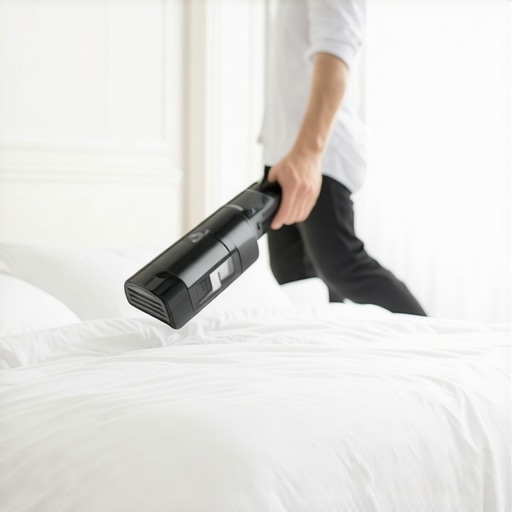
It was one of those mornings when I finally looked around my bedroom and realized, to my horror, that dust bunnies had taken over every surface. The bedside table, the windowsills, even the delicate fabric of my favorite linen curtains—all covered in a fine gray layer that seemed to multiply overnight. I had tried everything during my move-out cleaning—vacuuming, dusting with cloths, even expensive air purifiers—but nothing kept the dust at bay for long. That lightbulb moment hit me: I needed a simple, effective tool to conquer this persistent enemy.
The Power of Microfiber Cloths: My Game-Changer for Dust-Free Living
Have you ever experienced the frustration of spending hours cleaning only to find dust settling again the next day? I used to think the problem was just bad luck, or maybe my environment was inherently dusty. But feeling defeated after every cleaning session wasn’t the answer. Turns out, the secret lies in the tools we choose. After some research and personal trial, I discovered that investing in a high-quality microfiber cloth can transform your cleaning routine. Unlike traditional cotton or paper towels, microfiber catches and holds dust particles like a magnet, making it easier to keep surfaces clean and dust-free for longer.
Not only is this method simple, but it also saves time and reduces the need for harsh chemical cleaners, which can sometimes exacerbate dust issues by leaving residues. For a detailed guide on effective house cleaning methods, I recommend checking out [these expert tips](https://spotlesscarpetz.com/effective-house-cleaning-secrets-from-cleaning-experts). Using microfiber is a game-changer I wish I had discovered sooner.
Is Dust-Free Living Just a Dream or Truly Achievable?
One common mistake I made early on was believing that dusting once a week was enough. Unfortunately, dust settles quickly, especially in households like mine with pets and open windows. The key is consistency and the right tools. Trust me, the difference microfiber makes in trapping dust is remarkable and lasting. Curious about more practical tips? You might want to explore [upholstery cleaning secrets](https://spotlesscarpetz.com/upholstery-cleaning-tips-for-a-fresh-home-revival) to further enhance your home’s cleanliness.
So, if you’ve ever felt overwhelmed by stubborn dust or just wish for a quicker, more efficient way to keep your bedroom spotless, you’re not alone. The next steps I’ll share are simple but powerful. Let’s dive into how you can use this everyday tool to keep your space dust-free, effortlessly.
Start with a Clear Plan of Action
Before diving into cleaning, visualize the areas that accumulate dust and grime the most. Break down your tasks into manageable sections—like bedrooms, living rooms, and kitchens. This targeted approach ensures you don’t overlook stubborn spots and maximizes cleaning efficiency.
Gather Your Essential Tools and Supplies
Equip yourself with high-quality microfiber cloths, a reliable vacuum cleaner with HEPA filters, and natural cleaning agents like vinegar and baking soda. Microfiber cloths, in particular, are superior for trapping dust and bacteria without spreading allergens around, as explained in this guide.
Use Microfiber Cloths Correctly for Dust Collection
Dampening the microfiber slightly enhances its dust-attracting properties. Wipe surfaces gently, following the grain of wood or fabric patterns, to lift dust without spreading it. I learned this the hard way when I tried to dust a large, textured headboard, and the dust just moved around until I adopted proper microfiber techniques—significantly improving my results.
Target Hidden Dust Traps
Focus on overlooked areas like ceiling fan blades, behind appliances, and under furniture. Ceiling fans, in particular, are notorious for collecting a gritty layer that often goes unnoticed. Clean these with a damp microfiber cloth, following the method in this detailed tip. Regularly rotating the blades prevents dust buildup that can circulate allergens.
Vacuum Strategically to Avoid Spreading Dust
Use a vacuum equipped with a HEPA filter to remove dust and pet dander effectively. Instead of quick passes, go over each area multiple times, focusing on corners and edges where dust tends to settle. Remember, a poor vacuum can inadvertently spread dust around, exacerbating allergies—the culprit behind persistent sneezing that I faced until I upgraded my vacuum.
Deep Clean Upholstery and Fabrics Carefully
Upholstery can trap dust, hair, and microbes. Use a microfiber cloth to lightly brush fabrics, then apply appropriate cleaning sprays or DIY solutions like a vinegar mixture for sanitizing without damage, as discussed in this article. For more intricate cleaning, consider professional methods such as micro-steam cleaning, which lifts dirt without harmful chemicals.
Sanitize Surfaces Without Residue
Use natural disinfectants like diluted vinegar or commercial sanitizing hacks that don’t leave behind chemical residues. Remember, over-sanitizing or improper product use can cause build-up, making surfaces more attractive to dust again. For effective sanitizing without this pitfall, see these proven techniques.
Maintain Consistency for Lasting Results
Establish a weekly cleaning routine focusing on the most dusty areas. Regular upkeep prevents dust from settling in and becoming harder to remove. Keep a checklist—similar to this move-out checklist—to ensure thorough cleaning each time.
Many homeowners assume they understand the best way to sanitize and clean their homes, but in reality, a few widespread misconceptions can sabotage your efforts. One prevalent myth is that bleach alone guarantees disinfected surfaces. While bleach is effective against many germs, overusing or misapplying it on porous materials like upholstery can cause damage and leave residues that trap dirt and bacteria long-term. Experts highlight that natural alternatives, such as vinegar solutions, can be just as effective when used correctly and safely on porous surfaces by following proper protocols detailed in these sanitizing tips. Moreover, believing that cleaning more frequently with harsh chemicals is better can backfire. Excessive chemical use may weaken fabrics and finishes, creating more opportunities for dirt and bacteria to settle in. Instead, focusing on targeted, gentle cleaning methods yields more sustainable results, as advocated in professional cleaning strategies. A common mistake in move-out cleaning involves neglecting hidden spots like behind appliances or under furniture where dust and grime accumulate. Failing to address these areas can jeopardize your security deposit, especially when inspectors evaluate cleanliness standards. Regularly inspecting and deep-cleaning these spots, following checklists such as move-out cleaning strategies, can save you money and stress. When it comes to upholstery, another misconception is that steam cleaning is always safe. While effective with proper technique, using overly aggressive steam or not allowing fabrics to dry thoroughly can cause mold or fiber damage, especially on delicate materials. Consulting expert advice at upholstery cleaning tips can prevent these issues. Lastly, many underestimate the importance of using the right cleaning tools. Microfiber cloths are often underrated, yet they outperform cotton rags and paper towels by trapping more dust and microbes without spreading allergens, as discussed in this comprehensive guide. Investing in quality tools coupled with correct techniques makes all the difference in maintaining a truly clean and sanitized home. Have you ever fallen into this trap? Let me know in the comments.Achieving a consistently spotless home requires not just effort but the right tools and practices that stand the test of time. As fellow home enthusiasts, I recommend investing in high-quality microfiber cloths like those from this guide. I personally favor the ones with split fiber technology because they trap dust and microbes more effectively, reducing the need for chemical cleaners and saving me time during each cleaning session. Additionally, a reliable HEPA-filter vacuum, such as the Dyson V11 Torque Drive, has been my go-to for deep cleaning carpets and upholstery without dispersing dust back into the air. These tools are especially effective when used correctly; dampening microfiber cloths enhances dust pickup, and vacuuming with powerful suction removes hidden allergens. Looking ahead, I predict that smart cleaning devices with integrated sensors will become more prevalent, helping us maintain our homes proactively rather than reactively.
How do I maintain my cleaning tools over time?
Regularly washing microfiber cloths in hot water and replacing vacuum filters as recommended by manufacturers prolongs their effectiveness. Also, inspecting and deep-cleaning vacuum attachments monthly ensures optimal performance. For quick victories, I suggest trying this sanitizing hack: soaking microfiber cloths in a vinegar solution before each use boosts their germ-killing power without harmful residues. Incorporating these tools and maintenance routines into your weekly schedule significantly enhances your home’s cleanliness and health. Remember, integrating proper tools with consistent care is the secret to long-lasting results—so don’t underestimate the power of a well-maintained microfiber cloth or a clean HEPA filter!
The Hardest Lesson I Learned About House Cleaning and Dust Management
One of my biggest surprises was realizing that proper dust removal isn’t just about cleaning surfaces but about understanding where dust hides and why it keeps returning. I used to believe that dusting weekly was enough, but I discovered that overlooked spots like behind appliances and ceiling fan blades harbor enough dust to undo my efforts within days. It was a humbling lesson that consistency and awareness are key.
The Hidden Power of Microfiber: A Game-Changer I Uncovered
While researching, I stumbled upon the science behind microfiber cloths and their superior dust-trapping ability. The split fibers create paths that draw in tiny particles, making cleaning more effective and less reliant on chemicals. Personal experience confirmed this—damp microfiber wipes have become my go-to tool, saving time and improving hygiene. This insight revolutionized my approach and drastically reduced recurring dust issues.
Small Changes That Yield Big Results in Move-Out Cleaning
During my last move, I realized that focusing on often-neglected spots like window tracks and underneath appliances made a real difference. Following detailed checklists, such as move-out cleaning strategies, helped me achieve a spotless home that passed inspection on the first try. Consistent attention to these tiny details can preserve your security deposit and give you peace of mind.
How I Learned to Balance Sanitation and Preservation on Delicate Surfaces
One of my fears was damaging fabrics or finishes during cleaning. After experimenting, I found that natural disinfectants like vinegar, when used correctly, sanitize without harm, especially on upholstery and sensitive surfaces. Consulting expert tips helped me avoid pitfalls, such as over-saturating fabrics or using aggressive steam cleaning that can cause mold or fiber damage. Getting this balance right has kept my home fresh and intact.
Transforming My Mindset Towards Home Hygiene and Efficiency
Ultimately, I realized that cleaning isn’t just a chore but a way to care for my living space and health. Investing in quality tools like HEPA filters and microfiber cloths pays off in long-term cleanliness and allergen control. It’s empowering to know that small, intentional actions—regular maintenance, proper tool use, and attention to hidden dust traps—create a healthier, more inviting home environment. Now, I approach cleaning as a mindful practice rather than a tedious task.