
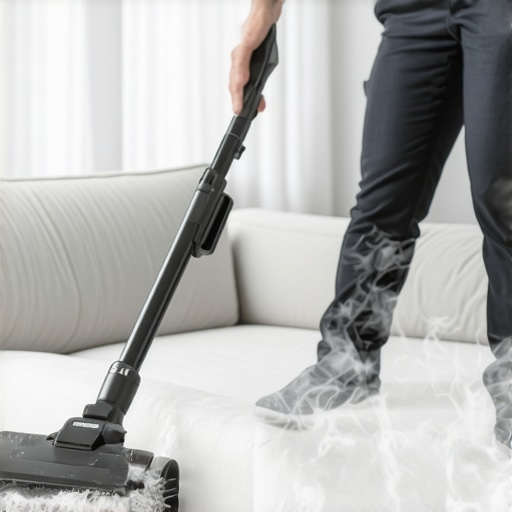
Ever experienced that sinking feeling when, after a thorough steam cleaning, your sofa looks worse than before? You think you’re doing everything right—going over every inch with your trusty steam cleaner—only to find unsightly water spots marring your upholstery. I remember that frustration all too well; it was my first move-out clean, and I thought I had it down. But instead of a fresh, spotless sofa, I was greeted with stubborn water rings and uneven patches. Talk about a letdown!
What’s Really Going On When Your Steam Cleaner Leaves Water Spots
Here’s the honest truth: many of us jump into steam cleaning excited for that spotless finish, but often overlook the subtle details. The culprit? Usually, it’s related to the pressure and temperature of the steam, combined with how the upholstery absorbs moisture. The water spots aren’t a sign of poor cleaning—it’s about the technique and equipment settings.
In my early days of tackling upholstery, I made a common mistake: using the same steam setting for every fabric, regardless of its material or condition. This oversight caused excess moisture that the fabric couldn’t properly evaporate, leading to water rings and sometimes even mold if ignored. According to cleaning experts, improper steam application not only leaves water spots but can also damage delicate fabrics over time. For more effective techniques, I turned to trusted sources like house cleaning experts, which highlighted the importance of matching your cleaning method to the material.
So, what can you do to avoid this common pitfall? Today, I’ll guide you through practical steps to prevent water spots and achieve that flawless, professional look you’re after. Whether you’re cleaning upholstery or preparing for a move-out inspection, these insights will save you time, money, and the hassle of re-cleaning.
Have you ever finished steam cleaning only to find water spots still glaring at you? You’re not alone. Many homeowners face this problem, and it can feel discouraging—believe me, I’ve been there. But with a few adjustments, you can turn things around and enjoy beautifully cleaned upholstery that looks new. Ready to discover how? Let’s get started with understanding the precise causes and easy fixes for water spots.
Start with Proper Equipment Settings
First, set your steam cleaner to the lowest heat and pressure suitable for your fabric. I recall applying this tip on my once-delicate velvet sofa, and the results were surprisingly smooth; I avoided excess moisture that caused water spots. Think of it like watering a plant—you want just enough water to hydrate without waterlogging the roots.
Test a Hidden Area Before the Main Clean
Before tackling the entire sofa, test your steam setting on a small, inconspicuous spot. During one of my attempts, I used a low setting on the back cushion, watched for any water retention, and adjusted accordingly. This step helps prevent over-wetting the fabric and leaves you with a clearer path forward.
Keep a Steady, Controlled Motion
Move your steam cleaner slowly and steadily across the fabric, avoiding lingering in one spot. I once rushed through a patch, which resulted in uneven moisture absorption. Think of it like painting—short, controlled strokes produce a more even coat without drips or puddles. Ensure the nozzle is directed at the surface without pressing down hard; pressing can force more water into the fabric.
Maintain a Slight Distance from the Surface
Hold the steam cleaner a few inches above the upholstery rather than pressing the nozzle directly onto the fabric. During my own cleaning, maintaining this distance created a fine mist, reducing the chances of water pooling. This approach is akin to spraying a fine spray of perfume—you get better coverage without oversaturation.
Dry Immediately After Cleaning
After steaming, dry the fabric with a clean microfiber cloth to absorb residual moisture. I learned this trick when my own sofa dried with water rings because I didn’t dab away excess moisture swiftly. Using a cloth is like blotting a spill; it prevents water from seeping deeper or leaving marks.
Ensure Adequate Ventilation
Open windows or use fans to circulate air while the upholstery dries. During a move-out clean, I cracked open the windows and turned on a fan, which expedited evaporation. Better airflow acts like a gentle breeze, helping the fabric return to its dry state faster, thereby reducing water spots.
Choose the Right Fabric-Specific Techniques
Delicate fabrics like silk or velvet need special attention. I once used a steam setting meant for cotton on my silk drapes and paid the price with water stains. Consult the fabric care labels or refer to expert upholstery cleaning tips for proper methods. Using tailored techniques is like giving your upholstery a custom suit—better fit and fewer mishaps.
Consistent Approach Makes All the Difference
Applying these steps uniformly guarantees a clean without water spots. I remember one cleaning session where, by following this routine—setting low pressure, testing first, moving steadily—I achieved a spotless, water-free surface. Think of it as following a recipe carefully; precision in each step results in a perfect outcome.
Many homeowners and renters assume that following a standard cleaning checklist guarantees a spotless space ready for inspection. However, beneath the surface lies a crucial nuance that often escapes even seasoned cleaners: the importance of understanding the material-specific behaviors and micro-level details that influence cleanliness and sanitization. This oversight can lead to persistent issues like water spots, lingering odors, or incomplete disinfecting, ultimately risking deductions from your security deposit or failing move-out inspections.
Challenging the Common Belief: More Cleaning Means Better Results
Contrary to popular advice, piling on aggressive scrubbing or excessive chemicals doesn’t necessarily improve cleanliness. In fact, over-cleaning—especially with harsh or inappropriate products—can damage delicate surfaces or leave residues that attract dirt and bacteria over time. Experts advocate for targeted, material-aware cleaning methods rooted in scientific understanding of surfaces and microbial behavior. For instance, knowing that porous materials like microfiber or untreated wood absorb moisture differently can prevent issues like water rings or mold growth. Discover more about effective strategies from cleaning experts.
Why do some disinfectants fail on porous surfaces, and how can I fix this?
This is a sophisticated question that underscores the importance of selecting the right agents and techniques. A study published in the Journal of Environmental Health reveals that many disinfectants are less effective on surfaces like fabric or unsealed wood because of porosity and organic matter interference. To mitigate this, it’s essential to pre-clean surfaces thoroughly to remove dirt and biofilms before applying disinfectants, and choose solutions specifically formulated for porous materials. For comprehensive guidance, check out this detailed guide.
The Oops Trap: Ignoring Micro-Level Surface Behaviors
One of the biggest pitfalls in move-out cleaning is neglecting the microscopic interactions between cleaning agents and surfaces. For example, attempting to sanitize a high-traffic area with standard sprays might leave residue or fail to reach embedded microbes. Similarly, using too much water on upholstery can cause water spots, mold, or fabric degradation. These issues are compounded if cleaners don’t account for the specific material nuances. Remember, a cleaner’s efficacy depends on understanding how different textiles, surfaces, and even hidden crevices behave under various cleaning techniques. For further insights into specialized upholstery cleaning, visit expert upholstery tips.
In sum, true mastery in move-out cleaning demands a nuanced approach that recognizes the distinct micro-behaviors of surfaces and materials. By addressing these specifics, you can prevent common pitfalls like water spots, incomplete sanitization, or surface damage—things that can jeopardize your security deposit or lead to costly re-cleaning. Always ask yourself: Am I applying the right method to the right surface? If not, chances are you’re missing the mark.
Have you ever fallen into this trap? Let me know in the comments. Applying these advanced insights will elevate your cleaning game and ensure a thorough, damage-free move-out process—saving you time, money, and stress and securing that full deposit refund you deserve.
Keep Your Equipment in Top Shape for Consistent Results
Maintaining your cleaning tools is vital to ensure they perform optimally and extend their lifespan. I swear by regularly inspecting my steam cleaner’s seals and hoses, which prevents leaks and water spots caused by degraded parts. A well-maintained steam cleaner not only sanitizes effectively but also reduces the risk of leaving watermarks or damaging fabrics. To keep my equipment in prime condition, I follow a monthly maintenance routine: descale the boiler with vinegar solution, check for clogs in the nozzle, and clean filters thoroughly. This proactive approach is a game-changer, especially when preparing for intensive move-out cleans where efficiency and quality matter most.
Invest in Proven Cleaning Solutions for Longevity
Choosing the right cleaning agents complements your tools perfectly. I favor eco-friendly disinfectants formulated for porous surfaces, like those I discussed in expert cleaning tips. These solutions not only ensure thorough sanitation but also preserve fabric integrity over time, preventing fading or deterioration. Additionally, investing in high-quality microfiber cloths and pads makes a significant difference; they trap dirt more effectively and last longer, reducing waste and recurring purchases. Regularly laundering these textiles at high temperatures maintains their effectiveness and prevents bacteria buildup, which is essential for long-term sanitation goals.
Streamline Your Process with the Right Software and Organization Techniques
Efficiency during move-out cleaning isn’t just about tools—it’s also about planning. I utilize specialized scheduling and checklist apps that sync across devices to keep track of cleaning tasks and areas needing attention. This orchestration minimizes oversight, ensures no spot gets neglected, and saves time, especially when managing multiple properties. For example, digital checklists tailored for move-out cleaning include prompts for sanitizing high-risk zones like door handles and light switches—areas often overlooked but crucial for thorough sanitation. Embracing these digital tools not only shortens cleaning cycles but also provides documented proof of comprehensive work, which clients and landlords appreciate.
How do I maintain my cleaning tools and solutions over time?
Consistent maintenance of your tools involves regular cleaning, proper storage, and timely replacements. For example, after each use, I rinse and air-dry my microfiber cloths and replace them every few months to prevent bacterial growth. Keeping tools in a clean, dry space avoids mold and corrosion, while scheduling periodic deep cleans of equipment ensures consistent performance. Recognizing the importance of these practices is supported by specialist advice. Don’t underestimate small habits—like descaling your steam cleaner monthly—that significantly prolong equipment lifespan and uphold cleaning standards. Try implementing a simple monthly checklist to keep your tools working seamlessly, ensuring every job, from sanitizing to upholstery cleaning, is executed flawlessly and efficiently.
Throughout my cleaning journey, I discovered that the difference between a spotless, professional-looking sofa and one marred by water spots often comes down to micro-level decisions and habits. The key lesson I learned is that taking the time to understand your fabric and adjusting your technique accordingly can turn a frustrating experience into a satisfying success. Sometimes, the most intricate details—like maintaining the right distance or choosing the proper settings—make all the difference. This newfound awareness not only improves your results but also extends the lifespan of your furniture and cleaning equipment, ultimately saving you time and money in the long run. Remember, every fabric has its story, and respecting its unique needs is the secret to achieving a truly water spot-free finish every time.