
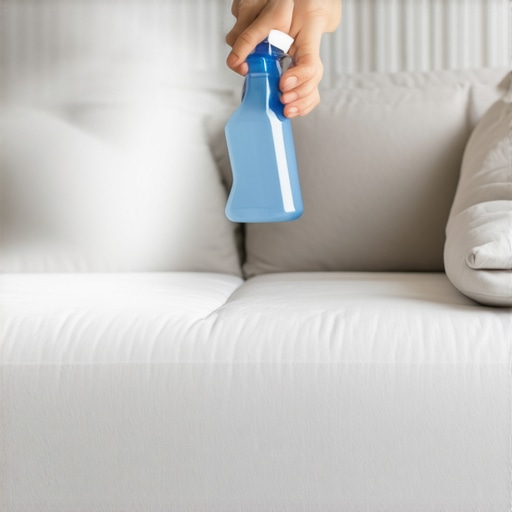
It was a lazy Sunday afternoon when I finally faced the unmistakable sour smell wafting from my microfiber sofa. I had always prided myself on keeping a cozy, guest-ready home, but that day, I realized something was terribly wrong. My beloved rescue dog had an accident during a nap, and instead of catching it right away, I let it slide. Big mistake. The stale, lingering odor seemed to settle deep into the fibers, stubborn and seemingly impossible to remove. I felt a sinking frustration—how could something so simple become such a nightmare?
If you’ve ever dealt with pet urine odors infiltrating your furniture, you know exactly what I mean. That initial sighting or smell turns into an ongoing battle, especially with microfiber, which tends to trap these unwelcome scents more than we realize. Whether you’re preparing for a move-out inspection, staging your home for sale, or simply trying to maintain a fresh, odor-free living space, understanding how to effectively eliminate pet odors from microfiber couches can make all the difference.
Today, I want to share the exact process I perfected over months of trial, error, and learning. No fluff, just straightforward, effective tips crafted from real experience—so you can breathe easy again.
Why Pet Odors Are So Hard to Remove from Microfiber
Microfiber fabrics are a common choice in homes because they’re soft, durable, and stylish. But those tiny fibers are also like a giant sponge—soaking up moisture, dirt, and, sadly, pet accidents. Once urine sinks into those minute fibers, it creates a smell that’s not only unpleasant but also tough to eradicate. According to the ASPCA, pet urine’s bacteria can embed deep into furniture, resulting in persistent odors despite superficial cleaning. That’s why quick spill cleanup isn’t enough; it’s a battle of reaching the source.
In my early days of cleaning, I made a crucial mistake—using only surface treatments that seemed to mask the smell for a while. The odor would return after a few days. I realized I needed to go deeper, targeting not just the visible stain but also the microscopic bacteria and residue lurking within the fabric.
Have you faced this stubborn smell and wondered if it’s even possible to eliminate it entirely? Rest assured, with the right techniques, you can reclaim your furniture’s freshness. First, let’s understand what makes pet odors so resilient before I walk you through the proven steps that finally worked for me. And if you’re interested in the broader realm of house sanitation, you might find some helpful insights in [sanitizing hacks for safe house transitions](https://spotlesscarpetz.com/sanitizing-hacks-for-safe-house-transitions). Now, onto the practical steps to banish that odor for good.
Deep Cleaning with Enzymatic Solutions
Start by applying an enzymatic pet stain remover directly onto the affected areas. These enzymes break down the proteins in urine that cause odors. When I faced a stubborn smell from my microfiber sofa, I saturated the spot with a commercial enzyme cleaner and let it sit for at least 15 minutes. The messy part was the excess liquid, which started to wick into the fibers, so I used a clean towel to blot and absorb as much liquid as possible. This step is crucial because it targets the root source of the odor, unlike superficial sprays that only mask it.
Vinegar and Baking Soda Power Play
Next, sprinkle a generous layer of baking soda over the cleaned area to absorb remaining odor particles. Let it sit for at least 30 minutes, or preferably overnight, to maximize its deodorizing effects. Afterward, vacuum thoroughly to remove all residue. During my attempt, I found that combining this with a vinegar solution enhanced the results; mix equal parts white vinegar and water in a spray bottle and lightly mist the fabric. The vinegar neutralizes alkaline odors, while baking soda absorbs acids, working together to eradicate pet smells effectively. Use a spray with caution and avoid over-soaking to prevent damaging the fibers.
Proper Rinsing and Drying
After the cleaning, it’s vital to rinse any residual cleaner or baking soda. Dampen a clean cloth with plain water and gently wipe the area. This prevents buildup that could trap more odors or irritate sensitive skin. To help the fabric dry swiftly, I used a fan directed at the sofa and opened windows. Avoid using heat sources like hairdryers, as they can set stains or damage the microfiber. I learned this the hard way when I prematurely blew hot air onto the upholstery, which caused stiff patches. Patience is key here; thorough drying prevents mold and lingering smells.
Sanitize and Protect the Fabric
Finally, to sanitize the couch and prevent future odors, apply a fabric-safe disinfectant or a solution of diluted isopropyl alcohol. Lightly mist the surface, ensuring even coverage. For added protection, consider using a fabric protector spray that repels pet accidents. During my last cleanup, I used a safeguard spray after the deep clean, which made subsequent spills much easier to manage and reduced odor buildup.
Regular maintenance can keep microfiber smelling fresh. Vacuum weekly to remove pet hair and dander. For spot cleaning, always act quickly—don’t let accidents set. Remember, pinpointing the source and treating it thoroughly is the key to long-lasting freshness, especially if you want to pass move-out inspections or keep your home inviting. If stubborn odors persist despite these efforts, professional upholstery cleaning might be necessary—reach out here.
Many homeowners believe that superficial cleaning suffices for maintaining upholstery or preparing for move-outs, but this is a misconception that can lead to costly mistakes. A prevalent myth is that using standard household cleaners or sprays can eliminate deeply embedded odors or bacteria. In reality, advanced cleaning requires understanding the nuances of fabric types and microbial invasion, as traditional methods often only mask symptoms rather than address roots. For instance, many assume that bleach or generic disinfectants are effective on all surfaces, but overuse or improper application can damage delicate fabrics like microfiber or natural fibers, potentially voiding warranties or damaging your furniture. Experts warn that incorrect cleaning agents can also create a breeding ground for mold or residual odors, especially if fabrics are not properly dried afterward. It’s crucial to recognize these pitfalls and opt for specialized techniques, such as enzymatic cleaners or steam sterilization, tailored to specific materials. Did you know that misinterpreting the function of cleaning products is a common trap? For example, many think that vinegar alone can sanitize thoroughly, but while it neutralizes some bacteria, it doesn’t eliminate all pathogens, especially in porous surfaces. Applying the wrong approach can also void insurance policies or lead to disputes during move-out inspections. A practical example comes from a recent study by the American Cleaning Institute, which emphasizes the importance of knowing your materials: using inappropriate cleaning methods can damage fabrics and reduce their lifespan. For advanced cleaning, consider consulting professional services to ensure deep sanitation without compromise. When preparing for a move or aiming for optimal hygiene, consider strategies that target bacteria and allergens at their core, such as hot steam cleaning or enzyme-based treatments. Want to ensure your cleaning approach is effective? Explore expert tips and proven strategies at [effective house cleaning secrets from cleaning experts](https://spotlesscarpetz.com/effective-house-cleaning-secrets-from-cleaning-experts). Before your next move-out inspection, double-check the hidden spots where dust, mold, or bacteria can hide—details that might cost your security deposit if overlooked. For personalized advice tailored to your furnishings, get in touch with our specialists through [contact us](https://spotlesscarpetz.com/contact-us). Remember, a thorough understanding of the materials and proper tools not only saves money but also preserves the integrity of your home surfaces.
The Power of Professional-Grade Equipment for Lasting Results
Investing in the right tools can make all the difference in maintaining a pristine and odor-free home over time. I personally rely on a high-efficiency HEPA-filter vacuum, such as the Dyson V15 Detect, because its superior suction and advanced filtration remove embedded pet hair, dander, and allergens from deep within upholstery fibers. This not only prolongs the freshness of your furniture but also enhances indoor air quality—an aspect often overlooked in regular cleaning routines.
For challenging odors and stubborn stains, I recommend using a commercial-grade upholstery steam cleaner that heats water to over 200°F, effectively killing bacteria and removing dirt without the use of harsh chemicals. My go-to is the Hoover Steamfast because it provides consistent steam output and has specialized attachments for fabric creases and tight corners. Regular steam cleaning prevents microbial buildup, essential for long-term freshness and health.
Future Looks Bright: Embracing Smart Cleaning Technologies
Emerging trends suggest integrating smart sensors and IoT-enabled devices into home sanitation routines. These systems can monitor humidity, odor levels, and particulate matter, alerting you when it’s time for a deeper clean—streamlining maintenance and reducing the likelihood of odor recurrence. Companies like LG are pioneering these innovations with their connected air purifiers and fabric sanitizers, pointing toward a future where your home self-manages cleanliness efficiently.
How do I maintain my cleaning tools over time?
Proper maintenance ensures your equipment stays effective. For vacuums, regularly replacing HEPA filters (every 6-12 months) and checking brushes for hair wrap prolongs their lifespan. Steam cleaners benefit from descaling every few uses; use descaling solutions designed for your model to prevent mineral buildup, which can compromise steam output and sanitize performance. This proactive approach keeps your tools working at peak efficiency, saving you money and effort in the long run.
If you’re ready to deepen your cleaning game, try using a microfiber cloth dedicated solely to upholstery—it traps dust and pet hair more effectively than regular cloths. Attach it to your steam cleaner’s microfiber pad to maximize debris removal while sanitizing. To explore more about effective strategies, check out tips from cleaning experts.
Scaling your efforts by implementing automated vacuums or scheduled steam cleaning sessions can further reduce routine work, allowing you to enjoy a healthier, fresher home effortlessly. Remember, consistent maintenance combined with the right tools secures long-term results, especially when preparing for move-outs or house staging—learn more about comprehensive move-out cleaning strategies.
What I Wish I Had Known About Deep Fabric Odors Early On
One of the biggest surprises I encountered was realizing that superficial cleaning methods like sprays and surface wipes often only mask pet odors rather than eliminate them entirely. It took trial and error to understand that reaching the deep fibers with enzymatic solutions was essential. I also learned that over-soaking microfiber fabrics can lead to stiffness or damage, emphasizing the importance of properly controlling moisture levels during cleaning. Lastly, consistently maintaining cleaning tools and employing professional-grade equipment turned out to be the real game changer in preserving the integrity of my furniture and keeping odors at bay, especially when pets are involved. These lessons elevated my approach beyond quick fixes to a long-term strategy for freshness.
My Top Resources for Superior Upholstery Care
Personally, I rely heavily on enzymatic stain removers like the upholstery cleaning tips from experts because they attack odors at their source without damaging delicate fibers. I also trust the high-quality vacuum tools with HEPA filters to remove embedded pet hair and dander that contribute to smell buildup. For deep cleaning, a reliable steam cleaner that heats water above 200°F makes all the difference in sanitizing and revitalizing microfiber furniture. These tools have consistently helped me achieve professional results at home.
Take Action Today to Breathe Easier
Don’t let lingering pet odors shut you out of your own space. With the right techniques, tools, and a little patience, restoring your microfiber furniture’s freshness is within reach. Imagine coming home to a space that smells inviting and feels clean—that’s the power of mastering effective upholstery cleaning. Start small, stay consistent, and soon you’ll notice a significant difference. If you’re ready to take your home sanitation to the next level, consider reaching out for personalized advice or professional help through our contact page. Your home deserves it, and your nose will thank you for the effort.