
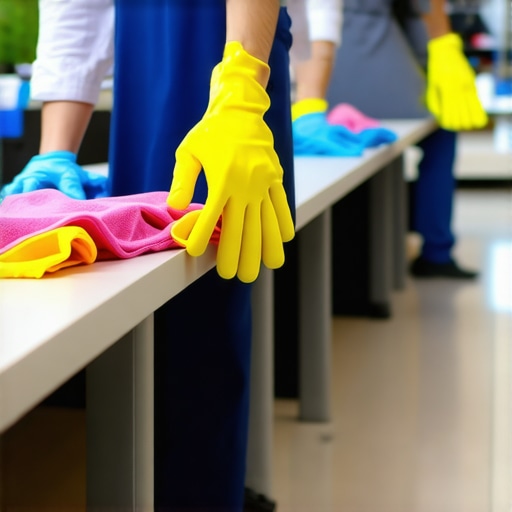
I remember a move-out cleaning session last year where I reached for a roll of paper towels, only to realize halfway through that my hands were still damp, streaks were forming on the mirrors, and the grime seemed stubbornly unbudging. It was enough to make me question the tools I’d been relying on for years. That lightbulb moment — when I finally grasped the true power of microfiber cloths — changed my entire approach to cleaning.
You’ve probably experienced similar frustrations, watching lint or streaks ruin what should be a sparkling finish. The truth is, paper towels often fall short, especially when it comes to thorough cleaning, streak-free shine, and eco-friendliness. Today, I want to share with you exactly why professional cleaners opt for microfiber over those disposable paper towels.
The Microfiber Difference: More Than Just a Fancy Fabric
Microfiber cloths might seem like just another cleaning trend, but their effectiveness is backed by science and real-world results. Unlike paper towels, which are designed for single uses and often contain dyes or chemicals, microfiber cloths are made from tiny synthetic fibers that are finer than a human hair. These fibers are engineered to trap dirt, bacteria, and grease more efficiently, requiring less cleaning product and fewer passes over the surface.
Early in my cleaning career, I made a mistake I’ll never forget: I relied solely on paper towels for wiping down a client’s kitchen counter. Not only did I need to use more paper towels than I’d hoped, but I also noticed streaks and missed spots that I thought I had cleaned. The next day, I discovered that microfiber cloths could have handled that job effortlessly, leaving a streak-free, hygienic surface with just water. That realization was a game-changer, and it’s one I want to pass on to you.
Evidence from cleaning experts highlights that microfiber can remove up to 99% of bacteria without chemical disinfectants, making it ideal for hygienic cleaning (source: [SpotlessCarpetz](https://spotlesscarpetz.com/effective-house-cleaning-secrets-from-cleaning-experts)). Plus, their durability means you can wash and reuse them hundreds of times, reducing waste and saving money long-term.
If you’ve ever struggled with streaky mirrors, stubborn grease spots, or a lingering smell after cleaning, the problem might be your tools. Microfiber could be the simple switch that transforms your cleaning routine—more effective, eco-friendly, and budget-wise. Now, let’s explore some of the biggest skeptics’ fears about microfiber and how to overcome them.
Choose the Right Microfiber Cloths
Start by selecting high-quality microfiber fabrics with a dense weave. Look for cloths labeled as marvelous for cleaning surfaces. I once bought a cheap pack, only to realize they shed lint, defeating their purpose. Investing in durable microfiber ensures you can reuse them hundreds of times and achieve streak-free results.
Pre-wet and Dampen Properly
Before cleaning, lightly dampen the microfiber cloth with water. Too wet, and it might drip, too dry, and it won’t trap dirt effectively. During a move-out cleaning, I learned this on the fly—moist enough to grab dirt but not so soaked that it leaves water spots on mirrors. This balance allows for effective removal of grime without chemical cleaners.
Master the Technique of Wiping Contact
Use gentle, circular motions for surfaces like glass or countertops, pressing lightly to lift dirt. For stubborn spots, apply a little more pressure, but avoid scrubbing aggressively; microfiber’s fine fibers do the heavy lifting. I saved time during a kitchen deep-clean by applying this method, easily lifting grease without streaks. Remember, move in small sections to maintain moisture and dirt-holding capacity.
Utilize the Two-Bucket Method
Have one bucket with clean water and another with rinse water. Regularly rinse the cloth in the clean water to remove trapped dirt, then wring out thoroughly. This prevents smearing. During a bathroom grout cleaning, I used this trick to keep the cloth pristine, resulting in a bright, mildew-free tile finish. It’s especially effective for areas like grout lines, where dirt hides beneath the surface.
Employ Microfiber for Sanitizing
Microfiber’s fine fibers can remove up to 99% of bacteria with just water, making it ideal for hygienic cleaning. For high-touch zones like doorknobs or light switches, I found that a damp microfiber cloth eliminates germs without chemicals. For deep sanitizing, follow up with [sanitizing hacks](https://spotlesscarpetz.com/sanitizing-hacks-for-safe-house-transitions) to maximize effectiveness.
Properly Wash and Maintain Microfiber Cloths
Wash microfiber in warm water without fabric softeners or bleach, which can clog fibers. Dry on low heat or air-dry to preserve their structure. I discovered that neglecting this reduces their effectiveness after just a few washes. Regularly inspecting the cloths and replacing worn ones ensures continued efficiency, especially when handling move-out cleanings that demand thorough sanitation.
Apply Microfiber to Specific Tasks for Best Results
Use microfiber for various surfaces: glass, mirrors, kitchen counters, appliances, and even upholstery. For instance, when cleaning a microfiber couch, I avoided harsh chemicals to prevent damage and used minimal water. Proper application keeps fabrics fresh and odors at bay. Check out [upholstery cleaning tips](https://spotlesscarpetz.com/upholstery-cleaning-tips-for-a-fresh-home-revival) for additional techniques.
Many homeowners believe that a quick spray of disinfectant or a routine vacuum session suffices for thorough cleaning, but this misconception often leads to hidden issues. While it seems intuitive, the reality is that surface-level cleaning can mask deeper problems, like neglected bacteria reservoirs or persistent grime in overlooked corners. Professionals understand that true sanitization demands a nuanced approach, focusing on detailed attention to areas most homeowners neglect. For example, high-touch zones such as light switches or door handles often harbor more bacteria than visible surfaces, emphasizing the importance of targeted sanitation. Moreover, many people underestimate the significance of cleaning upholstery correctly — assuming that steam cleaning or regular vacuuming is enough, but failing to address delicate fabrics or embedded stains can result in odors or deterioration over time. Moving out, tenants frequently rely on superficial cleanings, unaware that landlords scrutinize specific spots like behind appliances or within grout lines, which can jeopardize the return of their security deposit. A common myth is that using chemical disinfectants alone guarantees a sanitized home, yet over-reliance on potent cleaners without proper technique or understanding can damage surfaces or leave residues that attract dirt. Advanced cleaning experts recommend integrating eco-friendly and fabric-safe products, and knowing precisely which areas require more intensive attention, such as deep-cleaning carpets or specialized upholstery. Have you ever fallen into this trap? Let me know in the comments.
Why Do Some So-Called “Deep Cleanings” Fail to Meet Expectations, Even When Using Professional Products?
Deep cleanings often fail because homeowners and even some professionals overlook the importance of preparation and detailed knowledge of fabric sensitivities or surface materials. For instance, using too much water on delicate upholstery can lead to mold or mildew growth, especially in poorly ventilated areas. According to experts, understanding the lifecycle of common household bacteria and grime enables targeted cleaning strategies, vastly improving results. It’s essential to recognize that cleaning is not just about the tools but also about technique and awareness of material limitations. For examples and expert-approved methods to elevate your cleaning routine, visit [Effective House Cleaning Secrets](https://spotlesscarpetz.com/effective-house-cleaning-secrets-from-cleaning-experts). Avoid the trap of superficial cleaning by focusing on areas that most impact hygiene and deposit recovery, especially during move-outs, where meticulous attention ensures full security deposit refunds. For comprehensive move-out cleaning strategies, check out [Move Out Cleaning Strategies](https://spotlesscarpetz.com/move-out-cleaning-strategies-to-secure-your-deposit). Remember, the devil’s in the details—focus on the nuanced areas others ignore, and your home will not only look clean but be genuinely sanitized.
Keeping Your Cleaning Tools in Top Shape for Long-Term Success
To ensure your house stays spotless after tackling upholstery, move-out cleaning, or routine house maintenance, investing in high-quality tools and knowing how to maintain them is essential. First and foremost, I swear by microfiber cloths made from dense, split fibers that trap dirt without scratching delicate surfaces. I personally prefer brands that are known for durability and lint-free performance because they withstand hundreds of washes, reducing waste and saving money over time.
Proper care extends your tools’ lifespan. Always wash microfiber cloths without fabric softeners or bleach, as these chemicals clog fibers and diminish their effectiveness. Drying on low heat or air drying preserves their texture. Regularly inspecting your cloths and replacing any that become frayed ensures continuous efficiency when cleaning upholstery or stubborn grout spots. Additionally, a good quality spray bottle with a fine mist nozzle helps apply cleaning solutions evenly without overuse, especially when cleaning sensitive fabrics or appliances.
Essential Equipment for a Consistent Cleaning Routine
I highly recommend investing in an ergonomic, lightweight** steam cleaner** for upholstery, as it offers deep sanitization without harsh chemicals. Modern steam cleaners with variable temperature controls, like those from reputable brands, allow you to tackle everything from delicate fabric upholstery to stubborn stains effectively. The future points towards multi-functional devices combining steam, vacuum, and sanitizing functions, making cleaning faster and more thorough.
For move-out cleaning, a powerful, cordless vacuum with HEPA filtration minimizes allergen circulation and speeds up dust removal, especially in tricky corners like behind appliances or under cabinets. A handheld steamer can also be invaluable for targeted sanitization of vents, baseboards, or upholstery. Remember, using the right tools for specific tasks prevents surface damage and ensures long-term maintenance of your home’s surfaces.
How do I maintain my cleaning arsenal over time?
Developing a routine of inspecting, cleaning, and replacing your tools is key. For example, microfiber cloths should be rinsed thoroughly after each use and washed regularly in warm water. Avoid fabric softeners to keep fibers intact and effective. Store tools in a dry, organized space to prevent mold or mildew growth, especially for items like vacuum filters and steam cleaner accessories. Refer to manufacturer guidelines for optimal maintenance, and don’t hesitate to reach out via contact us if you need tailored advice or want to upgrade your toolkit for long-term results. By maintaining your tools diligently, you’ll ensure consistent cleaning performance and protect your investment over the years.
The Hardest Lesson I Learned About Sanitizing and House Cleaning
One of the most valuable insights I gained was realizing that superficial cleaning often masks deeper issues like bacteria buildup and dirt trapped in overlooked spots. Discovering that microfiber could effectively sanitize without harsh chemicals changed my entire approach, emphasizing the importance of detailed attention and the right tools.
My Go-To Resources for Perfecting Professional-Like Results
I rely heavily on trusted tools and expert advice. Brands like [Microfiber Masters](https://spotlesscarpetz.com/why-microfiber-is-superior) for durable cloths, along with detailed guides from Cleaning Experts, have been instrumental. These resources provide practical insights and product recommendations that genuinely make a difference in achieving spotless results.
Ready to Transform Your Cleaning Routine Today
Embracing microfiber and mastering detailed cleaning techniques can revolutionize your home maintenance, especially during move-outs where every spot counts. Remember, your effort today sets the stage for a healthier, more pristine living space tomorrow. You have the power to make your cleaning routine more effective and eco-friendly—start now!