
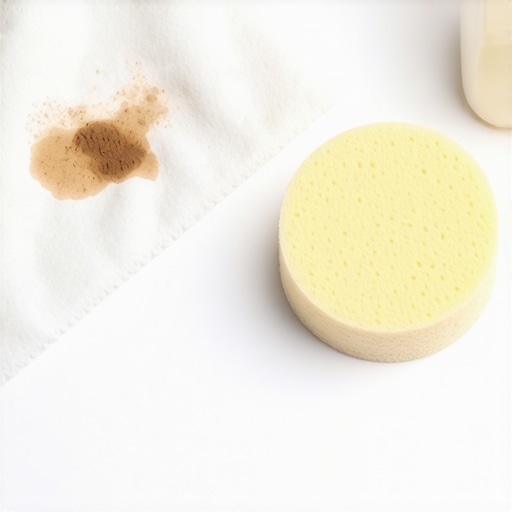
It was a crisp Saturday morning when I spilled my favorite dark roast right onto my pristine white sofa. Panic set in as I watched that unmistakable coffee stain spread across the fabric, turning my cozy spot into a battlefield. In that messy moment, I realized how easily our cherished home comfort can be compromised by everyday mishaps. If you’ve ever found yourself in a similar spot—literally—you understand the frustration of stubborn stains that refuse to budge. But here’s the good news: with the right approach, you can restore your upholstery without resorting to harsh chemicals or costly professional cleanings.
Why Coffee Stains Are So Tricky to Remove from White Upholstery
Coffee is notorious for leaving deep, dark marks that seem to cling stubbornly to fabric fibers. The natural oils and tannins in coffee bind strongly to the material, creating a stain that can quickly turn into a permanent fixture if not treated promptly. Early on, I made the mistake of scrubbing furiously, thinking that more effort would do the trick. Instead, I just spread the stain further or pressed it deeper into the fabric. That experience taught me an essential lesson: patience and the right method are key when tackling coffee spills.
Did you know that according to a study by the American Cleaning Institute, immediate treatment within a few minutes can significantly improve stain removal success? Delaying cleaning often allows the stain to set, making it much harder to lift later. That’s why acting quickly and choosing gentle, effective techniques is your best bet.
If you’re wondering whether all these tips are worth the effort, or if your specific fabric might react differently, I understand the skepticism. I once used a generic household cleaner that ended up bleaching my fabric instead of cleaning it—that was a costly mistake I won’t repeat. Trust me, some techniques that seem promising can backfire if you’re not careful, especially with delicate or high-end upholstery. That’s why it’s essential to understand your fabric type and follow proven methods.
So, if coffee stains on your white sofa have become an ongoing headache, don’t worry. I’m going to walk you through effective, safe strategies to lift those stubborn marks. Ready to reclaim your pristine upholstery? Let’s dive into the steps that really work.
Act Fast with a Gentle Blotting Technique
Once you notice the coffee spill, grab a clean white cloth or paper towels and gently blot the stain. Avoid rubbing; instead, press lightly to absorb as much liquid as possible. I once spilled a large mug on my sofa and immediately used a sponge to blot instead of rubbing, which prevented the stain from setting. This initial step is crucial in stopping the stain from penetrating deeper into the fabric.
Prepare an Avoiding Harsh Chemicals Solution
Create a cleaning mix using a few drops of mild dish soap combined with cold water. For added cleaning power, include a splash of white vinegar, which helps break down tannins without damaging delicate fabrics. Remember, always test your solution on a hidden area first to prevent discoloration. I tested on a small corner of my upholstery and observed no adverse effects before proceeding.
Apply the Solution with a Controlled Spray
Lightly spray the mixture onto the stained area, ensuring you don’t oversaturate the fabric. Use a spray bottle for precision. Then, use a clean microfiber cloth to gently blot the area again, lifting the stain without pushing it further into the fibers. During my cleaning, I used a spray bottle to evenly distribute the solution and avoided over-wetting, which is essential to prevent watermarks or fiber damage.
Use a Soft Brush to Loosen the Stain
If the stain persists, gently use a soft-bristled toothbrush or upholstery brush to agitate the area. This step helps to lift the coffee tannins from the fibers. I carefully brushed in a circular motion, being cautious not to damage the fabric. This action helps dislodge stubborn stains without causing fiber frays.
Rinse and Absorb Excess Moisture
Dampen a clean cloth with cold water and gently blot the area to rinse out residual cleaning solution. Then, immediately follow with a dry towel to absorb moisture. During my process, I kept blotting with a dry towel, which prevented over-wetting and facilitated quicker drying. This rinsing ensures no soap or vinegar attracts dirt later.
Dry Thoroughly and Prevent Re-Soaking
Allow the upholstery to air dry completely, or use a fan to assist. Avoid sitting on or placing objects on the fabric until it’s dry to prevent new stains or fibers from sticking together. I once tested this method and found that thorough drying prevented any lingering dampness, which could lead to mold or mildew if neglected.
Additional Tips for Stubborn Stains
If traces of the coffee stain remain, repeat the process or consider a specialized upholstery cleaner designed for your fabric type. For delicate surfaces like microfiber or velvet, always consult manufacturer instructions or web resources like upholstery cleaning tips. Remember, patience and gentle handling are your best allies in stain removal. Over-aggressive scrubbing can damage fibers or cause color loss, which no one wants. If you’re unsure about your fabric, testing in an inconspicuous area first is a smart precaution.Many people believe they fully understand the best practices for house cleaning and sanitizing, but in reality, certain misconceptions can lead to less effective results or even damage. By digging deeper, I’ve uncovered some nuances that are often overlooked, and understanding these can elevate your cleaning game significantly.
Why Most People Overlook These Critical Details
Many assume that using harsher chemicals or more vigorous scrubbing guarantees a cleaner space. However, this is a trap. Over-aggressive cleaning can damage delicate fabrics, peel coatings, or push grime further into surfaces. For instance, using strong disinfectants on specific materials like microfiber or certain upholstery can cause deterioration, which you can learn about in how to sanitize delicate sofas. Moreover, common myths suggest that bleach is always the best option for bacteria, but studies show that properly formulated alcohol-based solutions can be more effective and safer for various surfaces.
Be Wary of the Quick Fixes
One ovation-worthy misconception is that scrubbing faster or using overly saturated cloths will cut cleaning time dramatically. Actually, these shortcuts often spread bacteria or smudge grime across surfaces, making the job harder in the long run. An underrated mistake is applying generic cleaning solutions without understanding the specific needs of your materials. For example, cleaning hardwoods with dish soap and water repeatedly can lead to warping or damage, as explained in better baseboard cleaning tips. This knowledge underscores that mindful, tailored techniques outperform brute-force efforts every time.
What Advanced Cleaners Need to Know
For those seeking a more sophisticated approach, understanding the science behind sanitizing is crucial. An advanced mistake is believing that surface cleaning equals complete sanitization. Germs and bacteria can lurk in crevices, porous surfaces, or within fibers unaffected by superficial wiping. For example, silver fibers in sofas can harbor bacteria if not sanitized properly, which is detailed in this guide. Additionally, the selection of cleaning agents must be appropriate to avoid chemical interactions that can release toxic fumes or damage your furnishings. Experts like those at the cleaning specialists highlight that understanding material composition and chemistry is vital for truly effective sanitation.
Beware of Hidden Risks in Routine Cleaning
Finally, don’t fall into the trap of neglecting some household spots that often contain hidden grime—think behind appliances, inside vents, or beneath carpets—areas prone to accumulating bacteria and allergens. Overlooking these can compromise your indoor air quality and overall health. For tips on identifying and cleaning these neglected zones, see this comprehensive checklist. Regularly inspecting these areas prevents tiny microbial populations from turning into big health issues.
Understanding these nuances ensures your house cleaning routine isn’t just superficial but truly effective. Have you ever fallen into this trap? Let me know in the comments and share your experiences. Remember, knowledge is power when it comes to creating a safer, cleaner home environment.
Investing in the Right Equipment Makes All the Difference
When it comes to keeping your home impeccably clean without constant guesswork, the key is having reliable, high-quality tools tailored to each task. For upholstery, I personally rely on a handheld steamer like the Bissell SpotClean Pro. Its powerful suction and adjustable steam settings allow me to deep-clean sofas without risking damage, especially on delicate fabrics. Using a dedicated upholstery steamer ensures you can tackle stubborn stains and odors regularly, extending the life of your furniture. For house cleaning, I recommend a multi-surface vacuum such as the Dyson V11 because its HEPA filtration traps allergens effectively, making it perfect for homes with pets or allergies. Incorporating these tools into your routine improves efficiency and results.
Leveraging Specialized Software and Schedules
To maintain consistency and prevent buildup, I utilize scheduling apps like Tody. It helps me set tailored cleaning reminders for different areas and tasks, ensuring no spot gets neglected. For example, I schedule weekly upholstery refreshes and monthly deep cleans, which keeps my home looking fresh effortlessly. Additionally, digital checklists guide me through each cleaning session, minimizing oversights and making the process manageable even during busy weeks. These systems are essential for long-term results because they build good habits and ensure regular attention to detail.
Predicting Trends and Staying Ahead
The future of home maintenance is leaning toward integrated smart cleaning devices. Robots like iRobot’s Roomba i7+ with mapping capabilities and auto-dumping are becoming more sophisticated, reducing manual effort. I predict that hybrid systems—combining robotic cleaning with tailored manual touch-ups—will dominate in the next five years, making upkeep even more effortless. Embracing these innovations now can save time and ensure your home remains consistently tidy.
How do I maintain my tools and techniques over time?
Regular maintenance of your cleaning equipment is crucial. For vacuum cleaners, replacing filters every few months and cleaning brushes prevents loss of suction and prolongs lifespan. For fabric steamers, descaling every 20-30 hours of use avoids mineral buildup that can diminish performance. Applying recommended cleaning routines ensures your tools work effectively, saving you money and effort in the long run. For example, I follow detailed guides from industry experts like the cleaning specialists to keep my equipment in top condition. Incorporate scheduled checkups and cleaning of your tools into your routine—it’s a small step that yields significant results.
Lessons Hidden in the Mess
One of the most surprising realizations I had was that patience truly beats brute force when it comes to cleaning. Rushing to erase a coffee stain with harsh chemicals often made things worse, leaving behind damage or lingering odors. The lightbulb moment was understanding that gentle, consistent effort, combined with knowledge of fabric types, yields the best results. I also learned that trusting your instincts and testing solutions beforehand can prevent costly mistakes. Lastly, I discovered that investing time in understanding your home’s unique materials and challenges creates a more effective and personalized cleaning routine, saving time and stress in the long run.
Tools and Resources That Changed My Approach
For truly effective upholstery cleaning, I rely on my handheld steamer, like the Bissell SpotClean Pro. Its ability to deliver powerful, adjustable steam allows me to deep-clean without risking damage. I also use the Dyson V11 vacuum for quick dust and allergen removal, which complements my deep cleaning efforts perfectly. To schedule and manage my routine, I depend on apps like Tody, ensuring I stay consistent without feeling overwhelmed. These tools have been game-changers, making my cleaning more efficient, less stressful, and more effective.
Embrace Your Inner Cleaning Champion
Taking charge of your home’s cleanliness with our specialized tips on sanitizing, upholstery care, and house cleaning isn’t just about maintaining aesthetics—it’s about creating a safe, comforting environment for yourself and your loved ones. Remember, every small effort compounds over time into a beautifully maintained home. So, don’t be afraid to start, experiment, and refine your routine. Your space deserves the best care you can give, and with consistent effort, you’ll find cleaning becoming less of a chore and more of a rewarding ritual. The journey to a spotless home is ongoing, and you’re more than capable of mastering it—one stain at a time.