
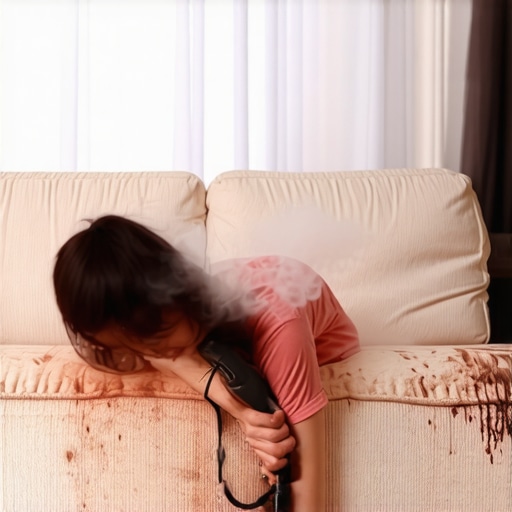
It happened in an instant—one moment, I was casually cleaning my living room when a careless spill of soda turned into a mini flood on my sofa. Panicking, I grabbed the nearest tool I thought would save me: my trusty hairdryer. I thought, “Why not? It’s quick, it’s hot, it’ll dry everything in no time.” Big mistake. Instead of drying, I ended up setting the stain deeper into the fabric, and the moisture caused an unpleasant musty odor. That lightbulb moment taught me a valuable lesson about house cleaning—never use a hairdryer on wet upholstery.
The Faster Isn’t Always Better When It Comes to Water and Fabric
Using a hairdryer on a wet sofa spill might seem like a good idea. It’s fast and seems effective. But I’ve learned that this approach can actually damage your furniture beyond repair. Rapid drying with high heat can cause fibers to shrink, warp, or set stains, leading to long-term harm. Plus, it pushes moisture deeper into the cushion core, promoting mold growth—something no one wants lurking behind their sofa.
Many experienced cleaners recommend air drying or gently blotting the spill with a towel. If you want to go deeper, employing specialized upholstery cleaning techniques is safer, ensuring longevity and maintaining the fabric’s texture. Want to learn the best ways to handle spills without risking your furniture? I’ll guide you through that soon.
Will Using a Hairdryer Save You Time—or Cost You More?
Early in my cleaning journey, I made the mistake of thinking quick fixes were worth it. I saw some videos suggesting heat guns or hairdryers as miracle tools. However, I quickly realized that rushing the drying process often results in stubborn stains, fabric damage, or mold. Trust me, I’ve learned the hard way. For credible advice, experts at [Spotless Carpetz](https://spotlesscarpetz.com/effective-house-cleaning-secrets-from-cleaning-experts) emphasize patience and proper techniques over speed. So ask yourself—have you ever faced the frustration of rushing a dry and regretting it later? If so, keep reading; I’ll share proven methods that actually work.
Step Up Your Cleanup Game: Precise Techniques for Water and Stains
Remember that coffee spill you had on your velvet sofa last month? Rushing to dry it with a hairdryer only made things worse, setting the stain deeper and causing wrinkles. To prevent such mishaps, start with blotting—gently press a clean, absorbent cloth onto the spill to soak up as much liquid as possible. Use a dry, white towel or paper towels, avoiding colored fabrics that might transfer dye. This initial step helps to lift moisture without spreading it further.
Proper Blotting and Drying
Apply firm, consistent pressure to extract water. Do not rub—that pushes the liquid deeper and damages fibers. Think of it like squeezing a sponge: gently press rather than wring. After blotting, allow natural air drying. For delicate fabrics or large surfaces, set up a fan to improve airflow—but avoid direct heat or high-heat devices like hairdryers, which can shrink or warp fibers.
Addressing Stains Without Deepening Damage
Detected a stain? For example, red wine on your wool rug? Instead of jumping to chemical cleaners or vigorous scrubbing, use a targeted approach. Mix a small amount of dish soap with cold water and gently dab onto the stain. Use a clean cloth to lift the stain gradually. Remember, always test your cleaning solution on a hidden corner first to ensure it won’t harm the fabric. Patience is key—aggressive methods often embed stains further or damage the textile.
Use Specialized Cleaning Solutions Sparingly
If the stain persists, escalate carefully: employ specific upholstery cleaners designed for your fabric type. For instance, gentle enzyme-based cleaners work well on organic stains but require proper dilution. Follow manufacturer instructions precisely. Consider applying cleaner with a spray bottle, then blot with a clean cloth. Avoid soaking the fabric completely, as excess moisture encourages mold and warping—this is especially critical in move-out cleans to avoid deductions related to damage.
Deep Cleaning Upholstery Safely
For a thorough cleanse, harness equipment that offers controlled humidity and temperature. Cold steam cleaners, for example, can loosen dirt without over-wetting. When handling stubborn spots, pre-treat with appropriate solutions, then use a low-moisture extraction method. After cleaning, ventilate the space until the fabric is thoroughly dry to prevent mildew growth.
Timing and Drying Techniques
Remember my mistake with the hairdryer? Instead, set up good ventilation and allow natural drying. Open windows, turn on fans, and if possible, use dehumidifiers. It may take several hours but ensures fibers retain their integrity and your furniture stays odor-free. Patience here pays off, especially during move-out cleaning, where the goal is a pristine look without damage or odor retention.
Consistent Maintenance Stops Future Problems
Regular upkeep of upholstery with light vacuuming and prompt spill management can significantly extend the lifespan. Use the upholstery’s specific cleaning tips found here. Keeping on top of minor incidents prevents the need for aggressive scrubbing or deep cleaning sessions that risk damage and can affect your security deposit return.
Many homeowners operate under misconceptions that can undermine effective cleaning practices. For example, a widespread myth is that aggressive scrubbing always leads to cleaner surfaces. In reality, excessive scrubbing can damage delicate fabrics like upholstery and scratch surfaces, making stains harder to remove and reducing the lifespan of furnishings. Instead, gentle techniques combined with the right cleaning agents are recommended for optimal results. Additionally, some believe that using standard disinfectants on porous surfaces like upholstery guarantees germ elimination. However, scientific studies, such as those found in the Journal of Hospital Infection, highlight that disinfectants often do not penetrate porous textiles effectively, necessitating specialized cleaning protocols to truly sanitize these materials. Another nuanced mistake is the assumption that move-out cleaning is solely about superficial tidying. In fact, thorough deep cleaning—including targeting hidden dust traps and mold-prone areas—is critical to securing full security deposit refunds and maintaining a healthy environment. Advanced homeowners also often overlook the importance of fabric-specific cleaning methods, especially for delicate upholstery like velvet or silk, which can be permanently damaged by improper cleaning agents or techniques. For upholstered furniture, employing steam cleaners designed for delicate textiles or dry-foam methods may be more effective and safer than traditional wet methods. Remember, adopting a nuanced understanding of cleaning tools, technologies, and material sensitivities leads to better long-term maintenance. Want to elevate your cleaning standards? I encourage you to explore expert tips at this resource or reach out for personalized advice through contact us. Have you ever fallen into this trap? Let me know in the comments.
Investing in the Right Equipment for Lasting Results
When it comes to maintaining a pristine home, having the right tools at your disposal is crucial. I personally swear by a high-quality HEPA-filter vacuum like the Dyson V15 Detect because its advanced filtration system traps microscopic dust and allergens, keeping indoor air healthier—especially vital during allergies season. For upholstery, I rely on the Bissell SteamShot because its handheld design and adjustable steam control allow me to target stubborn spots without over-wetting delicate fabrics. These tools aren’t just gadgets—they’re investments in the longevity of your furnishings and overall cleanliness.
Optimizing Your Cleaning Routine for Long-Term Benefits
Beyond tools, establishing a disciplined routine ensures your home stays spotless over time. Schedule weekly vacuuming with a brushless model that minimizes fiber damage and daily quick wipe-downs of surfaces prevent the buildup of grime. Regularly replacing filters and brushes, as recommended by cleaning experts, guarantees optimal performance and prevents dust recirculation. Consistency is key—think of it as preventive maintenance that saves you hours of deep cleaning later.
Making Use of Technological Aids to Simplify Maintenance
Smart cleaning devices are transforming home upkeep. For example, robotic vacuums like the iRobot Roomba i7+ adapt to your home’s layout, automatically emptying their dust bins and maintaining high suction power. I’ve found that integrating these gadgets into my routine reduces daily effort and ensures no nook is left unnoticed. These devices, paired with scheduling apps, make cleaning more efficient, letting you focus on other priorities while your home stays consistently tidy. As technology advances, expect even smarter solutions that can detect areas needing extra attention, like improved dust detection capabilities.
How do I keep my tools working effectively over time?
Maintaining your cleaning equipment is essential to long-term performance. Regularly inspecting vacuum filters and replacing them as needed prevents loss of suction. For steam cleaners, descaling every few months using manufacturer-recommended solutions prevents mineral buildup that can impair effectiveness. Cleaning brushes and nozzles after each use ensures no residual dirt hampers future tasks. I suggest setting reminders—using digital calendars or apps—to perform these maintenance steps at regular intervals, extending the lifespan of your tools and ensuring they operate at peak efficiency.
Predicting Where Cleaning Tech Is Heading
Future innovations are poised to make home maintenance even smarter. Expect more AI-powered sensors capable of identifying dust, mold, or pet hair autonomously, alerting you via smartphone. Enhanced connectivity among devices will facilitate seamless coordination, making comprehensive cleaning a matter of pressing a button or speaking a command. Staying ahead means embracing these advancements early—so why not try integrating a robotic vacuum with your existing routine today?
Uncovering the Hidden Lessons Behind Effective Cleaning
- One of the toughest lessons I learned was that rushing to dry wet upholstery with a hairdryer can cause irreversible damage. Patience and proper techniques trump speed every time.
- Misconceptions, like believing that aggressive scrubbing always leads to cleaner surfaces, can actually harm delicate fabrics. Gentle, targeted cleaning yields better results.
- Trusting the wrong tools, such as using standard household cleaners on specialized fabrics, often results in lingering stains or fabric deterioration. Educating myself on fabric-specific solutions made all the difference.
- Overlooking regular maintenance creates bigger problems down the line. Quick weekly routines prevent stubborn stains and extend furniture life more effectively than infrequent deep cleans.
My Favorite Resources for Keeping upholstery flawless
- Expert cleaning secrets have transformed my routine, emphasizing patience and the right techniques for long-term results.
- The upholstery cleaning tips guide provided tailored advice for different fabric types, ensuring I don’t inadvertently cause damage.
- Investing in quality tools like a HEPA-filter vacuum and gentle steam cleaners from trusted brands has helped me maintain a healthy, dirt-free home environment.
- Following trustworthy blogs such as dust trap elimination tricks has kept allergies at bay and prolonged the life of my furnishings.
Empower Your Home Cleaning Journey Today
Taking control of your upholstery and house cleaning practices can feel daunting at first, but with a thoughtful approach and patience, you’ll see remarkable improvements. Remember, the goal isn’t just immediate cleanliness but sustainable, damage-free results that last. So, why not start integrating these insider tips into your routine today? Your home—and your health—will thank you.
Have you ever faced a cleaning challenge that taught you an unexpected lesson? Share your story below—I’d love to hear about your experiences and insights.