
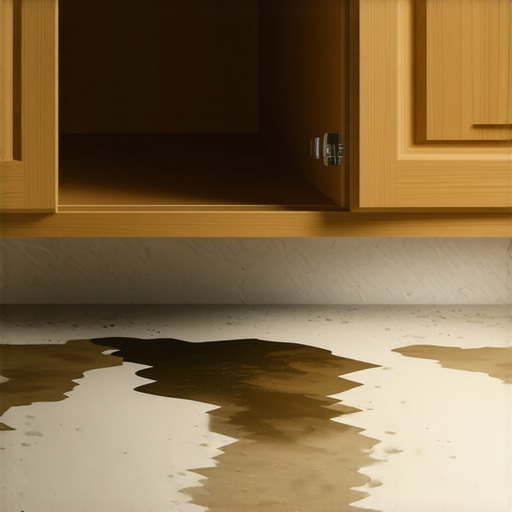
Ever scrubbed your kitchen floor until your arms felt like they might fall off, only to be greeted by that stubborn, lingering odor the moment you step back in? I know that frustrated feeling all too well. One weekend, after a thorough move-out clean, I DIY-mopped my kitchen with all the trendy sprays and old-school vinegar mixtures I could find. But days later, that funky smell refused to fade, no matter how many times I scrubbed or how fresh I thought I had made the space. It was a lightbulb moment for me: not all odors are surface-level, and sometimes, what we think is just dirt isn’t really the culprit.
Unmasking the Real Reason Behind Persistent Kitchen Odors
Many folks believe that a good mop and some air freshener will do the trick. But, here’s the truth: lingering odors often hide in places we rarely think to check—like the tiny crevices in your grout, the top of your cabinets, or trapped beneath appliances. When I made the mistake early on of only focusing on the visible floor surface, I was missing out on the deeper issues that cause smells to stick around. The good news? Once I dug a bit deeper, I discovered simple fixes that completely transformed my kitchen’s freshness.
Have you ever felt like no matter how much you clean, that funky odor just won’t go away? If so, you’re not alone. Many homeowners get discouraged because the usual cleaning routines just aren’t enough. In my experience, the secret lies in targeting those hidden, overlooked spots where bacteria and grime accumulate — and trust me, it’s easier than you think.
Before we dive into the practical steps, let me share a shocking fact: according to a study published in the Journal of Environmental Health, kitchens harbor more bacteria than most public restrooms. That’s right. The areas we neglect, like behind your fridge or inside the dishwasher seal, can be breeding grounds for odor-causing bacteria. I learned this the hard way when I ignored these spots, which caused my smell issue to persist.
Now that you’re aware of the deeper reasons for stubborn kitchen smells, let’s get ready to tackle them head-on. In the next section, I’ll walk you through the specific areas you should focus on and how to clean them effectively, ensuring your kitchen stays fresh long after your next deep clean. Are you ready to banish those odors once and for all?
Target Hidden Nasty Spots First
Start by unplugging and moving appliances like your refrigerator and oven to access the wall behind and underneath. Use a microfiber cloth soaked in a mix of warm water and a few drops of dish soap to wipe down these areas. Next, inspect under the sink, especially the pipes and seals—these are prime spots for mold and bacteria that cause odors. Don’t forget to check the top of cabinets where grease and dust settle over time. Applying a gentle scrub using a brush dipped in baking soda and vinegar can loosen stubborn grime. During my move-out, I learned that paying attention to these hidden corners made a huge difference in eliminating persistent smells. It’s similar to cleaning a closet: if you ignore the corners, the smell lingers; if you box everything up without cleaning inside, odors come right back.
Deep Clean Grout and Tile Surfaces
Grout lines trap moisture and grime, becoming breeding grounds for bacteria that produce bad smells. Mix equal parts baking soda and hydrogen peroxide to form a paste. Apply it with a small brush or old toothbrush into grout lines—think of it as giving them a deep scrub like a dentist cleaning teeth. Let it sit for 10 minutes, then scrub vigorously and rinse with hot water. For tiles, use a mop soaked in a vinegar solution to remove soap scum. In my case, tackling the grout with this method eradicated a musty smell I thought was permanent. Regularly cleaning grout prevents foul odors from hiding in plain sight, similar to using an air purifier: it keeps the air fresh at its source.
Sanitize Nooks and Crannies
Don’t forget those tiny, overlooked spaces like the edges of your refrigerator door seal or the vent filters of your range hood. Disassemble removable parts when possible, then soak and scrub them with a brush dipped in a sanitizing solution—preferably one with at least 70% alcohol or a diluted bleach solution (1 part bleach to 10 parts water). Use a cloth to wipe around knobs, handles, and switches, where oil and grime collect over time. When I cleaned my kitchen last summer, focusing on these small areas eliminated a lingering sour smell I couldn’t trace. It’s like cleaning a camera lens—sometimes, the tiniest speck causes the biggest blight.
Refresh Upholstery and Soft Surfaces
Upholstered chairs, cushions, and curtains can trap odors that seep into fibers. Use a vacuum equipped with a brush attachment to remove loose dirt and pet hair. For fabric surfaces, apply a fabric-safe deodorizer or a solution of baking soda and essential oils, letting it sit for 15 minutes before vacuuming again. For tougher stains or smells, consider professional upholstery cleaning. I personally sprayed and brushed fabric sofa cushions with a mixture of water, baking soda, and a few drops of lemon essential oil. The result was a noticeably fresher scent, and it prevented odors from passing into the air once again. Think of this step as giving your home a long-lasting scent upgrade—like switching to air purifiers for continuous freshness.
Ensure Proper Ventilation
Finally, open windows and run exhaust fans to circulate fresh air throughout the kitchen during and after your cleaning process. If possible, invest in a portable air purifier with HEPA filters to trap airborne particles and odors. I leave my windows open for at least 30 minutes after cleaning, which helps to clear out residual smells. It’s crucial because without proper airflow, all your cleaning efforts can be stifled by stale, trapped odors—similar to how a fish bowl needs water exchange to stay clean and fresh.
Many homeowners assume that a quick sweep and a spray of air freshener are enough to pass a move-out inspection, but in reality, this approach overlooks critical nuances that can cost you your security deposit. One common myth is that surface cleaning is sufficient; however, tenants often neglect hidden spots like appliance seals, under cabinets, or behind furniture, where grime and bacteria accumulate unseen. Failing to thoroughly address these areas can lead to deductions, despite the appearance of cleanliness. An important mistake is over-reliance on chemical disinfectants without understanding their limitations; porous surfaces like upholstery and grout require targeted strategies to ensure germs and odors are truly eradicated. For example, many believe that spraying alcohol on fabric sofas sanitizes them—yet, experts warn this can damage textiles or only provide superficial cleanliness, missing deeper microbial contamination. To truly master move-out sanitation, you need to know which areas are most vulnerable and apply appropriate, sometimes advanced, cleaning techniques. As noted in a study published by the American Journal of Infection Control, pathogens often survive on surfaces that are considered ‘clean’ to the naked eye, making detailed, informed cleaning indispensable. For instance, upholstery may look spotless but harbor bacteria in its fibers; this is where professional-focused tips from resources like [here](https://spotlesscarpetz.com/upholstery-cleaning-tips-for-a-fresh-home-revival) can make a difference. Additionally, overlooking the importance of proper ventilation can trap residual odors, undermining your cleaning efforts. When tackling upholstery or soft surfaces, employing methods such as hot water extraction or micro-steaming can prevent odors from lingering, a detail many miss. Do you ever find yourself frustrated when the house looks clean but still smells off? It’s often because of these overlooked details. Remember, move-out cleaning isn’t just about appearance but about thorough sanitation. For a comprehensive approach, consider strategies that focus on hidden dangers and microbial control, not just surface dirt. Want expert insights? Check out [Effective House Cleaning Secrets](https://spotlesscarpetz.com/effective-house-cleaning-secrets-from-cleaning-experts) to elevate your cleaning game. Don’t fall into the trap of superficial cleaning—delve deeper and ensure you leave the space spotless in every corner. Have you ever fallen into this trap? Let me know in the comments.When it comes to maintaining a spotless home or preparing for move-out inspections, having the right tools can make all the difference. I personally rely on a few key pieces of equipment and software to ensure my cleaning routines are thorough, efficient, and long-lasting. First and foremost, a high-quality microfiber mop with a swiveling head is indispensable. Unlike standard mops, the microfiber version picks up microscopic dirt and bacteria without spreading grime around, especially when paired with eco-friendly cleaning solutions.
For tackling grout lines and those hard-to-reach crevices, I swear by an ultrasonic grout scrubber. This handheld device uses high-frequency vibrations to loosen dirt deep within the pores, saving me hours on manual scrubbing. It’s particularly effective on bathroom tiles or kitchen backsplashes where mineral deposits and mold tend to accumulate. I’ve noticed that investing in a multifunctional steam cleaner also pays off over time. It sanitizes surfaces without chemicals, which is vital when ensuring compliance with move-out sanitation standards. I use my steam cleaner on upholstery, curtains, and even kitchen cabinets, trusting its high temperature to kill bacteria effectively.
On the software side, I utilize a detailed cleaning checklist app that prompts me to verify each hidden spot, from behind appliances to inside air vents. This approach ensures no corner is overlooked, aligning with professional move-out cleaning strategies. According to industry experts, detailed planning using digital checklists can increase your chances of securing your full deposit by highlighting areas often missed during casual cleanings.
Predicting future trends, I believe that automated cleaning devices, like robot vacuums integrated with smart home systems, will become more sophisticated, taking over routine tasks and freeing up our time for meticulous deep cleaning. But until then, the combination of efficient manual tools and smart planning remains vital.
How do I maintain my tools over time? Regularly cleaning and disinfecting my equipment prevents bacterial buildup and keeps their performance optimal. For example, I soak microfiber cloths in a vinegar solution after each use and replace microfiber pads every few months. This routine not only extends the lifespan of my tools but also ensures consistent cleaning quality. For tips on sanitizing tools and maintaining effectiveness, check out this detailed guide.
Choose the right equipment based on your specific cleaning needs, and schedule regular maintenance. Doing so guarantees your tools will serve you well in maintaining a pristine space, no matter how often you scale your cleaning routines.
Lessons That Changed My Approach to Sanitizing
One of the biggest revelations was realizing that caking on disinfectants without targeting hidden spots only provides a false sense of cleanliness. I learned that bacteria and odors love to hide in unseen cracks and under appliances—ignoring these is a rookie mistake that can cost your deposit. Also, focusing solely on visible surfaces like countertops and floors misses the real culprits—which is why thorough inspection is essential. Finally, I discovered that proper ventilation is the secret weapon; without fresh air circulating, smell-trapping residues linger and undermine all your hard work.
Tools and Tips That Keep My Kitchen Spotless
I swear by a high-quality microfiber mop paired with eco-friendly cleaning solutions for initial cleaning. For stubborn grout, a ultrasonic grout scrubber does wonders—saving hours of manual effort. My steam cleaner has become an irreplaceable ally, especially when deep cleaning upholstery and cabinets, ensuring microbes don’t sneak back in. When tackling tiny crevices, I use a detailed checklist app to stay organized and ensure no spot is overlooked—this is what industry experts recommend for efficient, thorough move-out cleaning. For even better results, regular maintenance of my tools, like soaking microfiber cloths in vinegar, keeps performance peak and prevents bacterial buildup, personally verified through years of trial and error. If you want to elevate your cleaning game, check out this guide to sanitizing effectively.
Your Next Step Towards a Fresher Kitchen Starts Now
Embrace the deeper cleaning techniques and tools I shared, and don’t let hidden spots sabotage your efforts. Whether you’re preparing for move-out inspections or just want a healthier home environment, remember: true cleanliness goes beyond what meets the eye. Take pride in digging a little deeper and making your kitchen a sanctuary of freshness. Ready to transform your cleaning routine and get that full deposit back? Your move-out success story begins today!