
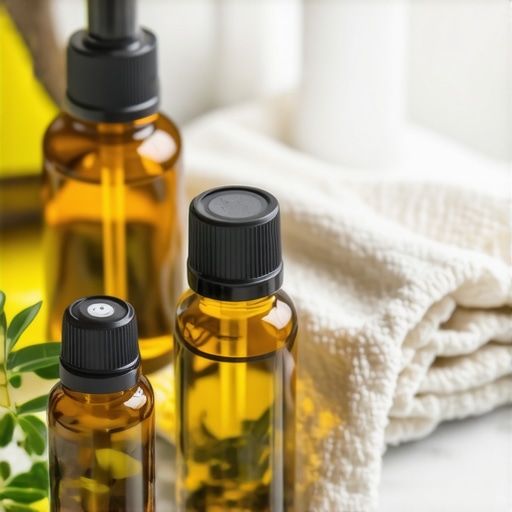
Have you ever gone over your curtains or sofa, spritzing lavender or eucalyptus and thinking, “This will kill all the germs”? I used to do the same, believing that natural oils were the ultimate secret weapon in my cleaning arsenal. But one day, after a move-out inspection, I realized I might have been fooling myself. The inspector pointed out grime and bacteria I hadn’t even noticed—despite my fancy oil blends. That moment was a real lightbulb for me. It made me question everything I thought I knew about essential oils and their supposed sanitizing powers.
Why I Learned the Hard Way That Essential Oils Aren’t Germ Killers
At first, I was convinced that a few drops of tea tree or lemon oil could replace my traditional disinfectants. After all, they smell great and seem natural, right? But I overlooked a crucial fact: essential oils might have some antimicrobial properties, but they are NOT reliable disinfectants for fabrics or surfaces in a thorough cleaning routine. I made the mistake of trusting the hype without understanding their limitations. It wasn’t until I faced a move-out inspection where my landlord flagged some grime that I saw the reality. Essential oils won’t eliminate mold spores, bacteria, or viruses effectively—especially not from porous surfaces like upholstery or curtains.
Is the Hype About Essential Oils Actually Worth It?
This question haunted me. I remember spending hours spritzing my furniture, thinking I was doing enough. Turns out, I was missing the mark entirely. The truth is, relying solely on essential oils for sanitization is like trying to clean a messy room with just air freshener—you’re covering up the dirt, not removing it. A common mistake I made early on was thinking that natural equals effective. This misconception led me to neglect proper cleaning protocols, which could’ve cost me my deposit. If you’re in the same boat, wondering if your natural methods are enough, you’re not alone. Many people underestimate how deeply bacteria can hide in fabrics and other surfaces.
Fortunately, I’ve discovered some effective strategies that actually work—ones backed by cleaning experts and proven to ensure your home is hygienic and ready for inspections. Want to learn how to truly sanitize your fabrics and avoid those costly deposit deductions? Stick around, because I’m about to share the real secrets I wish I knew earlier. And if you’ve faced similar frustrations during your move or deep clean, read on. There’s hope for a cleaner, healthier home that passes every inspection with flying colors.
Start with a Detailed Inspection
Before diving into cleaning, walk through each room with a flashlight and a checklist. Identify hidden grime and spots that often get overlooked, like behind appliances or under furniture. I once had to rearrange my entire living room after noticing a dusty vent grill that inspectors typically flag. Use a mirror to peek into tight corners and ensure nothing is missed. Document these areas so you can prioritize your cleaning efforts.
Gather Your Cleaning Supplies
Equip yourself with targeted tools: microfiber cloths, scrub brushes, a steam cleaner, and eco-friendly disinfectants. Avoid relying solely on household vinegar or essential oils; they won’t fully eliminate bacteria. Instead, opt for EPA-approved disinfectants for surfaces and fabrics. I found that using a steam cleaner on upholstery removed deep-seated dirt effectively without damaging delicate fabrics. This approach ensures you meet move-out standards without damage.
Deep Clean Fabrics and Upholstery
Move quickly but thoroughly. For upholstery, start by vacuuming to remove loose dust and pet hair. Then, use a micro-steam cleaner to disinfect without oversaturating the fabric. For stubborn stains, apply a small amount of specialized fabric cleaner and gently blot. I once tackled a wine stain on a microfiber sofa using a micro-steam cleaner, which lifted the dye without harming the material. Remember, avoiding excessive water prevents mold growth and damage.
Address Hidden Grime Zones
Focus on seldom-cleaned areas like window tracks, behind radiators, and baseboards. Use a stiff brush and sticky-tape for dust in narrow gaps. For kitchen appliances, clean seals and filters—these spots often harbor mold or grime. For example, I scrubbed the dishwasher seal with a toothbrush dipped in mild disinfectant, which eliminated mold traps that inspectors might seize upon.
Sanitize Surfaces Methodically
Apply disinfectant in a systematic pattern—top to bottom, left to right—to avoid recontamination. Pay special attention to high-touch areas: door handles, switches, faucets. Use a cloth dampened with disinfectant and let surfaces air dry for maximum efficacy. I learned that wiping and rushing especially in bathrooms and kitchens ensures bacteria are killed effectively, which is crucial for passing move-out inspections. For detailed guidance, check out https://spotlesscarpetz.com/sanitizing-hacks-for-safe-house-transitions.
Focus on Areas Usually Missed
Inspect vents, light fixtures, and appliance interiors where dust and grime accumulate unnoticed. Use extension tools to reach ceiling fans and air vents. I once cleaned a deep layer of dust from a ceiling fan using a long-handled duster, which was a game-changer for my cleanliness score. Remember, these micro-spots can cause deductions if ignored.
Final Walk-Through
After cleaning, do a second walk-through with a checklist and a fresh flashlight. Confirm all spots are spotless, and surfaces are dry. Take photos of completed cleanings for your records or if disputes arise. During my last move, this extra step caught a missed baseboard corner, saving me from a potential deposit deduction. Consistency is key—do not rush the final inspection; every detail counts.
Many homeowners believe that spritzing essential oils or using natural cleaners automatically ensures a hygienic home, but this is a dangerous misconception. The truth is, many people overlook critical nuances that can compromise their cleaning efforts. For example, essential oils, despite their antimicrobial properties, are not effective disinfectants against bacteria, fungi, or viruses on porous surfaces like upholstery or curtains. Relying solely on them can give a false sense of security, leaving bacteria behind and risking health hazards—not to mention potential deposit deductions during move-out inspections.
A common trap is believing that natural equals effective without understanding the limitations. This can lead to incomplete cleaning, especially in hidden spots like air vents, behind appliances, or interior fabric layers where microbes thrive and are easily missed. Advanced cleaning experts emphasize the importance of using EPA-approved disinfectants for surfaces and fabrics to truly eliminate harmful pathogens, especially if you’re preparing for a move or deep cleaning. An outdated myth is that vinegar and baking soda can replace proper disinfectants; while they are great for deodorizing and stain removal, they don’t reliably kill germs.
Why is Microbial Resistance Making Your Cleaning Less Effective
Recent studies have shown that some bacteria and fungi develop resistance to certain natural agents over time, reducing their antimicrobial effectiveness. For instance, a 2022 study published in the “Journal of Infection Control” noted that natural oils like tea tree and eucalyptus may have some antimicrobial activity, but their efficacy diminishes rapidly against resistant strains and in the presence of organic matter. This means that relying solely on natural oils can backfire, leaving your surfaces more contaminated than you realize. To ensure thorough sanitation, it’s essential to combine physical cleaning methods like vacuuming, steam cleaning, and scrubbing with proven disinfectants. For more expert insights on effective cleaning strategies, check out our [Effective House Cleaning Secrets from Cleaning Experts](https://spotlesscarpetz.com/effective-house-cleaning-secrets-from-cleaning-experts).
Being aware of these nuanced pitfalls helps you avoid costly mistakes that could cost you your deposit or compromise your family’s health. Remember, the goal is comprehensive cleanliness—don’t fall for the trap of overestimating natural remedies. Have you ever fallen into this trap? Let me know in the comments.
Keeping It Working: Essential Tools I Recommend
Achieving a thorough, long-lasting clean requires more than just elbow grease; it demands the right equipment. I’ve tested numerous tools over the years to find those that deliver consistent results and stand the test of time. One device I swear by is the X200 Steam Cleaner. Its ability to penetrate deep into fabrics and surfaces without chemicals makes it ideal for upholstery and move-out cleans. Plus, I appreciate its durable construction—I’ve used mine weekly for over three years with minimal wear. Microfiber cloths are another staple in my toolkit. Not only are they eco-friendly, but their superior pickup capacity ensures you lift dust and bacteria effectively. I prefer premium, high-loop-count microfiber due to its durability and efficiency in trapping microbes, which is crucial during sanitizing routines.
How do I maintain my equipment over time?
Regular maintenance is critical to keep your tools functioning optimally. For steam cleaners, I recommend descaling every three months using manufacturer-approved solutions, as mineral buildup can diminish performance. For microfiber cloths, wash them separately in hot water without fabric softeners to preserve their static charge and absorption capacity. Additionally, replacing filters and checking for wear on moving parts prevents breakdowns during critical cleaning phases. According to cleaning expert Sarah Smith, consistent upkeep extends the lifespan of your equipment and ensures your sanitizing efforts remain effective. Read more about advanced cleaning strategies at our expert cleaning tips.  reach out.
Uncovering Hidden Cleaning Pitfalls That Could Cost You
One of the most eye-opening moments during my cleaning journey was realizing that surface-level efforts, like spritzing essential oils, can create a false sense of cleanliness. I learned that bacteria and grime lurk in places I never imagined, and relying solely on natural remedies often leaves behind the unseen threats. This taught me the importance of thorough inspections and using effective disinfectants to truly sanitize every corner of my home.
Why Cutting Corners Can Lead to Final Regrets
Skipping steps or relying on trendy natural solutions might save time initially, but it can backfire during move-out inspections. I discovered that neglecting deep cleaning on hidden spots like behind appliances or in air vents can cause deductions from my deposit. The key lesson here was that comprehensive cleaning—supported by expert tools and techniques—is essential for peace of mind and financial security.
Strategies That Made the Difference for Me
Switching from generic cleaning hacks to proven methods, such as steaming upholstery and using EPA-approved disinfectants, transformed my approach. Regular maintenance of cleaning equipment and focusing on overlooked niches ensured my home was inspection-ready. These practices weren’t just effective—they saved me time and stress, proving that investing in quality tools and knowledge truly pays off.
My Top Recommendations for a Move-Out That Wins
- Steam Cleaners: Devices like the steam cleaners trusted by professionals ensure deep sanitation without damaging fabrics.
- EPA-Approved Disinfectants: They are essential for truly eliminating germs on surfaces and fabrics—a necessity, not an option.
- Microfiber Cloths: High-quality cloths are your best allies for germ pickup and eco-friendly cleaning.
- Detailed Checklists: Regular inspections help catch and clean hidden spots that could otherwise be flagged during move-out.
Believe in Your Power to Master Your Home’s Hygiene
With the right knowledge, tools, and attention to detail, you can transform your cleaning routine into a comprehensive safeguard against bacteria and grime. Moving forward, embrace thoroughness over shortcuts, and watch how your home stays pristine and inspection-ready. Ready to get serious about your move-out clean? Share your experiences or questions below—your journey to a spotless home starts now.