
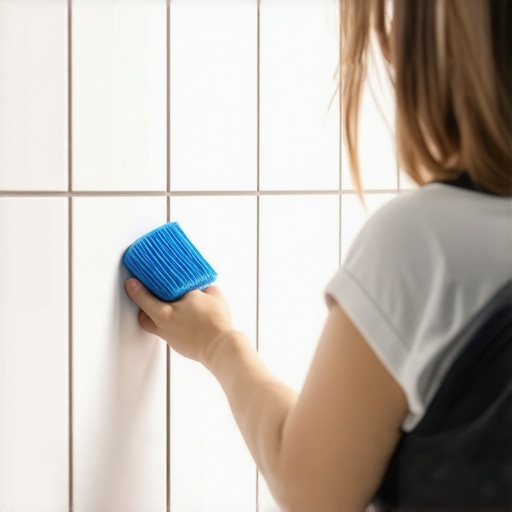
I remember the moment vividly. I was tackling my bathroom grout with my trusty old brush, scrubbing tirelessly, convinced I was finally getting rid of that stubborn grime. But as I stepped back to admire my work, the tiles still looked dull and stained—they hadn’t improved at all. Frustrated, I realized I had fallen into a common trap that many homeowners unknowingly set for themselves. That lightbulb moment made me ask: Could I have been doing it all wrong?
Why Your Scrubbing Might Be Making Things Worse
Many of us believe that the harder we scrub, the cleaner our bathroom will look. But here’s the truth: using the wrong grout brush technique or choosing the wrong tools can actually leave your grout looking worse, even after scrubbing. I learned this the hard way early on. I also discovered that some so-called ‘effective’ brushes are designed more for convenience than for deep cleaning, which can leave behind lingering dirt and soap scum, making your bathroom appear dirtier than before.
Research shows that improper cleaning tools can spread bacteria and grime deeper into the grout lines, rather than removing it (source: [SpotlessCarpetz](https://spotlesscarpetz.com/effective-house-cleaning-secrets-from-cleaning-experts)). This realization was a game-changer for me, and it’s why I want to share the crucial mistake I made so you can avoid it.
Are you tired of scrubbing with little to no results? Do you feel your bathroom never seems to stay truly clean, no matter how much effort you put in? If so, keep reading—I’ve got some simple, effective tips that can dramatically improve your cleaning routine and leave your grout looking fresh and spotless.
Now, let’s dive into what exactly went wrong and how you can fix it once and for all.
Pick the Right Tools and Prepare Your Workspace
Start by selecting a stiff-bristled grout brush designed for deep cleaning—avoid flimsy options that only scratch the surface. Before you tackle the stains, clear the area and gather supplies like baking soda, vinegar, and a spray bottle. I once spent hours trying to clean a heavily stained grout with a soft brush, only to realize I needed the right tool for the job, which made all the difference.
Apply the Cleaning Solution Strategically
Mix a paste of baking soda and water, then spread it generously over the grout lines, focusing on the stained sections. Let it sit for 10-15 minutes to loosen dirt. I remember applying this on a particularly grimy corner of my bathroom; the paste turned gray as it absorbed grime, indicating it was working. Similarly, spraying a solution of equal parts vinegar and water can help break down soap scum and mineral deposits, making scrubbing more effective.
Master the Scrubbing Technique for Maximum Effectiveness
Use firm, vertical strokes with your brush, applying consistent pressure. Think of it like sanding wood—gentle enough to remove grime but firm enough to scrub away residues. I once tried a circular motion, which only smeared the dirt around; switching to vertical strokes cleaned the grout more thoroughly. Remember, don’t rush—short, deliberate scrubs yield better results than frantic, ineffective motions.
Use Proper Rinsing and Wiping to Prevent Residue Buildup
After scrubbing, rinse the area with clean water to wash away loosened dirt and cleaning residue. Use a microfiber cloth to wipe the tiles and grout lines dry, preventing soap scum from re-depositing. During my last cleaning session, I realized leftover residue gave the grout a dull appearance, so thorough rinsing made my tiles shine like new. For stubborn stains, a second round of applying the baking soda paste followed by scrubbing can help lift deeper grime.
Maintain Cleanliness with Routine Upkeep
Schedule regular light cleanings—once every two weeks—to prevent dirt from embedding into the grout. Keep a small brush handy in your cleaning arsenal, much like I keep a mini brush in my bathroom cabinet for quick touch-ups. This habit ensures long-term freshness and saves effort during deep cleans.
Enhance Your Cleaning Arsenal with the Right Products
Invest in a grout pen or stain remover designed specifically for tiles, which can restore color and seal grout lines. I once used a commercial grout stain that transformed dull, stained grout into a uniform, bright white. For ongoing maintenance, consider sealing grout lines once a year to repel stains and moisture, significantly reducing future scrubbing efforts.
Keep Learning and Improving Your Technique
Every bathroom is different, and experimenting with these methods will help you find what works best for your space. If you encounter persistent issues, visiting reliable sources like professional cleaning insights can provide additional strategies. Remember, patience and proper technique are key to achieving pristine grout that elevates your entire bathroom appearance.
 Many homeowners believe that spraying disinfectant liberally or using harsh chemicals guarantees a truly sanitized space. However, in my experience as a cleaning expert, this approach often creates a false sense of security. For instance, oversaturating surfaces with disinfectants might leave residues that attract more dirt, or worse, contribute to chemical buildup that can be harmful over time. Most people overlook that effective sanitization requires a nuanced understanding of surface porosity and pathogen hotspots — not just spraying and wiping. One common myth is that equal application of chemicals on all surfaces is best; in reality, delicate fabrics like upholstery need gentler, targeted methods to avoid damage and ensure cleanliness. An advanced mistake homeowners make is neglecting hidden areas where bacteria thrive, such as vents, behind appliances, or within grout lines. Ignoring these can nullify superficial cleaning efforts.
Why do many sanitizing methods fall short in getting rid of hidden germs?
We tend to focus on visible surfaces, but pathogens often prefer unseen hiding spots—deep within upholstery fibers, beneath baseboards, or inside ventilation ducts. According to a study by the Institute of Inspection, Cleaning, and Restoration Certification (IICRC), proper sanitation involves not only surface wiping but also targeted deep cleaning of these neglected areas. Using inadequate equipment or applying disinfectants without pre-cleaning can trap grime and bacteria, making your efforts less effective. It’s a common trap to believe that sanitizing spray alone suffices, but failure to remove organic matter beforehand can lead to ineffective disinfectant action. For example, a simple surface spray won’t reach bacteria embedded in fabric fibers unless you follow up with specialized cleaning techniques—like steaming upholstery safely, which I cover in my upholstery cleaning tips for a fresh home revival. Understanding these nuances ensures you don’t fall into the trap of superficial cleaning, which is a key to truly healthy living spaces. If you’d like more advanced strategies for sanitizing your entire home, including tricky spots, check out effective house cleaning secrets shared by cleaning experts.
Have you ever fallen into this trap? Let me know in the comments. Proper knowledge and targeted techniques make all the difference in keeping your home genuinely clean and safe.Maintaining a clean and sanitized home over time requires more than just quick fixes. Investing in the right tools and establishing effective routines can make all the difference in preserving your home’s condition and ensuring your efforts pay off long term. A key component of this approach is selecting equipment that balances durability, efficiency, and ease of use. For example, I rely heavily on a high-quality steam cleaner, such as the Dupray ONE Plus, which I personally use for upholstery and hard surfaces. Its variable steam control allows me to tackle delicate fabrics and stubborn stains without risking damage, and its large water tank means fewer refills during sessions. This versatility enables me to handle multiple cleaning tasks with a single device, saving money and conserving space. Moreover, I recommend keeping a professional-grade microfiber mop head on hand—these microfiber cloths are excellent at trapping dust and microbes without spreading particles around, unlike traditional cotton mops. Regular replacement of such accessories ensures optimal performance and hygiene.
Looking ahead, I believe that the future of home maintenance tools will emphasize connectivity and automation. Smart sensors that can monitor humidity levels, detect mold growth, or signal when filters need changing will become standard. Integrating these smart tools into your routine can alert you before issues escalate, saving time and money. Expect continued evolution in eco-friendly cleaning supplies and devices that harness AI for predictive maintenance, ensuring your home stays spotless with minimal manual effort.
How do I keep my equipment functioning long-term? To get the most out of your tools, establish a routine of thorough cleaning and maintenance according to manufacturer guidelines. For example, regularly descaling your steam cleaner or replacing worn brushes prevents buildup and mechanical issues. Also, store tools properly—avoid damp areas that can promote rust or mold—and inspect them periodically for signs of wear. Pair your equipment with effective cleaning solutions; for upholstery, I find that using a manufacturer-recommended pH-neutral cleaner extends the lifespan of fabrics and prevents staining. For move-out cleaning, investing in a steam cleaner that integrates with your scheduling can streamline the process while maintaining high standards. To discover more expert-approved cleaning methods and tools, check out professional cleaning secrets. Remember, keeping your tools in top condition is an investment that directly supports long-term results and peace of mind. Don’t hesitate—try incorporating a high-quality steam cleaner into your routine and observe how it transforms your cleaning effectiveness.
Lessons Learned from the Dirty Truth About Deep Cleaning
One of the most eye-opening realizations in my cleaning journey was understanding that more force doesn’t mean better results; sometimes, gentle but strategic scrubbing is far more effective. I also discovered that investing in quality tools, like a sturdy grout brush, can make or break your cleaning success—cutting down time and boosting efficiency. Additionally, I learned that routine maintenance, rather than sporadic deep cleans, helps prevent stubborn grime buildup, saving you from frustration in the long run. Lastly, I realized that understanding the specific materials and surfaces you’re cleaning guides you toward choices that protect your home while keeping it spotless.
My Go-To Secrets for Home Sanitation and How You Can Use Them
Trusted guides like professional cleaning secrets have been invaluable. I swear by a combination of natural solutions like baking soda and vinegar, coupled with tools like microfiber cloths and steam cleaners, which I personally find effective for various surfaces. For areas prone to mold or deep stains, I recommend specific stain removers and sealants, ensuring long-lasting cleanliness. These tools and tricks are what keep my home hygienic without the overwhelming use of harsh chemicals, all while maintaining a budget-friendly approach. Incorporating these trusted resources ensures you’re not just cleaning—you’re transforming your space into a healthier haven.
Your Next Move to a Cleaner, Safer Home Starts Today
Remember, the key to truly effective cleaning lies in patience, proper technique, and investing in the right tools. Don’t wait for stubborn stains or grime to take over—take charge now. Your dedication to refining your cleaning practices will not only save you time and effort but also create a more welcoming, healthy environment for you and your loved ones. Ready to turn your home into the sanctuary you’ve always wanted? Start today, and watch the transformation unfold. And I’d love to hear—what’s the one cleaning challenge you’re eager to conquer next? Share below and let’s support each other in achieving spotless spaces!
,