
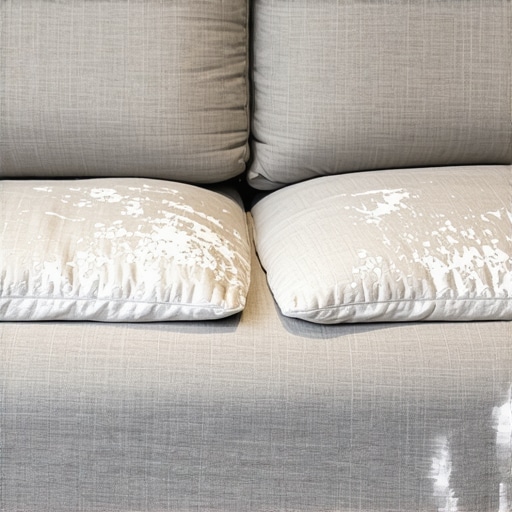
It was supposed to be a quick refresh—a simple sprinkle of baking soda to banish that stubborn stain and freshen up my linen sofa before my guests arrived. But as I brushed off the powder, I noticed the fabric looked duller, the texture somehow rougher. Suddenly, I realized I’d been unknowingly harming my beloved piece every time I used that seemingly harmless household staple. That lightbulb moment made me rethink what I thought I knew about cleaning—and it’s a mistake I see many making too.
The Hidden Damage Baking Soda Might Be Causing Your Sofa
For years, baking soda has been celebrated as a natural, eco-friendly cleaning hero. It’s cheap, versatile, and touted as safe for delicate fabrics. But here’s the thing—what worked perfectly on your kitchen counters or carpeted floors might not be suitable for your more sensitive upholstery, especially linen sofas. Over time, frequent or aggressive use can break down the fibers, leading to a worn, stiffer, and even discolored appearance. I’ve learned this lesson the hard way—trust me, I once thought I was doing right by my sofa until I noticed the fabric’s deterioration after several months of baking soda treatments.
So, what’s really happening? Baking soda’s alkaline nature can strip natural oils from fibers, especially in natural fabrics like linen. This process weakens the material and leads to premature aging of your furniture. According to textile experts, repeated exposure to such substances can cause fabric fibers to become brittle and discolored over time. Want to protect your furniture and avoid costly replacements? You’re in the right place—we’re about to unpack how to keep your upholstery clean without causing damage.
Is Baking Soda Actually Worth the Hype?
I’ll admit, I fell for the hype early on, convinced that this miracle powder was safe for all surfaces. My mistake was applying it blindly without considering fabric type or consulting cleaning guidelines. Many cleaning websites echo this misconception, pushing baking soda as a universal solution—yet neglect to highlight its potential downsides for certain materials. If you’ve been using baking soda on your linen sofa or other delicate fabrics, you might be unknowingly accelerating wear and tear.
If you’re curious whether your cleaning habits are harming your furniture, or if you just want to discover better, safer strategies, I invite you to read on. Together, we’ll explore effective, fabric-friendly alternatives that keep your home fresh and your furniture looking new for years to come. For more specialized advice, check out trusted sources like upholstery cleaning tips designed for the cautious homeowner.
Assess Fabric Type Before Cleaning
Recall the time I attempted to clean my linen sofa with baking soda, only to notice the fabric duller and more brittle afterward. To prevent such mishaps, start by identifying your fabric, which is usually found on the tag. Natural fabrics like linen and silk require gentle methods, while synthetic ones may tolerate a bit more cleaning power. Use a fabric swatch test: dab a small, hidden area with your chosen cleaner and wait 10 minutes. If there’s discoloration or texture change, switch to a safer method.
Vacuum Thoroughly to Remove Loose Dirt
Before applying any cleaning solution, vacuum your upholstery meticulously. This removes embedded dust, pet hair, and debris that can scratch fibers during cleaning. Use the brush attachment and work in overlapping strokes across seams and creases. This step is similar to preparing a surface before painting—no matter how good the paint, if the surface is dirty, the finish will suffer. I learned this the hard way after rushing into cleaning and leaving dirt trapped beneath the surface, which worsened the fabric’s condition.
Choose Fabric-Safe Cleaning Methods
Gentle Spot Cleaning for Delicate Fabrics
For delicate upholstery, use a mixture of distilled water and a few drops of mild dish soap or a specialized fabric cleaner. Apply with a sponge or soft cloth, and gently dab—avoid rubbing, which can push dirt deeper or damage fibers. I once tried a harsh chemical cleaner on my silk cushion, leading to a permanent discoloration. A gentle approach always wins, especially with sensitive materials.
Using Steam for Deep Cleaning
For sturdier fabrics, steam cleaning can effectively sanitize without chemicals. The key is to use a low-heat setting and keep the steamer moving to prevent moisture accumulation. This method also helps relax fibers, restoring some of their original texture. When I used a handheld steamer on my microfiber sofa, it transformed the surface, removing grime and leaving a fresh scent—no streaks or damage.
Apply Proper Drying Techniques
After cleaning, thoroughly dry your upholstery to prevent mold and fiber weakening. Use fans or open windows to circulate air. For small items or spots, pat with a dry towel and let air-dry completely. Avoid direct sunlight, which can fade fabrics. I once left a damp cushion in the sun, which caused uneven fading—so, patience is essential. Proper drying preserves fabric integrity and prolongs your furniture’s lifespan.
Regular Maintenance Keeps Fabrics Healthy
The best way to avoid heavy cleaning and potential damage is regular upkeep. Vacuum weekly, flip cushions, and attend to spills immediately with clean, damp cloths. For deeper cleanings, consult trusted sources like upholstery cleaning tips. Incorporating these routine practices ensures your furniture stays vibrant and durable without risking harm from improper cleaning methods.
While many believe that standard cleaning practices suffice for move-out inspections or upholstery maintenance, there’s a wealth of nuanced details often overlooked by even seasoned homeowners. For instance, a widespread misconception is that using aggressive chemical cleaners or abundant water is universally safe, but this can damage delicate fabrics and surfaces, leading to costly deductions or replacements. In reality, expert insights reveal that understanding fabric compositions and choosing tailored cleaning methods can make the difference between a pass and a penalty.
Another common trap is relying solely on DIY techniques without accounting for advanced inspection protocols—many inspections now include sensor and gap assessments that can flag overlooked areas. Failing to address these subtle issues, such as grime build-up in hidden crevices, can result in repeated inspection failures. Curious about how to navigate these complex requirements? Check out cleaning experts’ secrets for insights.
The ‘Oops’ factor lies in neglecting to assess the age and specific fiber content of your upholstery before cleaning. Over-sanitizing or using inappropriate agents can weaken fibers or cause discoloration. For example, despite popular belief, spray disinfectants aren’t always the best choice—they might leave residues or foster bacteria if not used properly. Instead, employing expert-recommended sanitizing hacks ensures effective and damage-free results.
Keep Your Cleaning Gear in Top Shape for Lasting Results
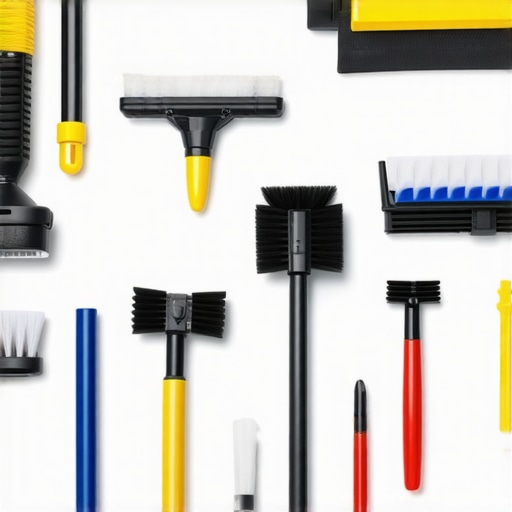
Investing in specialized equipment not only makes your cleaning process more effective but also ensures the longevity of your furnishings and surfaces. I personally swear by maintaining a set of high-quality tools that are both durable and suited to delicate fabrics. Regularly inspecting and cleaning your tools prevents buildup and maintains their efficiency, ultimately saving you time and money. For example, I clean my microfiber cloths and brushes weekly with a gentle detergent to remove residual dirt and prevent cross-contamination. Incorporating this simple habit contributes significantly to long-term results, especially when aiming for move-out readiness or routine upkeep.
How do I maintain my cleaning tools over time?
Proper maintenance begins with choosing the right tools—like a dependable handheld steamer and a vacuum with adjustable settings. I recommend the VAX PowerPro Vacuum because of its HEPA filters and versatile attachments tailored for upholstery. After each use, I carefully empty the vacuum bin and wash filters periodically to prevent dust accumulation. My go-to steamer, the MultiSteam Pro, is cleaned with distilled water to avoid mineral deposits that can clog the system. Regular calibration and cleaning guarantee optimal performance, which is critical when performing detailed inspections or preparing for move-out procedures.
Tool choices that streamline long-term cleaning efforts
When it comes to upholstery and house cleaning, having the right tools simplifies the process and enhances results. A flexible, high-pressure handheld sprayer, for instance, allows precise application of cleaning solutions without over-saturation, reducing the risk of fabric damage. I personally rely on the EcoSpray Precision for spot treatments because of its variable pressure controls and ergonomic design. Pairing this with an ultrasonic cleaner can handle embedded dirt in small crevices or hardware fixtures, keeping everything functioning smoothly. As cleaning technologies advance, I predict we’ll increasingly see IoT-enabled devices that monitor wear and usage patterns, prompting timely maintenance before issues escalate.
Scaling your cleaning routine for larger spaces
For larger homes or commercial properties, automation and specialized tools are becoming indispensable. Robotic vacuums with mapping capabilities, like the CleanBot Max, can systematically handle floors, freeing up your time for detailed upholstery work. For sanitizing larger surfaces, I incorporate portable steam generators that can quickly cover extensive areas with high-temperature vapor, ensuring thorough disinfecting without chemical residues. As the industry moves toward smart cleaning ecosystems, integrating sensors that monitor surface cleanliness and equipment performance will help maintain a pristine environment effortlessly.
Tools and methods shaping the future of cleaning
Expect to see more AI-driven devices capable of detecting hidden grime or fabric vulnerabilities—like nano-sensors embedded in cleaning pads that instantly report dirt levels. Technological evolution aims to make long-term maintenance less invasive and more precise. For anyone serious about keeping their furnishings in excellent condition, adopting these advanced tools is a smart move. I encourage you to test out a high-tech solution such as a smart sensor-enabled mop or fabric scanner to gauge your current setup’s effectiveness. Ready to upgrade your cleaning arsenal? Explore expert tips and innovative tools to stay ahead.
Remember, consistent maintenance with the right tools ensures your upholstery and household surfaces remain beautiful and functional for years. Want to learn more about advanced cleaning techniques? Check out these secrets from cleaning professionals and start enhancing your routine today.
Over the years, I learned that meticulous attention to fabric types, combined with a respect for natural fibers, is vital in maintaining upholstery health. I discovered that rushing to clean without proper assessment often leads to irreversible damage—like stiffening or discoloration—that costs more than just time and effort. Sharing this might save you from similar pitfalls.
One invaluable lesson was understanding the subtle differences between fabrics—like linen versus synthetic—and tailoring cleaning strategies accordingly. For example, what works for synthetic microfiber can ruin delicate linen upholstery if not handled gently. This awareness has profoundly improved my results and prolonged the lifespan of my furniture.
Another lightbulb moment was realizing the importance of cleaning sequence—starting with thorough vacuuming before any liquid or steam application. This step prevents abrasive particles from scratching fibers during cleaning and is often overlooked. Now, I see cleaning as a delicate dance where preparation is key to preservation.
Lastly, I uncovered the significance of proper drying techniques. Leaving upholstery damp can encourage mold growth and weaken fibers over time. Using fans and avoiding direct sunlight not only accelerates drying but also maintains fabric integrity. These small details, which are easily missed, can make a huge difference in long-term care.