
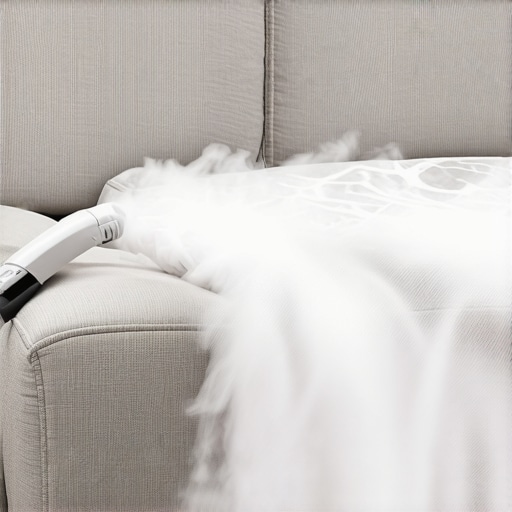
It was a frustrating weekend moment—standing before my beloved light-colored fabric sofa, steam cleaner in hand, ready to refresh and sanitize, only to notice a new pattern: dull, greyish streaks marring the fabric. That sinking feeling of seeing your spotless goal turn into a streaked nightmare is all too familiar. I remember thinking, “Did I ruin my sofa? Is my steam cleaner defective?” It turns out, many of us experience this because of a simple mistake and the wrong cleaning technique. The good news is, I’ve been there, and I found a way to fix and prevent those pesky streaks.
Getting to the Root of the Grey Streaks Problem
Are Steam Cleaners Actually Harmful to Light Fabrics?
When I first started noticing those unsightly streaks, I assumed my steam cleaner was too powerful or using the wrong temp setting. It’s a common misconception—many products claim to be safe for upholstery, but the devil’s in the details. The main culprits are often water residue and improper technique, which leave behind mineral deposits and cause the fabric to look dull and streaked. In fact, an early mistake I made was using the steam cleaner at the highest setting without testing a small area first, thinking more heat would clean better. That backfired, worsening the streaks.
Research indicates that the improper use of steam cleaning devices can damage delicate fabrics and lead to residual dampness, creating the greyish streaks I complained about. Proper knowledge is key. So, how do we solve this?
Before diving into detailed techniques, it’s vital to understand the common errors—like using too much water, not allowing fabrics to dry properly, or neglecting to prep the surface—and avoid them. I learned that a careful, step-by-step approach can restore your sofa’s appearance without risking damage.
Let’s Safeguard Your Sofa from Streaks and Damage
If you’re tired of battling streaks on your light fabric upholstery, stay tuned. I’ll share proven methods that I personally tested—and that can help you keep your sofa looking fresh, without the streaks or damage. And if you’ve already faced this issue, you’re not alone. I’ve found that the secret lies in the right technique, using the correct equipment settings, and knowing what mistakes to avoid. Ready to make your upholstery look as good as new? Keep reading to discover my step-by-step cleaning plan.
Prepare Your Sofa Before Cleaning
Vacuum Thoroughly to Remove Loose Debris
Start by using a handheld vacuum or upholstery brush attachment to remove dust, pet hair, and dirt from the surface and crevices of your sofa. This step prevents particles from embedding deeper during cleaning, which can cause streaking or damage. I once skipped this and ended up with muddy streaks that took extra effort to fix—always vacuum first!
Test in a Small Hidden Area
Before applying any cleaning solution or steam, test a small, inconspicuous patch to ensure it won’t damage or discolor the fabric. I learned this the hard way when my light-colored fabric showed a darker patch after an aggressive test.
Adjust Your Equipment and Use Correct Techniques
Set Steam Cleaner at Low Temperature and Power
Use the lowest effective heat and steam setting to prevent oversaturation. Instead of cranking it up for faster cleaning, I found that gentle, consistent steam works better, avoiding water residue that causes dull streaks. Remember, less is more—think of it as giving a gentle massage, not a deep tissue treatment.
Maintain a Consistent Distance and Motion
Hold the steam cleaner about 1-2 inches above the fabric and move in slow, smooth strokes. Rapid or uneven movement leads to uneven moisture and streaks. I used to rush, which resulted in patchy spots—slowing down made all the difference.
Work in Sections and Overlap Passes
Divide your sofa into manageable areas and overlap each pass slightly to ensure even cleaning. This approach prevents missed spots and streaks. I systematically cleaned one cushion at a time, overlapping my strokes, which kept the fabric uniform and streak-free.
Manage Moisture and Drying Properly
Blot Excess Water Immediately
After steam cleaning, use clean, dry microfiber cloths or towels to blot any residual moisture. Quick blotting helps prevent water marks and streaks. I once left the fabric damp for too long and ended up with greyish streaks—delivering the message that quick action is crucial.
Ensure Adequate Air Circulation for Fast Drying
Open windows and turn on fans to accelerate drying. Avoid sitting or placing items on the sofa until it’s fully dry. This reduces mold risk and avoids streaks caused by uneven drying. I found that turning a fan on high sped up the process significantly, keeping my sofa streak-free.
Additional Tips for Maintaining a Fresh, Streak-Free Sofa
Regularly vacuum and lightly steam your upholstery to prevent buildup. Use fabric-safe protectants as recommended and avoid over-wetting. For stubborn spots or stains, consult specialized guides like upholstery cleaning tips to get expert advice, which can prevent streaks and fabric damage.
Many believe that a quick scrub or a basic vacuum session is enough to pass move-out inspections seamlessly, but this oversimplification often leads to costly mistakes. One prevalent misconception is that professional cleaning is only necessary if stains are visible; however, experts advise regular deep cleaning to prevent build-up of bacteria and mold, which aren’t immediately visible but can cause inspection failures. Contrary to popular belief, overusing harsh chemical cleaners on delicate upholstery can damage fibers, compromising fabric integrity and leading to long-term deterioration, as supported by research from leading cleaning scientists. Additionally, many assume that sanitizing alone guarantees a thorough job—yet, neglecting detailed areas like behind appliances or inside vents can result in missed dirt traps that inspectors frequently flag. Have you ever fallen into this trap? Let me know in the comments.
A critical nuance often overlooked is the importance of understanding material-specific cleaning techniques. For instance, natural fibers like cotton require gentler methods compared to synthetic fabrics, which might withstand higher temperatures and harsher solutions. Using a one-size-fits-all approach not only risks damage but also diminishes cleaning efficiency. Experts from effective house cleaning secrets from cleaning professionals emphasize tailoring cleaning strategies to each material, ensuring both safety and thoroughness. Moreover, there’s a common myth that removing surface dirt equates to a sanitized and move-in-ready space—truth is, pathogens can lurk beneath surfaces, making comprehensive sanitizing essential, especially in a post-pandemic world. Failing to recognize this nuance can lead to partial cleans that don’t meet inspection standards or personal cleanliness standards. For advanced readers curious about optimizing hygiene and property care, examining the finer points of sanitizing hacks for safe house transitions can provide valuable insights. Check out detailed guides on sanitizing to master thorough cleanliness.
In the realm of move-out cleaning, the devil truly is in the details. Misunderstanding these nuanced aspects and myths can cost tenants their deposits or landlords their reputations. By adopting tailored approaches and debunking misconceptions, you set yourself up for success. Want to deepen your understanding? Consider consulting specialized articles like effective strategies to secure your deposit or upholstery cleaning tips for a fresh home revival. Remember, when in doubt, reaching out to professional services can help steer clear of common pitfalls and ensure your space passes every inspection with flying colors.In my experience, maintaining a spotless and sanitized home over the long term requires not just effort but the right tools. Having reliable equipment ensures that your cleaning routines are efficient and consistent, helping you avoid common pitfalls like streaking or damage. One tool I personally swear by is a high-quality steam cleaner set at low temperature and pressure, such as the McCulloch MC1385 Deluxe Canister Steam System. Its adjustable settings allow precise control, making it safe for delicate fabrics and surfaces. Additionally, I recommend using a good microfiber cleaning cloth for blotting and drying; these are gentle, trap dirt effectively, and are reusable, which aligns with eco-friendly practices.
Beyond physical tools, investing in reliable cleaning software can streamline your routine. I use a scheduling app like Trello to plan recurring tasks, ensuring nothing slips through the cracks, especially for deep cleans like upholstery or sanitizing smart-home surfaces. Consistent scheduling reduces the likelihood of buildup and keeps your home inspection-ready.
For long-term results, regular maintenance is key. Keep a log of cleaning dates and tasks to track your progress. This habit not only maintains cleanliness but also highlights areas needing attention before small issues escalate. I find that doing a quick monthly check-up on hidden spots like behind appliances or inside vents prevents tiny dirt traps from becoming inspection failures.
Looking ahead, I predict that automation will become increasingly prevalent. Robotic vacuums and smart cleaning devices are continuously improving in navigation and functionality. Devices like the iRobot Roomba s9+ can handle routine dusting and debris pickup, freeing you to focus on more detailed tasks like upholstery sanitizing with specialized tools.
To keep all these systems functioning smoothly over time, regular calibration and maintenance are essential. For example, cleaning your vacuum’s filters and brushes every month ensures optimal performance. Similarly, periodically checking for software updates keeps your smart devices running efficiently. This proactive approach prevents long-term issues and extends the lifespan of your cleaning investments.
How do I maintain these tools effectively? Establish a routine that includes simple actions like rinsing filters, replacing worn pads, and updating software. By integrating these habits, you ensure that your equipment continues to perform at its best, helping you achieve a streak-free sofa or a spotless move-out inspection. Remember, the key is consistency and proactive care. Want to take your cleaning game further? Try setting reminders for monthly maintenance or firmware updates—small steps that yield big results. For personalized advice, don’t hesitate to reach out via contact us.
What I Wish I Knew When I Started Cleaning Upholstery
One of the toughest lessons I learned was that more heat and steam don’t always mean a better clean—sometimes, they cause streaks or damage delicate fabrics. Patience and proper technique trump brute force every time.
I also realized that neglecting to test a small hidden area before full cleaning can lead to unexpected discoloration. It’s a small step that saves a lot of headaches.
Consistent cleaning routines, including thorough vacuuming and gentle blotting, are key to maintaining your sofa’s beauty and avoiding the streaks that plagued my early attempts.
Tools and Resources That Changed My Approach
I swear by a low-temperature, adjustable steam cleaner like the McCulloch MC1385, which I trust for its versatility and safety on delicate fabrics. Using microfiber cloths for blotting is an eco-friendly and effective way to manage residual moisture. Additionally, I found that scheduling regular cleaning sessions with apps like Trello helps maintain consistency, preventing buildup and streaks.
For deeper insights, reading trusted guides on effective house cleaning secrets and upholstery tips has broadened my understanding and confidence.
Taking Action and Moving Forward
Now, with the right tools, techniques, and mindset, achieving a streak-free, beautiful sofa is within anyone’s reach. Remember, consistent effort and a keen eye for detail make all the difference. If you’re ready to elevate your cleaning game, start small, stay patient, and don’t hesitate to seek expert advice when needed.
What’s the biggest challenge you’ve faced when cleaning upholstery? Share your experiences below—I’d love to hear your story and offer tips tailored to your needs.