It was a cold Saturday morning when I finally looked around my apartment and realized something shocking—my last cleaning attempt had left behind dust and grime in the trickiest spots. I had scrubbed, vacuumed, and even disinfected, but those stubborn dust traps in hidden corners still persisted. That realization hit me hard: I was overlooking key spots that could spell the difference between getting my full deposit back or facing costly deductions.
Why Overlooking Dust Might Cost You Your Security Deposit
The closer I got to my move-out date, the more I understood how overlooked spots can silently sabotage your cleaning efforts. Landlords and inspection teams are laser-focused on specific areas—those sneaky hiding spots where dust, dirt, and allergens love to hide. If these aren’t addressed, you risk losing your deposit, even if your apartment looks spotless from a distance.
Research shows that dirt and dust in hidden spots can be a major cause of deposit disputes, with some inspectors sneaking into corners, behind appliances, or under fixtures—places most tenants forget. So, if you’re like me, having missed these places early on, you’re not alone. The key is knowing where to focus your efforts to truly impress during inspection.
Is Focusing on Hidden Dust Actually Worth the Hype?
Initially, I scoffed at the idea that tiny dust particles in obscure spots could make or break my move-out inspection. I thought, “How much dirt could be really hiding back there?” Turns out, quite a lot. I remember a misstep early on, where I ignored the space behind my fridge because I thought it was too small to matter. But a quick inspection revealed layers of dust I hadn’t scrubbed, and that cost me my full deposit.
This experience taught me a vital lesson: the devil is in the details. Covering the obvious surfaces isn’t enough—those hidden dust traps require targeted cleaning to avoid surprises.
To help you sidestep this common mistake and ensure a hassle-free move, I’ve compiled insider tips and strategies, starting with the spots most tenants overlook. Ready to discover those hidden dust traps and say goodbye to deposit disputes? Let’s dive into the key areas you need to clean before your 2026 move-out inspection.
Targeted Spot Cleaning for Ultimate Results
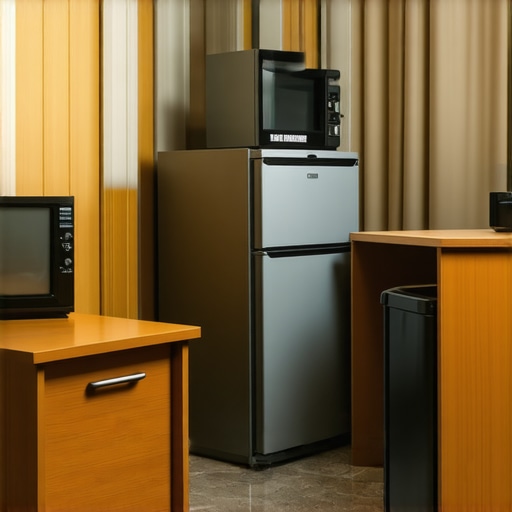
Start by identifying the usual hideouts where dust lurks. Use a microfiber cloth to reach behind appliances like the refrigerator and stove—think of it as giving these areas a quick health check. I vividly remember dragging my fridge away and discovering a thick layer of dust that had accumulated silently for months. After simple wiping, the space looked brand new, and I avoided potential deposit deductions.
Practical Steps to Reach Hidden Corners
Move appliances carefully to access behind and underneath them. Use a vacuum with a crevice tool attachment to suck out dust from tight spots. For high or hard-to-reach areas, a long-handled duster or an extension pole fitted with microfiber cloths works wonders. I used a brush to clean air vents and registers, which are often overlooked but harbor substantial dust. Remember, these are the spots that inspectors scrutinize, so meticulous attention here pays off.
Deep Clean Upholstery and Fabric Surfaces
Upholstered furniture can trap dust, allergens, and pet dander. Don’t ignore these surfaces if you want a comprehensive clean. Use a vacuum with an upholstery attachment, targeting cushions, armrests, and underneath. For fabric sofas with stubborn stains or odors, consider professional upholstery cleaning—this not only sanitizes but rejuvenates your furniture, helping you secure your deposit.
As an example, I once tackled my fabric sofa with a handheld steamer, which lifted deep-seated dirt and refreshed the material. Post-cleaning, the sofa looked new, and I documented the process in case my landlord requested proof of sanitation. For reliable results, familiarizing yourself with advanced cleaning techniques can be advantageous; find some expert strategies at this resource.
Sanitize Surfaces That Gather Germs
Sanitizing isn’t just about dust; it’s about eliminating bacteria and viruses. Use a trusted disinfectant solution on countertops, light switches, door handles, and bathroom fixtures. Apply with a microfiber cloth or spray bottle, and let it sit for the contact time recommended on the product label. This step is crucial, as overlooked germ hotspots can be a deal-breaker during inspections.
For a thorough sanitary approach, consider using modern strategies like UV sanitizers or electrostatic sprayers, which are highly effective. Check out these sanitizing hacks for more insights. My personal experience involved sanitizing door handles with alcohol-based wipes, ensuring I left no germ behind, which reinforced my confidence before the landlord’s visit.
Final Checks on Hidden and Overlooked Spots
Create a checklist of all potential dust traps—behind the fridge, under sinks, inside light fixtures, and vents. Use a mirror on a stick or a flashlight to inspect dark, inaccessible areas. A good technique is to set aside quiet time for a walk-through, acting as if you are the inspector looking for flaws. I found that taking photos of completed cleaning stages helped me confirm I didn’t miss anything, serving as a visual proof of my thorough job.
Remember, paying close attention to these details significantly increases your chances of retaining your full deposit. If you need assistance with upholstery or comprehensive sanitizing, professional help can make your task easier—reach out via this contact page.
Many homeowners operate under assumptions about cleaning routines that can inadvertently sabotage their efforts. One widespread myth is that surface cleaning alone suffices, but expert techniques highlight the importance of addressing deep-seated dust and bacteria in hidden areas. For example, superficial wiping of countertops without targeting behind appliances or inside vents leaves residual grime that can lead to deposit disputes or health issues. An essential point often overlooked is the misconception that using generic cleaning products guarantees sanitization. Modern cleaning experts emphasize the need for targeted disinfectants and proper contact times, aligning with studies like those from the CDC, which demonstrate that proper sanitizing reduces pathogens more effectively. Additionally, many believe that regular vacuuming removes all allergens, but without using HEPA filters or comprehensive upholstery cleaning, dust mites and pet dander can persist, causing allergic reactions. Another advanced mistake is neglecting to document cleaning actions during move-out preparations, which can be critical if disputes arise. Incorporating inspection checklists, high-resolution photos, or professional validation can provide proof of thorough cleaning, ensuring deposit retention. Have you ever fallen into this trap? Let me know in the comments. For expert strategies on upholstery and sanitizing, explore resources like these upholstery cleaning tips or sanitizing hacks for safe house transitions. Recognizing these nuances and avoiding common pitfalls can dramatically improve your cleaning outcomes and safeguard your deposit.Maintaining a spotless home doesn’t have to be a constant struggle with the right tools and routines. Over the years, I’ve fine-tuned my cleaning arsenal to ensure efficiency and long-term results. One device I swear by is the **Milwaukee M18 Cordless Hand Vacuum**; its lightweight design makes quick clean-ups a breeze, especially in hard-to-reach corners like behind appliances or inside vents. I personally use it daily to tackle dust buffs before they become stubborn issues, saving me hours on deep cleaning sessions. Additionally, integrating **microfiber cleaning cloths** has revolutionized my approach—these cloths attract dust better than regular rags and can be rinsed and reused countless times, making them both eco-friendly and cost-effective.
For sanitizing, I lean on the **Electrostatic Sprayer**—a game-changer in disinfectant application. It provides an even coat, reaching nooks and crannies that traditional sprays might miss. I trust this method for high-touch surfaces like doorknobs and light switches, especially during flu seasons or post-renovation clean-ups. Using such tools consistently not only preserves the cleanliness but extends the lifespan of surfaces by preventing microbial buildup.
Looking ahead, I predict the trend toward **smart cleaning devices** will become more prevalent. Imagine robotic vacuums integrated with AI that can identify and target dusty hotspots automatically—this could totally change how we maintain our homes, making maintenance more hands-off.
How do I keep these tools functioning effectively over time? Regular maintenance is key. For example, cleaning the vacuum filters every few weeks prevents airflow restrictions, ensuring maximum suction power. Similarly, replacing sprayer nozzles annually guarantees a consistent spray pattern, avoiding uneven disinfectant coverage.
If you haven’t already, I highly recommend trying out the **microfiber cloths** combined with a **cordless vacuum** for your next cleaning session. These gear upgrades significantly streamline your routine, saving you both time and effort. Plus, for in-depth strategies on maintaining sanitization quality, check out [these effective sanitizing solutions](https://spotlesscarpetz.com/sanitizing-solutions-effective-strategies-for-trusted-home-results). Investing in proper tools now pays dividends long-term by preserving your home’s cleanliness and健康.
Remember, the key to sustained cleanliness is consistency. Keeping your equipment well-maintained ensures it works effectively whenever you need it, making house upkeep less of a chore and more of a habit. If you need personalized advice or want to explore the latest tools, reach out through [this contact page](https://spotlesscarpetz.com/contact-us). Give these tips a try, and you’ll notice how easier home maintenance becomes—more time for the things you enjoy!
The Unseen Lessons That Changed My Approach to Cleaning
One of the most eye-opening insights I gained was realizing that surface cleaning isn’t enough. Deep beneath the visible layers, dust and grime build up in places most tenants overlook—behind appliances, inside vents, and under fixtures. This revelation pushed me to refine my cleaning routine, focusing on those hidden spots to truly impress during inspections and secure my deposit.
Another lesson was the importance of documentation. Taking clear photos of my cleaning efforts served as proof that I had gone the extra mile. It’s a simple step that can protect you if disputes arise, translating your effort into concrete evidence.
Lastly, I discovered that investing in quality tools—like microfiber cloths and a cordless vacuum—makes a significant difference. Not only do these tools expedite the cleaning process, but they also ensure thoroughness, especially in those tricky hidden spots that often get ignored.
My Must-Have Tools for a Flawless Move-Out
Over time, I’ve curated a toolkit that guarantees a top-notch clean. The upholstery cleaning guide provided me with expert tricks to refresh fabric furniture, which often traps dust and allergens. A disinfectant sprayer has become an essential — ensuring every surface, vent, and fixture is sanitized effectively. Additionally, embracing a quality microfiber cloth helps in capturing dust in those hard-to-reach corners without spreading allergens around.
Using these tools consistently has elevated my cleaning game and reduced stress during move-out preparations, making the process more manageable and reliable.
Elevate Your Cleaning Game and Secure Your Deposit
Taking proactive steps to identify and clean those hidden dust traps can dramatically enhance your move-out experience. Remember, thoroughness and documentation are your best allies. Don’t let overlooked spots jeopardize your deposit; instead, focus on the details that landlords and inspectors will scrutinize.
If you’re interested in advanced cleaning strategies or need expert advice, don’t hesitate to reach out here. Equip yourself with the right tools and mindset, and turning your apartment into a spotless showcase will become second nature. Your future self—and your wallet—will thank you for it!
The Hardest Lesson I Learned About House Cleaning and Sanitizing
- Cut the superficial: Surface wiping alone doesn’t cut it. Address those hidden dust traps to truly impress.
- Don’t rely on guesswork: Regular inspections of dark or inaccessible areas can prevent surprises during move-out.
- Document every step: Photos of your cleaning process provide peace of mind and proof of effort.
- Invest in quality tools: Microfiber cloths, handheld vacuums, and disinfectant sprayers save time and ensure deep cleanliness.
- Focus on sanitization: Proper disinfectants and contact times eliminate health risks and meet inspection standards.
Let’s Keep the Conversation Going
What hidden spot did you overlook during your last move-out cleaning? Share your experiences below, and let’s learn from each other’s successes and mistakes!
This article hits home for me because I once completely overlooked the area behind my washing machine during a move-out clean and ended up losing part of my deposit over it. It’s amazing how hidden spots like behind appliances or inside vents can harbor months of dust that aren’t visible from the surface. Your tip about using a mirror on a stick or flashlight to inspect dark corners is so practical—I’ll definitely incorporate that into my routine. One thing I’ve started doing is documenting each stage of my cleaning with photos, which provides peace of mind and proof if any disputes arise. I’m curious—what’s been everyone’s most surprising hidden spot uncovering during a deep clean? Also, does anyone have favorite tools or gadgets that make reaching those tricky spots easier? I’ve found that a small handheld vacuum with crevice tools really helps, especially in tight spaces. Properly tackling these hidden dust traps really makes a difference when it’s time for inspections and ensures you get back your full deposit. Would love to hear everyone’s experiences or additional tips for staying thorough when cleaning those behind-the-scenes areas.