I remember the moment clearly. I was crouched on my living room floor, trying to vacuum yet again, when a tiny fleck of fur shot under the couch before I could catch it. The frustration hit me—how on earth was there still so much pet hair everywhere? It felt like a losing battle, and honestly, I was starting to wonder if my home would ever feel truly clean again. That was my lightbulb moment: realizing that traditional cleaning methods just wouldn’t cut it for my heavily shedding pets in the coming years.
Why Pet Hair Cleanup is About to Get Even More Challenging in 2026
Is all the hype about sanitizing worth it, or just another trend?
Early on, I made the mistake of thinking a quick sweep and a routine vacuum would suffice. Big mistake. As I researched, I discovered that pet fur isn’t just a nuisance—it can harbor bacteria and allergens that impact health, especially in homes with heavy shedding. According to the American College of Allergy, Asthma & Immunology, pet dander contains proteins that can trigger allergic reactions and asthma attacks, making proper sanitizing even more crucial (source).
In today’s world, with the advent of more sophisticated smart fabrics and eco-friendly materials, it’s clearer than ever that our cleaning strategies need an upgrade. The good news? I’ve tested a handful of effective tactics that keep pet hair and germs in check, even in the most shedding-prone homes. Prepare to say goodbye to those endless hair furballs and hello to a fresher, healthier living space.
Start by collecting your cleaning tools—an upholstery brush, a damp microfiber cloth, and a high-efficiency vacuum. I recall one Saturday when I dabbled in a DIY. I used a rubber glove to lift stubborn pet hair off my sofa, running my hand over the fabric with quick strokes. This quick technique was surprisingly effective for loose fur and saved me time. Next, vacuum in multiple directions to loosen embedded hair—think of it as untangling a knot. Use a vacuum with a HEPA filter to trap allergens, making sure to focus on crevices and under furniture. For upholstery, consider dry cleaning methods that don’t involve water, such as foam-based cleaners or specialized sprays, which are safer for delicate fabrics like chenille or velvet. Learn more about fast sanitizing for smart fabrics.
Next, sanitize your high-touch areas to prevent germ transfer. Disinfect doorknobs, light switches, and remote controls using UV or vaporized disinfectants. For digital devices, opt for alcohol-based wipes—avoid excess moisture to prevent damage. When cleaning your entryway, ensure you disinfect shoes and bags because these are common germs carriers; consider entryway sanitizing mats or sprays to reduce tracking. For a thorough entryway cleanup, check out entryway sanitizing tips. During cleaning, wear gloves and a mask to minimize allergen exposure.
When preparing for a move-out, focus on specific spots that will impact your deposit return. Start by making a checklist of overlooked areas like kitchen exhaust fans and bathroom grout lines. I remember when I missed cleaning behind the fridge, which almost cost me my deposit. Use micro-spot treatments for stains—like coffee or ink—on upholstery, employing non-water-based solutions to avoid damage. For professional-grade results, consider rental-grade steam cleaners or contact cleaning experts for targeted assistance. Additionally, maintain detailed documentation of your cleaning efforts, especially for areas prone to inspection problems, such as baseboards or vents. Learning effective strategies can turn a stressful process into a straightforward task, ensuring the security of your deposit.Many homeowners believe that simple dusting and vacuuming are enough to ensure a spotless home, but this oversimplifies the complexities involved. One common myth is that routine cleaning removes all allergens and germs; however, experts highlight that deep sanitizing requires targeted strategies, especially for heavily used surfaces and upholstery. For example, relying solely on water-based cleaning methods can damage delicate fabrics like chenille or velvet, and neglecting dry cleaning options may lead to residual stains or bacteria lurking unseen. Additionally, many overlook the importance of precise ventilation cleaning, such as exhaust fans, which can accumulate dust and mold, contributing to poor indoor air quality. A crucial nuance in move-out cleaning is the emphasis on high-tech inspection zones, where AI and professional standards inspect for overlooked areas, like behind appliances or inside vents, which can jeopardize your deposit. Failing to address these subtle, often overlooked spots is a common mistake that can cost tenants dearly.
A significant misconception among even seasoned DIYers is that pet hair removal is straightforward—many resort to quick fixes like lint rollers, ignoring more comprehensive techniques such as dry brush cleaning or micro-spot treatments that are backed by cleaning experts. According to studies from the American Cleaning Institute, specialized approaches not only improve cleanliness but also reduce allergen exposure significantly (source).
For advanced house cleaning, understanding and executing the proper sanitizing methods can make all the difference. Dry cleaning tactics are especially crucial for maintaining the integrity of sensitive fabrics and preventing mold growth. Avoid the trap of over-saturating surfaces during cleaning, which, beyond damaging fabrics, can harbor bacteria if not properly dried.
Addressing overlooked microscopic dust traps, like inside light fixtures or under baseboards, enhances long-term hygiene. Disinfecting smart surfaces and entryway spots with the right techniques minimizes germ transfer and prepares your home for move-out inspections. Remember, moving out isn’t just about visible cleanliness but ensuring every hidden nook complies with high standards. For in-depth strategies, consult expert guides and professional services, which offer detailed checklists and tailored advice.
Want to master advanced cleaning techniques? Dive into the linked resources for comprehensive tips on sanitizing, upholstery care, and move-out prep, ensuring you don’t miss those critical spots that often slip by. Have you ever fallen into this trap? Let me know in the comments.
Maintaining a spotless home isn’t just about initial cleaning efforts; it requires investing in the right tools and adopting efficient methods that stand the test of time. Over the years, I’ve refined a set of equipment and strategies that enable me to stay ahead of pet hair, germs, and stubborn stains, especially crucial as we prepare for the stricter standards approaching in 2026.
Invest in a Quality HEPA Vacuum with Multi-surface Capabilities
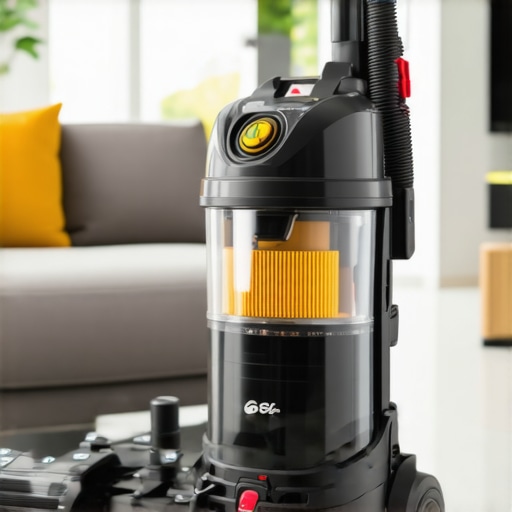
My go-to tool is a vacuum equipped with a true HEPA filter and multi-surface attachments. I personally use the Dyson Ball Animal 2, as its powerful suction and specialized pet hair tool make quick work of embedded fur under furniture and on upholstery. Its anti-tangle brush bar saves me from frequent cleaning interruptions, ensuring I can tackle multiple rooms efficiently. As homes become smarter, incorporating vacuums with app connectivity and scheduling features allows me to set cleaning routines that keep pet hair and allergens in check without extra effort.
Embrace Dry Cleaning Techniques for Delicate Fabrics
Water-based cleaning is often harsh for sensitive upholstery, risking fiber damage or mold growth. I rely on dry cleaning methods, like foam-based upholstery cleaners, which I apply with a microfiber cloth and then vacuum off. For instance, I use the foam upholstery cleaner recommended by experts, which prevents over-saturation and preserves fabric integrity, particularly on chenille or velvet surfaces. This approach is vital for long-term durability and sanitization, ensuring my furniture remains fresh without deterioration.
Utilize UV and Smart Disinfection Devices
To supplement manual cleaning, I’ve adopted UV sterilizers and vaporized disinfectant sprayers, especially for high-touch areas. Devices like UV-C wand sterilizers allow me to quickly sanitize doorknobs, light switches, and digital gadgets. They’re compact, easy to use, and effective at eliminating bacteria and viruses, reducing reliance on harsh chemicals. As sanitizing technology advances, integrating IoT-connected disinfectants can automate the process and ensure consistent hygiene, offering peace of mind in an increasingly health-conscious environment.
How do I maintain my home cleaning arsenal to stay effective?
Regular checks and updates are essential. I schedule quarterly assessments of my tools, replacing filters, and upgrading to smarter devices that align with evolving standards. Maintaining a detailed cleaning log helps me track what works best and plan preventative measures, such as deep cleaning appliances or sealing cracks where pet hair and dust tend to accumulate. Staying informed through reputable sources, like industry experts, ensures I adopt the latest proven tactics and tools. For example, testing and adopting dry cleaning sprays tailored for 2026 upholstery trends can protect fabrics from upcoming inspection protocols.
Future of Home Cleaning Tools
Looking ahead, I predict a surge in AI-integrated cleaning devices that adapt to home environments, optimizing energy use and targeting trouble spots automatically. Smart sensors embedded within furniture may alert us about hidden dust or bacteria, prompting targeted cleaning. Staying ahead involves investing in modular, upgradeable equipment and embracing new sanitizing methods that reduce manual effort while enhancing hygiene.
Begin by trying a comprehensive dry-cleaning technique on your upholstery this month. It’s simple, effective, and a solid step towards long-term home hygiene. For tailored advice on sanitizing smart fabrics or troubleshooting move-out cleaning concerns, don’t hesitate to reach out to the experts.
The Hard-Earned Truth About Deep Cleaning Lessons
- One of my biggest lightbulb moments was realizing that DIY quick fixes only scratch the surface. Genuine cleanliness requires understanding the nuances of fabric care, how pet hair embeds into delicate fibers, and why dry cleaning methods are crucial for preserving upholstery integrity. My biggest regret? Neglecting to address hidden dust traps behind appliances, which could cost me dearly during move-out inspections.
- I’ve learned that relying solely on traditional vacuums is a mistake—investing in a HEPA-filtered, multi-surface vacuum changed my approach. It taught me that consistent, targeted cleaning, combined with smart devices, makes a significant difference in allergy control and germ elimination.
- The most surprising insight? That manual disinfecting isn’t enough. Incorporating UV sterilizers and vaporized disinfectants has transformed my home hygiene routine, especially for high-touch surfaces in high-traffic zones.
- Finally, embracing the future of cleaning with AI-driven tools and smart sensors means I stay ahead of hidden dust and bacterial hotspots, often unnoticed in regular cleaning sessions. These lessons weren’t easy, but they empowered me to create a healthier, more resilient living environment, even with heavy pet shedding.
My Go-To Gear That Elevates Home Hygiene
- Dyson Ball Animal 2: A powerhouse for pet fur, its strong suction and tangle-free brushes make quick work of embedded hair, ensuring my upholstery stays fur-free and allergen-controlled. Its smart features help me schedule regular cleanings effortlessly.
- Foam Upholstery Cleaners: Dry cleaning sprays, like the ones recommended by experts, are my secret weapon for delicate fabrics such as chenille or velvet, preserving their beauty while sanitizing effectively. They prevent damage and mold growth associated with water-based methods.
- UV-C Sterilizer Wand: Portable and effective, this device sanitizes doorknobs, light switches, and even my digital devices in minutes, reducing germ spread and keeping my home safer without harsh chemicals.
- Entryway Sanitation Mats: These reduce tracking of allergens and bacteria inside, a simple yet powerful step to maintain a healthier home environment, especially with pets bringing in outdoor debris.