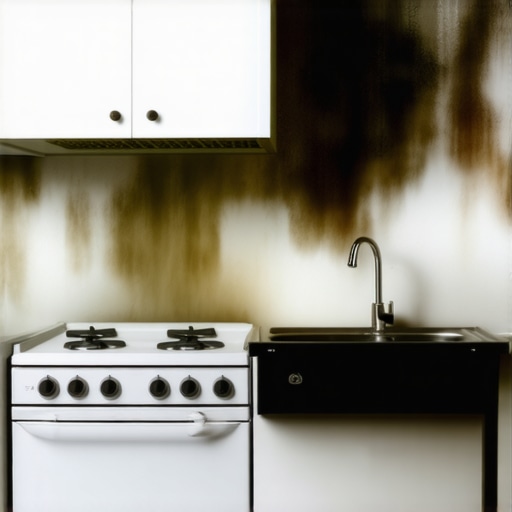
I remember the sinking feeling in my stomach when I realized I might lose my entire security deposit over tiny, overlooked spots in the kitchen. It was after I thought I had thoroughly cleaned every inch—only to get my landlord’s rejection letter weeks later, citing dirt in the least conspicuous corners. That lightbulb moment made me realize: some of the most neglected kitchen spots can secretly sabotage your move-out refund, especially as expectations get tougher in 2026.
**
Why You Can’t Ignore These Hidden Kitchen Corners
**
Every year, landlords and property managers get more vigilant. They’re on the lookout for grime you might not see—think behind appliances, under the sink, or inside those hard-to-reach cabinet joints. I learned this the hard way early on, missing a tiny stain behind my dishwasher, which my landlord used as grounds to withhold part of my deposit. According to recent [move-out cleaning strategies](https://spotlesscarpetz.com/move-out-cleaning-strategies-to-secure-your-deposit), neglecting even small spots can cost tenants hundreds, or even thousands, ultimately denting your move-in budget.
But which spots are most likely to trip you up? And how can you confidently tidy them up so you’re not caught off guard during inspection? That’s exactly what I want to help you with today. We’ll go over the must-know hidden areas in your kitchen that often fly under the radar but are crucial in securing your full refund.
**
Will Neglecting These Spots Make or Break Your Refund?
**
When I first started paying attention to these overlooked places, I made a classic mistake: I thought wiping down the visible surfaces was enough. That’s not the case. Dust and grime can settle deep in places you might not think to check, like inside the crevices of skirting boards or behind the fridge. Ignoring these spots can turn a simple cleaning job into a costly mistake. For more expert tips on effective cleaning, visit [effective house cleaning secrets](https://spotlesscarpetz.com/effective-house-cleaning-secrets-from-cleaning-experts). Now, I make sure to inspect thoroughly, squatting down and using tools like microfiber cloths and flexible brushes to reach every nook.
So, if you’ve ever felt unsure whether your cleaning efforts are enough—you’re not alone. Many tenants underestimate how much these hidden areas matter. But don’t worry. In the upcoming sections, I’ll walk you through exactly how to tackle each tricky spot confidently—so you can head into your move-out inspection feeling prepared, not panicked.
Inspect Behind Appliances Methodically
To ensure no grime lurks behind your fridge or oven, turn off and unplug appliances first. Use a flexible microfiber cloth and a long-handled brush to reach into tight gaps. I once overlooked the back of my dishwasher after a quick wipe; a landlord’s checker spotted a thin layer of grease which cost me a partial deposit. Always perform a full backside check and clean thoroughly.
Deep Clean Under the Sink and Cabinets
Remove all items and sweep debris. Use a degreasing cleaner and a sponge to scrub corners, especially beneath pipes where mold and soap scum hide. For stubborn stains, apply a vinegar solution and let it sit for 10 minutes before scrubbing. I once neglected a corner under my sink, leading to a re-inspection; a simple scrub resolved it in 15 minutes. Remember to sanitize surfaces afterward.
Focus on Small, Overlooked Cracks and Crevices
Use a toothbrush or small brush to clean around cabinet handles, drawer slides, and along baseboards. Don’t forget to vacuum and wipe down dishwasher door seals and inside cabinet joints—these often trap crumbs and grease. I used compressed air to blow out dust from hard-to-reach areas and was pleasantly surprised at how much I removed. Dry all surfaces afterward to prevent mold formation.
Sanitize Hidden Corners for Safety and Security
Apply a trusted sanitizer or a mix of bleach and water (following safety precautions) to eliminate germs. Pay special attention to areas behind appliances and inside deep drawers. If you have upholstery or fabric in the kitchen, consider sanitizing it using dry-cleaning methods—avoid water to prevent damage. For upholstery, I used specialist techniques available at [upholstery cleaning tips](https://spotlesscarpetz.com/upholstery-cleaning-tips-for-a-fresh-home-revival) to keep fabrics fresh and safe.
Cover All Bases with a Final Walkthrough
Check off every spot from your list, ensuring you’ve wiped, scrubbed, vacuumed, and sanitized each area. Remember, landlords look for consistent cleanliness, not just surface appearances. I once did a last-minute walkthrough, discovering a hidden corner behind a cabinet, and spent an extra 10 minutes cleaning it—this saved me from a potential deposit dispute. Regularly referencing a detailed checklist, like the one at [move-out cleaning strategies](https://spotlesscarpetz.com/move-out-cleaning-strategies-to-secure-your-deposit), helps you stay organized and confident.Many tenants believe that a quick surface wipe suffices for move-out cleaning, but in my experience, such shortcuts often lead to deposit disputes. A frequent misconception is that disinfecting alone guarantees a thorough clean. In reality, experts emphasize that deep cleaning and understanding hidden contaminants are crucial—especially since landlords are increasingly vigilant about microscopic germs and residual odors. According to a study by the American Cleaning Institute, surfaces can harbor bacteria and fungi long after visible dirt is removed, underscoring the importance of proper sanitization techniques.
Why do so many overlook the criticalities of sanitizing upholstery and hidden corners?
It’s often because these tasks seem complex or time-consuming. Yet, neglecting specialized sanitizing hacks can leave behind unseen threats, risking both health and your deposit. For instance, fabric upholstery can trap allergens and germs in velvety textures, which require tailored methods like dry-cleaning—avoiding water damage—and proven sanitizing solutions. Landlords and property managers may also scrutinize for odor retention in carpets and drapes, which many tenants overlook. This is where advanced techniques, such as ozone or UV sanitizing, become valuable, extending beyond traditional vacuuming. Don’t fall prey to the myth that regular cleaning products suffice for modern, germ-sensitive homes. Integrating professional approaches can make your move-out truly spotless and compliant. Remember, detailed knowledge and nuanced execution in cleaning are what separate a successful move from a costly oversight. Have you ever fallen into this trap? Let me know in the comments.
Invest in Quality Equipment for Reliable Results
One of my top recommendations is using a high-quality, cordless vacuum with HEPA filtration. For example, I personally swear by the Dyson V11 due to its powerful suction and long battery life, which make quick work of dust and debris in hard-to-reach spots like under appliances and along baseboards. Consistent use of a dependable vacuum not only keeps surfaces pristine but also prolongs the effectiveness of your other cleaning efforts. To maintain air quality and prevent allergen buildup, regularly replacing or cleaning the filter is crucial. Consider setting reminders to replace your filter every three months, especially if you have pets or allergies, aligning with recommendations from the EPA on indoor air quality. The trend is moving toward smart cleaning tools that connect to apps, allowing you to schedule maintenance and get alerts when filters need changing, making the process seamless and stress-free. Looking ahead, integrating IoT-enabled cleaning devices could become a standard, enabling fully automated maintenance routines that ensure your home stays spotless without extra effort.
How can I keep my cleaning tools performing at their best over time?
Proper maintenance is key. Regularly check vacuum filters and brush rolls for clogs or debris—this prevents loss of suction and extends the lifespan of your equipment. Deep cleaning your upholstery periodically with specialized tools, like a fabric steamer or dry-cleaning methods outlined at this link, ensures fabrics are sanitized without damaging delicate fibers. Additionally, use microfiber cloths for dusting and wiping surfaces; they trap more dust and are washable, saving money and reducing waste. For sanitation, I favor microfiber cloths combined with eco-friendly disinfectants, like those recommended by house cleaning experts. This combination keeps grime at bay and preserves the longevity of your surfaces. Remember, consistent upkeep minimizes the need for intensive cleaning sessions later, saving you both time and money—try establishing a weekly maintenance routine to embed these habits naturally into your schedule.In my journey to perfect move-out cleaning, I uncovered insights that transformed my approach—lessons I wish I’d known sooner. First, I realized that relying solely on surface wiping is a recipe for deposit disputes; deep inspection and targeted cleaning of concealed spots are essential. Second, I learned that professional-quality sanitizing tools and techniques, like ozone treatment or UV sterilization, aren’t just luxury—they’re becoming necessary to meet the elevated standards of 2026 inspections. Lastly, engaging proactively with landlords about specific expectations can prevent surprises at the last minute, turning the cleaning process into a confident showcase of your effort. Embracing these insider strategies ensured I left my previous apartment spotless—and without financial setbacks. Incorporating this knowledge into your routine could be the game-changer for your next move.