
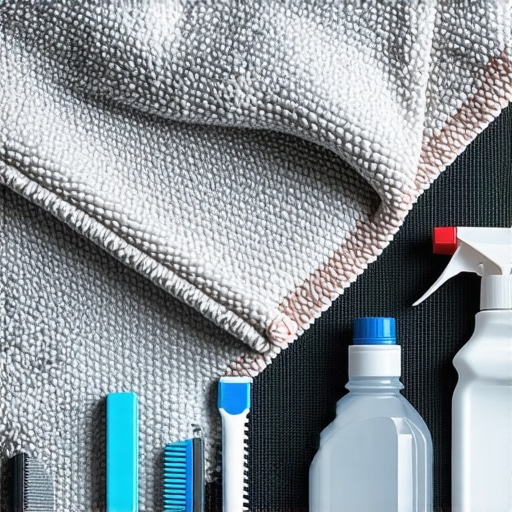
Ever reached for your trusty microfiber cloth, only to find it leaving streaks and grime instead of spotless surfaces? That frustrating moment when your cleaning hero suddenly loses its magic. I’ve been there, fumbling with a cloth that used to work like a charm but now seems as effective as a rag from the trash. The lightbulb went off when I realized I wasn’t alone—many folks face the same dilemma.
Today, I promise to share what I’ve learned from my own messy missteps and show you how to rescue your microfiber cloths before tossing them out or wasting your money on replacements. Because, honestly, these seemingly simple cleaning tools can sometimes hide a hidden downfall—and understanding how to troubleshoot them can save you both time and cash.
Why Microfiber Cloths Fail When You Least Expect
It’s a quiet, sneaky downfall. Microfiber cloths are celebrated for their ability to trap dirt, oils, and even bacteria—making them a staple in any home cleaning arsenal. But over time, many discover that their once-powerful cloths become, well, less effective. The surface seems dull, they leave streaks, or worse, spread grime around instead of removing it.
A common reason? The buildup of dirt, oils, and even mineral deposits from hard water can clog the tiny fibers. Plus, improper washing or drying habits can cause fibers to become stiff or frayed—reducing their capacity to trap debris.
For example, early in my cleaning journey, I believed every wash with regular detergent and a hot dryer would rejuvenate my cloths. Turns out, harsh chemicals and high heat actually degraded the fibers faster, making them worse than useless. Once I started using the right cleaning approaches, my microfiber cloths regained their edgeless power, shining brighter in my cleaning routine.
So, if your microfiber cloths are starting to underperform, it’s worth investigating how they’re being cared for. Proper maintenance can extend their lifespan—and restore their cleaning prowess.
Are you tired of replacing cloths every few months? Do they seem to leave streaks instead of smooth surfaces? Don’t worry—I’m here to help you troubleshoot and revive those trusty fibers.
For a deeper understanding of effective cleaning techniques that go beyond just cloth care, check out this [expert advice on house cleaning secrets](https://spotlesscarpetz.com/effective-house-cleaning-secrets-from-cleaning-experts). Now, let’s get to the heart of the matter: how to get those fibers working like new again.
Pick the Right Washing Method
Start by rinsing your microfiber cloth under warm water to remove loose dirt. Then, wash the cloth separately using a mild, chemical-free detergent—avoid fabric softeners and bleach that can coat fibers and reduce efficacy. Use a gentle cycle on your washing machine, similar to how you’d wash delicate lingerie, to prevent fiber damage. After washing, do not dry with high heat; instead, air dry or tumble dry on low. During my last attempt, I forgot to skip fabric softener, resulting in stiff, ineffective cloths. After switching to a gentle detergent and air drying, I noticed a significant improvement in cleaning performance.
Use the Correct Drying Technique
Proper drying is crucial. Hang your microfiber cloth in a well-ventilated area or use a low-heat setting in your dryer. High heat can melt or fray the fibers, making them less sticky and more prone to leaving streaks. Think of it like baking: gentle heat preserves the structure and ensures an even finish. Once, I tossed a damp cloth into the dryer on high heat, which shrank and stiffened the fibers. After that, I switched to air drying, which restored their softness and cleaning power.
Remove Mineral and Grime Build-Up
Over time, mineral deposits from hard water or greasy residues clog the tiny fibers, diminishing their effectiveness. To combat this, soak the cloth in a mixture of distilled white vinegar and warm water—about a 1:4 ratio—for 30 minutes. This dissolves mineral deposits and oils trapped in the fibers. After soaking, wash as usual. I had noticed streaks on my glass surfaces until I tried this trick, which restored the cloth’s ability to leave streak-free surfaces.
Restore Fibers with Regular Deep Cleaning
Every few weeks, give your cloth a deep clean by running it through a hot wash cycle with a scoop of borax or baking soda. These natural agents help break down stubborn residues. Afterward, rinse thoroughly and air dry. I once neglected this step, which caused the cloth to produce smears. Implementing regular deep cleaning rejuvenated their cleaning prowess.
Avoid Common Mistakes That Sabotage Effectiveness
Steer clear of using fabric softeners, in particular, which leave a coating on fibers that repel dirt rather than attract it. Also, do not wash microfiber with lint-producing fabrics like towels or fleece, as lint sticks to fibers and reduces their ability to trap debris. Lastly, never store damp cloths—mold and bacteria thrive in moisture, which can degrade the fibers. I learned this the hard way when a damp cloth developed a musty smell and left streaks even after washing. Proper storage and avoiding softeners make a big difference.